The cacophony of war often conjures images of roaring artillery, desperate charges, and the grim calculus of battlefield casualties. Yet, beneath the din of conventional warfare, a more insidious, silent battle raged—a battle of wits, of deception, and of carefully constructed falsehoods. This was the realm of intelligence, and within it, one of the most audacious and impactful operations of World War II was the Double Cross System. This intricate web of double agents, meticulously managed by Britain’s Section V of MI5, proved instrumental in misleading the Axis powers, influencing the course of crucial campaigns, and ultimately contributing to Allied victory.
The Genesis of a Deception: Early Days and the Need for Control
The story of the Double Cross System is not one of spontaneous brilliance, but rather a response to a dire necessity. In the early days of World War II, Britain found itself vulnerable. Its intelligence gathering capabilities were, at best, rudimentary compared to the sophisticated networks of the Abwehr, the German military intelligence agency. The island nation, facing the existential threat of invasion, knew it desperately needed to understand enemy intentions and, crucially, to sow seeds of confusion within the German command structure. The immediate impetus for the development of a more systematic approach came from the realization that they were already receiving intelligence from German agents, but with no control over them, this information was unreliable at best and potentially damaging at worst. The challenge was not merely to identify enemy spies, but to turn them, to make them instruments of British propaganda and deception.
The Art of Recruitment: From Enemy Agent to Double Agent
The process of transforming a captured enemy agent into a double agent was a delicate and often brutal dance. Initial interrogations were paramount. MI5 agents, under the leadership of the formidable Sir Stewart Menzies, Director of the Secret Intelligence Service (MI6), and his counterpart in domestic security, Major General Lord Rothschild, tasked with overseeing MI5’s Section V, meticulously sifted through the information gathered from apprehended spies. The goal was not simply to extract confessions, but to assess the potential of each individual. Was the agent naive and easily manipulated? Did they possess valuable contacts within the German intelligence apparatus? Were they susceptible to threats, inducements, or patriotic appeals?
The turning point often came with a stark choice: a swift execution or a life of carefully managed servitude. For those deemed pliable, the offer was clear: cooperate fully, and they might live to see another day. Failure to comply, or any hint of betrayal, meant certain death. This coercive element, while ethically challenging, was a brutal reality of wartime intelligence. The key was to instill a sense of dependence and fear, ensuring that the agent understood their survival rested entirely on their continued usefulness to their new handlers. This was the foundation upon which the entire system was built – a foundation of coerced loyalty and carefully cultivated dependency. The agents were not volunteers; they were prisoners of circumstance, their lives gambled against the strategic advantage they could provide.
Building Trust and Understanding: The Handler-Agent Relationship
Once an agent was ‘turned’, the critical phase of building a working relationship commenced. This involved a complex interplay of psychological manipulation, careful information management, and the creation of a believable persona. British handlers, often recruited from backgrounds as diverse as the civil service, academia, and even the theatre, were trained in the art of espionage and psychological warfare. They had to be masters of disguise, fluent in German and other relevant languages, and possess an uncanny ability to read people. The handler’s role was multifaceted: they were interrogators, instructors, psychologists, and strategists, all rolled into one.
They meticulously debriefed their agents, extracting every detail about their mission, their contacts, and their knowledge of German intelligence operations. This information was then cross-referenced and verified, building a picture of the German network and its objectives. Simultaneously, handlers began to feed carefully curated disinformation back to the Germans through their agents. This was a slow and painstaking process, akin to building a complex puzzle, where each piece of information had to be precisely placed to achieve the desired outcome. The handlers had to understand the German mindset, what they wanted to believe, and how to exploit those desires and preconceived notions to their advantage. This required a deep understanding of German military doctrine, political aspirations, and operational procedures.
The Double Cross System during World War II was a fascinating intelligence operation that involved the use of double agents to deceive the enemy. For those interested in exploring this topic further, a related article can provide additional insights into the complexities and effectiveness of this strategy. You can read more about it in this detailed analysis found at this link.
The Masters of Deception: Key Figures and Their Roles

The Double Cross System was not a monolithic entity but a complex operation orchestrated by a handful of brilliant minds and their dedicated teams. The individuals who spearheaded this enterprise, often working in the shadows, were instrumental in its success. Their ability to anticipate enemy moves, to craft convincing lies, and to manage a network of potentially volatile individuals was unparalleled.
The Architects: Lord Rothschild and Sir Stewart Menzies
While many individuals contributed to the Double Cross System, two figures stand out as its principal architects: Major General Lord Victor Rothschild and Sir Stewart Menzies. Lord Rothschild, a gifted amateur geneticist and a member of the prominent banking family, brought a sharp, analytical mind to MI5. He was instrumental in the day-to-day running of Section V and the strategic development of deception operations. His ability to see the bigger picture and his meticulous attention to detail were crucial in the successful management of the double agents. He understood the psychology of espionage and how to exploit it.
Sir Stewart Menzies, as head of MI6, provided the overarching leadership and strategic direction for Britain’s intelligence efforts. He was a man of immense authority and discretion, a skilled diplomat who navigated the complex political landscape of wartime Britain. Menzies recognized the immense potential of the Double Cross System and provided the resources and backing necessary for its success. His quiet confidence and unwavering belief in the system’s capabilities inspired his teams to achieve extraordinary feats. Together, these men, with their respective strengths, created an environment where deception could flourish.
The Agents: From Unwitting Pawns to Master Manipulators
The success of the Double Cross System rested on the shoulders of its agents, a diverse group of individuals whose lives were irrevocably altered by their involvement. These were not always hardened spies; many were ordinary people caught in extraordinary circumstances. Their motivations for cooperating varied: some were driven by fear for their lives, others by a sense of patriotism or a desire for adventure, and some, by a genuine belief in the Allied cause.
Perhaps the most famous of these was Juan Pujol García, codenamed “Garbo.” A Spaniard with a natural flair for performance and an astonishing imagination, Garbo was initially tasked by the Germans to spy on Britain. However, he found the idea repugnant and offered his services to the British. Through a series of elaborate deceptions, he convinced the Germans he was a valuable asset, creating an entire fictitious network of sub-agents and feeding them a constant stream of plausible, but ultimately misleading, information. His most significant contribution was his role in Operation Fortitude, the elaborate deception designed to convince the Germans that the D-Day landings would occur at Pas-de-Calais rather than Normandy. His meticulous reporting, complete with fabricated troop movements and exaggerated intelligence, played a pivotal role in the success of that critical operation.
Another vital agent was Arthur Owens, codenamed “Snow.” Owens, a Welshman who ran a small import-export business, was recruited by the Abwehr in 1939. He was a natural gambler and a terrible businessman, making him susceptible to the allure of espionage and the promise of financial gain. After being apprehended by MI5, he was turned and became a crucial source of information about the Abwehr’s operations. He provided vital intelligence on German sabotage plans and the activities of other German agents, allowing MI5 to preempt many of their operations. His ability to blend in and maintain a seemingly normal life was crucial to his continued success.
Weaving the Web of Deception: Operational Strategies and Their Impact

The Double Cross System was a masterclass in psychological warfare and strategic deception. It was not about simply lying; it was about crafting believable narratives that aligned with enemy expectations and exploited their biases. The goal was to control the flow of information, to shape enemy perceptions, and to influence their decisions.
The Double Cross System during World War II was a fascinating intelligence operation that involved the deception of German forces through the use of double agents. This intricate web of espionage not only played a crucial role in the success of the Allied invasion of Normandy but also highlights the importance of misinformation in warfare. For those interested in exploring more about the impact of such strategies, a related article can be found at In the War Room, which delves deeper into the complexities of wartime intelligence and its lasting effects on military tactics.
Operation Fortitude: The Deception that Won D-Day
Without question, the most significant achievement of the Double Cross System was its role in Operation Fortitude. This was not a single operation but a multifaceted deception campaign designed to convince the Germans that the main Allied invasion of Europe would occur at the Pas-de-Calais, the closest point between Britain and the continent, rather than Normandy. The success of the D-Day landings hinged on the element of surprise, and Operation Fortitude was instrumental in achieving this.
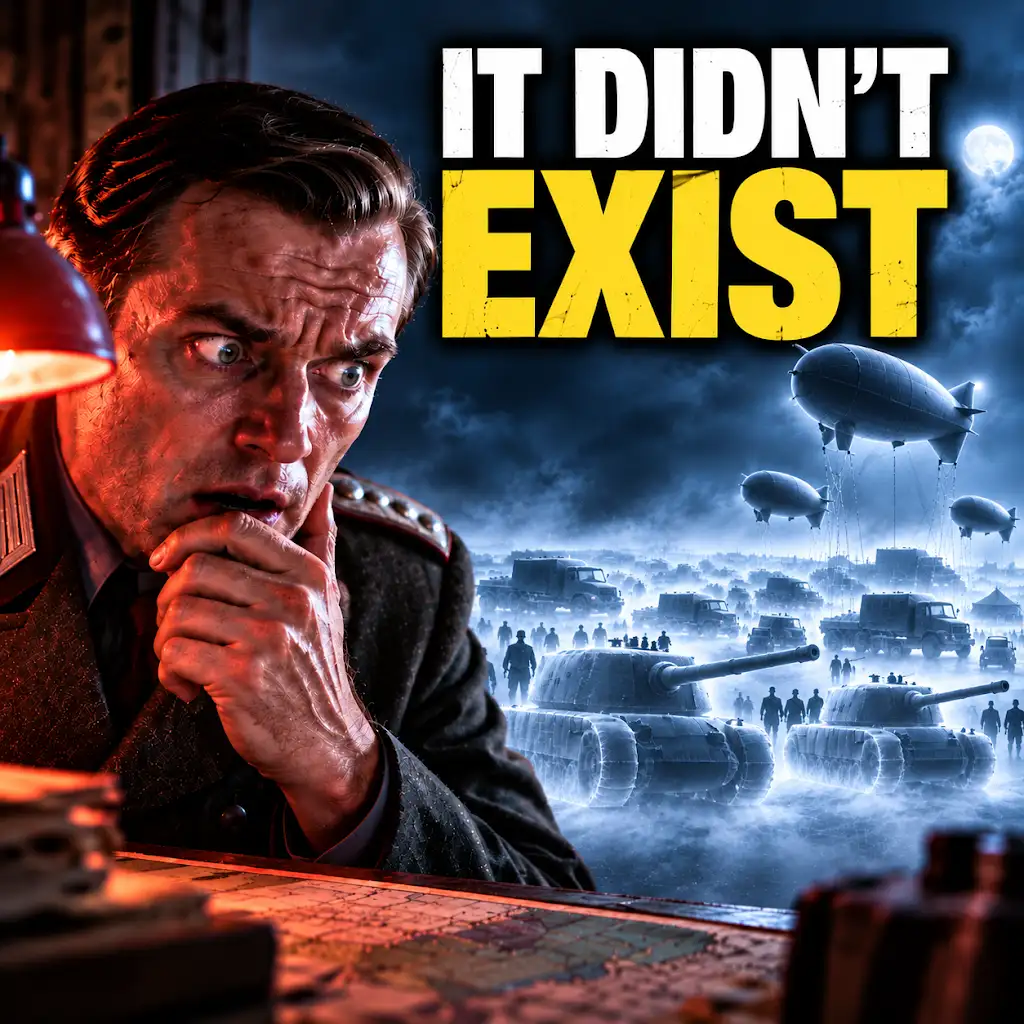
The system employed a range of tactics. Garbo, the star of the show, fabricated detailed reports of an entirely fictitious First U.S. Army Group (FUSAG), commanded by the seemingly formidable General George S. Patton. He described troop build-ups, landing craft movements, and strategic plans, all designed to convince the Germans that a massive invasion force was poised to strike at the Pas-de-Calais. The British also created dummy landing craft, inflatable tanks, and even simulated radio traffic to further enhance the illusion. The Germans, desperate to defend against a potential invasion, diverted significant forces, including their elite Panzer divisions, away from Normandy and towards the Pas-de-Calais. This crucial misdirection significantly weakened German defenses in Normandy, allowing the Allied forces to establish a foothold and ultimately win the war in Europe. The deception was so convincing that even after the Normandy landings, German intelligence remained fixated on the Pas-de-Calais, delaying their response and allowing the Allies to consolidate their gains.
Countering Sabotage and Disruption: Protecting the Home Front
Beyond grand strategic deception, the Double Cross System played a vital role in protecting Britain from Axis sabotage and espionage on the home front. German intelligence, particularly the Abwehr, actively sought to disrupt British industry, spread propaganda, and sow discord. The Double Cross System allowed MI5 to anticipate and neutralize these threats before they could cause significant damage.
By turning Abwehr agents, MI5 gained invaluable insight into their operational plans. For instance, Arthur Owens, as “Snow,” provided critical information about planned acts of sabotage targeting vital infrastructure, such as power stations and supply depots. This allowed British authorities to preemptively arrest saboteurs, defuse bombs, and secure key installations. Furthermore, the system was used to control and discredit German propaganda efforts. By feeding carefully crafted misinformation through their agents, the British could subtly manipulate the messages reaching Germany, sowing doubt and confusion within the enemy ranks. The constant awareness of what the Abwehr was attempting allowed MI5 to maintain a proactive defense, rather than constantly reacting to threats.
The Battle of the Atlantic: Misdirection and Naval Intelligence
The Battle of the Atlantic was a critical struggle for Britain, with German U-boats posing a constant threat to vital supply lines. The Double Cross System also contributed to this vital campaign by providing crucial naval intelligence and influencing German U-boat deployment.
Through captured agents and the carefully controlled flow of information, the British were able to gain a clearer picture of U-boat patrols, operational areas, and intended targets. This intelligence, though often fragmented and requiring careful analysis, allowed Allied naval forces to better anticipate U-boat movements and deploy their convoys accordingly. More importantly, the system was used to deceive German naval intelligence about Allied convoy routes and the effectiveness of Allied anti-submarine warfare. By feeding information that exaggerated the vulnerability of certain routes or downplayed the success of Allied patrols, the British could lure U-boats into strategically disadvantageous positions or divert them away from critical supply lines. This complex interplay of intelligence gathering and deception played a significant role in gradually turning the tide in the Battle of the Atlantic in favor of the Allies.
The Ethical Quandaries and Lasting Legacy
The Double Cross System, while undeniably successful, was not without its ethical complexities. The methods employed, while justified in the context of total war, raise profound questions about the nature of coercion, betrayal, and the blurred lines between right and wrong in times of conflict.
The Moral Tightrope: Coercion, Betrayal, and Survival
The recruitment of double agents often involved elements of blackmail, threats of execution, and the forced abandonment of personal lives. Agents were essentially prisoners of war, their freedom and even their lives held hostage by their handlers. This created a deeply compromised existence, where loyalty was not a matter of choice but of necessity. The psychological toll on these individuals, living under constant threat and the burden of deception, must have been immense.
Moreover, the system fostered an environment of pervasive mistrust. The very people who were ostensibly working for the Allied cause were often individuals who had previously betrayed their own countries or principles. The handlers, too, had to maintain a constant vigilance, never fully able to trust their own agents, even as they relied on them for critical intelligence. This moral ambiguity was an inherent part of the Double Cross System, a dark undercurrent beneath the surface of its strategic brilliance. The agents were forced into a life of perpetual performance, their true selves buried beneath layers of fabricated identities and manufactured loyalties.
The Post-War Revelation: Unveiling the Masters of Deception
For years, the true extent and impact of the Double Cross System remained a closely guarded secret. The individuals involved understood that revealing their methods and identities prematurely could compromise future intelligence operations and potentially endanger those who had cooperated. It was only in the post-war years, as wartime secrecy began to lift, that the remarkable story of the Double Cross System began to emerge.
The publication of books and memoirs by key figures, such as J. C. Masterman (who oversaw the intelligence section responsible for the double agents) and the agents themselves, slowly unveiled the intricate workings of this clandestine operation. The public was astonished to learn how a relatively small group of individuals had so effectively manipulated the most powerful intelligence agencies of the Axis powers. The revelations provided a new understanding of the crucial role of intelligence and deception in modern warfare and highlighted the extraordinary courage and ingenuity of the individuals who had participated in this dangerous game.
A Blueprint for Future Intelligence: Lessons Learned and Enduring Impact
The Double Cross System was a watershed moment in the history of intelligence operations. Its success demonstrated the profound impact that well-executed deception campaigns could have on the outcome of wars. The principles and techniques developed by MI5’s Section V became a blueprint for future intelligence agencies, influencing the way covert operations and psychological warfare were conducted in subsequent conflicts.
The system’s emphasis on meticulous planning, psychological manipulation, the cultivation of believable personas, and the exploitation of enemy biases provided invaluable lessons for generations of intelligence professionals. The Double Cross System stands as a testament to the power of human intellect and ingenuity in the face of overwhelming odds. It proved that in the silent war of information and deception, the most devastating weapons were often not made of steel, but of carefully constructed lies, wielded with precision and a profound understanding of the human psyche. Its legacy endures, a reminder that beneath the roar of cannons, the silent, invisible battle of wits can often determine the fate of nations.
How the Allies Built an Army for Germany to Discover
FAQs
What was the Double Cross System in World War II?
The Double Cross System was a counter-espionage operation run by the British during World War II to deceive German intelligence agencies.
How did the Double Cross System work?
The Double Cross System involved turning captured German spies into double agents who would feed false information back to the Germans.
Who were some of the key double agents in the Double Cross System?
Some of the key double agents in the Double Cross System included Juan Pujol Garcia (codenamed “Garbo”), Lily Sergeyev (codenamed “Treasure”), and Roman Czerniawski (codenamed “Brutus”).
What impact did the Double Cross System have on the outcome of World War II?
The Double Cross System played a significant role in deceiving the Germans about Allied intentions and operations, contributing to the success of D-Day and other key military campaigns.
Was the Double Cross System successful?
Yes, the Double Cross System was highly successful in misleading German intelligence and helping the Allies gain a strategic advantage during World War II.