The echoes of World War II are often dominated by tales of grand battles, heroic leaders, and sweeping geopolitical shifts. Yet, beneath the surface of these monumental narratives lie countless individual stories, families fractured and reformed by the conflict, whose experiences have, for decades, remained largely in the shadows. Uncovering these forgotten families is not merely an act of historical curiosity; it is a vital endeavor to comprehend the profound human cost of war and to preserve the legacies of those who endured it. These are the stories of parents who became orphans overnight, children thrust into adulthood, and entire communities uprooted, their lives irrevocably altered by the global conflagration. For too long, the focus has been on the soldiers on the front lines, the politicians making decisions in distant rooms, and the grand strategic maneuvers. But the war was also fought in kitchens, in bomb shelters, in occupied territories, and in the hearts of millions who never fired a shot. This article delves into the multifaceted ways these forgotten families are being rediscovered, the challenges involved, and the profound significance of their recovered histories.
The Unseen Scars: Everyday Life Under Occupation
The experience of World War II for families was not monolithic. While soldiers faced the direct brutality of combat, those left behind, particularly in occupied territories, grappled with a different, often insidious, form of suffering. The presence of occupying forces reshaped daily routines, imposed harsh restrictions, and fostered an atmosphere of constant fear and uncertainty. For many families, survival became a daily negotiation, a precarious balancing act between compliance and resistance, between protecting loved ones and preserving dignity.
Rationing and Scarcity: The Daily Grind of Survival
Food was a primary concern. Rationing became a way of life, dictating the meager allowances of bread, sugar, and meat. Families learned to stretch ingredients, to forage for wild edibles, and to make do with less. The ingenuity born of necessity was a hallmark of this era. Stories abound of mothers who transformed potato peels into edible dishes, fathers who bartered precious possessions for a few extra pounds of flour, and children who understood the value of every crumb. The psychological toll of constant hunger and the anxiety of not knowing where the next meal would come from are difficult to fully convey, but they represent a significant dimension of the wartime experience for countless families. This scarcity extended beyond food, affecting access to fuel for heating, clothing, and even basic medical supplies. The fabric of everyday life was frayed by a pervasive lack of resources, forcing families to adapt and innovate in ways that often went unrecorded.
The Shadow of the Occupier: Fear and Surveillance
The constant presence of occupying soldiers cast a long shadow over domestic life. Families lived under the watchful eyes of the enemy, their conversations monitored, their movements restricted. The fear of reprisal for minor infractions, or even for perceived disloyalty, was a pervasive reality. Children learned to be silent, to avoid drawing attention, and to suppress their natural exuberance. For Jewish families, this fear was amplified by the systematic persecution and eventual extermination campaign. Hiding, evasion, and the constant terror of discovery were the daily realities for millions. The courage displayed by those who harbored them, often at immense personal risk, is another facet of these forgotten stories. Even in non-persecutory occupations, the subtle and overt forms of control exerted by the occupying power profoundly impacted family dynamics. Curfews, mandatory labor, and the requisitioning of homes were just some of the indignities that families endured, forcing them to constantly re-evaluate their priorities and their safety.
Resistance in the Domestic Sphere: Small Acts of Defiance
While grand acts of sabotage often capture the imagination, resistance also manifested in quieter, more personal ways within the home. Sharing forbidden news, listening to clandestine radio broadcasts, harboring fugitives, or simply maintaining a spirit of defiance through everyday actions were crucial forms of resistance. These acts, though seemingly small, were vital in maintaining morale and providing a sense of hope. They represent a hidden layer of the war effort, powered by the determination of ordinary people to resist oppression and preserve their identity. The transmission of these acts of defiance, often through oral history and later through archival research, is essential to understanding the full spectrum of familial experiences during the war.
The impact of World War II extended far beyond the battlefield, affecting countless families who were left behind and often forgotten in the annals of history. For a deeper understanding of the personal stories and struggles faced by these families, you can explore the article on the website “In the War Room,” which highlights the experiences of those who lived through the war’s aftermath. To read more about these poignant narratives, visit In the War Room.
Children of Conflict: Lost Innocences and Early Adulthood
War invariably robs children of their innocence. For those who grew up during World War II, this loss was often profound and irreversible. They witnessed horrors unimaginable to peacetime children, bore burdens far beyond their years, and experienced the fragmentation of their families in ways that shaped their entire lives.
Evacuation and Separation: The Great Upheaval
Millions of children were evacuated from cities, particularly in Britain, to escape the Blitz. This led to widespread separation from parents, families, and familiar surroundings. For some, it was a temporary reprieve; for others, it meant years of separation, living with strangers in unfamiliar towns and villages. The emotional impact of being uprooted, of losing the security of home and family, was immense. Many children struggled with feelings of abandonment, loneliness, and guilt. The stories of these evacuated children, their adjustments to new lives, and their eventual reunions (or lack thereof) with their families are a significant part of the forgotten narratives of the war. These experiences often fostered a resilience and independence that was both a testament to their adaptability and a stark reminder of the childhoods they were denied.
Orphanhood and Loss: The Unfillable Void
The war created an unprecedented number of orphans. Soldiers lost their lives on the battlefield, civilians perished in bombings and atrocities, and countless others were consumed by disease and starvation. For children who lost one or both parents, the resulting void was immense. They were often placed in institutions or fostered by relatives, their lives irrevocably altered by the absence of parental guidance and love. The long-term psychological and social consequences of wartime orphanhood are a critical area of study. These children, who grew up without the comfort and stability of a complete family, carried their losses with them throughout their lives, often struggling with identity and a sense of belonging. Recovering their stories means acknowledging the profound grief and resilience that characterized their young lives.
Growing Up Too Fast: The Burden of Responsibility
In the absence of fathers who were fighting or mothers who were working in war industries, older children often found themselves shouldering significant domestic responsibilities. They helped care for younger siblings, managed household chores, and contributed to the family income through part-time work. This premature adulthood, while fostering remarkable resilience, also meant a curtailment of their childhoods. The memories of these children are often filled with the weight of responsibility, the anxieties of wartime scarcity, and the understanding that they had to grow up quickly to help their families survive. Their perspectives offer a unique insight into the daily realities of the war, viewed through the lens of those who were forced to mature beyond their years.
The Home Front: Women’s Unsung Contributions
The narrative of the war effort often focuses on the men in uniform, but the home front was a vital arena where women played crucial and often overlooked roles. From factory work and agricultural labor to maintaining families and supporting the war effort through various community initiatives, women’s contributions were indispensable.
Mobilization for Labor: Breaking Traditional Roles
With millions of men serving in the armed forces, women stepped into jobs previously considered exclusively male domains. They worked in factories producing munitions, aircraft, and other essential war materials. They operated heavy machinery, endured dangerous conditions, and proved themselves to be as capable and dedicated as any male worker. The “Rosie the Riveter” icon captured a broader truth about the mass mobilization of women into the workforce, a significant shift that challenged traditional gender roles and had lasting implications for women’s rights and opportunities in the post-war era. This period saw an unprecedented number of women enter paid employment, contributing directly to the war industry and the nation’s economy.
Sustaining the Family and Community: The Backbone of Society
Beyond paid employment, women were the bedrock of family and community life. They managed households under extreme scarcity, nurtured children, and maintained morale. They volunteered for organizations like the Red Cross, knitted socks and scarves for soldiers, and organized community support networks. Their resilience and dedication ensured the continuity of life and provided a vital emotional anchor for families and communities facing immense stress. The wartime home became a hub of resilience, with women orchestrating the complex logistics of survival, from growing their own food to mending clothes and ensuring that children felt as secure as possible amidst the chaos.
The Psychological Toll of Waiting: Anxiety and Loss
While men faced the immediate dangers of the battlefield, women on the home front bore the psychological burden of waiting and worrying. The constant anxiety of receiving news of loved ones, the grief of loss, and the strain of managing a household alone took a significant emotional toll. Many women developed coping mechanisms, finding solace in shared experiences with other women, engaging in community activities, and focusing on the tasks at hand. Their silent suffering and enduring strength are an integral part of the forgotten family narratives. The letters exchanged between soldiers and their families offer a poignant glimpse into this emotional exchange, revealing the hopes, fears, and unwavering love that sustained them through the war.
Reclaiming Lost Voices: Methods and Challenges in Family History
The task of uncovering forgotten families is a complex and often emotionally charged undertaking. It requires a combination of diligent research, empathetic listening, and a recognition of the inherent challenges in piecing together fragmented histories.
Archival Digs and Oral Histories: Piecing Together the Past
The primary methods for uncovering these forgotten stories involve meticulous archival research and the sensitive collection of oral histories. Archives hold a wealth of information: census records, military service files, immigration documents, property deeds, and local historical society collections. These documents provide the factual framework for understanding family movements and circumstances. However, the true human dimension is often revealed through oral histories. Speaking with surviving family members, descendants, and community elders allows for the recovery of personal anecdotes, emotional experiences, and nuanced perspectives that are rarely captured in official records. This process is not simply about collecting facts; it is about listening to the echoes of lived experiences.
Navigating the Silences: Gaps and Trauma
One of the greatest challenges in uncovering forgotten family histories is the presence of silence. Decades of unspoken trauma, the desire to forget painful memories, or simply the passage of time can create significant gaps in the historical record. Some families may have deliberately avoided discussing their wartime experiences due to shame, fear, or the profound grief associated with loss. Additionally, the disruption caused by war, displacement, and migration can lead to the loss of records and the fragmentation of family connections, making it difficult to trace lineages and reconstruct narratives. The researcher must approach these silences with sensitivity, understanding that some stories may remain buried, and respecting the wishes of those who choose not to share.
Ethical Considerations: Privacy and Respect
Uncovering and sharing the stories of forgotten families raises important ethical considerations. The privacy of individuals, even those long deceased, must be respected. Researchers must be mindful of the potential impact of their work on living descendants and obtain consent where appropriate. Furthermore, it is crucial to avoid sensationalizing or exploiting the suffering of individuals. The goal is to honor their experiences, to preserve their legacies, and to contribute to a more comprehensive understanding of history, not to intrude upon or re-traumatize. The presentation of these stories should always be done with dignity and respect for the individuals and families involved.
The impact of World War II extended far beyond the battlefield, affecting countless families who were often left forgotten in the shadows of history. Many of these families faced unimaginable hardships and loss, their stories rarely told. For those interested in exploring this poignant aspect of history, a related article can provide deeper insights into the lives of these forgotten families. You can read more about their experiences and struggles in this fascinating article that sheds light on their resilience and the legacy they left behind.
The Enduring Significance: Why These Stories Matter
| Category | Description | Estimated Number | Impact |
|---|---|---|---|
| Displaced Families | Families forced to flee their homes due to war, often ending up in refugee camps or foreign countries. | Over 30 million | Loss of homes, separation, and long-term displacement. |
| Families of Missing Soldiers | Families whose members were declared missing in action and never recovered. | Approximately 1.3 million (Allied forces) | Emotional trauma and lack of closure. |
| Families of Forced Laborers | Families of individuals taken for forced labor by Axis powers. | Estimated 12 million | Economic hardship and social stigma. |
| Jewish Families Lost in the Holocaust | Families exterminated or displaced during the Holocaust. | Approximately 6 million Jews killed | Complete family annihilation and cultural loss. |
| Families of War Orphans | Children left parentless due to wartime casualties. | Estimated 10 million worldwide | Long-term social and psychological challenges. |
The effort to uncover forgotten families of World War II is more than an academic pursuit; it is an act of profound historical and human significance. By bringing these hidden narratives to light, we gain a deeper, more nuanced understanding of the war’s impact and learn invaluable lessons for the future.
A More Complete Understanding of the War’s Impact
The stories of forgotten families offer a crucial counterpoint to the grand narratives of military strategy and political maneuvering. They reveal the human cost of war at the most intimate level, highlighting the resilience, suffering, and adaptability of ordinary people. By understanding the wartime experiences of these families, we gain a more complete and empathetic picture of the conflict’s far-reaching consequences, acknowledging that the war was fought not just on battlefields but in homes and communities across the globe. This broadened perspective enriches our historical understanding and humanizes the immense scale of the conflict.
Honoring Ancestors and Preserving Legacies
For descendants, uncovering the stories of their ancestors is a deeply personal and meaningful journey. It provides a connection to their past, a sense of identity, and an opportunity to honor the sacrifices and resilience of those who came before them. Preserving these legacies ensures that the experiences of these forgotten families are not lost to time, allowing future generations to learn from their struggles and triumphs. It is a way of ensuring that their contributions, however small they may have seemed at the time, are recognized and remembered.
Lessons for the Present and Future
The stories of families who endured World War II offer timeless lessons about the destructive nature of conflict, the importance of human connection, and the enduring power of hope and resilience in the face of adversity. By understanding the past, we are better equipped to navigate the challenges of the present and to work towards a more peaceful and just future. The experiences of these families serve as a powerful reminder of the consequences of war and the vital importance of peace, empathy, and understanding. Their rediscovered voices can serve as a potent cautionary tale and an inspiration for generations to come, urging us to learn from history and to actively build a world where such widespread suffering is never repeated.
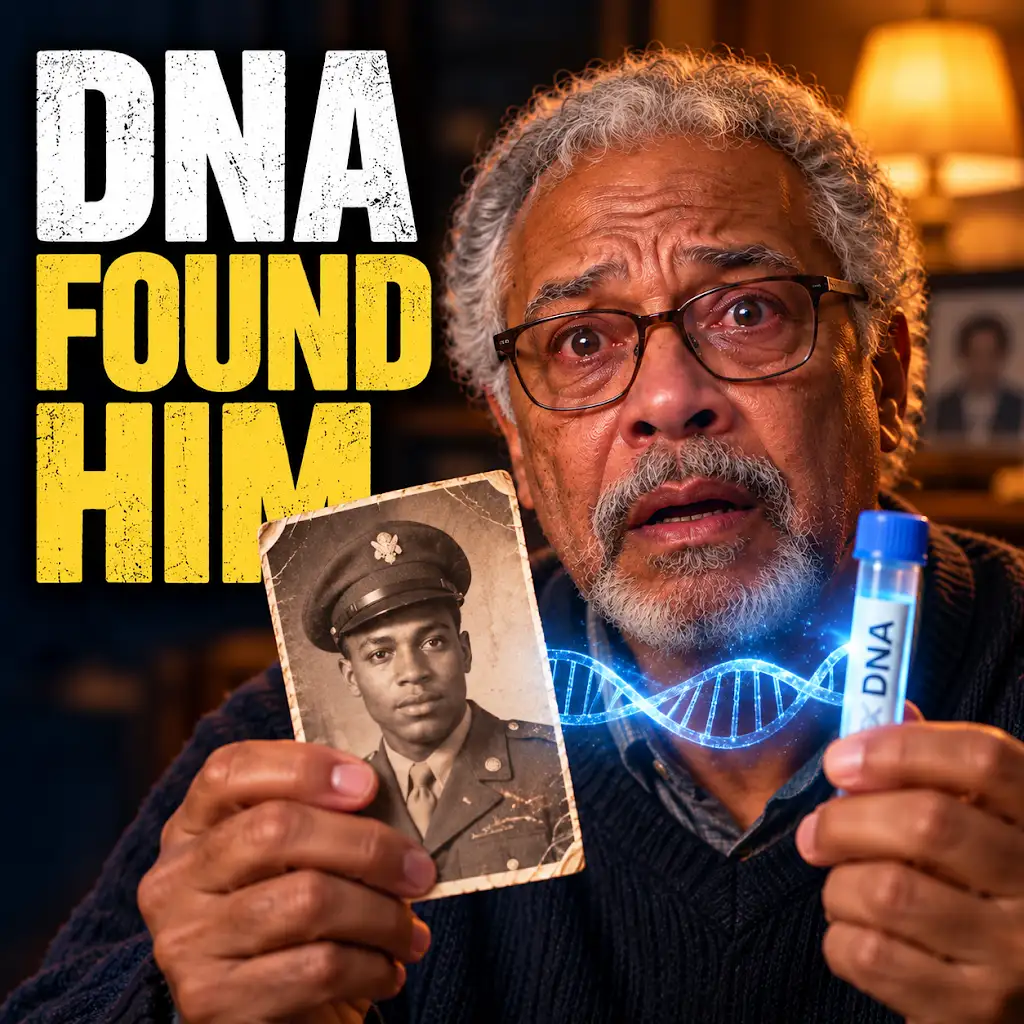
His WWII GI Father Was a Mystery for Nearly 80 Years
FAQs
What are the forgotten families of World War II?
The forgotten families of World War II refer to the families who were impacted by the war but whose stories and experiences have not been widely recognized or remembered.
How were families affected by World War II?
Families were affected by World War II in various ways, including separation due to military service, displacement from their homes, loss of loved ones, and economic hardships.
Why are these families considered forgotten?
These families are considered forgotten because their experiences have not been as prominently documented or acknowledged compared to other aspects of World War II history.
What challenges did these families face during World War II?
Forgotten families of World War II faced challenges such as food shortages, housing instability, emotional trauma, and uncertainty about the future.
How can we learn more about the forgotten families of World War II?
To learn more about the forgotten families of World War II, researchers can explore archives, oral histories, and personal accounts from individuals who lived through the war. Additionally, museums and educational programs may also shed light on this lesser-known aspect of history.