The shadows of the Second World War cast long and complex legacies, and for many, one of the most profound is the absence of a father. The global conflict, with its mass mobilizations, widespread displacement, and societal upheaval, created circumstances where paternal lineage can be fractured, leaving individuals with unanswered questions about their biological fathers. Uncovering this missing piece of family history is a journey of discovery, often fraught with emotional complexities, logistical challenges, and the need for meticulous research. This exploration delves into the multifaceted process of locating WWII biological fathers, from the initial spark of curiosity to the eventual unveiling of a paternal connection.
## The Genesis of a Search: Why Look Back?
The desire to locate a biological father, particularly one absent due to the circumstances of war, stems from a deep-seated human need for completeness and understanding. For many, the absence is not merely a biological fact but a significant gap in their personal narrative, impacting their sense of identity and belonging. The stories of these fathers, often shrouded in mystery and speculation, can become a persistent hum in the background of a life, prompting a longing for clarity.
### A Quest for Identity and Belonging
At its core, the search for a biological father is a quest for identity. Understanding one’s genetic heritage, familial traits, and the story of one’s origins can provide a profound sense of self. For children born out of wedlock during wartime, especially those placed for adoption or raised by mothers who had limited information, this need can be amplified. Knowing the paternal side of the family can offer insights into predispositions, talents, and even shared experiences that might otherwise remain unknown. It’s about filling in the blanks, connecting the dots that form the complex tapestry of one’s existence.
### Inherited Silence and Unanswered Questions
In the aftermath of WWII, societal norms and individual circumstances often led to silence surrounding the identities of fathers, particularly those who were stationed overseas or lost during the conflict. Mothers, facing stigma or simply lacking the means to maintain contact, might have chosen to protect their children by omitting details or offering vague explanations. This inherited silence, passed down through generations, can create a powerful impetus for later generations to break that silence and seek the truth. The unanswered questions, the “what ifs,” and the whispers of a forgotten father can become a compelling force driving the search forward.
### The Modern Drive for Genealogy and Ancestry
The proliferation of online genealogy resources and DNA testing services in recent decades has democratized the search for ancestral information. What was once a laborious and expensive endeavor, confined to dusty archives and personal correspondence, is now more accessible than ever. This technological advancement has empowered individuals to take control of their family history, fueling a renewed interest in uncovering the stories of their predecessors, including those whose lives were intertwined with the dramatic events of World War II.
In the quest to uncover the identities of biological fathers from World War II, many individuals have turned to innovative resources and support networks. A compelling article that delves into this topic can be found at In the War Room, where personal stories and expert insights shed light on the emotional journeys of those seeking to connect with their past. This resource not only highlights the challenges faced by these individuals but also offers guidance on navigating the complexities of family history research.
## Navigating the Labyrinth: Initial Steps in the Search
Embarking on the journey to locate a WWII biological father requires a systematic approach, a willingness to delve into personal histories, and a healthy dose of patience. The initial phase involves gathering as much information as possible from known family members and any existing documents. This foundation is crucial for directing the subsequent research efforts.
### Tapping into Familial Knowledge: The Mother’s Story and Beyond
The primary source of information often lies with the mother, if she is still living. Sensitive and empathetic conversations can yield invaluable clues. Details about his nationality, military branch, unit, and the circumstances of their meeting are critical. Even fragmented memories or emotional recollections can serve as starting points. If the mother is deceased, speaking with siblings, aunts, uncles, or older cousins who might have shared memories or heard stories can be equally illuminating. They may recall names, places, or even photographs that provide a crucial link.
### Scrutinizing Existing Documentation: A Paper Trail of Clues
Carefully examine any surviving family documents. This can include birth certificates, marriage records, military discharge papers, letters, diaries, photographs, and even old address books. Birth certificates may list the father’s name, though this is not always the case, especially in pre-adoption or wartime scenarios. Military records, if accessible, can be goldmines of information, providing service numbers, dates of enlistment and discharge, and even home addresses. Letters exchanged between family members might contain casual mentions of the father or his family, providing names or locations. Photographs, with their inscriptions or the identifiable backgrounds, can also offer vital clues.
### Understanding Wartime Context: The Global Canvas of Conflict
The specific context of WWII is paramount. Knowing where and when the parents met, and the father’s nationality and military service, is essential for narrowing down research possibilities. Was he an American soldier stationed in Europe? A British serviceman in the Pacific? A member of an Allied force occupying a specific territory? Understanding the major theaters of war and the movements of troops during that period can help pinpoint potential geographic locations and timelines for the father’s presence. For example, if the mother met the father in England during the Blitz, the research would focus on Allied forces stationed in that region during that specific timeframe.
## Unearthing Military Records: The Soldier’s Footprint
For a father who served in the military during WWII, his service records are often the most comprehensive and reliable source of personal details. Accessing these records can be a complex process, involving government archives and specific application procedures. However, the information they contain can be transformative in a search.
### Deconstructing Service Records: A Blueprint of His Military Life
National archives, such as the National Archives and Records Administration (NARA) in the United States or The National Archives in the UK, hold vast collections of military personnel records. These records typically include a soldier’s full name, date of birth, enlistment and discharge dates, rank, unit assignments, and sometimes even next-of-kin information. For American WWII records, the “World War II Draft Registration Cards” are often a good starting point, as they contain biographical information. The “Service Person’s Dossier” or “General Records” for individuals are also key. It is crucial to be as specific as possible with names, dates, and any known unit affiliations when requesting these documents.
### The Role of Military Unit Histories and Rosters
Beyond individual service records, the histories of specific military units can provide valuable context. Knowing a father’s likely unit can allow researchers to investigate unit rosters, operational reports, and historical accounts. These documents can shed light on where the unit was stationed, its activities, and the individuals who served within it. While direct access to unit rosters for privacy reasons might be limited, understanding a unit’s deployment can help narrow down the geographic and temporal scope of the search.
### Challenges and Privacy Considerations in Military Record Retrieval
Accessing military records is not always straightforward. Privacy laws and the sheer volume of records can present challenges. It often requires a formal request process, and researchers may need to provide proof of relationship to the individual whose records they seek. For deceased individuals, records are generally more accessible, but there can still be delays and specific procedures to follow. Furthermore, records may be incomplete or damaged due to the passage of time or wartime events.
## Beyond Military Archives: Broadening the Research Scope
When military records provide limited information, or when the father was not a member of the armed forces, the search must expand to encompass a wider range of historical and genealogical resources. This often involves venturing into civil records, immigration documents, and even leveraging the power of DNA.
### Civil Registration and Vital Records: Births, Marriages, and Deaths
Civil registration systems, maintained by local and national governments, record significant life events. Birth certificates, marriage licenses, and death certificates can provide essential genealogical data, including names of parents, spouses, and children. These records can be particularly useful if the father later married or had other children, creating a new set of traceable records. Locating these records often involves researching the specific jurisdictions where the mother and father might have resided.
### Immigration and Naturalization Records: A Transatlantic Connection
For fathers who were not of the same nationality as the mother, immigration and naturalization records can be vital. These documents often detail a person’s arrival in a country, their port of entry, their original nationality, and any subsequent applications for citizenship. If the father was an Allied serviceman who remained in the country after the war, or if he emigrated with his family, these records can provide crucial biographical details and a paper trail leading back to his country of origin.
### The Impact of DNA Genealogy: Unlocking Unforeseen Connections
DNA testing services have revolutionized genealogical research. By submitting a DNA sample, individuals can connect with a global network of genetic relatives. This can be invaluable for uncovering unknown paternal lines. If a DNA match shares a significant portion of DNA with the researcher, and that match has a known family tree that includes individuals from the expected timeframe and geographic region of the biological father, it can provide a breakthrough. While DNA results alone may not reveal a name, they can point towards a family branch and provide the impetus for further documentary research to confirm the connection.
Many individuals seeking to uncover their biological roots from World War II have turned to innovative resources and articles that provide guidance on this journey. One such article explores the emotional and historical significance of finding biological fathers from this tumultuous period, offering insights into the challenges and triumphs faced by those on this quest. For more information, you can read the full article at In the War Room, where personal stories and expert advice come together to shed light on this important aspect of family history.
## Reaching Out and Embracing the Outcome: The Human Element
| Metric | Description | Typical Value/Range | Notes |
|---|---|---|---|
| Average Time to Identify Biological Father | Time taken from start of search to confirmed identification | 6 months – 3 years | Varies based on available records and DNA matches |
| Success Rate of Identification | Percentage of cases where biological father is successfully identified | 40% – 70% | Depends on access to archives and living relatives |
| Number of WWII Children Searching | Estimated individuals born during WWII seeking biological fathers | Thousands worldwide | Includes children of war brides, displaced persons, and occupation forces |
| Common Sources Used | Types of records and data used in research | Military records, birth certificates, DNA databases, archives | DNA testing has increased success rates significantly |
| DNA Database Matches | Percentage of cases where DNA testing provides a match | 30% – 60% | Depends on database size and participation |
| Average Cost of Search | Typical expenses involved in research and DNA testing | Varies widely | Costs can range from minimal (self-research) to several hundred for professional services |
The ultimate goal of locating a WWII biological father is not just about obtaining information; it’s about understanding, connection, and potentially reconciliation. The process of reaching out to newfound relatives, or to the father himself if he is still living, requires careful consideration and emotional preparation.
### The Delicate Art of Contact: Initiating Communication
Once potential leads have been identified, the next step is to initiate contact. This can be a daunting prospect. If the father is deceased, reaching out to his surviving children or other close relatives requires sensitivity. The approach should be respectful, clearly explaining the reason for the contact and acknowledging the potential for surprise or even apprehension. Providing verifiable information about the shared ancestor can help build trust. If the father is living, the decision of how and when to make contact is deeply personal and should be approached with utmost care, considering his age, health, and potential emotional state.
### Navigating Family Dynamics and Emotional Landscapes
The reunion of fractured families is rarely simple. There may be a range of emotions involved – joy, relief, curiosity, but also potential feelings of resentment, guilt, or even anger. Surviving family members may have long-held assumptions or narratives that are challenged by new information. It is essential to approach these interactions with empathy, understanding, and a willingness to listen. The goal is not necessarily to force a perfect reunion, but to foster understanding and provide closure where possible.
### The Legacy of the Search: Acceptance and Moving Forward
The journey of locating a WWII biological father is a testament to the enduring human desire for knowledge and connection. Whether the search yields a complete picture or only partial answers, it can be a profoundly transformative experience. It can bring a deeper understanding of one’s own identity, a connection to a lost part of one’s heritage, and a sense of peace. The legacy of the search lies not only in the discovery of a paternal lineage but also in the resilience, determination, and emotional courage demonstrated throughout the process. For many, it is a journey that ultimately leads to acceptance, healing, and a richer understanding of their place in the world.
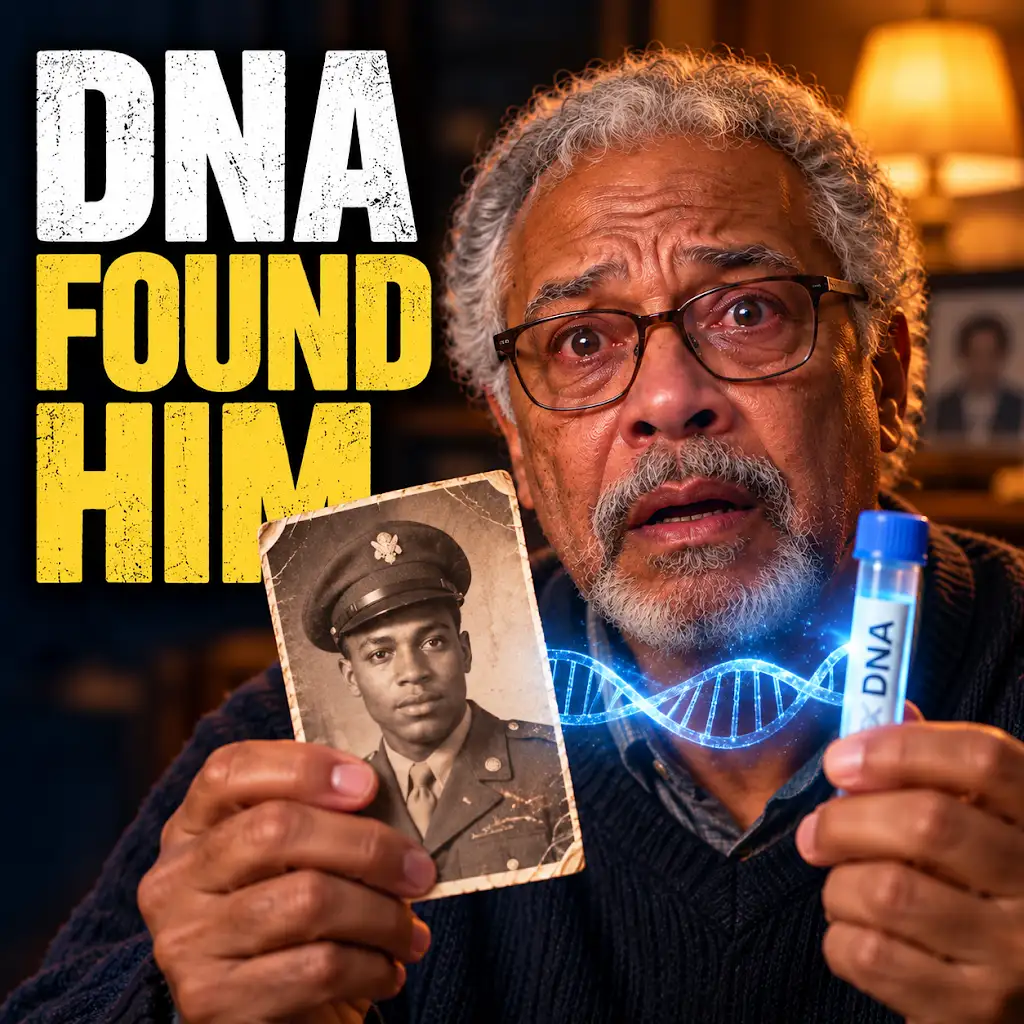
His WWII GI Father Was a Mystery for Nearly 80 Years
FAQs
What is the process of finding WWII biological fathers?
The process typically involves gathering information about the father, such as his name, military unit, and any other details available. This information can then be used to search military records, genealogy databases, and other resources to locate the father.
Are there any specific organizations or resources that can help in finding WWII biological fathers?
Yes, there are organizations such as the American WWII Orphans Network and websites like Ancestry.com and Fold3 that can assist in the search for WWII biological fathers. Additionally, hiring a professional genealogist may also be helpful.
What challenges might individuals face when trying to find their WWII biological fathers?
Some challenges individuals may face include limited information about the father, incomplete or inaccurate records, and the passage of time leading to the loss of key witnesses or sources of information. Additionally, the stigma surrounding illegitimate children during that time period may have led to deliberate efforts to conceal the father’s identity.
Is it possible to obtain DNA testing to confirm the identity of a WWII biological father?
Yes, DNA testing can be a valuable tool in confirming the identity of a biological father. Companies like AncestryDNA and 23andMe offer DNA testing kits that can help individuals connect with potential relatives and uncover family connections.
What are some tips for individuals looking to find their WWII biological fathers?
Some tips include starting with any information or documents available, reaching out to relatives for additional details, utilizing online resources and databases, and considering hiring a professional genealogist for assistance. It’s also important to be patient and persistent in the search process.