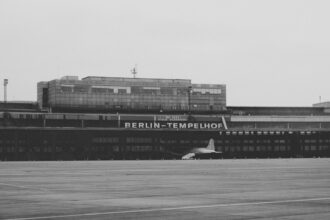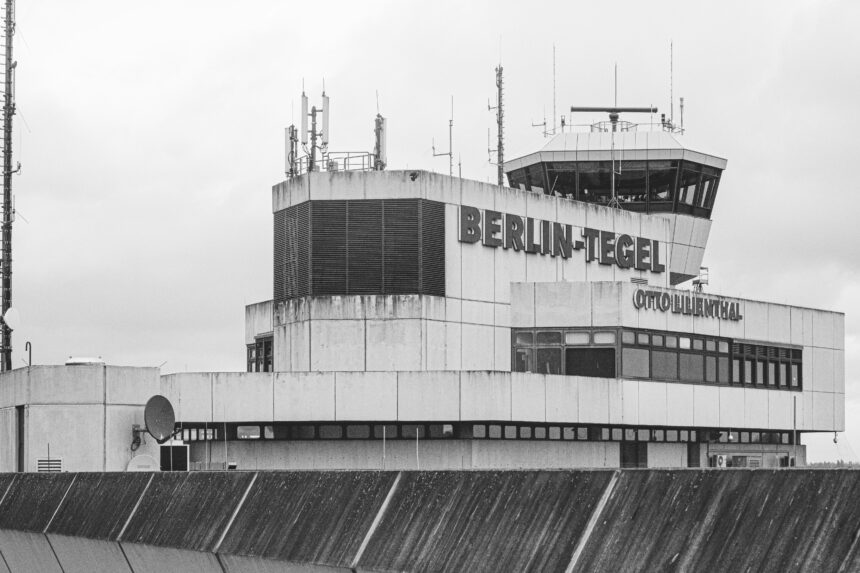
The hum of engines became the heartbeat of a beleaguered city. As the Soviet Union’s grip tightened around West Berlin, cutting off all land and water access in June 1948, the world watched with bated breath. The Allied powers, faced with the stark reality of starvation and potential capitulation, were confronted with an unprecedented logistical and humanitarian crisis. The Berlin Airlift, codenamed Operation Vittles by the Americans and Operation Plainfare by the British, was not merely an act of defiance; it was a monumental undertaking that demanded an almost impossible feat: prioritizing cargo in a way that kept an entire metropolis alive. This wasn’t simply about flying planes; it was about making agonizing choices, about the strategic deployment of precious resources, and about the indomitable spirit of those who fueled this extraordinary aerial bridge.
The seeds of the Berlin Blockade were sown in the complex post-war geopolitical landscape of Germany. Following World War II, the victorious Allied powers – the United States, the United Kingdom, France, and the Soviet Union – divided Germany and its capital, Berlin, into four occupation zones. While the Western Allies cooperated in their zones, fostering economic recovery and democratic institutions, the Soviet Union pursued a different agenda, increasingly isolating its zone and demonstrating its unwillingness to accept the integration of West Germany.
Economic Instability and Currency Reform
The immediate catalyst for the blockade was the introduction of the Deutsche Mark in the Western zones of Germany and West Berlin on June 20, 1948. This currency reform was a crucial step towards economic stabilization and the creation of a viable West German state, but it was perceived by the Soviets as a deliberate act of provocation, undermining their control and influence.
The Soviet Perspective: A Challenge to Control
From the Soviet perspective, the introduction of a new, unified currency in the Western zones represented a direct challenge to their authority and their vision for post-war Germany. They feared that this would solidify the division of Germany and further strengthen the Western powers’ foothold in Eastern Europe. The blockade was a blunt instrument, designed to force the Western Allies to abandon their plans for West Germany and to cede full control of Berlin to the Soviets.
The Western Allies’ Dilemma: Economic Recovery vs. Political Concessions
The Western Allies found themselves in a precarious position. They had invested significant resources in rebuilding their zones and fostering democratic ideals. Abandoning these efforts would be a betrayal of the West German population and a significant blow to their credibility on the global stage. However, the prospect of a protracted conflict or the potential for a military confrontation was equally unappealing. The blockade presented a stark choice: either concede to Soviet demands or find an alternative solution, one that bypassed the terrestrial chokehold.
The Strategic Importance of Berlin
Berlin, though situated deep within the Soviet zone, held immense symbolic and strategic importance. It was the former capital of Nazi Germany and a focal point for the competing ideologies of the Cold War. The Western Allies believed that abandoning West Berlin would signal weakness and embolden Soviet expansionism throughout Europe. The city was a vital outpost of democracy and freedom in the heart of Soviet-controlled territory.
A Symbol of Freedom
For the citizens of West Berlin, the city represented a beacon of hope and a stark contrast to the increasingly oppressive atmosphere in the Soviet sector. The Western presence was seen as a guarantee of their freedom and a bulwark against communist domination. The blockade threatened to extinguish this beacon, plunging millions into despair and under Soviet rule.
The Geopolitical Chessboard
From a geopolitical standpoint, Berlin was a critical piece on the Cold War chessboard. Its surrender would have been a significant victory for the Soviet Union, potentially shifting the balance of power in Europe and emboldening communist movements in other Western nations. The decision to hold Berlin, therefore, was not just about the welfare of its inhabitants; it was a crucial strategic imperative for the West.
The Berlin Airlift, a monumental operation during the Cold War, required meticulous cargo prioritization to ensure that essential supplies reached the people of West Berlin. For a deeper understanding of the logistical challenges and strategies employed during this critical period, you can explore a related article on this topic at In the War Room. This resource provides insights into the decision-making processes that shaped the airlift’s success and the broader implications for international relations at the time.
The Birth of the Airlift: An Audacious Solution
The initial response to the blockade was one of disbelief and a frantic search for viable solutions. Military options were considered, but the risk of escalating to a full-blown war was too great. It was then that the audacious idea of supplying an entire city by air began to take shape. This was not a theoretical exercise; it was a race against time, demanding an unprecedented scale of logistical planning and execution.
The Scale of the Challenge: Quantifying the Impossible
The sheer scale of the undertaking was staggering. West Berlin, with its population of over two million people, required an enormous daily influx of essential supplies – food, coal, medicine, and raw materials for industry. Initial estimates suggested that hundreds, if not thousands, of tons of cargo would need to be flown in daily to sustain the city.
Daily Necessities: Feeding a Metropolis
The most immediate concern was food. The blockade threatened to cut off the supply of fresh produce, meat, and other staples, leading to widespread hunger and malnutrition. The airlift had to ensure a consistent flow of these perishable goods, adding a layer of complexity to the logistical planning.
Fueling the City: The Lifeline of Coal
Coal was another critical commodity. West Berlin’s power plants relied heavily on coal for electricity and heating, especially as winter approached. The airlift had to be capable of transporting massive quantities of coal, a heavy and bulky cargo, in a continuous stream.
The Unlikely Heroes: The Pilots and Crew
The success of the Berlin Airlift rested on the shoulders of the pilots, navigators, mechanics, and ground crews who operated the aircraft. These men and women, often facing treacherous weather conditions and the constant threat of Soviet interference, became the lifeline of West Berlin. Their dedication, skill, and unwavering resolve were instrumental in overcoming the immense challenges.
Courage in the Cockpit
Pilots flew relentlessly, often in grueling conditions, navigating through narrow air corridors with limited visibility. The responsibility of delivering vital supplies, knowing that failure meant suffering for millions, weighed heavily on them, yet they performed their duties with extraordinary courage.
The Unseen Workforce: Ground Crews and Mechanics
Behind every successful flight was a dedicated team of ground crews and mechanics who worked tirelessly to load and unload aircraft, maintain planes, and ensure their readiness for the next mission. Their tireless efforts were the unseen backbone of the airlift, enabling the continuous flow of supplies.
Prioritizing Cargo: The Art of Survival

The Berlin Airlift was a triumph of logistics, but it was also a stark lesson in the brutal realities of resource allocation under extreme pressure. With limited aircraft capacity and an unending demand, the Allied powers had to make agonizing decisions about what to fly and in what quantities. Every pound of cargo mattered, and the prioritization of goods became a critical determinant of the airlift’s success and the survival of West Berlin.
The Hierarchy of Needs: From Basic Survival to Industrial Revival
The initial focus was, naturally, on meeting the most basic human needs. However, as the airlift progressed, the scope of prioritization broadened to encompass the long-term sustainability of the city.
The “Vital Few”: Food and Medicine
The absolute top priority was the provision of food and essential medicines. Starvation and disease were the most immediate threats, and ensuring a steady supply of these items was paramount. Diets were simple, often consisting of flour, potatoes, and powdered milk, but they were enough to keep the population alive.
Fueling the Future: Coal and Industrial Materials
Once basic survival was secured, the focus shifted to maintaining the city’s infrastructure and economy. Coal for power and heating was crucial, especially as winter loomed. Beyond that, raw materials for West Berlin’s industries were essential to prevent economic collapse and to maintain a sense of normalcy and hope among the population. This included materials for factories that produced essential goods and even components for the very aircraft that sustained them.
The Calculation of Every Pound: Efficiency and Optimization
Every flight, every plane, and every pound of cargo was meticulously calculated. The airlift was a dynamic operation, constantly adapting to changing needs and available resources. Efficiency and optimization were not mere buzzwords; they were the cornerstones of survival.
The “Candy Bombers”: Morale and Symbolism
While not strictly a “vital” cargo in the same vein as food or coal, the symbolic importance of certain items cannot be overstated. The story of Gail Halvorsen, the American pilot who dropped candy to children using makeshift parachutes, became an iconic symbol of the airlift. These small acts of kindness, though weighing little, had an immeasurable impact on the morale of the West Berliners and demonstrated the humanitarian spirit behind the operation.
The Challenge of Bulk and Weight: Coal vs. Perishables
The airlift faced the constant challenge of balancing the transport of heavy, bulky items like coal with the need for lighter, perishable goods like fresh produce. Different aircraft were utilized for different types of cargo, and meticulous scheduling was required to ensure that the most critical items arrived when they were needed most.
The Mechanics of the Airlift: Engineering a Miracle

The Berlin Airlift was a marvel of engineering and logistical ingenuity. The sheer volume of aircraft, the intricate air traffic control systems, and the efficient turnaround times at the airfields were testaments to human capability under immense pressure.
The Aircraft: Workhorses of the Sky
A diverse fleet of aircraft, primarily American C-47 Skytrains and C-54 Skymasters, alongside British Dakotas and Yorks, formed the backbone of the airlift. These were robust, reliable machines, capable of carrying significant payloads.
The C-47 Skytrain: The Reliable Workhorse
The C-47, a military version of the DC-3 airliner, was a familiar sight during World War II and proved to be an indispensable asset in Berlin. Its reliability and capacity for carrying essential goods made it a mainstay of the early airlift.
The C-54 Skymaster: The Heavy Lifter
The larger C-54, with its four-engine power, became the primary aircraft for heavier payloads, including coal and larger quantities of food. Its increased capacity allowed for more efficient transport of bulk goods.
Air Corridors and Air Traffic Control: Orchestrating the Skies
To manage the constant stream of aircraft, the Allies established three designated air corridors, narrow pathways through Soviet-controlled airspace that aircraft could use to reach Berlin. This required an unprecedented level of coordination and precise air traffic control.
The “Slightly-Too-Narrow” Corridors: Navigational Precision
The air corridors were deliberately kept narrow, a measure designed to limit Soviet interference. Flying through these corridors demanded exceptional navigational skill and constant vigilance from the pilots.
Ground Control: The Unseen Architects of Flow
On the ground, air traffic controllers worked around the clock, orchestrating the takeoffs and landings of hundreds of aircraft per day. Their ability to manage this complex ballet of aerial movement was crucial to the airlift’s success.
The Berlin Airlift was a remarkable operation that showcased the importance of cargo prioritization in times of crisis. For a deeper understanding of how logistical strategies were implemented during this historic event, you can read more in this insightful article on the subject. It highlights the challenges faced by airlift crews and the critical decisions made to ensure the delivery of essential supplies. To explore this further, check out the article here.
The Legacy of the Airlift: A Symbol of Resilience and Resolve
| Cargo Category | Prioritization Level |
|---|---|
| Food and Fuel | High |
| Medicine and Medical Supplies | High |
| Military Equipment | Medium |
| Non-essential Supplies | Low |
The Berlin Airlift officially ended on May 12, 1949, after 323 days. During this period, Allied aircraft had flown over 278,000 missions, delivering more than 2.3 million tons of supplies. The blockade had failed, and West Berlin, a symbol of freedom and defiance, had been saved.
A Humanitarian Triumph
The Berlin Airlift stands as one of the greatest humanitarian achievements in history. It demonstrated the power of international cooperation and the willingness of nations to go to extraordinary lengths to support those in need.
A Political Victory
Politically, the airlift was a resounding victory for the Western Allies. It showcased their resolve and their commitment to defending democratic values against Soviet aggression. The success of the airlift significantly bolstered the morale of West Germans and strengthened the Western alliance.
A Lasting Symbol
The Berlin Airlift became a powerful symbol of resilience, determination, and the indomitable human spirit. It cemented the bond between the people of West Berlin and the Allied nations, a bond that endures to this day. The stories of the pilots, the sacrifices made, and the ingenuity displayed continue to inspire, a testament to what can be achieved when humanity prioritizes life and liberty against overwhelming odds. The challenge of prioritizing cargo was not just a logistical puzzle; it was a moral imperative, and its successful resolution resounded through history.

How 90 Seconds Kept 2 Million People Alive
FAQs
What was the Berlin Airlift?
The Berlin Airlift was a massive operation conducted by the Western Allies to supply West Berlin with food, fuel, and other necessities after the Soviet Union blockaded the city in 1948.
How was cargo prioritized during the Berlin Airlift?
Cargo during the Berlin Airlift was prioritized based on the essential needs of the people in West Berlin. Food, coal, and medical supplies were given the highest priority, followed by other necessities such as clothing and building materials.
What factors influenced cargo prioritization during the Berlin Airlift?
The main factors that influenced cargo prioritization during the Berlin Airlift were the basic needs of the population in West Berlin, the availability of supplies, and the capacity of the airlift operation to transport and deliver the necessary goods.
How did the prioritization of cargo impact the success of the Berlin Airlift?
The prioritization of cargo based on essential needs played a crucial role in ensuring the success of the Berlin Airlift. By focusing on delivering vital supplies such as food and fuel, the operation was able to sustain the population of West Berlin and demonstrate the determination of the Western Allies to support the city.
What was the significance of cargo prioritization during the Berlin Airlift?
Cargo prioritization during the Berlin Airlift was significant as it demonstrated the strategic planning and coordination of the Western Allies to effectively manage the delivery of essential supplies to a population under blockade. It also highlighted the humanitarian commitment of the Allies to support the people of West Berlin during a critical time.