
Uncovering Black American ancestry is a deeply rewarding, yet often complex, journey. The historical context of slavery, systemic discrimination, and disrupted record-keeping presents unique challenges for researchers. However, with persistent dedication and the right strategies, it is possible to piece together the rich tapestry of Black American heritage. This article explores effective genealogy research techniques specifically tailored for Black American family history, guiding individuals from initial steps to more advanced investigations.
Navigating the Early Hurdles: The Slave Era and Its Aftermath
The foundation of Black American genealogy research often lies in navigating the profound impact of slavery. For centuries, enslaved individuals were denied legal personhood, their names were often Anglicized or changed, and family units were frequently fractured through sale. This historical reality means that records from before emancipation can be particularly scarce and challenging to interpret. Understanding the societal structures and legal frameworks of the time is crucial for deciphering the limited documentation available.
The Crucial Starting Point: Gathering Known Information
Before embarking on a deep dive into historical records, the most vital first step is to meticulously gather all information already known within the family. This involves interviewing older relatives, collecting family Bibles, letters, photographs, obituvers, and any other documents that might contain names, dates, places, or relationships. Even seemingly insignificant details can provide invaluable clues. Encourage family members to share their stories and memories, as oral histories can offer a unique perspective and fill gaps where written records are absent. Create a family tree, even if it’s just a starting point with a few generations, to visually organize this information and identify areas where further research is needed.
Deciphering Slave Records: A Challenging but Essential Task
While direct genealogical records for enslaved people are rare, indirect sources can provide glimpses into their lives. Plantation records, such as plantation inventories, slave schedules, and manumission papers, sometimes list enslaved individuals by first name or by familial relationships. These records can be found in archival collections, historical societies, and online databases. Court records related to slave sales, wills that mention enslaved individuals as property, and newspaper advertisements for runaway slaves or slaves for sale can also yield fragments of information. It is important to approach these records with an understanding of the dehumanizing language and context in which they were created.
The Significance of the Post-Emancipation Era
The period immediately following the Civil War, known as Reconstruction, marked a significant shift in the availability of genealogical records for Black Americans. With the attainment of freedom, many individuals began to formally document their lives. This era saw the creation of new legal documents such as marriage certificates, birth and death records, and the establishment of surnames. Understanding the social and political landscape of Reconstruction is key to interpreting these records, as former slaves often chose new surnames, sometimes based on their former enslaver, a place, or a chosen aspirational name.
For those interested in delving deeper into Black American genealogy research, a valuable resource can be found in the article titled “Tracing African American Ancestry: Tips and Resources” on In The War Room. This article provides insightful guidance on navigating the complexities of genealogical research specific to Black Americans, including tips on utilizing historical records and community resources. You can read the article here: Tracing African American Ancestry: Tips and Resources.
Unlocking the Past: Key Record Types and Research Strategies
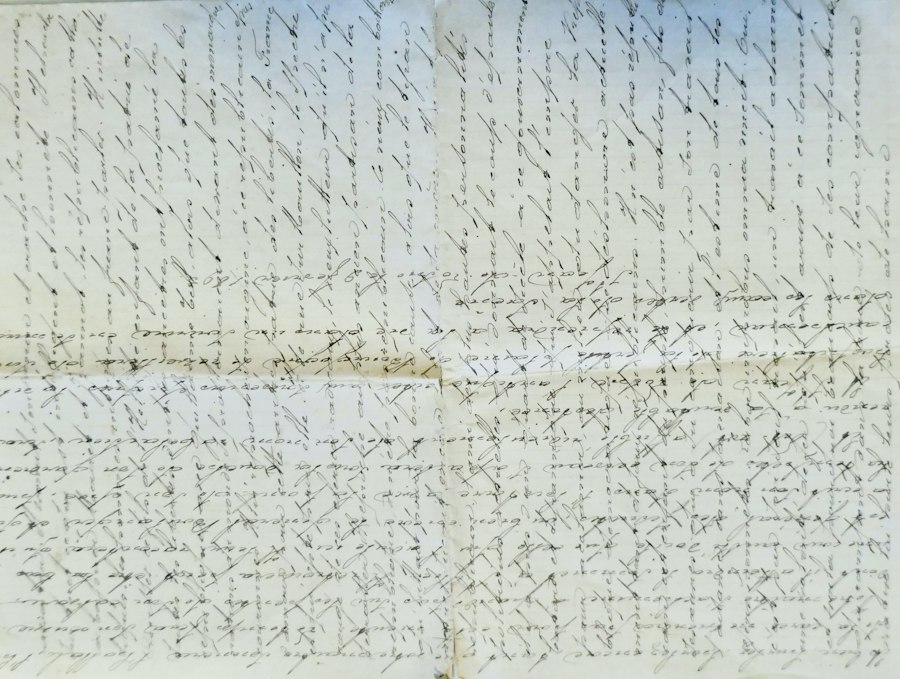
Once the initial family information is gathered, the next phase involves delving into historical records. The types of records available and the strategies for accessing them are critical to success. Recognizing the limitations and biases within these records is paramount.
Vital Records: The Cornerstones of Family History
Vital records—birth, marriage, and death certificates—are the bedrock of genealogical research. For Black Americans, the availability of these records varies significantly by state and time period. Following emancipation, many Southern states began to register vital events. However, in some areas, particularly during periods of Jim Crow segregation, these records may be incomplete, inaccurate, or difficult to access for Black individuals. Local county courthouses, state vital records offices, and online databases like Ancestry.com, FamilySearch, and Findmypast are crucial resources for obtaining these documents. Pay close attention to details such as parents’ names, occupations, and places of residence, as these can provide leads for further investigation.
Census Records: A Snapshot of Family Life
Census records, taken every ten years in the United States, offer invaluable snapshots of families at specific points in time. For Black Americans, census records are particularly important before and after emancipation. The 1850 and 1860 censuses are the first to list individuals by name, though enslaved people were often listed only as numbers in the slave schedules. The post-emancipation censuses, starting in 1870, become much more useful, providing names, ages, occupations, places of birth, and relationships within households. Researchers should meticulously examine each census year, looking for family members and comparing information across different decades to track migrations and family changes. Be aware of potential errors in transcription or data entry, and cross-reference information with other sources.
Land and Property Records: Tracing Economic Footprints
Land and property records can offer insights into the economic lives and movements of Black Americans, especially after emancipation. Freedmen often sought to own land, and their acquisition or sale of property would be recorded in deeds, mortgages, and tax records. These documents can reveal family connections through shared land ownership or inheritance, and can also indicate migration patterns as individuals bought or sold property in different locations. Examining courthouse records for deeds and property transactions in areas where your ancestors lived can be a fruitful avenue of research.
Military Service Records: Uncovering Paths to Freedom and Citizenship
Military service, particularly during the Civil War, played a pivotal role in the lives of many Black Americans. The U.S. Colored Troops (USCT) fought bravely for the Union, and their service records can provide a wealth of genealogical information, including enlistment details, physical descriptions, and sometimes even next of kin. Records of veterans, including pension files, can offer detailed narratives about their lives, family members, and wartime experiences. The National Archives and Records Administration (NARA) is the primary repository for these records, and many are now digitized and accessible online.
Beyond the Obvious: Specialized Research Avenues
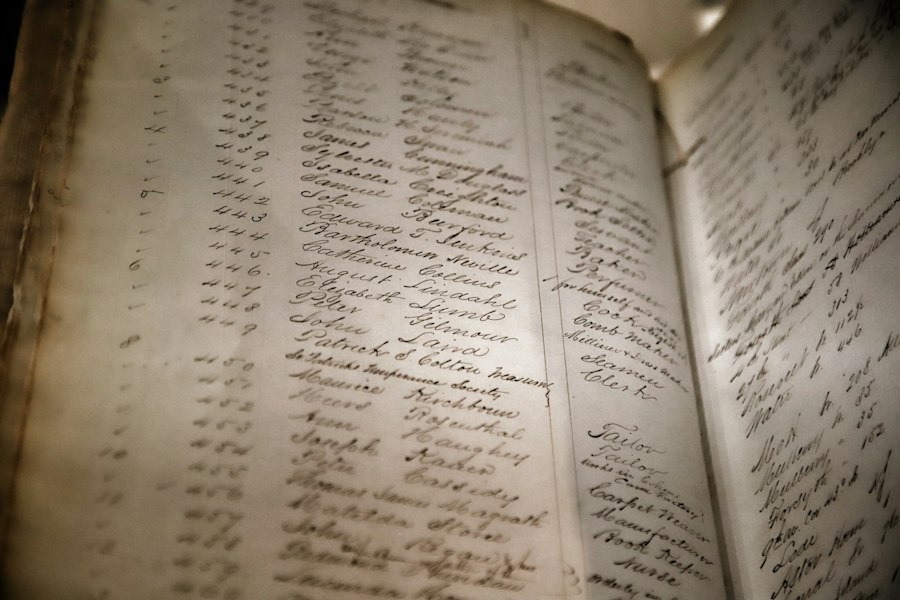
When standard record types yield limited results, or when seeking deeper insights, specialized research avenues become essential. These methods often require a nuanced understanding of historical context and a willingness to explore less conventional sources.
Church and Cemetery Records: Faith and Final Resting Places
Churches have long been central to Black American communities, serving as centers of spiritual, social, and educational life. Church records, such as baptismal registers, membership lists, and marriage records, can provide valuable genealogical data, especially for periods when vital records were not consistently kept. Similarly, cemetery records, including burial registers and tombstone inscriptions, can confirm dates of death and provide information about family relationships, with family plots often indicating kinship. Many historic Black churches and cemeteries maintain their own archives, and some records may be held by local historical societies or genealogical organizations.
Newspapers and Obituaries: Echoes of Daily Life
Old newspapers and obituaries are rich repositories of personal histories. Obituaries, in particular, often list surviving family members, birth and death dates, and places of residence, serving as mini-biographies. Local newspapers from the areas where your ancestors lived can also contain articles about marriages, births, deaths, social events, and even court proceedings, offering a glimpse into their daily lives and community involvement. Many historical newspapers have been digitized and are searchable through online databases, university archives, and the Library of Congress’s Chronicling America project.
African American Historical and Genealogical Society Resources
Numerous African American historical and genealogical societies exist at national, state, and local levels. These organizations are dedicated to preserving Black history and assisting individuals with their research. They often maintain specialized collections, offer educational workshops, and have knowledgeable members who can provide guidance and support. Engaging with these societies can unlock access to unique resources and connect you with others who are researching similar family lines or geographical areas.
DNA Testing and Genetic Genealogy: Complementing Traditional Research
In recent years, DNA testing has emerged as a powerful tool to complement traditional genealogical research. Companies like AncestryDNA, 23andMe, and MyHeritage offer autosomal DNA tests that can reveal ethnic origins and connect individuals with living relatives who share common ancestors. For Black Americans, DNA testing can be particularly helpful in identifying African ancestral origins and potentially breaking through brick walls where historical records are scarce or difficult to interpret. It is important to remember that DNA results are not a substitute for traditional research but rather a valuable supplement that can provide new leads and confirm existing findings.
Overcoming the Brick Walls: Strategies for Difficult Journeys
Genealogy research is rarely a straight line; it often involves encountering “brick walls”—points where progress seems to halt due to missing information or insurmountable obstacles. For Black American ancestry research, these challenges can be amplified by historical circumstances.
The Power of Collaboration and Networking
Connecting with other researchers is invaluable. Sharing your research with online forums, social media groups dedicated to Black genealogy, and historical societies can lead to unexpected discoveries. Another researcher may have already encountered the same brick wall and found a solution, or they might possess a document or piece of information that can help you. Be open to sharing your findings and asking for assistance; the collaborative spirit within the genealogy community can be a powerful force.
Utilizing Professional Genealogists and Record Finders
When faced with particularly challenging brick walls, consider engaging the services of a professional genealogist or a record finder. Professionals specializing in African American genealogy have extensive knowledge of historical records, research methodologies, and archival resources. They can dedicate focused time and expertise to your research, potentially uncovering information that might remain elusive through self-directed efforts.
Thinking Creatively About Record Sources
Sometimes, the key to breaking down a brick wall lies in looking beyond the most obvious record types. Consider less conventional sources such as:
- Probate Records: While often associated with property, probate records can sometimes mention family members and relationships.
- Immigration and Naturalization Records: If your ancestors immigrated to the U.S. or later became naturalized citizens, these records can offer valuable biographical details.
- Court Records: Beyond property disputes, court records can involve criminal cases, divorce proceedings, and other matters that might shed light on family dynamics and individuals.
- Business and Professional Directories: If your ancestors were business owners or professionals, these directories can confirm their presence in a location and provide clues about their activities.
- School Records: Especially for children, school enrollment records can provide names, ages, and parent information.
The key is to be persistent, creative, and to never underestimate the value of even the smallest piece of information.
For those interested in exploring the rich history of Black American genealogy research, a valuable resource can be found in a related article that delves into the challenges and triumphs faced by researchers in this field. This article provides insights into various methodologies and resources available for uncovering ancestral connections. You can read more about these important topics by visiting this informative page, which offers guidance and support for anyone embarking on their genealogical journey.
Preserving and Sharing Your Legacy: The Ongoing Journey
| Metric | Description | Value/Statistic | Source/Notes |
|---|---|---|---|
| Percentage of African Americans with documented genealogy | Estimated portion of Black Americans who have traced their family history beyond 3 generations | Approximately 30% | Based on surveys from genealogy organizations |
| Common challenges in research | Primary obstacles faced in Black American genealogy research | Slave records gaps, name changes, lack of documentation | Historical context and archival limitations |
| Popular genealogy resources | Top databases and archives used for Black American genealogy | Freedmen’s Bureau Records, 1870 Census, Slave Schedules, DNA testing | Widely recommended by genealogists |
| Use of DNA testing | Percentage of Black Americans using DNA tests for genealogy | Over 50% | Reflects growing popularity of genetic genealogy |
| Average time to complete a family tree | Typical duration to build a 5-generation family tree for Black Americans | 6-12 months | Varies based on available records and research experience |
| Number of genealogy societies focused on Black American heritage | Organizations dedicated to African American genealogy research | 50+ | Includes local and national groups |
Uncovering Black American ancestry is not merely about finding names and dates; it’s about understanding the resilience, contributions, and rich cultural heritage of those who came before. The journey of discovery is ongoing, and sharing your findings is an integral part of honoring your ancestors.
Documenting and Organizing Your Research
As you gather information, meticulous documentation and organization are essential. Use genealogy software or a robust system of binders and files to keep track of your sources, citations, and findings. Clearly label all documents and photographs. This not only helps you stay organized but also ensures that the information you find is verifiable and can be easily shared with future generations. Accurate citations are crucial for maintaining the integrity of your research.
Sharing Your Discoveries with Family and Community
Once you have made significant discoveries, share them with your family. Organize family reunions, create presentations, or compile a family history book. This act of sharing not only educates younger generations about their heritage but also fosters a deeper sense of connection and belonging. Consider sharing your findings with local historical societies or African American genealogical groups, as your discoveries may be of interest to others researching similar family lines or communities.
Contributing to the Broader African American Historical Narrative
By diligently researching and sharing your findings, you contribute to the broader understanding and preservation of African American history. Each family story adds a vital thread to the intricate tapestry of the Black experience in America. Your research can help to correct historical inaccuracies, bring forgotten individuals to light, and celebrate the enduring strength and legacy of Black ancestors. The pursuit of Black American ancestry is a powerful act of remembrance, connection, and cultural affirmation.
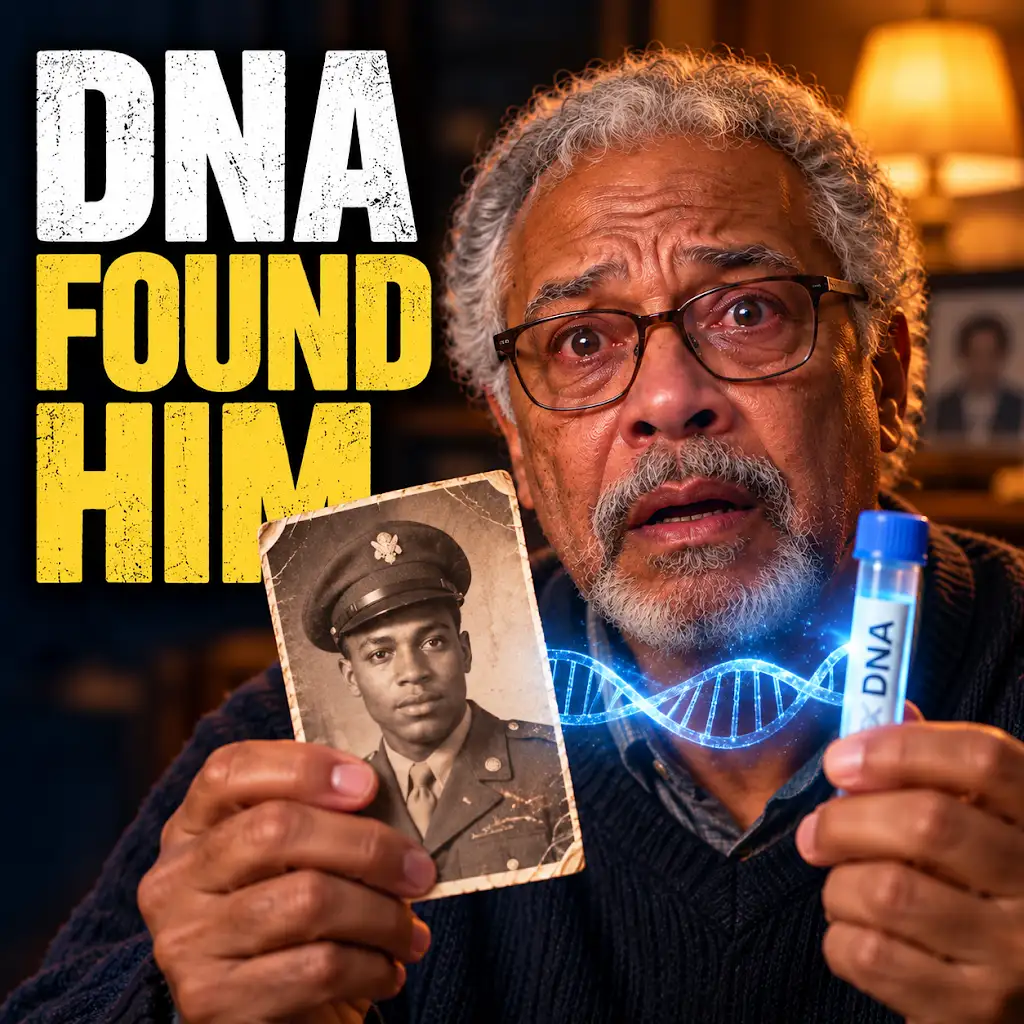
His WWII GI Father Was a Mystery for Nearly 80 Years
FAQs
What is Black American genealogy research?
Black American genealogy research is the process of tracing and documenting the ancestry and family history of individuals who identify as Black or African American. This type of research often involves exploring historical records, such as census data, birth and death certificates, and slave records, to uncover information about one’s ancestors.
What are some common challenges in Black American genealogy research?
Some common challenges in Black American genealogy research include limited access to historical records due to slavery and segregation, name changes over time, and the lack of detailed documentation for enslaved individuals. Additionally, the destruction of records during the Civil War and natural disasters can make it difficult to trace lineage.
What resources are available for Black American genealogy research?
There are several resources available for Black American genealogy research, including online databases such as Ancestry.com and FamilySearch.org, as well as specialized archives and libraries that focus on African American history. Organizations like the Afro-American Historical and Genealogical Society also provide valuable resources and support for researchers.
How can DNA testing help with Black American genealogy research?
DNA testing can be a valuable tool for Black American genealogy research, as it can help individuals identify genetic relatives, confirm ancestral connections, and uncover information about their ethnic origins. Companies like 23andMe and AncestryDNA offer DNA testing kits that can provide insights into one’s genetic heritage.
What are some tips for getting started with Black American genealogy research?
Some tips for getting started with Black American genealogy research include talking to older family members to gather information, documenting oral histories, and creating a family tree. It’s also important to research local archives and historical societies, as well as to be patient and persistent in the search for records and information.