Assignment authority for Delta Force missions represents a critical, multi-layered process that underscores the immense responsibility and selectivity inherent in deploying one of the United States’ most elite counter-terrorism and special operations units. This authority is not a monolithic entity but rather a complex web of considerations, culminating in the final approval for operations that often carry profound national security implications. The very nature of Delta Force’s mission set—high-risk, clandestine operations against some of the world’s most dangerous adversaries—necessitates a rigorous and carefully controlled authorization framework. This framework ensures that deployment is not only justified but also strategically sound, legally compliant, and executed with the utmost precision and minimized risk.
The initiation of a Delta Force mission typically stems from a perceived or confirmed threat to United States interests, personnel, or allies. These threats can manifest in various forms, ranging from the hostage-taking of American citizens abroad to the disruption of critical infrastructure by extremist groups, or the need to neutralize high-value terrorist targets. The process of identifying these needs is an ongoing, intelligence-driven endeavor, involving a multitude of agencies and the meticulous analysis of a vast array of information.
Intelligence Gathering and Assessment
The foundational element for any potential Delta Force operation is robust and reliable intelligence. This intelligence is not passively received but actively cultivated through a global network of human sources, signals intelligence, imagery intelligence, and open-source information.
Human Intelligence (HUMINT)
HUMINT remains a cornerstone of intelligence gathering, providing direct insights into the plans, intentions, and capabilities of hostile actors. This involves a dedicated cadre of intelligence professionals and operatives who cultivate relationships with individuals possessing firsthand knowledge of relevant threats. The information gleaned from HUMINT can be crucial in identifying specific targets, understanding their operational environments, and assessing their vulnerabilities.
Signals Intelligence (SIGINT)
SIGINT encompasses the interception and analysis of communications and electronic signals. This can include intercepted phone calls, emails, radio transmissions, and other forms of electronic communication. Advanced technological capabilities allow for the collection and decryption of vast amounts of data, which can then be analyzed to identify patterns, understand command structures, and detect impending threats.
Imagery Intelligence (IMINT)
IMINT, derived from satellite imagery, aerial reconnaissance, and drone surveillance, provides crucial visual information about potential targets, their locations, and their operational infrastructure. This intelligence can be used to map out operational areas, identify defensive measures, and assess the feasibility of various insertion and extraction methods.
Open-Source Intelligence (OSINT)
In the modern information age, OSINT plays an increasingly vital role. This involves the collection and analysis of publicly available information, such as news reports, social media, academic publications, and government documents. While seemingly less sensitive, OSINT can often provide valuable context, corroborate other intelligence streams, and identify emerging trends or narratives that might indicate evolving threats.
Threat Assessment and Prioritization
Once potential threats are identified, they undergo a rigorous assessment process to determine their severity, imminence, and relevance to U.S. national security. This involves evaluating the capabilities of the threat actors, the potential impact of their actions, and the likelihood of their success.
Likelihood and Impact Analysis
Threat assessments meticulously analyze the probability of a threat materializing and the potential consequences if it does. This involves considering factors such as the resources available to the threat group, their demonstrated operational capacity, and their stated objectives. The impact is then evaluated in terms of potential loss of life, damage to critical infrastructure, or disruption of vital U.S. interests.
Strategic Alignment
The identified threat must also align with broader U.S. foreign policy objectives and national security strategies. Missions are not undertaken in a vacuum but are designed to contribute to overarching strategic goals, whether it be counter-terrorism, deterring aggression, or protecting allies.
Delta Force, officially known as the 1st Special Forces Operational Detachment-Delta, is a highly specialized unit of the U.S. Army that undertakes critical missions, often shrouded in secrecy. The assignment of missions to Delta Force is typically overseen by high-ranking officials within the Department of Defense, including the Secretary of Defense and the Joint Chiefs of Staff, who assess national security needs and operational priorities. For a deeper understanding of the complexities involved in mission assignments and the operational framework of elite military units, you can read more in this related article: here.
The Role of Joint Special Operations Command (JSOC)
The Joint Special Operations Command (JSOC) serves as the overarching command and control element for some of the U.S. military’s most specialized units, including Delta Force. Within JSOC, the process of developing and preparing a mission for authorization becomes increasingly granular and sophisticated.
Mission Planning and Development
Once a threat is deemed sufficiently serious and aligned with national objectives, JSOC initiates the detailed planning and development phase for a potential Delta Force operation. This involves a multidisciplinary team of experts from various special operations components, intelligence agencies, and supporting elements.
Operational Concept Development
At this stage, the focus shifts to crafting a viable operational concept. This involves defining the precise objectives of the mission, identifying the specific targets, and outlining the desired end-state. The planning team considers various operational approaches, taking into account factors such as the operational environment, the enemy’s likely response, and the available resources.
Risk Assessment and Mitigation
A crucial element of mission planning is a comprehensive and iterative risk assessment. Every conceivable risk, from operational execution to potential political fallout, is identified, analyzed, and mitigated to the greatest extent possible. This involves developing contingency plans for a wide array of scenarios.
Resource Allocation and Support Requirements
The planning process also meticulously details the resources required for the mission. This includes personnel, equipment, logistical support, medical support, and specialized technical capabilities. Ensuring seamless integration and availability of these resources is paramount.
Interagency Coordination and Consultation
JSOC’s planning process is not conducted in isolation. It involves extensive coordination and consultation with other government agencies, including the Department of Defense, the Department of State, the intelligence community, and potentially the Department of Justice.
Intelligence Community Briefings
Regular briefings are provided to key intelligence community leaders to ensure ongoing awareness of the threat and the developing operational concept. This allows for continuous feedback and refinement of intelligence requirements.
Diplomatic and Political Consultation
Where appropriate, diplomatic and political considerations are integrated into the planning process. This may involve consultation with the U.S. embassy in the relevant country, as well as with foreign partners who may have a vested interest in the operation.
The Apex of Authority: Presidential and National Security Council Approval
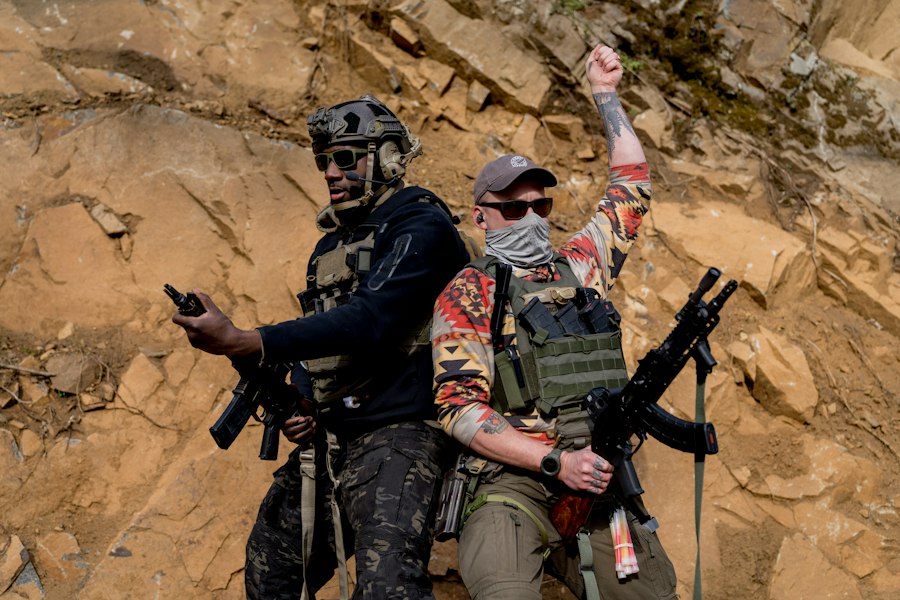
The ultimate authority for authorizing a Delta Force mission rests at the highest echelons of the U.S. government, typically involving the President of the United States and the National Security Council (NSC). The gravity of deploying Delta Force, with its inherent risks and potential geopolitical ramifications, necessitates this level of oversight.
The Role of the President
As Commander-in-Chief, the President holds the ultimate decision-making authority for authorizing the deployment of U.S. military forces, including specialized units like Delta Force, for operations abroad. This decision is made based on extensive briefings, recommendations, and consultations.
National Security Council (NSC) Deliberations
The National Security Council is a principal forum for discussing national security and foreign policy issues, and it plays a pivotal role in the decision-making process for high-stakes operations.
NSC Principals Committee Meetings
The NSC Principals Committee, comprising senior cabinet officials and national security advisors, would convene to thoroughly review the proposed Delta Force mission. This would involve in-depth discussions on the intelligence assessments, the operational plan, the potential risks and benefits, and the legal and political implications. The Secretary of Defense, the Director of National Intelligence, the Secretary of State, and other relevant principals would present their assessments and recommendations.
NSC Deputies Committee Meetings
Prior to Principals Committee meetings, the NSC Deputies Committee, composed of senior representatives from various agencies, would conduct more detailed reviews and prepare recommendations for the Principals. This ensures that all relevant interagency perspectives are considered and that potential issues are thoroughly vetted before reaching the highest level.
Legal and Policy Frameworks
The authorization process is not solely based on strategic imperatives but is also bound by a complex legal and policy framework. This ensures that all operations are conducted in accordance with domestic and international law, as well as U.S. policy objectives.
Posse Comitatus Act Considerations
While Delta Force operates under specific exemptions, the underlying principles of the Posse Comitatus Act, which generally restricts the use of the military for domestic law enforcement, inform the careful consideration of civilian engagement and the distinction between military and law enforcement functions. However, for overseas counter-terrorism missions, these restrictions are not typically the primary hurdle.
Use of Force Authorization
Any Delta Force operation would fall under broader authorizations for the use of military force, such as those granted by Congress through Authorizations for Use of Military Force (AUMFs) or specific presidential directives. The legal justification for the operation is meticulously examined.
International Law and Sovereignty
Operations conducted outside of U.S. territory must also adhere to international law, including principles of state sovereignty. This can involve obtaining consent from the host nation, operating under international mandates, or justifying actions under international legal frameworks related to self-defense or the suppression of terrorism.
Operational Approval and Execution
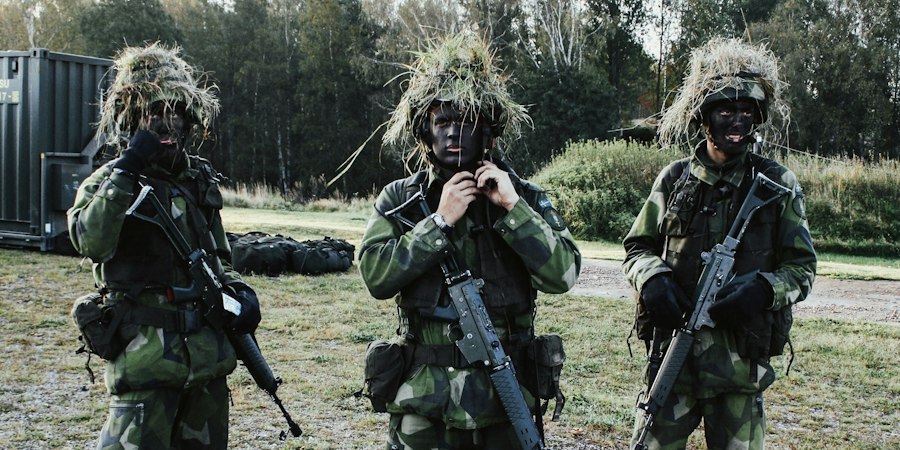
Once the highest levels of government have approved a Delta Force mission, the operational approval process moves into its final stages, leading to execution by the highly trained operators.
Commander’s Intent and Rules of Engagement (ROE)
The Commander of JSOC, or a designated subordinate commander, will receive the President’s or Secretary of Defense’s intent for the mission. This intent is then translated into detailed orders, including precise Rules of Engagement (ROE).
Defining Mission Objectives and Constraints
ROE define the parameters within which Delta Force operators can use force. They are meticulously crafted to align with the mission objectives while minimizing collateral damage and adhering to legal and ethical standards. This includes specifying when and against whom force may be used, and the level of force permissible.
Minimizing Collateral Damage
A paramount consideration in Delta Force operations is the minimization of harm to non-combatants and civilian infrastructure. ROE are designed to reflect this commitment, and operators undergo extensive training to ensure adherence.
Deployment and Mission Execution
With the mission authorized and ROE established, Delta Force operators are briefed and deployed to execute the operation. The clandestine nature of these missions means that much of the execution phase is shrouded in secrecy.
Clandestine Insertion and Operations
Delta Force operators are trained for a variety of clandestine insertion methods, from airborne operations to maritime and ground infiltrations. Their ability to operate undetected is a critical factor in mission success.
Adaptability and Contingency Management
Despite meticulous planning, real-world operations often present unforeseen challenges. Delta Force operators are renowned for their adaptability and their ability to manage rapidly evolving situations, making real-time decisions within the framework of their ROE and commander’s intent.
Post-Mission Assessment and Debriefing
Following the execution of a mission, a thorough post-mission assessment and debriefing process takes place. This is crucial for evaluating the mission’s success, identifying lessons learned, and informing future operations.
Operational Effectiveness Review
The mission’s effectiveness is assessed against its stated objectives. This includes evaluating the success of direct action, intelligence gathering, or any other mission parameters.
Lessons Learned and Future Planning
The debriefing process is instrumental in capturing valuable lessons learned from the operation. This information is fed back into JSOC’s planning and training cycles to continuously improve the effectiveness and efficiency of future Delta Force missions.
The assignment of missions to Delta Force, one of the most elite special operations units in the United States military, is a complex process that involves various levels of command and intelligence assessments. Typically, the responsibility falls to high-ranking officials within the Department of Defense, who evaluate threats and determine the necessity of deploying such specialized forces. For a deeper understanding of the intricacies behind these assignments, you can explore a related article on the topic at In the War Room, which delves into the strategic decisions that guide Delta Force operations.
The Significance of Stringent Assignment Authority
| Role | Description | Authority Level | Typical Responsibilities |
|---|---|---|---|
| Joint Special Operations Command (JSOC) | Oversees special operations forces including Delta Force | High | Assigns missions, coordinates operations, and manages tasking |
| U.S. Special Operations Command (USSOCOM) | Unified command for all special operations forces | Very High | Provides strategic directives and mission priorities |
| National Command Authority (NCA) | President and Secretary of Defense | Highest | Authorizes critical missions and overall military strategy |
| Combatant Commanders | Commanders of geographic or functional combatant commands | High | Request and approve missions within their area of responsibility |
The elaborate and rigorous assignment authority process for Delta Force missions is not merely bureaucratic red tape. It is a fundamental safeguard, reflecting the immense capabilities and responsibilities entrusted to this elite unit.
Upholding National Security and Interests
The stringent authorization process ensures that Delta Force is only deployed when national security interests are genuinely at stake and when less extreme measures are insufficient. This prevents the unit’s capabilities from being misused or squandered on operations that do not align with strategic priorities.
Minimizing Risk and Ensuring Accountability
By requiring high-level approval, the process inherently includes a thorough vetting of risks. This ensures that potential consequences, both human and political, are carefully considered and that the decision-makers are accountable for the deployment of highly trained and potentially lethal forces.
Maintaining Public Trust and Legitimacy
While Delta Force operates in secrecy, the underlying principles of oversight and accountability contribute to maintaining public trust in the responsible use of military power. Knowing that such critical deployments are subject to the highest levels of review provides a degree of assurance.
The Ethical Dimension
Ultimately, the assignment authority for Delta Force missions underscores the profound ethical considerations inherent in the use of force. It ensures that decisions to deploy forces capable of lethal action are made with the utmost deliberation, informed by intelligence, strategic necessity, and a deep respect for human life and the laws of armed conflict. The weight of authorization rests not just on the strategic imperative but also on the moral justification for such profound actions.
Why SEAL Team Six Got the Bin Laden Raid — Not Delta Force
FAQs
1. Who assigns missions to Delta Force?
Delta Force missions are typically assigned by the Joint Special Operations Command (JSOC) in coordination with other government agencies.
2. What factors are considered when assigning missions to Delta Force?
When assigning missions to Delta Force, factors such as national security priorities, intelligence assessments, and operational capabilities are taken into consideration.
3. Can Delta Force missions be assigned by other entities besides JSOC?
While JSOC is the primary entity responsible for assigning missions to Delta Force, missions can also be assigned by other government agencies such as the CIA or the Department of Defense.
4. How are Delta Force missions planned and executed?
Delta Force missions are meticulously planned by a team of special operations experts, intelligence analysts, and military strategists. The execution of missions involves highly trained Delta Force operators carrying out the objectives with precision and efficiency.
5. Are Delta Force missions classified?
Yes, Delta Force missions are classified and details about specific missions are typically not disclosed to the public due to the sensitive nature of their operations.