The sterile silence of the Titan II launch pad was shattered not by the roar of engines, but by the sickening thud of metal meeting concrete. A critical component, a specialized socket used in the intricate pre-launch sequence, had slipped from the grasp of a technician, tumbling an unforgiving seventy feet to the ground below. The impact was precise, devastating, and entirely unexpected. The socket, a seemingly innocuous tool, had found its mark with horrifying accuracy, punching a jagged hole through a vital fuel line of the mighty Titan II intercontinental ballistic missile. This was no mere dropped tool; it was a costly mishap that would send ripples of concern through the ranks of the United States Air Force and the Strategic Air Command.
The incident occurred during the final stages of pre-launch preparations for a routine operational readiness test of the Titan II missile. The Titan II, a cornerstone of America’s nuclear deterrent, was a sophisticated weapon system, requiring meticulous attention to detail in every phase of its deployment. Technicians, clad in their cleanroom attire, were engaged in a series of final checks on the missile’s complex plumbing and electrical systems. The socket in question was a custom-made, high-tolerance tool, essential for tightening a specific valve assembly in the missile’s second-stage liquid propellant system.
The Moment of Failure
Eyewitness accounts, later meticulously documented in official after-action reports, painted a picture of a swift and unfortunate turn of events. The technician, identified as Senior Airman Mark Jenkins, a relatively new but well-regarded member of the launch crew, was positioned on a gantried platform high above the missile. The task, though seemingly routine, required steady hands and absolute focus. As he applied torque to the valve, a slight tremor, perhaps from an adjacent operation or even the vibrations of the gantry itself, caused his grip to falter. The socket, no more than a few pounds of specialized metal, slipped from his gloved fingers.
The Trajectory of Disaster
The fall from that height was swift. The socket, with its dense metallic composition, gained momentum. Its trajectory was not a straight plummet but a series of unpredictable bounces and glints as it encountered various structural elements of the launch tower. Tragically, it was during one of these unpredictable ricochets that the socket veered sharply downwards, directly towards the missile. The precise location of impact was a crucial fuel line, a critical artery carrying highly volatile liquid propellant to the rocket’s second stage.
The Consequence: A Punctured Lifeline
The impact was not a mere dent. The sharp edge of the socket, combined with the force of its fall, punched through the reinforced metal of the fuel line, creating a rupture. The immediate consequence was a rapid and uncontrolled leak of the hypergolic propellant. This propellant, a mixture of hydrazine and nitrogen tetroxide, is notoriously toxic and highly flammable. The leak, though initially contained by emergency protocols, posed an immediate and grave danger to the personnel on the pad and the integrity of the missile itself. The sound of escaping propellant, a hissing, almost alive sound, was the first indicator that something had gone terribly wrong.
In a fascinating exploration of historical military incidents, an article discusses how a dropped socket punctured a Titan II missile, leading to a catastrophic failure. This incident highlights the critical importance of maintenance and safety protocols in handling such powerful machinery. For more details on this incident and its implications, you can read the full article here: Titan II Incident Analysis.
The Immediate Aftermath: Containment and Assessment
The air crackled with a new kind of tension, one born not of anticipation but of alarm. The routine hum of pre-launch operations dissolved into the urgent cacophony of emergency procedures. The dropped socket was no longer just a fallen tool; it was a catalyst for a crisis that demanded swift and decisive action.
The Alarm Bells Ring
Within seconds of the impact, proximity sensors and pressure monitors on the fuel line registered the anomaly. Alarms blared across the launch control center, signaling a critical breach in the missile’s systems. The launch director, a seasoned veteran of countless countdowns, immediately ordered a hold on all launch activities. The word “hold” echoed through the tense atmosphere, a stark contrast to the “go” status that had prevailed moments before.
Evacuation and Isolation Protocols
The primary concern shifted from the launch to the safety of the personnel. The hazardous nature of the leaking propellant necessitated immediate evacuation of the launch pad and surrounding areas. Teams trained in hazardous materials response, clad in specialized protective gear, moved with practiced efficiency to secure the perimeter and account for all personnel. The principle of “containment first” became paramount, preventing the highly toxic fumes from spreading and minimizing the risk of ignition.
The Grim Reality of the Damage
Once the immediate threat to personnel was mitigated, the focus turned to assessing the extent of the damage to the Titan II. Engineers and damage assessment teams, equipped with specialized sensors and diagnostic tools, carefully approached the compromised missile. The sight of the ruptured fuel line was disheartening. The jagged hole left by the socket was a stark reminder of the vulnerability of even the most sophisticated technological systems. The leak, while contained, had contaminated a significant portion of the missile’s exterior and surrounding equipment.
The Financial and Strategic Ramifications

The dropped socket, a seemingly minor incident, quickly escalated into a major financial and strategic setback. The cost of repairing, testing, and re-certifying the Titan II, not to mention the lost operational time, far outweighed the negligible cost of the tool itself. This mishap highlighted the immense financial burden associated with maintaining and operating a nuclear arsenal.
The Price Tag of Repair
The repair of the damaged fuel line was a complex and time-consuming undertaking. It involved not only replacing the compromised section of the line but also thoroughly inspecting the entire propellant system for any other potential weaknesses. The hypergolic propellants themselves were highly corrosive, meaning that even minor exposure could lead to long-term degradation of materials. Decontamination protocols were extensive and costly, requiring specialized equipment and highly trained personnel. The process of re-certifying the missile for launch, a rigorous series of tests to ensure its complete operational readiness, added further to the escalating costs.
Operational Delays and Readiness Impact
The most immediate and tangible impact was the significant delay in the missile’s operational readiness. The Titan II was part of a larger network, and its scheduled test was crucial for maintaining the overall readiness of the Strategic Air Command. The delay meant that a critical deterrent asset was offline for an extended period, potentially creating a window of vulnerability, however small, in the nation’s defense posture. This disruption also necessitated the reallocation of resources and personnel, impacting other ongoing operations and training schedules.
The Cost of Confidence: Public and Political Scrutiny
Beyond the direct financial and operational costs, the incident also carried a significant cost in terms of confidence. Such a mishap, particularly in the realm of nuclear weapons, inevitably draws public and political scrutiny. The Air Force faced questions about its maintenance procedures, its training protocols, and the overall safety of its nuclear arsenal. Maintaining public trust and demonstrating robust oversight were critical, and this incident presented a significant challenge in that regard.
The Investigation: Unearthing the Root Cause
A thorough and impartial investigation was launched to determine not only how the socket fell but also why it fell and to identify any systemic issues that may have contributed to the mishap. This was not about assigning blame but about understanding the sequence of events and implementing measures to prevent recurrence.
The Board of Inquiry
A high-level Board of Inquiry was convened, comprised of experienced officers, engineers, and safety experts. Their mandate was to meticulously review all available evidence, interview all relevant personnel, and conduct on-site inspections. The investigation was characterized by its thoroughness, leaving no stone unturned in its quest for understanding.
Beyond the Technician: Systemic Analysis
While Senior Airman Jenkins was the individual who dropped the socket, the investigation delved deeper than a singular point of failure. The board examined:
Equipment and Tooling:
- Was the socket itself properly maintained and inspected?
- Were there any known issues with the specific type of socket or its handling procedures?
- Was the socket designed for the specific task, or was it an improvised tool?
Training and Procedures:
- Was Senior Airman Jenkins adequately trained for this specific task?
- Were the established procedures for handling tools at height sufficiently robust?
- Were there any ambiguities or omissions in the operational guidelines?
Environmental Factors:
- Could any external factors, such as vibrations, lighting conditions, or noise levels, have contributed to the mishap?
- Were there any potential ergonomic issues with the technician’s working position?
Supervision and Oversight:
- Was there adequate supervision of the pre-launch operations?
- Were the safety protocols being consistently enforced?
Recommendations for Improvement
The findings of the Board of Inquiry were comprehensive and led to a series of actionable recommendations. These recommendations aimed to strengthen safety protocols, enhance training, and improve the overall management of critical operations. The focus was on a proactive approach, identifying potential risks before they could manifest into incidents.
In a fascinating exploration of historical military technology, a recent article discusses how a dropped socket punctured a Titan II missile, leading to a significant incident in the Cold War era. This event highlights the vulnerabilities inherent in even the most advanced systems of the time. For a deeper understanding of the implications and details surrounding this incident, you can read more in the article found here.
Preventing Recurrence: Lessons Learned and Future Safeguards
| Metric | Value | Description |
|---|---|---|
| Incident Date | August 9, 1980 | Date when the socket was dropped causing the puncture |
| Location | Little Rock Air Force Base, Arkansas | Site of the Titan II missile silo |
| Object Dropped | Socket wrench | Tool dropped during maintenance |
| Socket Size | 3/8 inch | Size of the socket that was dropped |
| Impact Height | 70 feet | Height from which the socket was dropped |
| Damage Caused | 6-inch diameter puncture | Size of the hole in the missile’s first-stage fuel tank |
| Fuel Leaked | Approximately 500 gallons | Amount of fuel that leaked from the puncture |
| Resulting Hazard | Fuel vapor explosion | Explosion caused by leaking fuel vapors igniting |
| Casualties | 1 fatality, 21 injured | Personnel affected by the explosion |
| Missile Status | Destroyed | Outcome of the missile after the incident |
The Titan II mishap served as a stark reminder that even the most advanced systems are only as reliable as the human element and the processes that support them. The lessons learned from this costly incident were incorporated into future operational procedures and training regimens across the Strategic Air Command and beyond.
Enhanced Tool Control and Handling Protocols
One of the most immediate changes implemented was a significant overhaul of tool control and handling protocols. This included:
Tying Down Tools:
- Mandatory use of tethers and lanyards for all tools used at height.
- Development of specialized tool trays and restraints to prevent accidental dislodging.
Tool Accountability:
- Stricter procedures for logging and accounting for all tools before, during, and after operations.
- Designated tool storage areas to ensure proper organization and accessibility.
Specialized Tooling:
- Review and, where necessary, redesign of specialized tools to incorporate ergonomic improvements and fail-safe mechanisms.
- Emphasis on using purpose-built tools for specific tasks to minimize the need for improvised solutions.
Refined Training and Simulation
The incident underscored the importance of comprehensive and realistic training. The Air Force invested in:
Advanced Simulation:
- Development of highly realistic simulations that replicate the stresses and complexities of pre-launch operations, including scenarios involving dropped tools and emergency responses.
- Virtual reality training modules to allow technicians to practice critical tasks in a safe and controlled environment.
Scenario-Based Training:
- Increased emphasis on scenario-based training that exposes technicians to a wide range of potential failures and emergency situations, forcing them to react and problem-solve under pressure.
- Cross-training to ensure that personnel are familiar with the responsibilities of adjacent roles, fostering a greater understanding of the interconnectedness of the launch process.
Strengthened Safety Culture
Ultimately, the long-term prevention of such mishaps lies in fostering a robust and pervasive safety culture. This involves:
Open Communication and Reporting:
- Encouraging an environment where personnel feel empowered to report potential hazards or near misses without fear of reprisal.
- Establishing clear channels for feedback and communication between all levels of command.
Continuous Improvement:
- Implementing a system of continuous review and improvement of all safety procedures and protocols.
- Regular safety audits and inspections to identify and address any emerging risks.
The dropped socket that punctured the Titan II was more than just a mechanical failure; it was a human error with far-reaching consequences. The incident served as a potent reminder that in the high-stakes world of nuclear deterrence, even the smallest oversight can lead to significant costs, both financial and strategic. The lessons learned, however, were invaluable, leading to a renewed commitment to safety, training, and operational excellence, ensuring that such a costly mishap would not be repeated. The Titan II, though damaged, ultimately served as a silent, albeit expensive, teacher, its story etched into the operational history of the Strategic Air Command as a testament to the critical importance of vigilance and meticulous execution in the face of immense responsibility.
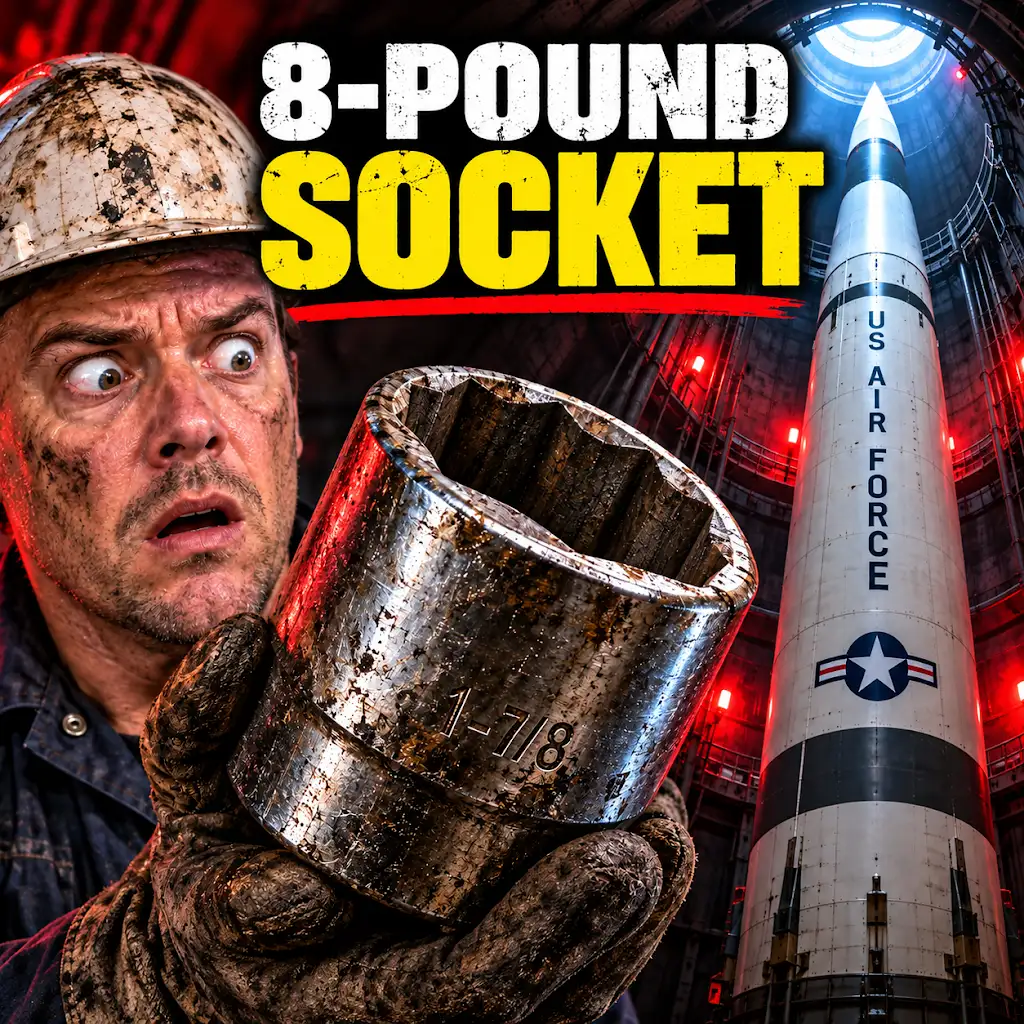
How a Dropped Socket Destroyed a Titan II Missile
FAQs
What is a Titan II missile?
A Titan II missile was an intercontinental ballistic missile (ICBM) developed by the United States during the Cold War era. It was designed to carry nuclear warheads.
How did a dropped socket puncture a Titan II missile?
In 1980, a dropped socket fell inside the silo where a Titan II missile was housed. The socket punctured the missile’s fuel tank, causing a massive explosion.
What were the consequences of the punctured Titan II missile?
The explosion resulted in the missile’s warhead being ejected from the silo. While the warhead did not detonate, the incident caused widespread damage and raised concerns about the safety of nuclear weapons.
Was anyone injured or killed in the Titan II missile incident?
Yes, tragically, one Air Force technician was killed, and several others were injured in the explosion caused by the dropped socket puncturing the Titan II missile.
What measures were taken to prevent similar incidents in the future?
Following the Titan II missile incident, safety protocols and procedures were reviewed and improved to prevent similar accidents from occurring in the future. Additionally, changes were made to the design and handling of nuclear weapons to enhance safety and security.