The Titan II missile, a colossal embodiment of Cold War might, was designed for rapid, devastating deployment. Its hypergolic propellant system, a marvel of engineering for its time, offered near-instant ignition and immense thrust, crucial for nuclear deterrence. However, this very characteristic, the inherent volatility of its fuel, held within it the seeds of catastrophic failure. The Titan II hypergolic propellant accident stands as a stark reminder of the immense power, and even greater danger, inherent in such systems.
The Titan II’s propulsion system was a sophisticated, albeit volatile, arrangement of liquid propellants. Unlike many contemporary rockets that required complex ignition sequences, the Titan II utilized hypergolic propellants, substances that ignite spontaneously upon contact. This design offered significant advantages, primarily reducing launch time and complexity, which were paramount considerations during the high-stakes era of the Cold War. The primary components of this system were the fuel and the oxidizer, stored separately within the missile’s stages until the moment of ignition.
Fuel: Unsymmetrical Dimethylhydrazine (UDMH)
The fuel component of the Titan II’s rocket engine was unsymmetrical dimethylhydrazine, commonly known as UDMH. This highly toxic, flammable, and corrosive liquid was a hydrazine derivative, chosen for its energetic properties and hypergolic nature. UDMH is a colorless liquid with a fishy, ammonia-like odor, a characteristic that, while a potential warning sign, also contributed to its insidious danger due to its low vapor pressure, allowing it to spread widely and insidiously. Its chemical formula, (CH₃)₂NNH₂, hinted at its reactive nature. UDMH was stored in the missile’s first and second stages, occupying large, insulated tanks designed to maintain its liquid state under various environmental conditions. The sheer volume of UDMH carried by a Titan II missile was staggering, representing a significant quantity of highly concentrated energy.
Properties and Hazards of UDMH
The properties of UDMH made it both a powerful propellant and a profound hazard. Its hypergolic characteristic meant that it would ignite instantly upon contact with the oxidizer, producing a massive expulsion of hot gases. This rapid combustion was the driving force behind the Titan II’s immense thrust. However, UDMH was also extremely toxic. Exposure, even in small quantities, could lead to severe respiratory distress, dizziness, nausea, and vomiting. Prolonged or concentrated exposure could result in liver and kidney damage, neurological effects, and even death. Furthermore, UDMH is highly flammable, igniting readily in the presence of air, and its vapors are heavier than air, meaning they could accumulate in low-lying areas, creating hidden pockets of extreme danger. Its corrosive nature also posed a threat to the structural integrity of the missile and any personnel working in proximity.
Oxidizer: Nitrogen Tetroxide (NTO)
The oxidizer component of the Titan II system was nitrogen tetroxide, or NTO. This pale yellow to reddish-brown liquid, with the chemical formula N₂O₄, is a potent oxidizing agent. Like UDMH, it is highly reactive, toxic, and corrosive. NTO was also stored in separate tanks within the missile’s stages, ready to be mixed with UDMH in the combustion chamber. The combination of UDMH and NTO created a potent and volatile reaction.
Properties and Hazards of NTO
Nitrogen tetroxide, much like UDMH, possessed a dual nature: it was essential for the Titan II’s function, but equally perilous. As a powerful oxidizer, NTO readily supplied the oxygen needed for the combustion of UDMH, enabling the rocket to generate the necessary thrust. However, NTO itself posed significant risks. It is a highly toxic gas, irritating to the eyes, skin, and respiratory tract. Inhalation of NTO vapors can cause pulmonary edema, a life-threatening condition where fluid accumulates in the lungs. Prolonged exposure can lead to severe lung damage and can be fatal. NTO is also highly corrosive, capable of damaging metals and other materials. Its reactivity means it could readily combine with other substances, sometimes with explosive consequences. The handling and storage of NTO required stringent safety protocols due to its inherent instability and toxicity.
The Titan II hypergolic propellant accident remains a significant event in the history of space exploration, highlighting the potential dangers associated with rocket propellants. For a deeper understanding of the implications and safety measures that emerged from this incident, you can read a related article that explores the broader context of rocket safety and historical accidents in the field. For more information, visit this article.
The Inherent Dangers of Hypergolic Propellants
The very characteristic that made hypergolic propellants so attractive for military applications – their spontaneous ignition – also made them incredibly dangerous. The absence of a separate ignition system meant that any unintended mixing or exposure to an ignition source could have catastrophic consequences. This inherent volatility was a constant concern for those who designed, maintained, and operated these complex systems. The Titan II’s reliance on this technology amplified these concerns due to the scale of the operation and the close proximity of personnel to these highly energetic substances.
The “Fire and Forget” Paradox
The appeal of hypergolic propellants lay in their “fire and forget” nature, a term often associated with guided missiles. In the context of rocket propulsion, it meant that once the propellants were initiated, the engine would burn reliably and without further intervention. This was crucial for military applications where quick reaction times were essential. However, this “forget” aspect also carried a sinister undertone. Once the reaction began, it was incredibly difficult to stop or control. There was no simple “off” switch. This lack of control, combined with the immense energy released, made accidental ignitions particularly devastating. The paradox was that the very reliability and speed of the system also meant that an accident, once initiated, could escalate with terrifying speed and ferocity.
Environmental Contamination Risks
Beyond the immediate danger of explosion and fire, the use of hypergolic propellants also presented significant risks of environmental contamination. Both UDMH and NTO are highly toxic substances. Accidental releases, whether during fueling, maintenance, or as a result of a launch failure, could contaminate soil, water, and air. The long-term effects of such contamination could be severe, impacting ecosystems and posing health risks to communities living in the vicinity of launch sites or accident sites. The persistence of these chemicals in the environment and their potential to bioaccumulate further amplified these concerns.
The Titan II Accidents: A Catalogue of Catastrophe
The history of the Titan II missile program, while a testament to technological advancement, is also unfortunately punctuated by accidents, many directly linked to its hypergolic propellant system. These incidents, though varying in their specifics, invariably highlighted the inherent dangers of the technology and the critical need for meticulous safety procedures. Each accident served as a somber lesson, driving home the immense power wielded and the catastrophic consequences of even minor oversights.
The Titan II hypergolic propellant accident remains one of the most significant incidents in the history of space exploration, highlighting the inherent risks associated with rocket technology. For those interested in a deeper understanding of the complexities and dangers involved in such missions, a related article can be found at In the War Room, which explores the broader implications of rocket safety and the lessons learned from past failures. This incident serves as a reminder of the importance of rigorous safety protocols in aerospace engineering.
The 1965 Arkansas Incident
One of the earliest significant incidents involving a Titan II occurred in the vicinity of Little Rock Air Force Base, Arkansas, in 1965. During a routine maintenance operation, a fuel leak was discovered in a Titan II missile silo. The leak, originating from a faulty valve, allowed the volatile hypergolic propellants to mix. The resulting reaction, though contained within the silo, led to a significant explosion and fire, causing considerable damage to the missile and the silo infrastructure. Fortunately, no personnel were killed or seriously injured in this particular incident, but it served as a stark warning of the potential for disaster that lurked within these missile sites. The incident prompted a review of maintenance procedures and safety protocols.
Lessons Learned and Procedure Revisions
The 1965 Arkansas incident, while not resulting in fatalities, provided invaluable lessons for the Titan II program. Investigators meticulously analyzed the cause of the leak and the subsequent reaction. This analysis led to the revision of inspection and maintenance procedures, with a greater emphasis on the detection and repair of small leaks before they could escalate. The incident also underscored the importance of proper ventilation and containment procedures during maintenance operations. The number of personnel allowed in the vicinity of a missile during fueling or maintenance was re-evaluated, and emergency response plans were refined. While the inherent dangers of hypergolic propellants could not be eliminated, the program learned to mitigate some of the risks through more stringent operational protocols.
The 1978 Damascus, Arkansas Incident
A more severe incident occurred on September 18, 1978, near Damascus, Arkansas, involving a Titan II ICBM. This event tragically demonstrated the devastating potential of a hypergolic propellant accident when safety protocols were compromised. During an attempted missile transfer, a safety pin was accidentally dislodged, leading to the inadvertent activation of the missile’s launch sequence. While the missile did not fully launch, the propellants began to mix and ignite within the silo. The resulting explosion was immense, destroying the missile, heavily damaging the silo, and causing significant fallout of toxic debris over the surrounding area.
The Human Cost: Fatalities and Injuries
The 1978 Damascus incident resulted in the tragic loss of life and serious injuries. Several Air Force personnel were caught in the vicinity of the explosion and succumbed to their injuries. The precise number of fatalities varied in early reports, but the event underscored the extreme danger faced by those working with these weapons systems. In addition to the immediate fatalities, several individuals suffered severe burns and other injuries requiring extensive medical care. The psychological toll on survivors and the community was also significant. The event served as a brutal reminder that the abstract threat of nuclear war could manifest in devastating, real-world tragedies through technological failure and human error.
Environmental Repercussions and Cleanup Efforts
The environmental fallout from the 1978 Damascus incident was substantial. The explosion dispersed toxic hypergolic propellants and missile debris over a wide area. The immediate concern was the containment of the toxic substances to prevent further contamination of soil and water resources. Extensive cleanup operations were undertaken by specialized teams, involving the meticulous removal and disposal of contaminated materials. This cleanup was a long, arduous, and expensive process, highlighting the long-term consequences of such accidents. The incident also raised public awareness about the environmental risks associated with military installations and the storage of hazardous materials.
The 1980 Goose Creek, Arkansas Incident: A Near-Miss with Catastrophe
Perhaps the most infamous Titan II hypergolic propellant accident occurred on September 19, 1980, at the U.S. Air Force’s Launch Complex 374-2 near Damascus, Arkansas. This incident, often referred to as the “Goose Creek” incident, involved a Titan II missile containing a W53 nuclear warhead. A routine maintenance task, involving the replacement of a leaking O-ring in the second stage fuel system, went catastrophically wrong. The dropped wrench, an object as mundane as a tool, became the catalyst for a chain of events that nearly resulted in a nuclear detonation.
The Dropped Wrench: The Spark of Disaster
During the O-ring replacement, a technician accidentally dropped a 12-pound socket wrench from a platform approximately 70 feet above the missile. The wrench fell directly onto the missile’s second stage fuel tank, puncturing it. The impact caused a leak of UDMH, which then came into contact with residual hypergolic vapors from a previous leak. This contact initiated a hypergolic reaction, leading to a massive explosion. The force of the explosion was so great that it ejected the 9-megaton W53 nuclear warhead from its silo, a testament to the immense power unleashed.
The Nuclear Threat: Averted Catastrophe
The ejection of the nuclear warhead was a moment of profound terror. Fortunately, the warhead itself did not detonate. While the explosion ruptured some of its internal components and exposed it to the elements, the safety mechanisms designed to prevent accidental detonation proved effective. The warhead landed relatively intact, albeit damaged, some distance from the silo. However, the proximity of the nuclear device to the explosive hypergolic propellants and the intense forces of the explosion created a scenario that could have easily resulted in a nuclear disaster of unimaginable proportions. The incident highlighted the precarious balance between nuclear deterrence and the ever-present risk of accidental detonation.
Safety Mechanisms and Their Role
The survival of the nuclear warhead in the face of such a violent event was a testament to the robust safety engineering incorporated into these weapons. Multiple layers of safety features, designed to prevent accidental detonation under a wide range of extreme conditions, were in place. These included arming devices that required specific sequences to be initiated, impact-resistant casings, and internal mechanisms that would prevent a nuclear chain reaction unless all safety protocols were met. While the Titan II accident demonstrated the potential for catastrophic ignition of the propellants, it also, in a grim way, validated the fail-safe engineering of the nuclear warhead itself.
The Aftermath: Evacuation and Long-Term Health Concerns
The Goose Creek incident necessitated the immediate evacuation of thousands of residents from the surrounding areas due to the extreme danger posed by the leaking propellants and the unexploded nuclear warhead. The evacuation created widespread disruption and anxiety. The long-term health consequences for some residents who were exposed to trace amounts of toxic propellants, or who lived in the vicinity during the cleanup, remained a concern for years to come. The incident also fueled public debate about the safety and wisdom of housing such dangerous weapons systems in close proximity to populated areas.
Legacy and Lessons Learned
The Titan II hypergolic propellant accidents, particularly the 1980 Goose Creek incident, had a profound and lasting impact on military strategy, safety protocols, and public perception. The near-catastrophe served as a wake-up call, prompting a comprehensive re-evaluation of the risks associated with nuclear weapons and their delivery systems. The lessons learned from these tragic events continue to inform safety practices in the handling of hazardous materials and the development of advanced weapon systems.
The Decommissioning of the Titan II Program
The culmination of the Titan II program was irrevocably influenced by the series of accidents. While the missiles had been a cornerstone of American nuclear deterrence for decades, the increasing frequency and severity of accidents, coupled with the inherent risks of the hypergolic propellant system, led to their eventual decommissioning. The final Titan II missile was retired in 1987, marking the end of an era. The accidents played a significant role in the decision-making process, highlighting the unacceptable level of risk associated with continuing to operate such a volatile system.
Shift Towards Safer Propellant Technologies
The experiences with hypergolic propellants in the Titan II program, and similar incidents with other missile systems, spurred significant research and development into safer propellant technologies. While hypergolics offered advantages in terms of launch readiness, their toxicity and instability were undeniable drawbacks. The focus shifted towards propellants that were less volatile, less toxic, and easier to handle, even if they required more complex ignition systems. This led to advancements in solid propellants and more stable liquid propellant combinations.
Enhanced Safety Protocols and Training
The Titan II accidents led to a fundamental overhaul of safety protocols across the military, particularly in operations involving hazardous materials. The emphasis on rigorous inspection, meticulous maintenance, and comprehensive emergency response planning became paramount. Training programs were enhanced to ensure that personnel were not only technically proficient but also acutely aware of the inherent dangers and equipped to respond effectively to emergencies. The “near-miss” nature of some incidents underscored the importance of procedural adherence and the catastrophic consequences of even minor deviations.
The Importance of Redundancy and Fail-Safe Design
The incidents also reinforced the critical importance of redundancy and fail-safe design in all critical systems. While the Titan II had safety features, the accidents demonstrated that even sophisticated engineering could be undone by human error or unforeseen circumstances. This led to a greater emphasis on incorporating multiple layers of safety mechanisms and designing systems that could withstand a wider range of potential failures without catastrophic outcomes. The very nature of the Goose Creek accident, with a simple dropped wrench causing such devastation, highlighted the need for comprehensive risk assessments that considered even the most seemingly insignificant potential failure points.
The Titan II hypergolic propellant accidents serve as a grim but important historical record. They are a testament to the immense power that humanity has harnessed, but also a stark warning about the responsibility that comes with wielding such power. The lessons learned from these disasters continue to shape safety practices and technological development, ensuring that the pursuit of progress is always tempered with a profound respect for the potential for catastrophic failure.
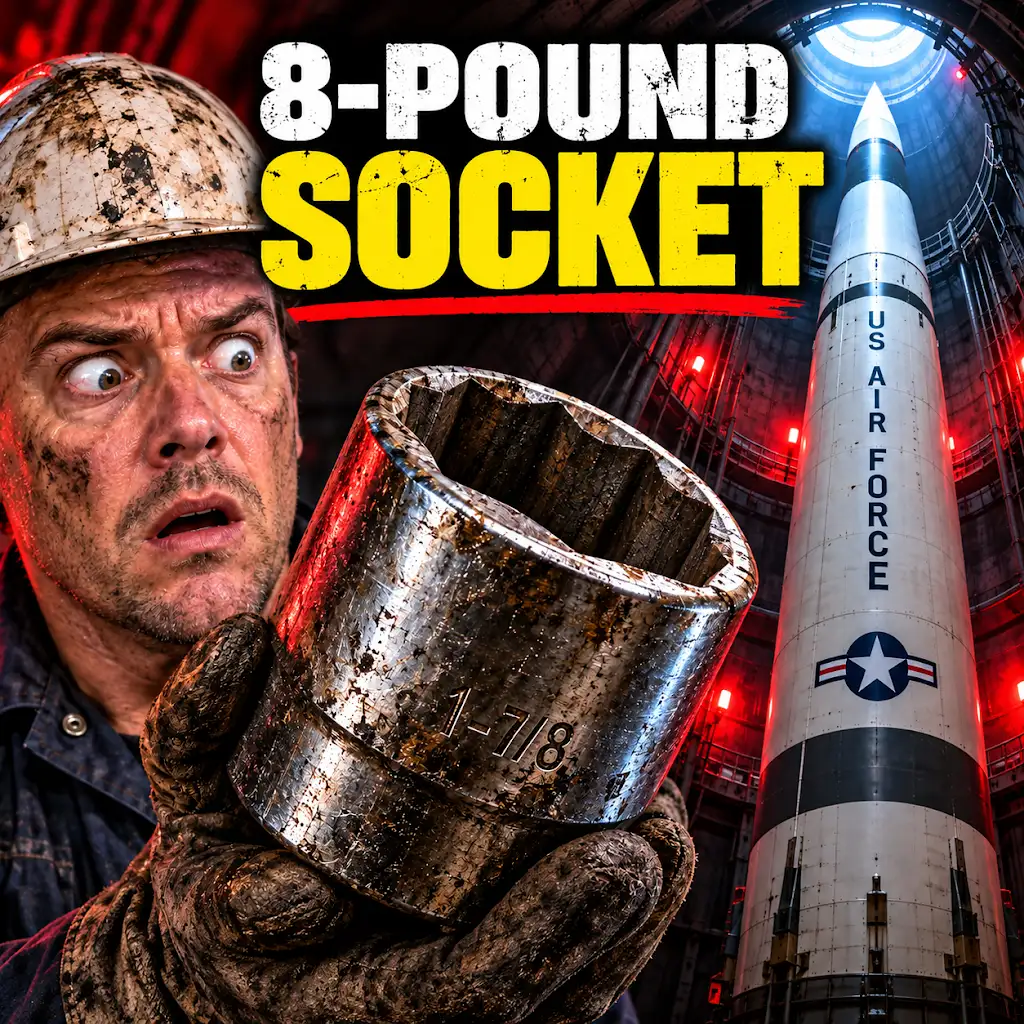
How a Dropped Socket Destroyed a Titan II Missile
FAQs
What is a Titan II hypergolic propellant accident?
A Titan II hypergolic propellant accident refers to an incident that occurred on September 19, 1980, at a missile complex in Arkansas, where a Titan II intercontinental ballistic missile exploded due to a ruptured fuel tank containing hypergolic propellants.
What are hypergolic propellants?
Hypergolic propellants are a type of rocket fuel that ignite spontaneously upon contact with each other, eliminating the need for an external ignition source. In the case of the Titan II missile, the hypergolic propellants used were Aerozine 50 (fuel) and nitrogen tetroxide (oxidizer).
What caused the Titan II hypergolic propellant accident?
The Titan II hypergolic propellant accident was caused by a maintenance technician dropping a socket wrench, which punctured the missile’s fuel tank. This led to a leak of the hypergolic propellants, resulting in a catastrophic explosion.
What were the consequences of the Titan II hypergolic propellant accident?
The explosion of the Titan II missile resulted in the release of toxic fumes, the destruction of the missile complex, and the loss of one life. The incident also raised concerns about the safety of storing and handling hypergolic propellants in missile systems.
How has the Titan II hypergolic propellant accident influenced safety protocols in the aerospace industry?
The Titan II hypergolic propellant accident prompted the aerospace industry to reevaluate safety protocols for handling hypergolic propellants. It highlighted the importance of rigorous maintenance procedures, proper training for personnel, and the need for stringent safety measures to prevent similar accidents in the future.