The concept of military deterrence, the art of dissuading an adversary from taking hostile action through the threat of retaliation, has undergone a profound and continuous evolution throughout human history. From the primal display of strength by ancient chieftains to the sophisticated calculus of nuclear war, the fundamental objective has remained constant: to prevent conflict by making the cost of aggression unacceptably high. This evolution is not merely a linear progression of technology, but a complex interplay of strategic thought, political will, and the ever-shifting landscape of international relations.
Before the advent of organized states and formal military structures, the seeds of deterrence were sown in the raw displays of power and influence. The threat of physical harm, the promise of protection, and the establishment of dominance served as early mechanisms to prevent inter-group violence.
Tribal Dominance and the Prevention of Raids
In early human societies, the strength and perceived invincibility of a tribe or clan served as a primary deterrent. A powerful chieftain, surrounded by a formidable warrior cadre, could dissuade neighboring groups from raiding their resources or territory. This was not a formalized doctrine, but an intuitive understanding that overwhelming physical superiority discouraged opportunistic aggression.
The Power of Reputation
The reputation of a tribe’s warriors for ferocity and success in past conflicts played a crucial role. A history of brutal retaliation against any perceived transgression would instill fear and caution in potential aggressors. This psychological aspect, the fear of the unknown and the potential for overwhelming, even disproportionate, punishment, is a core element that persists in modern deterrence theory.
Strategic Location and Defensive Fortifications
Beyond brute force, early communities also employed rudimentary forms of defensive deterrence. The choice of settlement location on defensible terrain, the construction of palisades, or the strategic placement of watchmen served to increase the cost and risk for attackers. These measures signaled a readiness to resist and a commitment to defending their territory.
The Rise of Empires and State-Sponsored Deterrence
As societies coalesced into larger political entities and empires, the concept of deterrence became more formalized and integrated into statecraft. The ability to project power over greater distances and the establishment of standing armies provided a more sophisticated toolkit for preventing internal strife and external threats.
The Roman Legion as a Deterrent
The Roman Empire, for instance, utilized its highly disciplined and effective legions not only for conquest but also for maintaining peace within its vast borders and discouraging potential invaders. The very presence of Roman legions in a province acted as a powerful deterrent against rebellion and external incursions. Their logistical capabilities and rapid deployment meant that any uprising could be swiftly and brutally suppressed.
The Diplomacy of Force
Early empires understood that the threat of military action, often coupled with diplomatic overtures, was a powerful tool. Ambassadors could carry messages backed by the implicit or explicit threat of military force, influencing the decisions of other rulers and preventing potential conflicts before they escalated.
Military deterrence has been a crucial strategy throughout history, shaping the outcomes of conflicts and the balance of power between nations. A fascinating exploration of this concept can be found in the article “Military Deterrence Explained Through History,” which delves into various historical instances where deterrence played a pivotal role in preventing wars and maintaining peace. For a deeper understanding of how military strategies have evolved and their implications on modern warfare, you can read the full article here: Military Deterrence Explained Through History.
The Age of Gunpowder and the Escalation of Military Power
The invention and widespread adoption of gunpowder weaponry fundamentally altered the nature of warfare and, consequently, the dynamics of deterrence. The increased lethality and destructive potential of new weapons necessitated a re-evaluation of defensive strategies and offensive capabilities.
Fortifications and Siege Warfare
The introduction of cannons and artillery rendered traditional medieval fortifications obsolete. This led to a continuous arms race between offensive siege technology and defensive architectural innovation. Vauban’s star forts, for example, were a revolutionary response to artillery, designed to withstand bombardment and provide flanking fire, thus increasing the cost of a successful siege.
The Art of the Siege
The protracted nature of successful sieges also served as a deterrent. A prolonged and costly siege could drain the resources and morale of an attacking army, making it a less attractive option compared to more decisive military engagements.
Standing Armies and the Balance of Power
The development of larger, professional standing armies, supported by centralized states, allowed for a more consistent and credible threat of military action. This era saw the emergence of concepts like the “balance of power,” where alliances were formed and military strength was built up to deter any single power from becoming too dominant and potentially threatening others.
The Deterrent of Rapid Mobilization
The ability to quickly mobilize large armies and project force across borders became a significant deterrent. Nations that could quickly field substantial forces were less likely to be subjected to opportunistic invasions or coercion.
The Nuclear Age: The Ultimate Deterrent and the Shadow of Annihilation
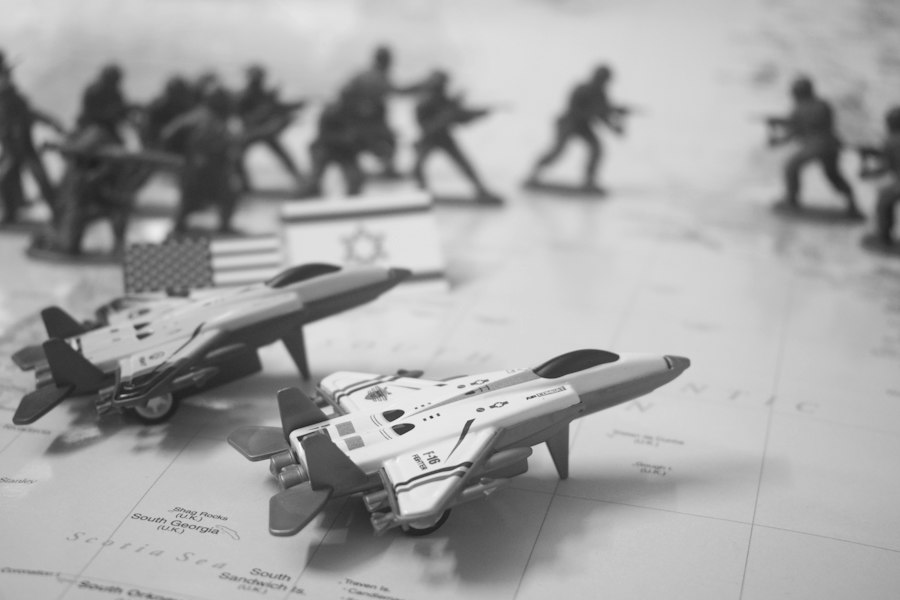
The advent of nuclear weapons in the mid-20th century ushered in an unprecedented era in the evolution of military deterrence. The sheer destructive power of these weapons, capable of annihilating entire cities and potentially plunging the world into a nuclear winter, introduced a new dimension of existential risk and strategic calculation.
Mutually Assured Destruction (MAD)
The doctrine of Mutually Assured Destruction (MAD) became the cornerstone of deterrence during the Cold War. It posited that any nuclear attack by one superpower would inevitably lead to a retaliatory nuclear strike by the other, resulting in the complete annihilation of both. This terrifying symmetry of destruction, therefore, served to deter either side from initiating a first strike.
The Credibility of the Threat
The credibility of the retaliatory threat was paramount. This involved developing secure second-strike capabilities, such as land-based intercontinental ballistic missiles (ICBMs), submarine-launched ballistic missiles (SLBMs), and strategic bombers, that could survive a surprise attack and deliver a devastating response.
Deterrence by Denial vs. Deterrence by Punishment
During the nuclear age, the distinction between deterrence by denial and deterrence by punishment became more pronounced. Deterrence by denial aims to convince an aggressor that they cannot achieve their objectives, even if they attack. Deterrence by punishment, on the other hand, focuses on making the cost of aggression so high that the aggressor is unwilling to bear it. Nuclear deterrence primarily operates on the principle of punishment.
Escalation Control and Crisis Management
While MAD provided a broad deterrent, the constant fear of accidental escalation or miscalculation led to a focus on escalation control and crisis management. Both superpowers invested heavily in communication channels, de-escalation mechanisms, and a deep understanding of the psychological drivers of conflict to prevent a conventional conflict from spiraling into a nuclear exchange.
The Cuban Missile Crisis as a Case Study
The Cuban Missile Crisis of 1962 remains a stark reminder of the precarious nature of nuclear deterrence. The near-catastrophic confrontation underscored the importance of clear communication, carefully calibrated responses, and a willingness to compromise to avoid crossing the nuclear threshold.
The Digital Age and the Cybernetic Frontier of Deterrence
The current era, characterized by the proliferation of advanced digital technologies, has opened up a new frontier for military deterrence: cyberspace. The ability to disrupt, degrade, or destroy critical infrastructure through cyberattacks presents both new opportunities and novel challenges for strategic planners.
Cyber Warfare as a Deterrent Tool
The threat of debilitating cyberattacks can serve as a potent deterrent against conventional military aggression. A nation that can demonstrate the capability to cripple an adversary’s command and control systems, economic infrastructure, or energy grids may dissuade them from initiating hostilities.
Attribution Challenges and the Grey Zone
A significant challenge in cyber deterrence is the difficulty of attributing attacks definitively. This ambiguity creates a “grey zone” where states can engage in disruptive activities below the threshold of a clear act of war, making it difficult to formulate a proportional and credible retaliatory response.
Proportionality and Escalation in Cyberspace
Determining the appropriate level of response to a cyberattack is complex. A purely retaliatory cyberattack might not be sufficient, while an overly aggressive response could escalate the conflict in unpredictable ways. This necessitates a nuanced understanding of the escalatory ladder in the digital domain.
The Weaponization of Information and the Cognitive Domain
Beyond kinetic and cyber capabilities, the weaponization of information and the manipulation of public opinion through social media and disinformation campaigns have emerged as powerful tools of influence and, potentially, deterrence.
Strategic Communication and Perception Management
Nations now actively engage in strategic communication and perception management to shape the narratives surrounding potential conflicts. By influencing the understanding and attitudes of both domestic and international audiences, they can build support for their actions and undermine the perceived legitimacy of an adversary’s intentions.
Deterrence by Shaping Perceptions
This form of deterrence operates by influencing an adversary’s perception of the costs and benefits of aggression. If an adversary believes that initiating conflict will lead to widespread condemnation, domestic unrest, or international isolation, they may be deterred from acting.
Military deterrence has played a crucial role throughout history, shaping the strategies of nations and influencing global politics. An insightful article that delves into this topic can be found on In The War Room, where the complexities of deterrence are examined through various historical contexts. Understanding these dynamics is essential for grasping how past conflicts have informed contemporary military strategies. For a deeper exploration of this subject, you can read the article here.
The Future of Deterrence: Adaptive Strategies in a Multipolar World
| Period | Key Concept | Notable Example | Deterrence Strategy | Outcome |
|---|---|---|---|---|
| Ancient Times | Show of Force | Roman Empire’s Legions | Large, disciplined armies to discourage invasions | Maintained territorial control and deterred rebellions |
| Medieval Period | Fortifications and Castles | European Castles | Strong defensive structures to prevent enemy advances | Reduced frequency of successful sieges |
| Cold War Era | Mutually Assured Destruction (MAD) | USA and USSR Nuclear Arms Race | Maintaining second-strike capability to deter nuclear war | Prevented direct large-scale conflict between superpowers |
| Modern Times | Cyber and Missile Defense | US Missile Defense Systems | Advanced technology to detect and neutralize threats | Enhanced deterrence against missile and cyber attacks |
| 21st Century | Asymmetric Deterrence | Drone Warfare and Special Forces | Use of precision strikes and unconventional tactics | Deters state and non-state actors through targeted responses |
As the global landscape continues to evolve, with the rise of new powers and the increasing interconnectedness of societies, the nature of military deterrence is likely to become even more complex and adaptive.
The Proliferation of Capabilities and the Diffusion of Power
The increasing accessibility of advanced military technologies, including drones, precision-guided munitions, and potentially even advanced AI-powered autonomous weapons, means that deterrence strategies must account for a wider range of actors with varying capabilities. The diffusion of power necessitates a more agile and responsive approach.
Swarming Tactics and Asymmetric Warfare
The rise of asymmetric warfare and the effectiveness of “swarming” tactics by smaller, agile forces present new challenges for traditional deterrence based on overwhelming military might. Deterrence must now consider how to dissuade actors who may not possess the resources for direct confrontation but can inflict significant disruption through unconventional means.
The Role of Alliances and Collective Security
In an increasingly multipolar world, the strength and coherence of alliances will be crucial for maintaining deterrence. Collective security arrangements, where an attack on one is considered an attack on all, can significantly amplify the deterrent effect and raise the cost of aggression for any potential aggressor.
The Importance of Interoperability and Joint Operations
Effective deterrence in the future will rely heavily on the interoperability of military forces within alliances and the ability to conduct seamless joint operations. This ensures that collective responses can be swift, coordinated, and decisive.
Non-Military Instruments of Deterrence
The future of deterrence will also likely see a greater emphasis on non-military instruments. Economic sanctions, diplomatic isolation, and international legal frameworks can all play a significant role in dissuading aggression and reinforcing norms of peaceful conduct.
Economic Coercion and Financial Warfare
The interconnectedness of global economies means that economic coercion can be a powerful deterrent. The threat of crippling sanctions, asset freezes, or disruption of financial markets can impose significant costs on an aggressor, even without the use of military force.
The Evolving Calculus of Risk and Reward
Ultimately, the evolution of military deterrence is a continuous process of adapting to new threats and opportunities. The fundamental challenge remains to create a credible and compelling calculation of risk and reward for potential aggressors. As the tools and tactics of warfare evolve, so too must the strategies and philosophies that aim to prevent it. The goal, as ever, is to ensure that the price of conflict is demonstrably higher than any perceived benefit, safeguarding peace through the constant, evolving art of dissuasion.

America Sent an Aircraft Carrier to Cut Down One Tree
FAQs
What is military deterrence?
Military deterrence is a strategy used by countries to prevent an adversary from initiating an attack by convincing them that the costs and risks of doing so outweigh any potential benefits.
How has military deterrence been used throughout history?
Military deterrence has been used throughout history by nations to prevent conflicts and maintain peace. Examples include the Cold War standoff between the United States and the Soviet Union, as well as the use of nuclear weapons as a deterrent during World War II.
What are some key components of a successful military deterrence strategy?
A successful military deterrence strategy typically involves a combination of military capabilities, clear communication of intentions, credible threats of retaliation, and a demonstrated willingness to use force if necessary.
How effective is military deterrence as a strategy?
Military deterrence has been shown to be effective in preventing conflicts and maintaining stability between nations. However, its success depends on various factors such as the credibility of the deterrent threats and the perceived capabilities of the parties involved.
Are there any risks associated with relying on military deterrence?
While military deterrence can be an effective strategy, there are risks involved, such as the potential for miscalculations, misunderstandings, or unintended escalation of conflicts. Additionally, the reliance on deterrence may also lead to arms races and increased tensions between nations.