Operation Northwoods: Staged Attacks Exposed
The chilling narrative of Operation Northwoods, a series of proposed covert operations in the early 1960s, stands as a stark reminder of the lengths to which governments might contemplate going to manipulate public opinion and achieve their political objectives. While never enacted, the unearthed documents detailing these plans exposed a disturbing willingness within certain circles of the U.S. government to engineer fabricated terrorist attacks on its own soil, culminating in a call for war against Cuba. The revelation of Operation Northwoods, primarily through declassified documents released in the late 1990s, painted a grim picture of strategic paranoia and the potential for egregious ethical breaches in the name of national security.
The Cuban Revolution and Rising Tensions
The triumph of Fidel Castro’s revolution in 1959 marked a seismic shift in the geopolitical landscape of the Western Hemisphere. The overthrow of the U.S.-backed Batista regime and the subsequent establishment of a communist government just ninety miles off the coast of Florida sent shockwaves through Washington D.C. The Eisenhower administration, and later the Kennedy administration, viewed Castro’s regime with profound suspicion and alarm. The perceived threat of a communist foothold in the Americas, coupled with Cuba’s nationalization of American assets, fueled a growing desire to see Castro removed from power.
Early Attempts to Oust Castro
The Bay of Pigs invasion in April 1961 represented a major, albeit disastrous, attempt by the United States to destabilize and overthrow the Cuban government. The operation, orchestrated by the CIA and involving U.S.-trained Cuban exiles, ended in a humiliating defeat for the U.S., bolstering Castro’s legitimacy and further solidifying anti-American sentiment in Cuba and across Latin America. This failure, however, did not extinguish the resolve of many in the U.S. government to find a way to remove Castro. Instead, it appears to have fostered a sense of desperation and a willingness to explore more drastic, and ethically questionable, avenues.
The Role of the Joint Chiefs of Staff
It was within this climate of heightened anxiety and strategic frustration that Operation Northwoods was conceived. The proposals originated from the Joint Chiefs of Staff (JCS), the highest-ranking military officers in the U.S. armed forces. Their primary concern was the perceived threat posed by Cuba and the need for a decisive response. The JCS believed that existing diplomatic and covert actions were insufficient to achieve their objectives and that a more forceful, and crucially, justified intervention was necessary. This “justification” would come, according to their own proposals, from the creation of a manufactured casus belli.
Operation Northwoods was a proposed plan by the U.S. Department of Defense in the early 1960s that suggested staging false-flag attacks to justify military intervention in Cuba. This controversial operation has drawn comparisons to various historical instances of government-sanctioned deception. For a deeper understanding of the implications and historical context surrounding such operations, you can read a related article on this topic at In The War Room.
The Sinister Blueprints: Proposed Acts of Terror
A Menu of Malevolent Maneuvers
The Operation Northwoods proposals, as documented in a memorandum dated March 13, 1961, outlined a comprehensive and disturbing array of hypothetical terrorist attacks. These were not vague suggestions but detailed plans, categorized by the type of incident and the intended victim. The overarching goal was to create a scenario where the U.S. public would demand retaliatory action against Cuba, thereby paving the way for overt military intervention. The document explicitly stated the need to “create the impression of a Cuban-based attack or terrorist act.”
Fabricating Sympathy and Outrage
The plans were designed to elicit a powerful emotional response from the American populace. They included:
Hijacking of Civilian Aircraft
One of the most chilling proposals involved the hijacking of a commercial airliner, potentially from Miami to Havana, and then “destroying it in mid-air” with a remote-controlled drone, making it appear as though Cuban authorities were responsible. The idea was to ensure no survivors to contradict the narrative.
Bombing of U.S. Military Bases
Another suggestion was to launch pre-planted bombs on U.S. military installations in Florida, such as Guantanamo Bay, or even on civilian targets within the United States itself. These attacks would then be attributed to Cuban-backed terrorists.
Attacks on U.S. Navy Ships
The JCS also considered staging attacks on U.S. naval vessels near Cuba, using torpedoes fired from miniature submarines or employing frogmen to attach explosives. The goal was to simulate an act of aggression that would demand a robust military response.
Inciting Riots and Violence
The plans even extended to orchestrating public disturbances and riots in U.S. cities, blaming Cuban agents for the unrest. The aim was to sow chaos and further solidify the image of Cuba as a destabilizing force.
The Unsettling Justification: A Manufactured Crisis
The logic behind these proposals was undeniably perverse. The JCS argued that the American public was unlikely to support a war against Cuba without a clear and undeniable provocation. They believed that by creating such a provocation, they could overcome public reluctance and rally support for military action. The memorandum explicitly stated, “We could develop a communist Cuban-policy of terrorism directed against the U.S. even though the U.S. public is being prepared to believe that the Cuban Government is the aggressor.” This stark admission highlights the manipulative intent behind the entire operation.
The Denouement of the Scheme: A Faltering Plan

The President’s Rejection and Ethical Scrutiny
While the Joint Chiefs of Staff were actively developing these proposals, they were not operating in a vacuum. The memorandum was intended for the Secretary of Defense and, ultimately, the President. However, the proposals, particularly their audacious nature and the clear ethical implications, reportedly met with strong opposition at higher levels. While the exact extent of the deliberations is not fully detailed in the declassified documents, it is understood that President John F. Kennedy and his administration ultimately rejected the proposals. The idea of orchestrating attacks on American citizens and property was evidently too extreme, even for the Cold War era’s heightened tensions.
The Shadow of Doubt and Skepticism
The very existence of Operation Northwoods, even as a proposal, cast a long shadow of doubt over the motivations and actions of certain elements within the U.S. government. The fact that such plans were seriously considered by the highest military body raises profound questions about the relationship between national security objectives and ethical boundaries. It suggests a willingness to cross a critical moral threshold, where the ends (in their view, removing Castro) were perceived to justify any means, however horrific.
The Absence of Enforcement: A Crucial Distinction
It is crucial to emphasize that Operation Northwoods, as a set of proposed actions, was never implemented. The plans were not carried out, and no staged attacks occurred as a direct result of these specific proposals. This distinction is vital. The significance of Operation Northwoods lies not in the execution of these sinister acts but in the very fact that they were conceived, documented, and put forth as viable strategic options. It reveals a dark undercurrent of thinking within the U.S. military leadership of the time.
The Legacy of Northwoods: Revealing Truths and Lingering Questions

The Declassification and Public Awakening
The declassification of the Operation Northwoods documents in 1997 by the National Security Archive was a watershed moment. For the first time, the public had concrete evidence of the extreme measures that had been contemplated. This revelation sparked widespread public discussion and debate about government transparency, the ethics of intelligence operations, and the potential for abuse of power. The narrative of Operation Northwoods became a prominent example cited in discussions about conspiracy theories, but in this case, the “conspiracy” was officially documented.
The Impact on Public Trust and Perception
The exposure of Operation Northwoods undoubtedly contributed to a further erosion of public trust in government institutions, particularly among those already skeptical of official narratives. It fueled distrust and lent credence to the idea that governments might engage in deceptive practices to achieve their aims. The story served as a cautionary tale about the importance of accountability and the need for robust oversight of intelligence and military operations.
The Enduring Relevance of Ethical Deliberation
The legacy of Operation Northwoods extends beyond its historical context. It serves as a perpetual reminder of the ongoing need for rigorous ethical deliberation within all branches of government, especially those tasked with national security. The proposals highlight the inherent dangers of unchecked power and the crucial importance of safeguarding democratic principles and human rights, even in times of perceived crisis. The question of “how far is too far” remains a central theme in the ongoing debate about the balance between security and liberty.
Operation Northwoods was a controversial proposal by the U.S. Department of Defense in the early 1960s, suggesting a series of staged attacks to justify military intervention in Cuba. This plan has sparked numerous discussions about government transparency and the ethics of covert operations. For those interested in exploring similar themes, a related article can be found that delves into the implications of such strategies in modern warfare. You can read more about it in this insightful piece here.
Lessons Learned and the Path Forward: Vigilance and Accountability
| Operation Northwoods Staged Attacks | Metrics |
|---|---|
| Proposed Attacks | Hijacking planes, sinking boats, staging bombings |
| Target | Cuban government and military |
| Objective | To create public support for a war against Cuba |
| Outcome | Operation was not carried out |
The Importance of Whistleblowers and Transparency
The eventual exposure of Operation Northwoods underscores the critical role of whistleblowers and the imperative of government transparency. Without the diligent work of researchers and the eventual declassification process, these chilling plans might have remained hidden, potentially influencing future clandestine operations or shaping historical narratives without public knowledge. The case emphasizes the necessity of mechanisms that allow for the disclosure of wrongdoing and the investigation of potential abuses of power.
Strengthening Oversight and Accountability Mechanisms
The revelations from Operation Northwoods have prompted calls for strengthening oversight mechanisms within military and intelligence agencies. The need for robust checks and balances, independent review boards, and clear lines of accountability is paramount. Ensuring that proposed actions are subject to rigorous ethical review and legal scrutiny before any implementation is crucial to preventing similar instances of potentially dangerous planning.
A Constant Reminder of the Fragility of Democracy
Ultimately, Operation Northwoods serves as a profound reminder of the fragility of democratic principles and the constant vigilance required to protect them. The willingness to contemplate such extreme measures, even if ultimately rejected, highlights the importance of a free press, an engaged citizenry, and a commitment to upholding ethical standards in all aspects of governance. The story of Operation Northwoods is not just a historical footnote; it is a living testament to the enduring importance of safeguarding against the potential for government overreach and the seductive allure of expediency over principle. The shadows of such proposals, though never fully realized, continue to illuminate the path forward, demanding a commitment to transparency, accountability, and an unwavering dedication to ethical governance.
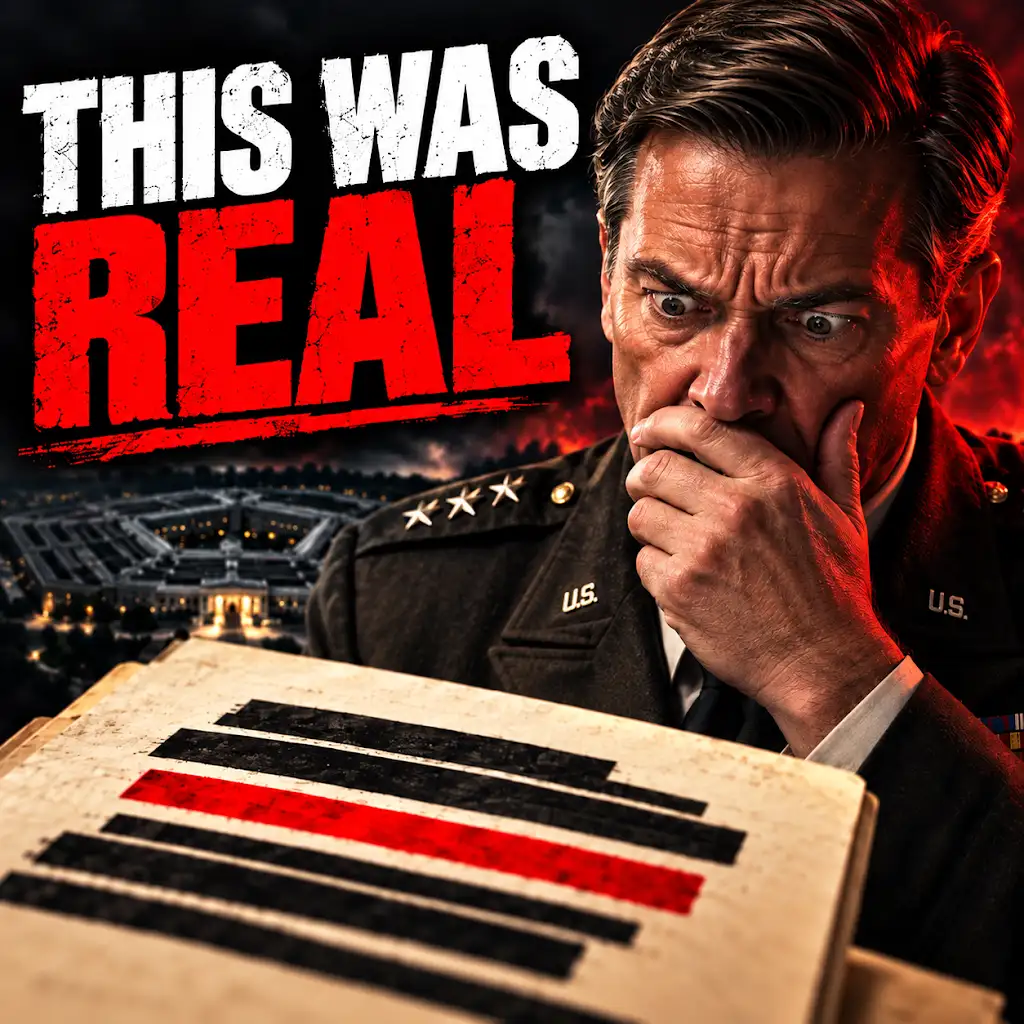
The Pentagon Plan to Fake an Attack on America—and Blame Cuba
FAQs
What is Operation Northwoods?
Operation Northwoods was a proposed false flag operation by the U.S. Department of Defense in the 1960s. It involved plans to stage terrorist attacks on U.S. soil and blame them on Cuba in order to justify military intervention.
Who proposed Operation Northwoods?
The Joint Chiefs of Staff, the highest-ranking military officers of the United States, proposed Operation Northwoods to then-Secretary of Defense Robert McNamara in 1962.
Was Operation Northwoods approved and carried out?
No, Operation Northwoods was not approved or carried out. President John F. Kennedy rejected the proposal, and it was never implemented.
What were some of the proposed actions in Operation Northwoods?
Some of the proposed actions in Operation Northwoods included hijacking planes, sinking boats, and orchestrating bombings in U.S. cities. These actions were intended to create a pretext for military intervention in Cuba.
What was the significance of Operation Northwoods?
Operation Northwoods is significant because it reveals the extent to which some military and government officials were willing to go to justify military action. It also raises questions about the ethics and morality of such proposed actions.