
The events of September 16, 2007, in Nisour Square, Baghdad, remain a deeply scarred memory for Iraqis and a complex legal and moral quandary for the United States. On that fateful day, guards employed by Blackwater, a private military contractor, opened fire in a crowded public square, killing 17 Iraqi civilians and wounding many more. The incident ignited international outrage, sparking investigations, trials, and ultimately, a presidential pardon that continues to be a focal point of debate. This article delves into the intricacies of the Nisour Square massacre, the subsequent legal battles, and the controversial pardons granted by then-President Donald Trump in December 2020.
In 2020, the pardoning of Blackwater contractors involved in the 2007 Nisour Square incident sparked significant controversy and debate regarding accountability for private military contractors. This decision raised questions about the implications for future military engagements and the legal protections afforded to such personnel. For a deeper exploration of the ramifications of this pardon and its impact on U.S. foreign policy, you can read a related article at In The War Room.
The Blackwater Incident: A Day of Tragedy in Nisour Square
The convoy, operating under the banner of Academi (formerly Blackwater), was tasked with escorting a U.S. State Department official through Baghdad. Nisour Square, a known hub of insurgent activity, was a thoroughfare they routinely traversed. However, on this particular day, what began as a routine escort mission devolved into a scene of unimaginable horror. The precise sequence of events leading to the opening of fire remains disputed, a central point of contention in the ensuing legal proceedings.
Initial Accounts and Emerging Discrepancies
Initial reports from Blackwater guards on the scene painted a picture of a convoy coming under attack. They claimed to have been targeted by insurgent fire, necessitating a defensive response. However, as investigations commenced, eyewitness accounts from Iraqi civilians and forensic evidence began to paint a starkly different narrative. These accounts suggested that the initial shots were not a response to direct enemy fire but rather an unprovoked escalation.
The Unfolding Horror: Eyewitness Testimonies
Iraqi survivors and witnesses described scenes of chaos and indiscriminate firing. They reported seeing unarmed civilians, including women and children, caught in the crossfire. The speed and intensity of the shooting, coupled with the nature of the casualties, raised immediate red flags. Many described the Blackwater guards as acting with excessive force and a chilling disregard for civilian life. The sheer brutality of the events left an indelible mark on the collective psyche of the affected community and the nation.
The Scale of Casualties: A Grim Reality
The official death toll of 17 Iraqi civilians, though a significant number, is considered by many to be an undercount. Families of those lost and wounded continue to share their stories, recounting the loss of breadwinners, beloved family members, and individuals who were simply trying to go about their daily lives. The impact of these deaths extended far beyond the immediate victims, shattering families and communities. The physical and psychological wounds inflicted that day continue to resonate.
The Legal Labyrinth: Trials, Convictions, and Appeals
The Nisour Square massacre triggered a prolonged and arduous legal process, marked by complex jurisdictional issues, shifting legal interpretations, and the inherent challenges of prosecuting private military contractors operating in a war zone. The pursuit of justice for the victims became a lengthy and often frustrating endeavor.
The Initial Federal Prosecution: A Glimmer of Hope
Following the incident, the FBI launched an investigation, which ultimately led to federal charges against several Blackwater guards. The initial prosecution aimed to hold individuals accountable for their actions, asserting that their conduct violated U.S. law, specifically the Military Extraterritorial Jurisdiction Act (MEJA). The hope was that this would serve as a deterrent and provide some measure of justice for the victims and their families.
Charges and Legal Basis
The charges leveled against the guards included manslaughter and murder, based on the argument that they had used excessive force and acted with criminal intent. The legal team for the prosecution meticulously gathered evidence, including forensic reports, ballistics data, and witness testimonies, to build their case. The prosecution argued that the guards’ actions went beyond what was necessary for self-defense and constituted a violation of established legal principles.
The First Trial and its Outcome
The first trial, held in 2014, saw four former Blackwater guards – Nicholas Slatten, Paul Slough, Evan Liberty, and Dustin Heard – indicted on various charges. Nicholas Slatten was convicted of first-degree murder, while the other three were convicted of voluntary manslaughter and attempted manslaughter. This conviction represented a significant, albeit partial, victory for the pursuit of accountability.
The Appeals Process: A Twisting Path
The legal journey did not end with the initial convictions. The defense teams for the Blackwater guards immediately launched appeals, citing various legal arguments and procedural issues. This began a protracted period of legal wrangling, where the convictions were both upheld and, at times, overturned.
Challenges to the Verdicts
Appeals focused on issues such as jury instructions, the admissibility of evidence, and the interpretation of MEJA. The defense argued that the prosecution had failed to prove intent beyond a reasonable doubt and that the guards had acted in a chaotic and dangerous environment where split-second decisions were paramount.
The Retrials and Shifting Verdicts
The appeals process led to retrials for some of the defendants. The outcome of these retrials was not always consistent. While Nicholas Slatten’s conviction for first-degree murder was eventually upheld, the convictions of Slough, Liberty, and Heard faced further legal scrutiny and modification. This ongoing legal back-and-forth underscored the complexities of prosecuting such cases.
The Role of Plea Bargains and Reduced Sentences
In some instances, plea bargains were negotiated, leading to reduced charges and sentences. These agreements, while controversial for some who felt they did not adequately reflect the severity of the crimes, were often seen by legal experts as a pragmatic approach to securing some level of accountability and avoiding further lengthy and uncertain legal battles.
The Controversial Pardons: A Presidential Intervention
In the twilight of his presidency, Donald Trump issued a series of controversial pardons. Among the most notable was the blanket pardon granted to the four Blackwater guards – Nicholas Slatten, Paul Slough, Evan Liberty, and Dustin Heard – convicted in connection with the Nisour Square massacre. This decision, announced in December 2020, ignited a firestorm of criticism and condemnation from various quarters.
The Announcement and its Immediate Impact
The announcement of the pardons came as a shock to many, particularly to the victims’ families and human rights advocates. It was perceived by many as an affront to justice and an abandonment of the principles of accountability. The pardons effectively nullified the legal consequences for the convicted individuals, erasing years of legal proceedings and the hard-won convictions.
Reasons Cited by the President
President Trump, in his pronouncements and through statements from the White House, often cited the perceived unfairness of the prosecution and the long sentences handed down to the guards. He framed the pardons as a correction of a miscarriage of justice, suggesting that the men were acting in a dangerous combat zone and were being unfairly punished.
Claims of Political Motivation
Critics, however, argued that the pardons were politically motivated, a reward for perceived loyalty or a means to appease certain political constituencies. The timing of the pardons, close to the end of his term, further fueled these suspicions.
The “Warrior” Narrative
The president’s supporters often emphasized the idea that these men were “warriors” who had served their country and were facing an unjust legal system. This narrative sought to reframe their actions not as criminal acts but as necessary responses in a hostile environment.
Widespread Condemnation and Outrage
The pardons were met with widespread condemnation from international bodies, human rights organizations, legal experts, and many within the U.S. political spectrum. Numerous editorials and op-eds decried the decision as a betrayal of American values and a blow to the rule of law.
Reactions from Human Rights Organizations
Organizations like Human Rights Watch and Amnesty International issued strong statements denouncing the pardons. They argued that the decision undermined efforts to hold perpetrators of war crimes and other serious human rights violations accountable and sent a dangerous message to those operating in conflict zones.
Iraqi Government and Public Response
The reaction from Iraq was one of profound disappointment and anger. Government officials expressed their dismay, and the Iraqi public voiced their outrage. For many Iraqis, the pardons were a painful reminder of the impunity that some contractors had enjoyed and a further invalidation of the suffering they had endured.
In 2020, the decision to pardon Blackwater contractors who were involved in a controversial shooting incident in Iraq sparked significant debate about accountability and justice in military operations. This action raised questions about the implications for future conduct by private security firms in conflict zones. For a deeper understanding of the complexities surrounding this issue, you can read a related article that explores the broader context of private military contractors and their role in modern warfare. To learn more, visit this article.
The Legacy of Nisour Square and the Enduring Debate
| Contractor Name | Offense | Pardon Date |
|---|---|---|
| Nicholas Slatten | First-degree murder | December 22, 2020 |
| Paul Slough | Manslaughter | December 22, 2020 |
| Evan Liberty | Manslaughter | December 22, 2020 |
| Dustin Heard | Manslaughter | December 22, 2020 |
The Nisour Square massacre and the subsequent pardons have left an indelible stain on the history of private military contractors and the U.S. approach to accountability in overseas conflicts. The events continue to fuel a vital and often contentious debate about the role of private security forces, the limits of executive clemency, and the pursuit of justice for victims of war crimes.
The Future of Private Military Contractors
The incident, and the legal fallout that followed, raised serious questions about the oversight and regulation of private military contractors operating in war zones. While the use of private contractors has become commonplace, the Nisour Square massacre highlighted the potential for abuse and the challenges of ensuring accountability when private entities are involved in matters of national security.
Accountability Mechanisms
There is an ongoing discussion about strengthening accountability mechanisms for private military contractors. This includes calls for clearer legal frameworks, more robust oversight, and ensuring that contractors are held to the same standards of conduct as regular military personnel. The debate centers on how to balance the need for specialized skills and services with the imperative of preventing atrocities.
The Debate on Private versus Public Forces
The incident also reignited debates about the efficacy and morality of relying on private military forces rather than solely on uniformed military personnel. Arguments are made about the potential for profit motives to influence decision-making and the difficulties in establishing clear lines of command and control.
The Limits of Presidential Pardons
The pardons granted to the Blackwater guards have also intensified discussions about the scope and limits of presidential pardon power. Critics argue that the power should not be used to absolve individuals of responsibility for heinous crimes, especially when there has been a legal process and conviction.
The Purpose of Clemency
The debate revolves around the intended purpose of executive clemency. Is it meant for rehabilitation and second chances, or can it be used as a tool to override judicial decisions and shield individuals from accountability? The Nisour Square pardons have been cited as an example of the latter.
Calls for Reform or Restriction
There are ongoing calls for reforms or restrictions on the presidential pardon power, particularly in cases involving war crimes or serious human rights abuses. The aim is to prevent future instances where pardons might be seen as undermining the justice system.
The Enduring Quest for Justice for Iraqi Civilians
For the families and communities affected by the Nisour Square massacre, the pardons represent a profound setback in their long and arduous quest for justice. While the legal battles may have concluded, the emotional and psychological wounds remain.
The Human Cost of Impunity
The pardons underscore the devastating human cost of impunity. When perpetrators are seemingly shielded from consequences, it sends a message of disregard for the lives and suffering of victims. This can have long-lasting corrosive effects on trust and reconciliation.
The Importance of Memory and Acknowledgment
Despite the legal outcomes, the memory of Nisour Square endures. The continued sharing of stories and the pursuit of acknowledgment are crucial for ensuring that such tragedies are not forgotten and that the lessons learned inform future policies and actions. The fight for justice, in many ways, transcends legal pronouncements and becomes a fight for recognition and remembrance.
Conclusion: A Scar on the Conscience of Justice
The pardon of the Blackwater contractors involved in the Nisour Square massacre remains a deeply divisive issue, a stark illustration of the complexities and moral ambiguities that can arise in the context of modern warfare and private security. While the legal avenues for accountability have been effectively closed by executive action, the ethical and moral questions surrounding the events of September 16, 2007, and the subsequent pardons continue to resonate. The legacy of Nisour Square serves as a potent reminder of the critical need for robust oversight, unwavering accountability, and a profound commitment to justice for all victims, regardless of the circumstances or the perpetrators involved. The scars of that day in Baghdad, and the controversy surrounding the pardons, will undoubtedly continue to shape discussions about justice, war, and the responsibilities of nations for years to come.
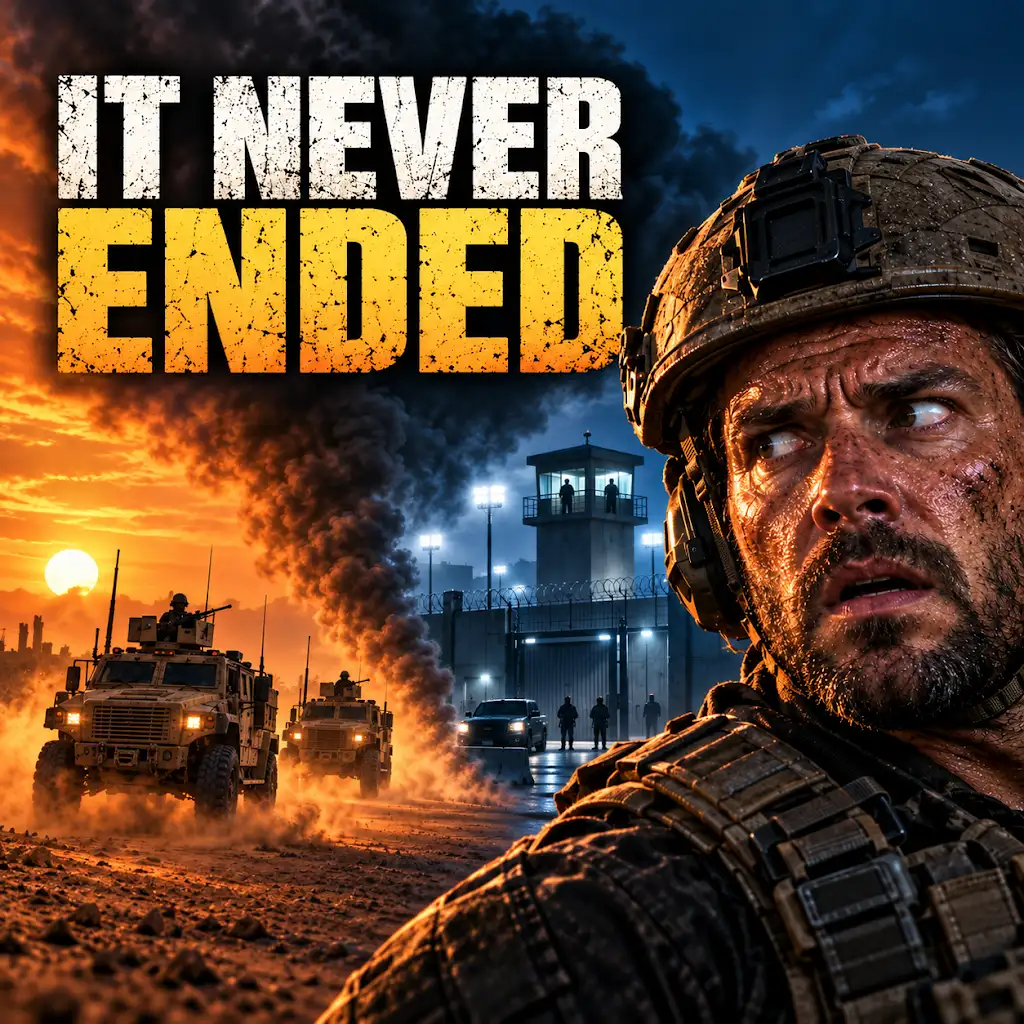
Blackwater Disappeared. America’s Private Army Didn’t.
FAQs
What is the significance of the Blackwater contractors being pardoned in 2020?
The pardon of the Blackwater contractors by President Trump in 2020 has sparked controversy and debate about accountability for private military contractors and their actions in conflict zones.
Who are the Blackwater contractors?
Blackwater Worldwide, now known as Academi, is a private military company that provides security, training, and logistics services. The contractors were involved in a 2007 shooting in Baghdad that resulted in the deaths of 14 Iraqi civilians.
What were the circumstances surrounding the 2007 shooting in Baghdad?
The shooting occurred when Blackwater contractors opened fire in a crowded Baghdad square, claiming they were responding to an attack. The incident led to a legal battle and raised questions about the use of force by private military contractors.
What was the outcome of the legal battle for the Blackwater contractors?
In 2014, four of the contractors were convicted of charges including first-degree murder and manslaughter. However, their sentences were later overturned on appeal, and in 2020, they were pardoned by President Trump.
What are the implications of the pardon for the Blackwater contractors?
The pardon has raised concerns about accountability for private military contractors and the message it sends about the use of force in conflict zones. It has also sparked debate about the broader issue of presidential pardons and their impact on justice and accountability.