The ocean, vast and indifferent, held secrets that could have rewritten human history. In the icy depths of the North Atlantic during the height of the Cold War, a chilling encounter unfolded, a stark reminder of the precarious balance upon which the world teetered. This was no mere naval exercise; it was a near-cataclysm, a “close call” involving a Soviet nuclear torpedo that almost brought the world to the brink of annihilation. The incident, shrouded in secrecy for decades, serves as a potent testament to the inherent dangers of nuclear brinkmanship and the constant, unseen risks that permeated the geopolitical landscape.
The 1960s were a period of intense ideological struggle between the United States and the Soviet Union. The nuclear arms race had reached fever pitch, with both superpowers amassing arsenals capable of unprecedented destruction. Beneath the surface of diplomatic posturing and proxy conflicts, a silent war of espionage and military preparedness raged. The oceans, particularly the strategic waters of the Arctic and North Atlantic, became a crucial theater for this confrontation. Submarines, the stealthy leviathans of the deep, were tasked with patrolling vast expanses, tracking enemy vessels, and holding their own nations’ retaliatory capabilities at the ready. The constant proximity of these armed and dangerous submarines, often in close quarters and under immense pressure, created a volatile environment where miscalculation or malfunction could have had unimaginable consequences.
The Strategic Importance of the North Atlantic
The North Atlantic was a vital artery for NATO, facilitating the transatlantic flow of supplies and troops. For the Soviet Union, it represented a crucial access point to the open ocean, allowing its submarines to project power and pose a direct threat to Western Europe and North America. Control of these waters, or at least the ability to disrupt enemy movements, was paramount to both sides’ strategic objectives. This inherent strategic importance meant that naval patrols in the region were frequent and often involved the most advanced and heavily armed vessels in each nation’s fleet. The stakes were incredibly high, and the margin for error, virtually nonexistent.
The Nuclear Deterrent: A Double-Edged Sword
The concept of Mutually Assured Destruction (MAD) formed the bedrock of nuclear deterrence. The idea was that the threat of devastating retaliation would prevent either side from launching a first strike. However, the very existence of these weapons, coupled with the technological complexities of their deployment, introduced a constant undercurrent of fear. The potential for accidental launch, technical malfunction, or escalation of conventional conflicts into nuclear exchanges was a gnawing anxiety that permeated military planning and public consciousness alike. The Soviet nuclear torpedo incident was a chilling manifestation of this inherent danger, a near-miss that brought the theoretical risks into terrifyingly tangible reality.
The Cold War era was marked by numerous tense incidents, one of which involved a nuclear torpedo that could have escalated into a catastrophic conflict. For a deeper understanding of the implications and the historical context surrounding this incident, you can read a related article that explores the complexities of military strategies during the Cold War. Check it out here: In the War Room.
The Unseen Patrol: Soviet Submarine K-172
In the year 1967, amidst this tense atmosphere, the Soviet submarine K-172, a formidable Whiskey-class vessel, was undertaking a classified mission in the North Atlantic. These submarines, though older in design, were equipped with powerful weaponry, including nuclear-tipped torpedoes. The K-172 was no ordinary patrol; it was operating deep within waters that were closely monitored by NATO forces, a deliberate act of probing and asserting Soviet presence. The crew aboard K-172, like their American counterparts, were professionals operating under immense pressure, acutely aware of the destructive power they carried and the unforgiving environment they navigated. The psychological toll of such prolonged patrols, coupled with the constant vigilance required, cannot be overstated.
Whiskey-Class Submarines: A Workhorse of the Soviet Navy
The Whiskey-class submarines were a series of diesel-electric submarines built for the Soviet Navy during the post-World War II era. While not as technologically advanced as later nuclear-powered submarines, they were numerous and played a significant role in Soviet naval strategy. Their primary mission was often offensive, including reconnaissance, mine-laying, and torpedo attacks. The K-172, a vessel of this class, was equipped with a formidable array of weaponry, including the P-5 “Piyavka” anti-ship missile and the potent 53-56VA torpedo, which could be armed with a nuclear warhead. The presence of such a weapon on a routine patrol was a stark indicator of the escalation potential inherent in the Cold War.
The Weight of Command: Captain and Crew
The responsibility for the safe operation of K-172, and indeed the immense destructive potential it carried, rested squarely on the shoulders of its captain. Decisions made under duress, in the isolated and claustrophobic environment of a submarine, could have had global repercussions. The crew, a tightly-knit unit, relied on each other for survival and the successful execution of their orders. The constant threat of detection, the unforgiving conditions of the deep sea, and the knowledge of the ultimate weapon they carried, all contributed to a high-stress operating environment. The psychological pressure on these men was immense, a silent burden carried with every submerged mile.
The Unforeseen Anomaly: A Malfunctioning System
The critical moment arrived during the K-172’s patrol. The precise details remain classified, but reports suggest a critical malfunction within the submarine’s weapon systems. This malfunction, it is believed, led to the accidental arming and potential launch sequence of a nuclear torpedo. In the frigid, pressurized world of the submarine, such an event would have been met with a terrifying surge of adrenaline and a desperate race against time. The potential for a catastrophic outcome was no longer theoretical; it was a tangible, imminent threat. The complex interplay of electronics, hydraulics, and human oversight, all susceptible to failure, had conspired to create a nightmarish scenario.
The Nuclear Torpedo: A Weapon of Ultimate Destruction
The nuclear torpedo carried by K-172 was a weapon of unprecedented destructive power. Designed to obliterate enemy vessels, its detonation would have unleashed a blast equivalent to many kilotons of TNT, capable of sinking even the largest warships and causing widespread devastation. The implications of such a weapon being accidentally launched in the crowded waters of the North Atlantic were catastrophic, potentially triggering a retaliatory strike and plunging the world into nuclear war. The sheer destructive potential of these weapons, even when wielded by accident, underscores the profound dangers of the nuclear age.
The Chain of Command and Error
In the hierarchical structure of a submarine, a malfunction could trigger a cascade of events. The arming of a nuclear weapon would have bypassed standard safety protocols, forcing the crew into a desperate struggle to regain control. The failure of multiple safety interlocks and the potential for human error under extreme stress meant that the situation on board K-172 was likely one of escalating panic and frantic attempts to avert disaster. The intricate dance between automated systems and human intervention, designed to prevent such scenarios, had seemingly faltered.
The Whispers in the Deep: NATO’s Silent Awareness

Unbeknownst to the crew of K-172, their predicament had not gone entirely unnoticed. NATO’s anti-submarine warfare (ASW) forces, constantly patrolling the region, had detected unusual activity. While the exact nature of their awareness of the nuclear torpedo situation remains speculative, the presence of heightened alert and increased tracking efforts suggests they had recognized the gravity of the developing situation. The Cold War was a constant game of cat and mouse, and NATO’s intelligence apparatus was finely tuned to detect anomalies that could signal a threat. The subtle shift in naval deployments and sonar intercepts likely indicated that something far more serious than a routine patrol was unfolding.
The Prowling Predators: NATO Submarine Hunters
NATO’s ASW forces were a formidable array of ships and aircraft designed to detect and neutralize Soviet submarines. These “hunters” were equipped with advanced sonar systems, torpedoes, and depth charges, constantly scanning the depths for any sign of enemy activity. The presence of these ASW assets in the vicinity of K-172 would have been a significant factor in the unfolding drama, providing a potential avenue for intervention or, conversely, increasing the risk of a wider confrontation. The perpetual vigilance of these patrols was a cornerstone of NATO’s defense strategy.
The Art of Espionage and Intelligence Gathering
The Cold War was as much a war of information as it was of weaponry. Intelligence agencies on both sides worked tirelessly to gather information about the enemy’s capabilities, intentions, and movements. It is plausible that NATO intelligence had prior knowledge of the potential for Soviet nuclear torpedo deployments, or had developed sophisticated methods for detecting such systems. This intelligence, even if incomplete, could have contributed to their heightened awareness of the situation aboard K-172. The unseen world of intelligence gathering played a crucial, often unacknowledged, role in preventing major conflicts.
The Cold War era was marked by numerous tense moments, one of which involved a nuclear torpedo incident that could have escalated into a catastrophic conflict. This incident highlights the precarious nature of military decisions during that time and the potential for miscommunication. For a deeper understanding of the complexities surrounding such events, you can read more about it in this insightful article on military history. The article provides a comprehensive overview of the Cold War’s strategic dilemmas and the critical moments that shaped global politics. To explore further, visit this link.
The Hour of Decision: Crisis Averted
| Incident | Details |
|---|---|
| Date | October 27, 1962 |
| Location | Caribbean Sea |
| Parties involved | United States and Soviet Union |
| Description | A US Navy destroyer dropped depth charges on a Soviet submarine carrying nuclear torpedoes during the Cuban Missile Crisis |
| Outcome | The incident almost led to a nuclear confrontation between the two superpowers |
The details of how the crisis was ultimately averted are, like much of this incident, shrouded in secrecy. However, it is understood that through a combination of technical expertise, extraordinary seamanship, and perhaps a degree of luck, the crew of K-172 managed to disarm or neutralize the nuclear torpedo before it could be launched. The immense pressure and the potential for global catastrophe likely galvanized the crew to perform at the absolute peak of their abilities. The incident serves as a chilling reminder of the human element in the face of technological peril, and the courage and skill required to avert disaster even when armed with weapons of unimaginable power. The echoes of this close call continue to resonate, a solemn warning from the depths of the Cold War.
The Skill of the Soviet Sailors
The bravery and technical proficiency of the K-172’s crew in resolving the crisis are undeniable. Facing a malfunctioning nuclear weapon in the isolated confines of a submarine would have been an ordeal of unimaginable psychological and technical difficulty. Their success in disarming the torpedo, whatever the precise method, speaks volumes about their training and dedication. These were individuals operating at the sharp end of a dangerous profession, and their actions, though largely unknown, undoubtedly saved countless lives and prevented a global catastrophe.
The Legacy of Secrecy
The enduring secrecy surrounding this incident is a testament to the sensitive nature of Cold War operations and the ongoing implications of nuclear weapons. For decades, this near-miss remained hidden, a ghost story whispered in intelligence circles. The eventual declassification of some information, however partial, has allowed for a greater understanding of the risks inherent in the nuclear age. The story of the K-172 serves as a vital case study for policymakers and military strategists, a stark reminder that the specter of nuclear war, even in its accidental manifestations, remains a potent threat. It underscores the critical importance of robust safety protocols, clear communication channels, and a commitment to de-escalation in a world still armed with weapons of mass destruction. The close call in the North Atlantic was a potent, if silent, lesson learned.
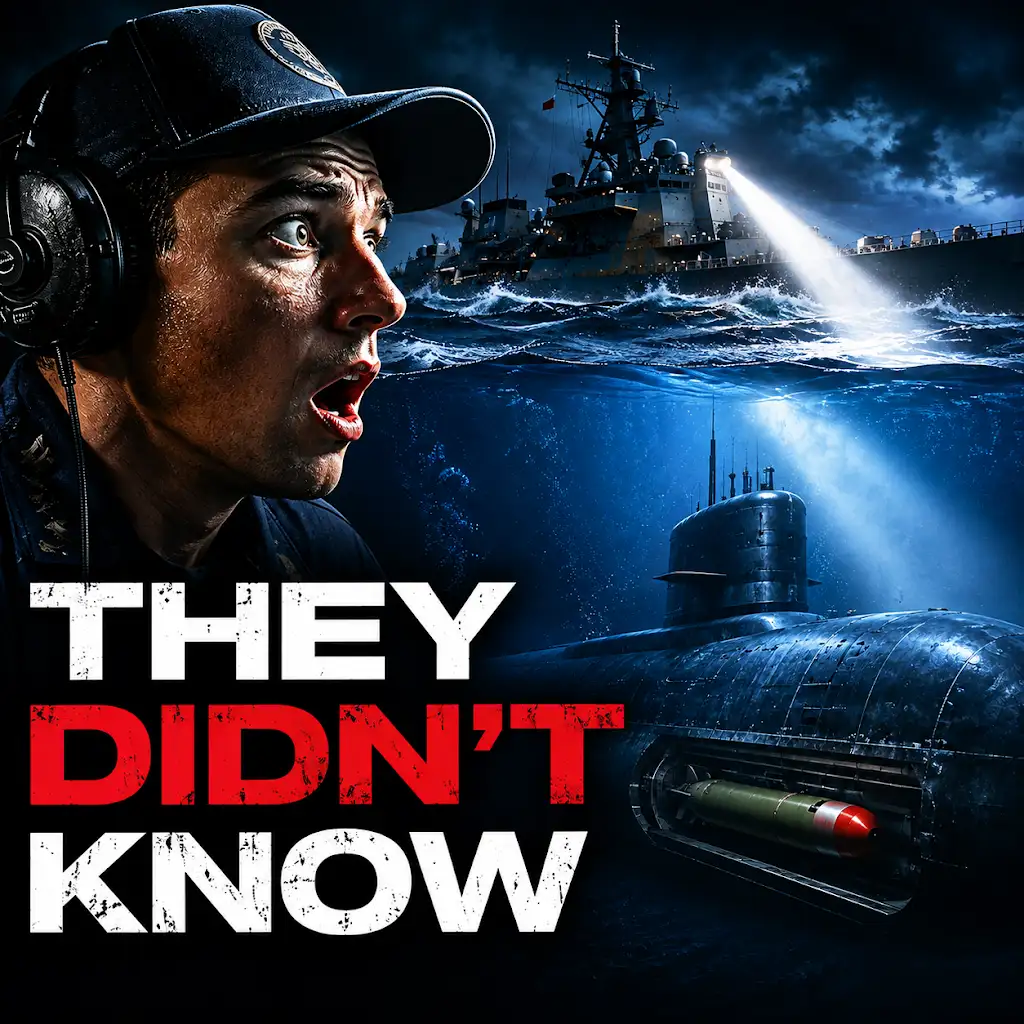
The U.S. Navy Didn’t Know This Submarine Had a Nuclear Torpedo
FAQs
What was the Cold War nuclear torpedo incident?
The Cold War nuclear torpedo incident refers to an event that occurred in 1961, when a Soviet submarine armed with a nuclear torpedo experienced a malfunction that almost led to the detonation of the torpedo.
Where did the Cold War nuclear torpedo incident take place?
The incident took place in the Barents Sea, near the coast of Norway. The Soviet submarine, designated K-19, was on a patrol mission when the malfunction occurred.
What caused the malfunction in the Soviet submarine’s nuclear torpedo?
The malfunction was caused by a leak in the submarine’s cooling system, which led to a rapid increase in temperature and pressure within the torpedo’s nuclear reactor.
How was the Cold War nuclear torpedo incident resolved?
The crew of the K-19 submarine worked tirelessly to prevent the detonation of the nuclear torpedo. They were ultimately successful in stabilizing the situation and preventing a catastrophic explosion.
What were the long-term implications of the Cold War nuclear torpedo incident?
The incident highlighted the dangers and risks associated with nuclear weapons, and served as a reminder of the potential for nuclear accidents during the Cold War. It also contributed to growing concerns about nuclear safety and the need for international cooperation to prevent nuclear disasters.