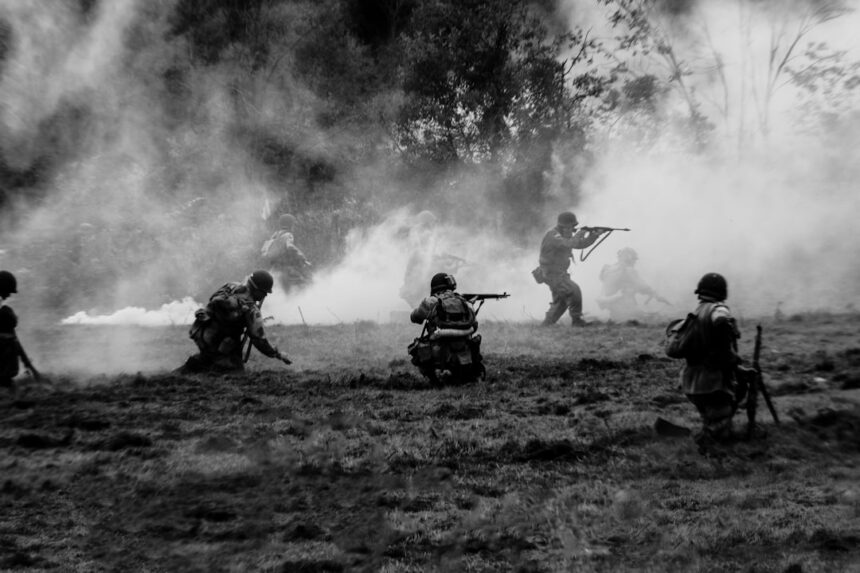
The Six-Day War, a conflict that reshaped the geopolitical landscape of the Middle East, remains a pivotal event in the history of Israel and its Arab neighbors, particularly Egypt. In a mere six days, from June 5th to June 10th, 1967, a swift and decisive Israeli military victory dramatically altered territorial control, exacerbated regional tensions, and set the stage for decades of future conflict and diplomatic maneuvering. This brief, yet cataclysmic, war was the culmination of escalating tensions, a complex web of alliances, and deeply ingrained animosities that had festered since the establishment of the State of Israel in 1948.
The years leading up to 1967 were characterized by a palpable sense of unease and escalating hostility in the Middle East. The aftermath of the 1948 Arab-Israeli War, which saw Israel secure its independence amidst a conflict with neighboring Arab states, left deep scars. The displacement of hundreds of thousands of Palestinian Arabs and the ongoing territorial disputes created a volatile environment. For Israel, survival was paramount, necessitating a strong military and a constant vigilance against existential threats. For the Arab nations, the defeat in 1948 was a bitter pill, fueling a desire for retribution and the undoing of what they perceived as an illegitimate state.
The Lingering Shadow of 1948
The armistice agreements that followed the 1948 war were never truly peace treaties. They established armistice lines, not recognized borders, and left numerous unresolved issues, including the status of Palestinian refugees and the division of Jerusalem. These unresolved grievances provided fertile ground for ongoing hostility and sporadic border skirmishes. The psychological impact of the 1948 war on both sides was profound. For Israelis, it cemented a sense of being a besieged nation, surrounded by hostile forces. For many Arabs, it solidified a narrative of injustice and a determination to regain lost territories.
The Rise of Arab Nationalism and Gamal Abdel Nasser
A significant factor contributing to the heightened tensions was the rise of Arab nationalism, spearheaded by Egypt’s charismatic President Gamal Abdel Nasser. Nasser, a charismatic orator and a towering figure in the Arab world, espoused a vision of Arab unity and liberation from foreign influence. His Pan-Arab ideology resonated deeply across the region, and he positioned himself as the leading opponent of Israel. Nasser’s rhetoric was often fiery, vowing to “drive the Israelis into the sea” and dismantle the state of Israel. This anti-Israel sentiment was not unique to Nasser but was amplified by his influential voice and Egypt’s position as the most populous and militarily significant Arab nation.
Escalating Border Tensions and Proxy Conflicts
The period between 1949 and 1967 was marked by a series of escalating border incidents, infiltrations, and retaliatory actions. These skirmishes, often originating from Palestinian fedayeen (guerrilla fighters) launching attacks into Israel from neighboring Arab countries, were met with significant Israeli military responses. These responses, in turn, were often perceived by Arab nations as acts of aggression, further fueling the cycle of violence. Furthermore, the Cold War played a significant role, with the Soviet Union increasingly supplying arms to Arab states, particularly Egypt, and the United States solidifying its support for Israel. This proxy rivalry intensified regional militarization and deepened the animosity between the two blocs.
The Water Dispute and the Jordan River Diversion
Another critical point of contention was the Jordan River and its tributaries. Control over water resources was vital for the burgeoning nations of the region, and Israel’s plan to divert water from the Jordan River to the Negev Desert was met with fierce opposition from its Arab neighbors, particularly Syria and Lebanon. The Arab League responded by proposing its own diversion projects, aimed at thwarting Israel’s efforts and redirecting water to Arab territories. These water diversion schemes became a focal point of tension, leading to military clashes and further escalating the confrontational atmosphere.
The Six Day War, a pivotal conflict between Israel and Egypt in 1967, reshaped the geopolitical landscape of the Middle East. For a deeper understanding of the events leading up to this war and its lasting impact on regional dynamics, you can read a related article on this topic at In the War Room. This resource provides valuable insights into the strategies, key players, and consequences of the war, making it an essential read for anyone interested in Middle Eastern history.
The Spark Ignites: The Events of May 1967
The seemingly inevitable conflict was ignited by a rapid series of events in May 1967, which transformed simmering tensions into an immediate crisis. A combination of military posturing, diplomatic miscalculations, and a perceived shift in the regional balance of power propelled the Middle East towards the brink of war.
Soviet Intelligence and the Israeli Troop Buildup Myth
A crucial element in the escalation was a series of inaccurate intelligence reports purportedly from the Soviet Union, which informed Egypt of a significant Israeli military buildup on the Syrian border. These reports, later revealed to be largely unfounded or exaggerated, played a critical role in President Nasser’s decision-making. Believing that an Israeli attack on Syria was imminent, Nasser felt compelled to act to support his Arab ally and uphold his leadership in the Arab world.
The Straits of Tiran Blockade: A Casus Belli
In response to perceived Israeli threats and as a demonstration of Arab solidarity, Egypt, on May 22nd, 1967, closed the Straits of Tiran to Israeli shipping. This strait, the sole maritime outlet for Israel to the Red Sea and its southern port of Eilat, had been declared by Israel as a casus belli in 1956 during the Suez Crisis. The blockade was a direct challenge to Israel’s freedom of navigation and its economic lifeline. International law regarding such blockades was complex and contested, but for Israel, it was an act of war.
The Withdrawal of UN Peacekeepers
Compounding the crisis was the decision by the United Nations Secretary-General U Thant to withdraw the United Nations Emergency Force (UNEF) from the Sinai Peninsula at Egypt’s request. UNEF had been stationed in Sinai since the Suez Crisis of 1956, serving as a buffer between Israeli and Egyptian forces. Its withdrawal removed a crucial peacekeeping presence and significantly increased the likelihood of direct confrontation. Nasser’s demand for their withdrawal and U Thant’s acquiescence were seen by many as a major diplomatic failure and a green light for further escalation.
The Mobilization and Confrontation
In the days following the blockade, both sides engaged in feverish military mobilizations. Egypt amassed its army in the Sinai Peninsula, positioning troops and tanks close to the Israeli border. Jordan, allied with Egypt, also mobilized its forces. Israel, facing an existential threat with hostile armies on its borders and a declared blockade, mobilized its reserves and placed its military on high alert. The atmosphere across the region was thick with anticipation and the certainty of impending conflict.
The Six Days of Warfare: A Lightning Campaign
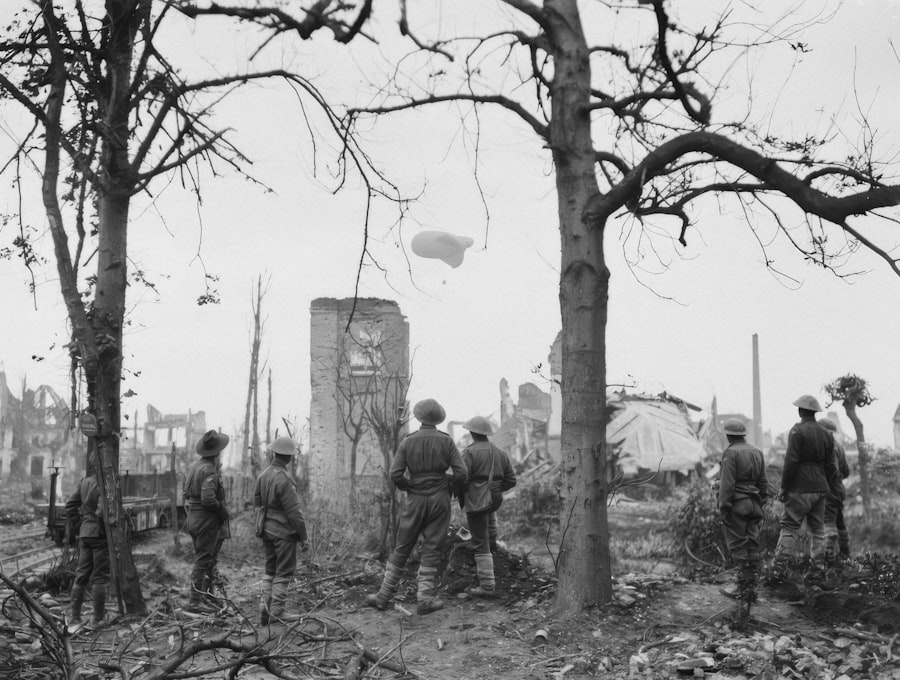
The Six-Day War itself was a testament to Israel’s military prowess and strategic planning. In a swift and overwhelming offensive, Israel achieved a series of decisive victories across multiple fronts, fundamentally altering the map of the Middle East.
Operation Focus: Dominance of the Skies
The war began on the morning of June 5th, 1967, with a pre-emptive strike by the Israeli Air Force (IAF) codenamed “Operation Focus” (Moked). In a series of devastating waves, the IAF systematically targeted and destroyed the air forces of Egypt, Syria, and Jordan while they were still on the ground. This audacious and highly effective operation crippled the aerial capabilities of the Arab armies, ensuring Israeli air superiority for the remainder of the conflict. The destruction of over 300 aircraft in a matter of hours was a stunning achievement and a critical factor in the rapid unfolding of the war.
The Sinai Front: A Swift and Decisive Victory
Following the neutralization of the enemy air forces, Israel launched its ground offensive into the Sinai Peninsula. The Egyptian army, though numerically superior, was ill-prepared for the speed and ferocity of the Israeli assault. Israeli armored divisions, employing advanced tactics and superior training, sliced through Egyptian defenses. The iconic battles of Abu Ageila and the capture of key strategic passes in the Sinai Peninsula marked the rapid disintegration of Egyptian resistance. Within days, Israeli forces had pushed deep into Sinai, reaching the Suez Canal.
The West Bank and Jerusalem: Reunification and Controversy
On the Jordanian front, Israel faced the Arab Legion, a well-trained and disciplined force. The fighting for the West Bank was intense, particularly in Jerusalem. The capture of East Jerusalem, including the Old City and the Western Wall, was a moment of immense historical and religious significance for the Jewish people, who had been denied access to their holiest sites since 1948. The reunification of Jerusalem under Israeli control, however, proved to be a highly contentious issue, with significant implications for the Palestinian population and future peace negotiations.
The Golan Heights: Securing the Northern Frontier
The northern front saw fierce fighting against Syrian forces on the Golan Heights. The Syrian army had heavily fortified the plateau, which overlooked Israeli settlements in the Galilee. The Israeli offensive to capture the Golan Heights was challenging, involving arduous uphill battles against entrenched positions. However, the relentless Israeli advance, combined with the ongoing destruction of Syrian air power, ultimately led to the capture of the entire Golan Heights by June 10th. This strategic victory provided Israel with a significant buffer against future Syrian incursions.
The Aftermath and Lingering Consequences

The Six-Day War, despite its brevity, had profound and far-reaching consequences that continue to shape the Middle East to this day. The territorial changes, the geopolitical realignments, and the enduring human cost of the conflict created a complex legacy of unresolved issues.
Territorial Expansion and the Occupied Territories
The most immediate and significant outcome of the war was Israel’s territorial expansion. Israel captured the Sinai Peninsula and the Gaza Strip from Egypt, the West Bank and East Jerusalem from Jordan, and the Golan Heights from Syria. These occupied territories became a source of ongoing political and military contention. The establishment of Israeli settlements in the West Bank and Gaza Strip, in particular, has been a major obstacle to peace and a focal point of international concern and criticism.
The Palestinian Question Intensified
The Six-Day War dramatically intensified the Palestinian question. The occupation of the West Bank and Gaza Strip, areas where hundreds of thousands of Palestinians already resided, created a new reality. The displacement of more Palestinians and the imposition of Israeli military rule led to increased Palestinian resistance and a strengthened sense of national identity. The issue of Palestinian self-determination and the creation of an independent Palestinian state became even more central to regional dynamics.
The Rise of the Palestine Liberation Organization (PLO)
In the wake of the war, the Palestine Liberation Organization (PLO) gained renewed prominence. While established in 1964, the Six-Day War galvanized the PLO and its various factions, which increasingly viewed armed struggle as the primary means to achieve Palestinian liberation. The organization’s commitment to the destruction of Israel and the establishment of a Palestinian state on its territory became a defining feature of its agenda, leading to years of guerrilla warfare and terrorism.
The United Nations Security Council Resolution 242
In the aftermath of the war, the United Nations Security Council passed Resolution 242 on November 22nd, 1967. This landmark resolution called for “the inadmissibility of the acquisition of territory by war” and affirmed the need for “a just and lasting peace in which every state in the area can live in security.” It called for the withdrawal of Israeli armed forces from territories occupied in the recent conflict and the termination of all claims or states of belligerency and respect for and acknowledgment of the sovereignty, territorial integrity and political independence of every State in the area. Resolution 242 became a cornerstone of international efforts to resolve the Arab-Israeli conflict, though its interpretation and application have been a source of persistent disagreement.
The Six Day War between Israel and Egypt in 1967 was a pivotal moment in Middle Eastern history, reshaping the geopolitical landscape of the region. For those interested in exploring the complexities of this conflict further, a related article provides valuable insights into the events leading up to the war and its lasting impact. You can read more about it in this informative piece on the subject, which delves into the various factors that contributed to the outbreak of hostilities. For more details, check out this related article.
The Long Shadow of War: From Camp David to the Present
| Metrics | Israel | Egypt |
|---|---|---|
| Duration | 6 days | 6 days |
| Casualties | Approximately 800 killed | Approximately 11,000 killed |
| Territory Gained | Gaza Strip, Sinai Peninsula, West Bank, Golan Heights, and East Jerusalem | Lost Sinai Peninsula |
| Outcome | Decisive Israeli victory | Defeat for Egypt |
The Six-Day War did not bring an end to the conflict; rather, it ushered in a new era of protracted struggle, shifting alliances, and complex diplomatic efforts. The territorial gains and losses of 1967 became the central focus of future negotiations and ongoing military confrontations.
The War of Attrition and the Yom Kippur War
In the years following the Six-Day War, tensions remained high. Egypt, under Nasser and later Anwar Sadat, sought to regain the Sinai Peninsula, leading to the War of Attrition (1967-1970) along the Suez Canal. This conflict, characterized by artillery duels and limited ground operations, further solidified the stalemate. In 1973, Egypt and Syria launched a surprise attack on Israel, initiating the Yom Kippur War (also known as the October War). While initially successful, the Arab offensive was eventually repelled by Israel, but the war demonstrated that the status quo established in 1967 was unsustainable and led to a significant shift in regional dynamics.
The Camp David Accords and the Peace with Egypt
A monumental shift occurred in 1978 with the Camp David Accords, brokered by U.S. President Jimmy Carter. These accords led to a historic peace treaty between Israel and Egypt in 1979, marking the first time an Arab nation recognized Israel’s right to exist. As part of the agreement, Israel returned the Sinai Peninsula to Egypt, a significant territorial concession that demonstrated the possibility of achieving peace through diplomacy. This peace agreement, however, did not resolve the Palestinian issue or the status of other occupied territories.
The Intifadas and the Ongoing Struggle for Peace
The ongoing Israeli occupation of the West Bank and Gaza Strip fueled Palestinian resistance, culminating in two major uprisings: the First Intifada (1987-1993) and the Second Intifada (2000-2005). These widespread protests, strikes, and violent confrontations highlighted the deep frustrations and aspirations of the Palestinian people. Despite numerous peace initiatives, including the Oslo Accords of the 1990s, a comprehensive and lasting resolution to the Israeli-Palestinian conflict remains elusive. The territorial divisions and the legacy of the Six-Day War continue to cast a long shadow over the region.
The Geopolitical Repercussions and Regional Stability
The Six-Day War had far-reaching geopolitical consequences beyond the immediate Arab-Israeli conflict. It solidified the United States’ role as a major player in the Middle East, increasingly providing military and economic aid to Israel. It also led to a significant increase in Soviet influence in certain Arab states. The war contributed to a prolonged period of instability in the region, characterized by proxy conflicts, internal strife, and the rise of various militant groups. The unresolved issues stemming from the Six-Day War continue to be a significant factor in regional security and international relations.
The Six-Day War stands as a stark reminder of the devastating consequences of unresolved territorial disputes and the dangers of escalating military tensions. Its impact on the lives of millions, the redrawing of borders, and the shaping of regional politics is undeniable. The quest for a just and lasting peace in the Middle East remains an ongoing challenge, deeply intertwined with the legacy of those momentous six days in June 1967.

The Intelligence System That Won the Six-Day War Before It Began
FAQs
What was the Six Day War?
The Six Day War was a brief but significant conflict that took place between June 5 and June 10, 1967, involving Israel and the neighboring Arab states of Egypt, Jordan, and Syria.
What were the main causes of the Six Day War?
The main causes of the Six Day War included longstanding tensions between Israel and its Arab neighbors, particularly regarding territorial disputes, access to water resources, and the presence of Palestinian refugees.
What were the outcomes of the Six Day War?
The outcomes of the Six Day War were significant, as Israel emerged victorious and gained control of the Sinai Peninsula and the Gaza Strip from Egypt, the West Bank and East Jerusalem from Jordan, and the Golan Heights from Syria.
How did the Six Day War impact the region?
The Six Day War had a lasting impact on the region, leading to further tensions and conflicts between Israel and its Arab neighbors, as well as shaping the geopolitical landscape of the Middle East.
What were the long-term implications of the Six Day War?
The long-term implications of the Six Day War included the continued Israeli occupation of the territories it had captured, ongoing Palestinian-Israeli conflict, and the eventual peace treaties between Israel and Egypt and Jordan.