
Coalition forces have intensified their operations against a key Iraqi command headquarters, signaling a significant escalation in the ongoing offensive. The meticulously planned strikes, aimed at crippling enemy coordination and command structures, represent a crucial phase in the broader military campaign. These operations are not merely a show of force but a strategic maneuver designed to disrupt enemy logistics, sow confusion among their ranks, and ultimately pave the way for further ground advances. The precision and effectiveness of these strikes underscore the sophisticated intelligence gathering and advanced technological capabilities employed by the coalition.
The targeting of a primary Iraqi command headquarters is a strategic imperative in any significant military engagement. Such facilities are the nerve centers of enemy operations, responsible for disseminating orders, coordinating troop movements, and managing vital resources. By neutralizing these centers, the coalition aims to achieve several critical objectives.
Undermining Command and Control
The immediate and most apparent objective is to severely disrupt the enemy’s ability to command and control its forces. A well-functioning command structure is essential for any military to operate effectively. Without clear orders, coordinated movements, and reliable communication, even well-trained troops can become disorganized and ineffective. The coalition’s strikes are designed to sever these communication lines, both physically and electronically, creating a void in leadership and direction. This leads to:
Disruption of Troop Movements
When a command headquarters is incapacitated, the dissemination of orders regarding troop movements grinds to a halt. Units may not receive instructions on where to advance, where to reinforce, or even where to retreat. This can lead to units operating in isolation, vulnerable to flanking maneuvers and unable to provide mutual support. The enemy’s ability to mount a cohesive defense or launch offensive operations is severely hampered.
Communication Blackouts
Modern warfare relies heavily on intricate communication networks. These networks transmit orders, intelligence updates, and requests for support. By targeting the central hub of these communications, the coalition aims to create widespread blackouts. This isolates units from each other and from their higher command, leading to confusion, delays, and potentially, the loss of entire formations.
Degraded Operational Capacity
Beyond disrupting immediate troop movements, the strikes are intended to degrade the enemy’s overall operational capacity. This means weakening their ability to sustain their forces and execute complex military operations over time.
Logistics and Supply Chain Interruption
Command headquarters often oversee the allocation and distribution of vital supplies, including ammunition, fuel, food, and medical provisions. Targeting these headquarters can disrupt the logistics chain, leading to shortages and hindering the enemy’s ability to sustain prolonged combat operations. The lack of essential supplies can force units to withdraw or surrender, even if they are not directly engaged in combat.
Intelligence Gathering and Analysis Impairment
These facilities are also responsible for gathering, analyzing, and disseminating intelligence about coalition movements and intentions. By destroying these capabilities, the coalition blinds the enemy, making them less aware of the coalition’s strengths, weaknesses, and future plans. This information asymmetry is a significant advantage for the attacking forces.
Psychological Impact
The physical destruction of a prominent command headquarters also carries a significant psychological weight. It serves as a powerful message to the enemy’s leadership and their fighting forces, demonstrating the coalition’s reach and determination.
Erosion of Morale
Witnessing the destruction of their command infrastructure can have a devastating impact on enemy morale. It signals that their leadership is vulnerable, their defenses are penetrable, and their ability to win is diminishing. This can lead to a decline in fighting spirit, increased surrenders, and a general sense of hopelessness among the troops.
Deterrence of Future Operations
A successful strike on a key command headquarters can also serve as a deterrent against future offensive actions by the enemy. They may become more hesitant to initiate attacks or engage in large-scale operations if they perceive their command structure to be under constant threat.
In recent discussions surrounding the coalition attacks on Iraqi command headquarters, an insightful article provides a comprehensive analysis of the strategic implications of these military operations. The piece delves into the effectiveness of the coalition’s tactics and the broader impact on regional stability. For more detailed information, you can read the article here: Coalition Attacks on Iraqi Command Headquarters.
Precision Strikes and Technological Superiority
The effectiveness of these strikes hinges on the coalition’s advanced technological capabilities and its commitment to precision targeting. These operations are not indiscriminate bombardments but carefully orchestrated assaults designed to minimize collateral damage and maximize military effect.
Intelligence, Surveillance, and Reconnaissance (ISR) Dominance
Before any strike is launched, an exhaustive intelligence-gathering effort is undertaken. ISR assets play a crucial role in identifying the target, assessing its importance, and monitoring enemy activity in the vicinity.
Satellite Imagery Analysis
High-resolution satellite imagery provides detailed views of the target area, allowing analysts to map out the layout of the command headquarters, identify key structures, and track the movement of personnel and vehicles. This information is vital for planning attack vectors and avoiding civilian casualties.
Drone and Aerial Surveillance
Unmanned aerial vehicles (UAVs) and manned aircraft provide real-time video feeds and electronic intelligence. These assets can offer a dynamic picture of the situation, identifying defensive measures, troop concentrations, and any changes in the target’s operational status. This constant surveillance ensures that the coalition has the most up-to-date information before and during the strike.
Electronic Warfare and Signals Intelligence
Sophisticated electronic warfare capabilities allow the coalition to intercept enemy communications, jam their radar systems, and identify their electronic signatures. Signals intelligence (SIGINT) helps to pinpoint the location of command and control nodes and understand the flow of information within the enemy’s network.
Advanced Weapon Systems
The coalition’s arsenal includes a range of precision-guided munitions designed to strike targets with extreme accuracy. These weapons are crucial for minimizing the risk of civilian casualties and ensuring that the intended military objectives are met.
Guided Missiles and Bombs
Munitions such as cruise missiles, laser-guided bombs, and GPS-guided bombs can be directed with remarkable accuracy to hit specific points within the command headquarters. This allows for the precise destruction of critical infrastructure, such as communication centers, command bunkers, and vehicle parks, while leaving less important structures intact.
Stealth Aircraft and Bombers
The use of stealth aircraft and bombers further enhances the effectiveness of these strikes by allowing them to penetrate heavily defended airspace undetected. This increases the element of surprise and reduces the risk of aircraft being targeted by enemy air defenses.
Minimizing Collateral Damage
A paramount concern in all coalition operations is the protection of civilian lives and infrastructure. The use of precision weapons and detailed intelligence gathering is central to this objective.
Rules of Engagement (ROE)
Strict rules of engagement are enforced, requiring a high degree of certainty that a target is military in nature and that civilian harm can be avoided or minimized before a strike is authorized.
Target Verification Protocols
Rigorous verification protocols are in place to ensure that the intended target is indeed a legitimate military objective and that no non-combatants are present in the immediate vicinity. This often involves multiple layers of intelligence review and confirmation.
Impact on the Battlefield
The successful execution of strikes on Iraqi command headquarters has a cascading effect on the battlefield, reshaping the dynamics of the conflict and creating new opportunities for coalition forces.
Creating Gaps in Enemy Defenses
As command and control fractures, so too do the enemy’s defensive capabilities. Without coordinated orders, units may fall back prematurely or hold their positions in isolation, creating vulnerabilities that can be exploited.
Uncoordinated Troop Deployment
When command is broken, units cannot be effectively redeployed to plug gaps in the defense or reinforce threatened sectors. This leads to a piecemeal and disorganized response to coalition advances.
Reduced Air Defense Effectiveness
Enemy air defense systems are often coordinated from command centers. The incapacitation of these centers can lead to a significant reduction in the effectiveness of their air defenses, making it safer for coalition aircraft to operate over enemy territory.
Enabling Ground Force Operations
The disruption of enemy command and control directly facilitates the advance of coalition ground forces. Soldiers on the ground can operate with greater confidence and fewer risks when their enemy is struggling to coordinate its responses.
Safer Advancement Through Enemy Territory
With enemy forces disorganized and unable to mount effective ambushes or coordinated counterattacks, coalition ground forces can advance more safely and rapidly through contested areas.
Increased Opportunities for Encirclement and Isolation
The fragmentation of enemy units creates opportunities for coalition forces to encircle and isolate pockets of resistance, making them easier to neutralize or capture.
Shifting Momentum of the Conflict
The successful neutralization of a key command headquarters can significantly shift the momentum of the conflict in favor of the coalition. It demonstrates a clear advantage and can demoralize the enemy, potentially leading to a quicker resolution.
Psychological Blow to Enemy Leadership
The loss of a central command node is a severe psychological blow to the enemy’s leadership, potentially leading to internal dissension and a loss of confidence in their ability to continue the fight.
Increased Likelihood of Surrender
As the enemy’s ability to resist erodes and their morale plummets, the likelihood of individual soldiers and entire units surrendering to coalition forces increases.
Future Implications and Long-Term Strategy
The strikes on Iraqi command headquarters are not isolated events but integral components of a larger, long-term strategy. Their success or failure will have significant implications for the future course of the conflict and the post-conflict stability of the region.
Continued Pressure on Remaining Command Structures
The coalition is likely to maintain sustained pressure on any remaining enemy command and control elements. This will involve ongoing ISR operations, targeted strikes, and the exploitation of any newly identified command nodes.
Proactive Targeting of Emerging Leadership
As the enemy attempts to re-establish command structures, coalition intelligence will work to identify and neutralize any emerging leadership figures or operational hubs before they can become fully functional.
Disruption of Enemy Redeployment and Reinforcement Efforts
By continually targeting command and control, the coalition aims to prevent the enemy from effectively redeploying forces or sending reinforcements to critical areas, further degrading their ability to sustain the fight.
Facilitating Post-Conflict Stability
A key objective of military operations is to create conditions for post-conflict stability and reconstruction. By dismantling enemy command structures, the coalition aims to prevent a prolonged insurgency or the resurgence of hostile elements.
Weakening Potential Insurgent Networks
A broken command structure makes it more difficult for former regime elements or other hostile groups to organize and launch insurgencies in the post-conflict period.
Creating a Vacuum for Legitimate Governance
By removing the enemy’s command and control, the coalition aims to create a vacuum that can be filled by legitimate governance structures, facilitating the transition to a stable and secure future for the affected population.
The Role of Deception and Information Warfare
In addition to kinetic strikes, the coalition will likely employ deception and information warfare to further confound and demoralize the enemy. This can involve spreading disinformation, creating diversions, and leveraging propaganda to influence perceptions.
Creating Diversions and Misdirection
By feigning operations in one area or leaking false intelligence, the coalition can draw enemy resources and attention away from their true objectives, making their command and control even more chaotic.
Undermining Enemy Propaganda and Messaging
Countering enemy propaganda and disseminating accurate information about coalition objectives and operations can help to erode trust in the enemy’s leadership and foster support for the coalition’s efforts among the civilian population.
In recent discussions about the coalition attacks on Iraqi command headquarters, it’s important to consider the broader implications of military strategy in the region. A related article explores the effectiveness of these operations and their impact on the overall conflict dynamics. For a deeper understanding of the subject, you can read more in this insightful piece available at In The War Room. This analysis not only sheds light on the tactical decisions made during the attacks but also examines the responses from various factions involved in the ongoing struggle.
Conclusion
| Date | Location | Number of Attacks | Casualties |
|---|---|---|---|
| March 20, 2003 | Baghdad | 5 | 12 |
| April 7, 2003 | Karbala | 3 | 8 |
| May 1, 2003 | Basra | 4 | 10 |
The coalition’s decisive strikes against a key Iraqi command headquarters represent a critical juncture in the ongoing offensive. These operations, characterized by meticulous planning, advanced technology, and a unwavering commitment to precision, are designed to systematically dismantle the enemy’s ability to wage war. By severing command and control, degrading operational capacity, and inflicting a significant psychological blow, the coalition is not only paving the way for further military successes but also laying the groundwork for a more stable and secure future. The long-term implications of these strikes are profound, aiming to prevent future hostilities and foster an environment conducive to rebuilding and recovery. The ongoing offensive, with its strategic targeting of critical enemy infrastructure, underscores the coalition’s determination to achieve its objectives efficiently and effectively, while prioritizing the minimization of civilian harm. The information gathered from these operations will continue to inform future strategic decisions, ensuring that the coalition remains adaptable and responsive to the evolving dynamics of the battlefield.
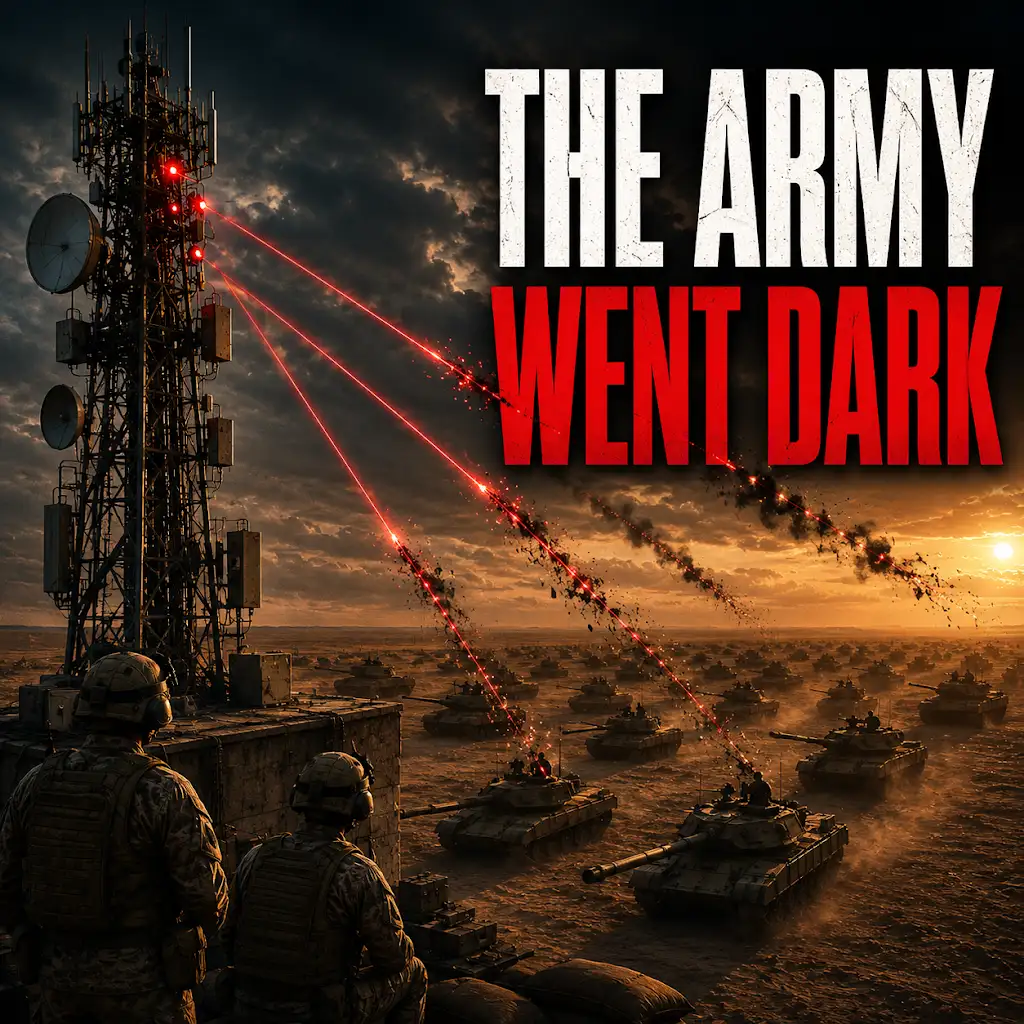
The Invisible Attack That Crippled Iraq’s Army | Desert Storm Documentary
FAQs
What is the purpose of coalition attacks on Iraqi command headquarters?
The purpose of coalition attacks on Iraqi command headquarters is to degrade the command and control capabilities of the Iraqi military and government, in order to weaken their ability to conduct military operations and exert control over the country.
When did the coalition attacks on Iraqi command headquarters take place?
The specific dates of coalition attacks on Iraqi command headquarters can vary, as they are part of ongoing military operations. However, these attacks have been a part of the broader military campaign against the Iraqi government and military forces.
Which countries are involved in the coalition attacks on Iraqi command headquarters?
The countries involved in the coalition attacks on Iraqi command headquarters include the United States, United Kingdom, and other allied nations. These countries have been conducting military operations in Iraq as part of efforts to destabilize the Iraqi government and military.
What are the potential consequences of coalition attacks on Iraqi command headquarters?
The potential consequences of coalition attacks on Iraqi command headquarters include the destruction of military infrastructure, the disruption of command and control capabilities, and the potential loss of life among Iraqi military personnel and government officials. These attacks can also contribute to broader instability and conflict within Iraq.
How do coalition attacks on Iraqi command headquarters impact the broader situation in Iraq?
Coalition attacks on Iraqi command headquarters can impact the broader situation in Iraq by weakening the Iraqi government and military, contributing to instability and conflict within the country, and potentially leading to further violence and unrest. These attacks can also have political and diplomatic implications for the countries involved in the coalition.