Coordinating Tanks, Artillery, and Infantry in Modern Warfare
The battlefield of the 21st century is a complex, multi-domain environment. Success hinges not just on the individual prowess of different military branches, but on their seamless integration and coordinated action. Among the most crucial elements of combined arms warfare are the synergistic efforts of armored vehicles, artillery, and infantry. These three components, when employed in harmony, create a formidable force capable of overcoming diverse threats and achieving decisive objectives. The effectiveness of their coordination dictates the pace of operations, the ability to seize and hold terrain, and ultimately, the outcome of engagements. This article delves into the intricate mechanisms and strategic considerations that underpin the successful coordination of tanks, artillery, and infantry in modern warfare.
Before delving into coordination, it is essential to understand the distinct but complementary roles played by tanks, artillery, and infantry. Each possesses unique strengths and weaknesses that, when leveraged correctly, create a potent operational synergy.
The Hammer: The Role of Armored Vehicles
Tanks, with their heavy armor and direct-fire capabilities, represent the shock element of ground combat. They are designed to engage enemy armor, breach fortified positions, and provide direct fire support to infantry. Their presence on the battlefield instills fear in the enemy and provides a significant psychological advantage.
Main Battle Tanks (MBTs)
The modern MBT is a marvel of engineering, combining firepower, protection, and mobility. Equipped with powerful main guns, advanced fire control systems, and sophisticated armor protection (including reactive and composite armor), they are capable of engaging targets at long ranges and with devastating effect. Their ability to move across varied terrain allows them to exploit breakthroughs and maintain momentum.
Infantry Fighting Vehicles (IFVs)
While not as heavily armored as MBTs, IFVs offer a crucial combination of troop transport and direct fire support. They are designed to accompany infantry, providing them with mobile protection and suppressing enemy fire with their autocannons and missile systems. IFVs enable infantry to rapidly deploy, engage threats, and maintain cohesion under fire.
Armored Personnel Carriers (APCs)
APCs prioritize troop transport and basic protection, often lacking the heavy armament of IFVs. They are essential for moving infantry safely and efficiently across the battlefield, particularly in areas where direct engagement is less likely. Their role is to deliver troops to objectives and provide a mobile shield during transit.
The Anvil: The Power of Artillery
Artillery, encompassing both direct and indirect fire systems, provides the essential supporting fires that shape the battlefield, suppress enemy defenses, and enable maneuver. Its ability to deliver sustained and accurate fire over significant distances makes it indispensable for breaking enemy resistance and softening objectives before an assault.
Cannon Artillery
Towed and self-propelled howitzers and guns are the backbone of cannon artillery. They provide high explosive, fragmentation, and smoke munitions capable of suppressing enemy infantry, disrupting artillery positions, and creating smoke screens for maneuver. Their flexibility in range and rate of fire makes them a versatile tool for a wide array of tactical situations.
Rocket Artillery
Rocket systems, with their inherent speed of employment and area saturation capabilities, are ideal for delivering large volumes of fire rapidly. While often less precise than cannon artillery, their destructive potential against enemy formations and hardened positions is significant. They can be used for both tactical and operational level effects.
Mortars
Mortars, both towed and integrated into vehicles, offer a lighter, more mobile form of indirect fire support. Their ability to deliver plunging fire makes them effective in defiladed positions and against targets in trenches or behind cover. They are a vital asset for infantry units requiring immediate fire support.
The Spearhead: The Resilience of Infantry
Infantry, the most adaptable and versatile branch, operates on foot and is responsible for seizing and holding ground, engaging the enemy in close combat, and conducting complex operations in all environments. Their ability to navigate terrain inaccessible to vehicles and conduct detailed reconnaissance is paramount.
Mechanized Infantry
Mechanized infantry, operating in IFVs or APCs, combines the mobility and protection of armored vehicles with the direct combat capabilities of dismounted soldiers. This integration allows them to keep pace with armored formations, provide immediate fire support, and rapidly deploy to engage threats.
Light Infantry
Light infantry, while lacking armored support, excels in maneuverability and operating in complex terrain where vehicles are impractical. They are adept at reconnaissance, ambushes, and occupying terrain that would be difficult for armored units to secure. Their role often involves detailed clearing operations and exploiting lightly held enemy positions.
Special Operations Forces (SOF)
SOF units, with their specialized training and equipment, are crucial for reconnaissance, direct action against high-value targets, and unconventional warfare. Their integration into combined arms operations, while often at a strategic level, can provide critical intelligence and enable cascading effects on the battlefield.
In modern warfare, the effective coordination of tanks, artillery, and infantry is crucial for achieving operational success on the battlefield. A comprehensive understanding of how these elements work together can be found in the article titled “The Synergy of Ground Forces: Coordinating Tanks, Artillery, and Infantry,” which explores various strategies and tactics employed by armies worldwide. For more insights on this topic, you can read the full article here: The Synergy of Ground Forces.
The Nexus of Coordination: Command, Control, and Communication (C3)
The success of coordinating tanks, artillery, and infantry hinges on robust Command, Control, and Communication (C3) systems. Without clear lines of command, precise communication, and effective control mechanisms, even the best-equipped forces will falter.
Unified Command Structures
A fundamental principle of effective coordination is the establishment of clear and unified command structures. This ensures that all elements operate under a single commander with a shared understanding of the mission, objectives, and intent.
Joint and Combined Operations
In modern warfare, operations are rarely conducted by a single service. Joint operations (involving different branches of the same nation’s military) and combined operations (involving allied nations) necessitate a sophisticated C3 architecture that can bridge diverse organizational cultures and technical systems.
Tactical Command Posts
The tactical command post serves as the nerve center for ground operations. It is where commanders receive real-time intelligence, issue orders, and monitor the progress of their units. Effective command posts are equipped with advanced communication systems, mapping tools, and situational awareness displays.
Seamless Information Flow
The ability to share information rapidly and accurately between tanks, artillery, and infantry is critical. This includes intelligence about enemy positions, terrain hazards, friendly unit locations, and the status of ongoing operations.
Digital Battlefield Management Systems (BMS)
Modern BMS integrate data from various sensors and platforms, providing commanders and soldiers with a common operating picture. This allows for precise targeting, efficient resource allocation, and enhanced situational awareness for all participating elements.
Secure Communication Networks
Reliable and secure communication networks are the lifeblood of coordinated operations. These networks must be resistant to jamming and interception, ensuring that orders and intelligence can be transmitted without compromise. This includes radio, satellite, and line-of-line communication systems.
Real-Time Situational Awareness
Understanding the battlefield in real-time is paramount. This involves leveraging sensors, intelligence, and reporting from all elements to create a dynamic picture that can be shared across the force.
Drone and Unmanned Aerial Systems (UAS)
UAS are increasingly vital for providing real-time reconnaissance and surveillance. They can identify enemy positions, assess damage, and provide targeting data for artillery and air support, enhancing the situational awareness of ground units.
Ground Sensors and Intelligence Fusion
The integration of ground-based sensors, such as seismic detectors and unattended ground sensors (UGS), coupled with intelligence fusion centers, provides a comprehensive understanding of the enemy’s movements and dispositions, enabling more effective targeting and defensive measures.
Synergistic Employment: Tactics and Techniques

The theoretical understanding of roles and C3 is only the beginning. The true art of coordination lies in the tactical employment of tanks, artillery, and infantry in concert, leveraging their strengths to overcome the enemy’s weaknesses.
Offensive Operations: Seizing and Holding Ground
Offensive operations are a prime example of where combined arms coordination is essential for success. The objective is to break through enemy defenses, exploit the breach, and secure key terrain.
Armored Breakthrough and Infantry Exploitation
Tanks, supported by artillery, can be used to breach enemy lines, creating a gap. Once the breach is established, mechanized infantry can follow closely behind, providing close support and clearing enemy resistance within the penetration. Light infantry may then be tasked with securing flanks or rapidly exploiting further into the enemy’s rear.
Fire and Maneuver with Artillery Support
Artillery plays a critical role in suppressing enemy positions, allowing tanks and infantry to maneuver into advantageous positions. As infantry advances, artillery can shift its fires to provide direct support, neutralizing enemy strongpoints that would otherwise impede their progress. Tanks can then engage any remaining threats that the infantry cannot neutralize.
Urban Warfare Coordination
In urban environments, coordination becomes even more complex. Tanks provide heavy firepower and protection for infantry clearing buildings. Artillery must be carefully employed to avoid collateral damage. Infantry often leads the way, clearing individual structures, while tanks provide overwatch and engage larger threats.
Defensive Operations: Holding the Line
Defensive operations require a coordinated effort to repel enemy attacks and preserve friendly forces. Artillery and armor are crucial for creating obstacles and engaging attacking forces at a distance, while infantry holds the primary defensive lines.
Layered Defense with Integrated Fires
A layered defense utilizes artillery and tank ambushes to break up enemy assaults before they reach the main infantry positions. Artillery can be pre-sighted on likely avenues of approach, ready to deliver devastating fire. Tanks can be positioned in concealed locations to ambush enemy armor.
Counter-Attack and Exploitation
If an enemy assault is repelled, coordinated counter-attacks by tanks and infantry can be launched to exploit the enemy’s disarray and regain lost ground. Artillery can support these counter-attacks by disrupting enemy reserves and preventing them from reinforcing their beleaguered forces.
Obstacle Creation and Denial
Artillery can be used to create minefields and other obstacles, channeling enemy forces into pre-designated kill zones where armor and infantry are waiting. This coordinated use of indirect fires and direct defensive positions can effectively deny enemy maneuver.
Mounted and Dismounted Operations
The ability to seamlessly transition between mounted and dismounted operations is a hallmark of effective combined arms.
Mounted Support by Fire
Tanks and IFVs can provide sustained “support by fire” for dismounted infantry, suppressing enemy positions while the infantry maneuvers. This allows infantry to advance under cover and engage enemy threats effectively.
Dismounted Clearance and Mounted Assault
Infantry may dismount to clear complex terrain or buildings, providing a close-in view of enemy positions. Once cleared, they can remount into their vehicles for a rapid assault or to regroup. Conversely, tanks can assault positions, and infantry can dismount to clear them out thoroughly.
The Role of Technology and Innovation

Modern warfare is constantly evolving, with technology playing an ever-increasing role in enhancing the coordination of tanks, artillery, and infantry.
Advanced Targeting and Fire Control Systems
Improvements in targeting systems, including laser rangefinders, thermal imaging, and ballistic computers, allow for faster and more accurate engagements for tanks and artillery.
Precision-Guided Munitions (PGMs)
The use of PGMs by artillery has revolutionized accuracy. These munitions can strike targets with pinpoint precision, minimizing collateral damage and maximizing effectiveness, allowing for more dynamic fire support to maneuver forces.
Networked Fire Support Systems
Networked fire support systems enable real-time sharing of targeting data between forward observers, command posts, and artillery units. This drastically reduces the time between target identification and engagement.
Enhanced Battlefield Awareness Tools
Technological advancements are continuously improving situational awareness for all elements.
Augmented Reality (AR) and Virtual Reality (VR)
AR and VR technologies are being explored for training and tactical visualization, allowing commanders and soldiers to experience simulated battlefield scenarios and improve their understanding of complex coordinated maneuvers.
Advanced Sensor Integration
The integration of various sensors, from radar and sonar to advanced optical and electronic warfare systems, creates a richer and more comprehensive understanding of the battlefield environment, benefiting all three arms.
Autonomous and Semi-Autonomous Systems
The development of autonomous and semi-autonomous systems, while still in its nascent stages for direct combat roles, has the potential to augment existing capabilities.
Unmanned Ground Vehicles (UGVs)
UGVs can be used for reconnaissance, carrying supplies, or even acting as mobile weapons platforms, freeing up human soldiers for more critical tasks and enhancing the overall reach and survivability of combined arms operations.
Drone Swarms for Suppression and Reconnaissance
The deployment of coordinated drone swarms can provide overwhelming reconnaissance capabilities or act as a distraction and suppressive force, paving the way for armored and infantry advances.
In modern warfare, the effective coordination of tanks, artillery, and infantry is crucial for achieving tactical superiority on the battlefield. This intricate collaboration allows forces to maximize their strengths while compensating for each other’s weaknesses. For a deeper understanding of how these elements work together in military operations, you can explore a related article that delves into the strategies and technologies involved in this coordination. Check it out here: In The War Room.
Challenges and Future Considerations
| Army | Tanks | Artillery | Infantry |
|---|---|---|---|
| Army A | 100 | 50 | 200 |
| Army B | 150 | 75 | 300 |
| Army C | 120 | 60 | 250 |
Despite the advancements, several challenges remain in achieving perfect coordination, and future warfare will undoubtedly present new complexities.
The Human Element: Training and Doctrine
The most advanced technology is only as effective as the humans who operate it. Rigorous and realistic training, coupled with evolving doctrine, is crucial.
Inter-Service Training and Exercises
Regular inter-service training exercises are vital for fostering trust, understanding, and interoperability between tank, artillery, and infantry units. These exercises allow for the refinement of tactics and the identification of communication breakdowns.
Adaptable Doctrine for Evolving Threats
As threats evolve, so too must military doctrine. Commanders and soldiers must be trained to adapt their tactics to new technologies, asymmetric warfare, and complex hybrid threats.
The Information War and Deception
The battlefield is not just physical; it is also informational. Countering enemy deception and disinformation while maintaining the integrity of friendly command and control is a significant challenge.
Electronic Warfare (EW)
EW capabilities are crucial for disrupting enemy communications and sensors while protecting friendly networks. The coordinated use of EW assets can blind and deafen the enemy, creating opportunities for combined arms maneuver.
Cyber Warfare
The increasing reliance on digital systems makes cyber warfare a critical domain. Protecting friendly networks from cyber-attacks and launching offensive cyber operations can significantly impact the enemy’s ability to coordinate their forces.
Logistics and Sustainment
The coordination of tanks, artillery, and infantry is heavily reliant on robust logistical support. Ensuring the timely delivery of ammunition, fuel, and spare parts is a continuous challenge, especially during prolonged engagements.
Mobile Logistics and Forward Repair
The ability to sustain operations requires mobile logistics units that can keep pace with maneuver forces and provide forward repair and maintenance to keep tanks and vehicles operational.
Ammunition Management and Resupply
Accurate forecasting and efficient resupply of ammunition for artillery and tanks are critical. Miscalculations can lead to a loss of combat power at a crucial moment.
In conclusion, the coordination of tanks, artillery, and infantry in modern warfare is a complex, dynamic, and indispensable aspect of military success. It is a symphony of fire, maneuver, and protection, orchestrated through robust C3 systems, refined tactics, and the relentless pursuit of technological advancement. While challenges persist, the continuous evolution of these integrated arms, driven by innovation and rigorous training, will continue to define the future of ground combat, ensuring that the combined might of armor, fire support, and dismounted forces remains the decisive factor on the battlefield.
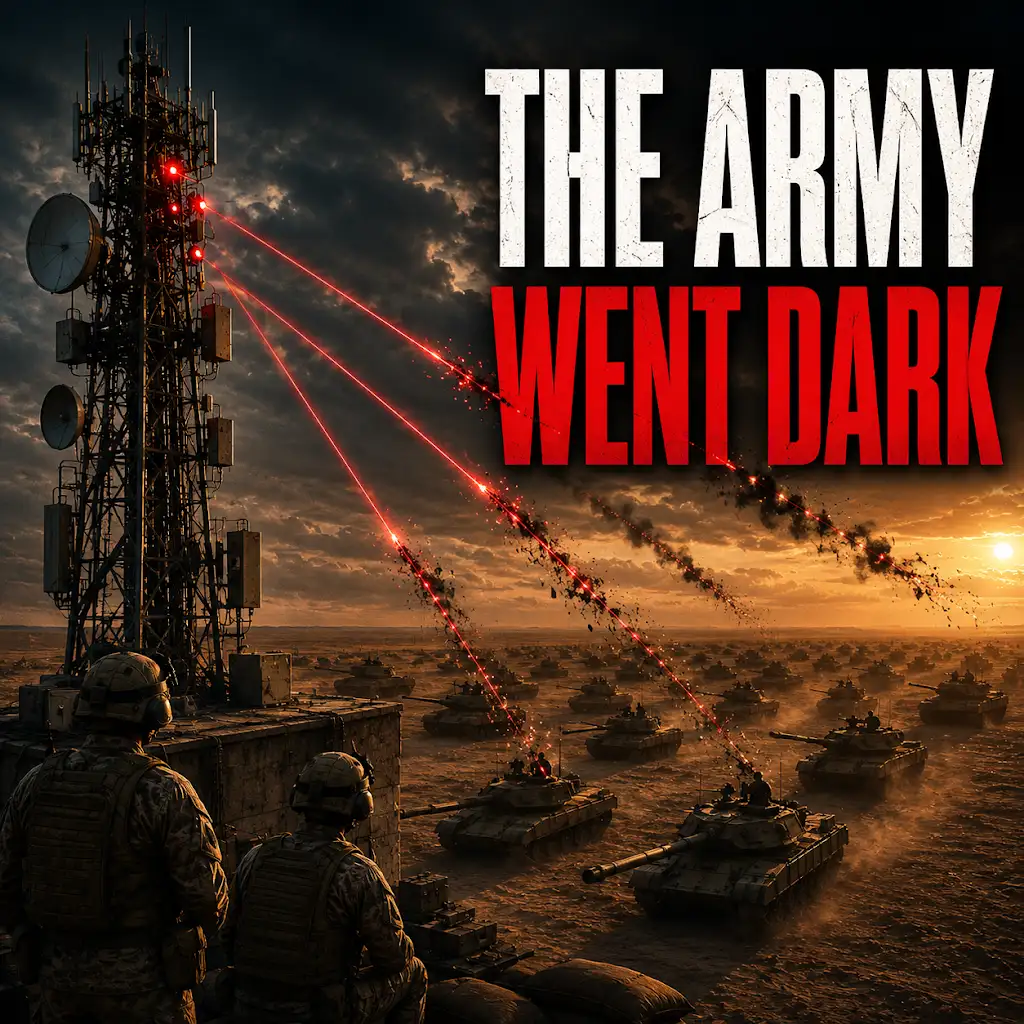
The Invisible Attack That Crippled Iraq’s Army | Desert Storm Documentary
FAQs
1. How do armies coordinate tanks, artillery, and infantry in combat?
Army units coordinate tanks, artillery, and infantry through a combination of communication, training, and tactical planning. This involves using radio communication, pre-planned tactics, and real-time coordination to ensure that each unit supports and complements the others on the battlefield.
2. What role do tanks play in coordinated military operations?
Tanks are used to provide armored support and firepower to infantry units, as well as to engage enemy armor and fortified positions. They work in coordination with infantry and artillery to advance, secure objectives, and provide cover and support for ground forces.
3. How is artillery integrated into combined arms operations?
Artillery units provide long-range firepower and support to infantry and tank units. They can deliver indirect fire to suppress enemy positions, destroy fortifications, and provide cover for advancing ground forces. Artillery is coordinated with other units through fire support coordination measures and communication.
4. What tactics are used to coordinate tanks, artillery, and infantry in combat?
Tactics such as combined arms maneuvers, fire and movement, and mutual support are used to coordinate tanks, artillery, and infantry in combat. These tactics involve the synchronized use of different units to achieve a common objective, with each unit leveraging its strengths to support the others.
5. How do modern armies train for coordinated operations involving tanks, artillery, and infantry?
Modern armies conduct joint training exercises that simulate combined arms operations, including the coordination of tanks, artillery, and infantry. These exercises focus on communication, tactical decision-making, and the integration of different units to ensure effective coordination on the battlefield.