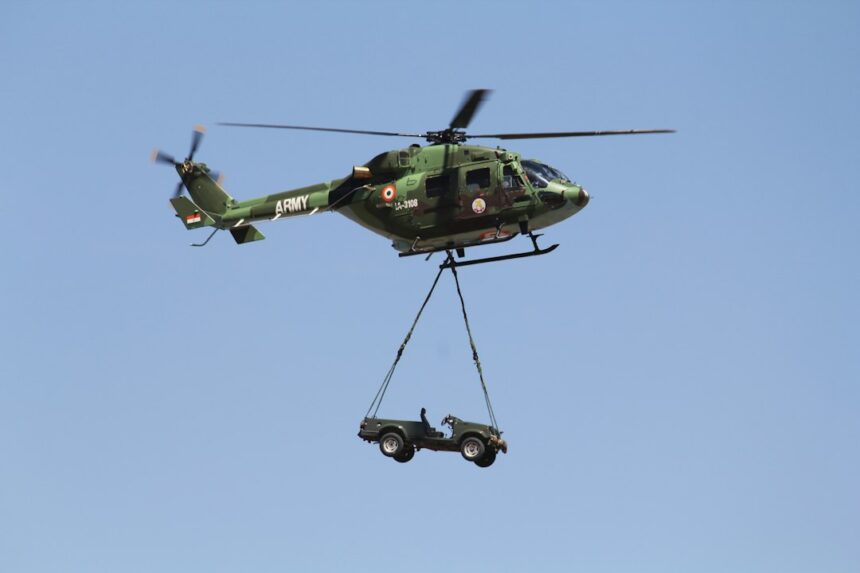
The ability to rapidly and accurately deliver vital supplies, equipment, and personnel to austere or contested environments is a cornerstone of modern military and humanitarian operations. Sling load operations, the practice of attaching cargo to the underside of a helicopter for transport, have long been a critical enabler. However, the inherent challenges of these operations – including dynamic weather conditions, complex terrain, and the need for pinpoint accuracy in landing zones often devoid of pre-established infrastructure – have continually driven the need for improved situational awareness and control. In recent years, significant advancements in radar extraction technology have emerged, promising to revolutionize sling load operations, ushering in an era of unparalleled precision, safety, and efficiency. This article delves into these cutting-edge developments, exploring their underlying principles, their impact on operational capabilities, and the future trajectory of this transformative technology.
The Evolving Landscape of Sling Load Operations
For those interested in the intricacies of sling load radar extraction, a related article that delves deeper into the subject can be found at In The War Room. This resource provides valuable insights and expert analysis on the techniques and technologies involved in effective sling load operations, making it a must-read for professionals in the field.
Sling Load Operations: A Critical but Challenging Enabler
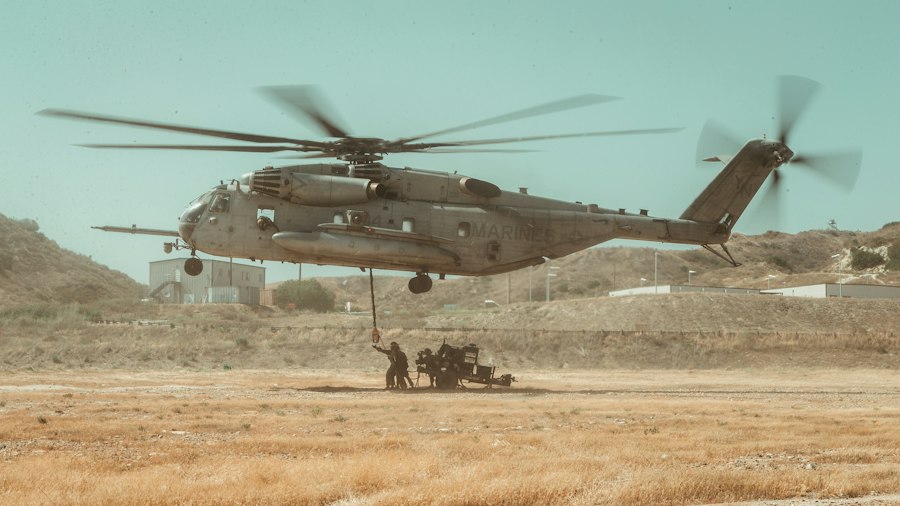
For decades, helicopters have served as indispensable assets for deploying resources to otherwise inaccessible locations. Whether it’s delivering ammunition to forward operating bases, evacuating casualties from disaster zones, or resupplying remote scientific outposts, the sling load capability offers unmatched flexibility. This method bypasses the need for fixed-wing aircraft landing strips, allowing for direct delivery to virtually any open area. However, the very nature of sling loading presents a unique set of operational hurdles. The immense forces involved in lifting and maneuvering heavy loads, coupled with the inherent instability of suspended cargo, demand exceptional pilot skill and a thorough understanding of environmental factors.
Challenges in Traditional Sling Load Execution
Traditional sling load operations often rely heavily on visual cues and pilot experience. This can be problematic under adverse conditions such as low visibility due to fog, dust, or heavy precipitation. The pilot must contend with wind shear, turbulence, and the unpredictable movement of the suspended load, all while attempting to precisely place it within a designated drop zone. Communication with ground crews, often positioned in potentially hazardous areas, is crucial but can also be hampered by noise and distance. The risk of damage to the load, the aircraft, or personnel due to mishandling or misjudgment remains a constant concern, leading to cautious flight profiles and often slower deployment times than ideally desired. The lack of precise, real-time data about the load’s position relative to the ground and its trajectory adds a significant layer of uncertainty.
The Imperative for Enhanced Precision and Safety
As operational tempo increases and missions become more complex, the demand for enhanced precision in sling load delivery escalates. The ability to place a load within meters, or even centimeters, of a target location can be the difference between mission success and failure, or between life and death. This need for precision is not limited to military applications; humanitarian relief efforts also benefit immensely from accurate placement of aid, minimizing the risk of it being lost or damaged. Consequently, the development of technologies that provide pilots and ground crews with superior situational awareness and predictive capabilities has become a paramount objective. This quest for improved performance has directly fueled the advancements in radar extraction technology.
Harnessing the Power of Radar for Extraction

The Fundamental Principles of Radar in Sling Load Applications
Radar, an acronym for Radio Detection and Ranging, utilizes radio waves to detect objects and determine their range, angle, or velocity. In the context of sling load operations, radar systems are being adapted to provide a detailed, real-time understanding of the environment surrounding the helicopter and the suspended load. These systems typically comprise a transmitter that emits radio pulses and a receiver that detects the reflected echoes. The time it takes for the echoes to return, along with their characteristics, allows the system to calculate distance, direction, and even the speed of movement of various elements within the operational area.
Doppler Radar for Velocity Measurement
A key advancement is the integration of Doppler radar capabilities. Doppler radar measures the frequency shift of the returning radio waves, which is directly proportional to the velocity of the object reflecting the waves. For sling load operations, this means that the radar can precisely determine the speed at which the load is descending, the rate of change in its altitude, and even the subtle movements induced by wind or rotor wash. This velocity information is invaluable for pilots to anticipate the load’s trajectory and make necessary adjustments to avoid overshooting or undershooting the target. It also provides ground crews with critical data for safe approach and recovery.
Ground Penetrating Radar (GPR) for Terrain Analysis
While not directly part of the “extraction” itself, Ground Penetrating Radar (GPR) plays a crucial supporting role. GPR uses radio waves to image subsurface structures. In sling load operations, GPR can be used to pre-scout potential landing zones. It can identify buried obstacles such as unexploded ordnance, pipelines, or uneven subsurface layers that might not be visible from the surface. This pre-mission intelligence allows for the selection of the safest and most appropriate landing sites, mitigating risks before the helicopter even takes off with the load. Advanced systems might even integrate GPR data with real-time radar to provide a more comprehensive understanding of the immediate landing area.
Advanced Signal Processing and Object Discrimination
The effectiveness of any radar system hinges on its ability to process the received signals and distinguish between relevant targets and clutter. Modern advancements in signal processing algorithms are enabling radar systems to more effectively filter out noise from environmental factors like rain or ground reflections. Furthermore, sophisticated algorithms are being developed to specifically identify and track the sling load itself, differentiating it from other potential objects in the vicinity, such as trees, structures, or even other aircraft. This object discrimination is critical for maintaining a clear focus on the most important elements of the operation.
Sling load radar extraction is a crucial technique used in various military and logistical operations, enabling the safe transport of heavy equipment and supplies. For those interested in exploring this topic further, a related article can provide valuable insights into the intricacies of this method. You can read more about it in this detailed piece that discusses the operational aspects and challenges of sling load operations. For additional information, check out the article here.
Innovations in Radar-Assisted Sling Load Delivery
| Metric | Description | Typical Value | Unit | Notes |
|---|---|---|---|---|
| Radar Frequency | Operating frequency of the radar system used for sling load detection | 9.4 | GHz | X-band radar commonly used for high resolution |
| Range Resolution | Minimum distance between two objects to be distinguished separately | 0.5 | meters | Depends on radar bandwidth |
| Maximum Detection Range | Maximum distance at which sling load can be detected | 100 | meters | Varies with environmental conditions |
| Azimuth Resolution | Angular resolution in horizontal plane | 1.5 | degrees | Determines accuracy of load position |
| Update Rate | Frequency at which radar data is refreshed | 10 | Hz | Higher rates improve real-time tracking |
| Signal-to-Noise Ratio (SNR) | Ratio of signal power to noise power in radar returns | 20 | dB | Higher SNR improves detection reliability |
| Payload Weight Detection Range | Range of sling load weights that can be detected and tracked | 50 – 5000 | kg | Depends on radar sensitivity and processing |
| Extraction Accuracy | Accuracy of sling load position and velocity extraction | ±0.2 | meters / second | Depends on radar resolution and algorithms |
Real-Time Load Tracking and Trajectory Prediction
One of the most significant leaps in sling load radar technology is the development of systems capable of real-time tracking of the suspended load. These systems continuously monitor the load’s position, altitude, and velocity throughout the entire extraction and delivery process. By integrating this data with sophisticated trajectory prediction algorithms, pilots gain unprecedented foresight. These algorithms can forecast the load’s likely path several seconds into the future, taking into account current wind conditions, the aircraft’s movement, and the load’s own dynamic behavior.
Predictive Landing Zone Visualization
Building upon trajectory prediction, advanced systems offer predictive landing zone visualization. This feature projects the anticipated landing spot of the load onto a digital map or the pilot’s heads-up display (HUD) in real-time. As the aircraft maneuvers, the predicted landing point shifts dynamically, providing the pilot with a clear and intuitive understanding of where the load will ultimately settle. This visual cue significantly reduces reliance on visual estimation and allows for more precise maneuvering, especially in challenging visual conditions. Ground crews can also benefit from this visualization, receiving updates on the projected landing zone to position themselves safely and effectively.
Automated Hazard Detection and Avoidance
The integration of radar with hazard detection systems is a game-changer for safety. These systems can actively scan the intended landing zone and the surrounding environment for potential dangers. This includes identifying obstacles such as power lines, tree limbs, or uneven terrain. If a potential collision course is detected, the system can alert the pilot and, in some advanced implementations, even suggest or initiate evasive maneuvers. This proactive approach to hazard avoidance dramatically reduces the risk of accidents and damage, making sling load operations safer for both personnel and equipment.
Dynamic Load Balancing and Stability Control
While not solely a radar function, radar data plays a crucial role in informing dynamic load balancing and stability control systems. By providing precise measurements of the load’s weight distribution and its movement relative to the aircraft, these systems can make micro-adjustments to the sling or the aircraft’s flight parameters to enhance stability. For instance, if the radar detects excessive swinging of the load, a stability control system could automatically adjust the helicopter’s pitch or roll to counteract the motion, ensuring a smoother and more controlled descent. This is particularly beneficial for large or irregularly shaped loads.
Enhancing Operational Efficiency and Safety
Reducing Mission Times and Increasing Throughput
The precision afforded by advanced radar extraction technology directly translates into increased operational efficiency. With more accurate trajectory prediction and landing zone visualization, pilots can execute deliveries more confidently and swiftly. This reduces the need for iterative adjustments and aborted attempts, leading to shorter mission times. For organizations conducting numerous sling load operations, this reduction in time per mission can significantly increase overall throughput, allowing for more supplies to be delivered or more personnel to be deployed in a given timeframe.
Mitigating Environmental Challenges
Adverse weather conditions have always been a significant impediment to sling load operations. Fog, heavy rain, and strong winds can render visual navigation impossible and introduce dangerous turbulence. Radar’s ability to penetrate these conditions and provide clear, actionable data significantly mitigates these challenges. By offering a reliable understanding of the load’s position and trajectory even in low visibility, radar technology enables operations to continue when they would otherwise be grounded, ensuring critical deliveries are not delayed.
Minimizing Risk of Damage and Loss
The inherent instability of sling loads, combined with the challenges of precise placement, can lead to accidental damage to the cargo or even the aircraft. The improved situational awareness and predictive capabilities offered by radar systems allow pilots to execute more controlled and precise landings, significantly reducing the risk of impact damage. Furthermore, the ability to avoid hazards proactively minimizes the chances of a load being dropped in an unintended or dangerous location, preventing loss and reducing the need for costly recovery operations.
Improving Ground Crew Safety
Ground crews operating in the vicinity of sling load operations are often exposed to significant risks. The unpredictable movement of heavy loads, rotor wash, and potential equipment malfunctions all contribute to a hazardous environment. Advanced radar systems can provide ground crews with precise, real-time information about the load’s descent, including its projected landing point and any potential deviations. This allows them to position themselves more safely, anticipate the load’s arrival, and execute recovery procedures with greater confidence and reduced exposure to danger.
The Future of Sling Load Radar Technology
Integration with Autonomous Systems
The next frontier for sling load radar extraction technology lies in its seamless integration with autonomous systems. As unmanned aerial vehicles (UAVs) become more capable of carrying significant payloads, the need for automated, radar-guided sling load operations will increase. Future systems could involve fully autonomous helicopters or drones that utilize radar data to independently identify landing zones, navigate to them, and precisely deposit their cargo without direct pilot intervention. This would free up human pilots for more complex decision-making roles and enable operations in extremely high-risk environments.
Enhanced Sensor Fusion and AI
The evolution of sensor fusion – the process of combining data from multiple sensors to achieve a more accurate and comprehensive understanding of the environment – will be critical. Radar will likely be integrated with other sensors such as LiDAR (Light Detection and Ranging), electro-optical cameras, and infrared sensors. Artificial intelligence (AI) and machine learning (ML) algorithms will play a pivotal role in processing this fused data, enabling systems to learn from past operations, adapt to novel situations, and make even more sophisticated predictive assessments. This will lead to systems that can anticipate and react to an even wider range of scenarios with greater intelligence.
Advanced User Interfaces and Augmented Reality
The way pilots and ground crews interact with this technology will also evolve. Future interfaces are likely to incorporate advanced augmented reality (AR) displays. Imagine pilots seeing a real-time overlay of the predicted landing zone, hazard indicators, and load trajectory directly onto their physical view of the environment through AR glasses. This immersive approach will further enhance situational awareness and reduce cognitive load, allowing for faster and more intuitive decision-making. For ground crews, AR could provide directional guidance to the precise landing spot or highlight safe zones for operations.
Expansion to New Operational Domains
The advancements in sling load radar extraction technology are not limited to traditional military or heavy-lift helicopter operations. This technology has the potential to be adapted for a wide range of applications. This includes offshore oil and gas platforms, where precise supply drops are essential, and remote infrastructure maintenance, where equipment needs to be delivered to difficult-to-reach locations. Furthermore, in humanitarian aid and disaster relief, the ability to precisely deliver supplies to overwhelmed areas, even in the immediate aftermath of an event, could be life-saving. The continued miniaturization and cost reduction of radar components will likely fuel this expansion into new operational domains. The ongoing development of these technologies promises a future where sling load operations are not only safer and more efficient but also more ubiquitous and adaptable to the ever-changing demands of modern operations.

A 3-Year Drought Hit the Hittite Empire. Did It Cause the Collapse?
FAQs
What is sling load radar extraction?
Sling load radar extraction is a technique used by military helicopters to lift and transport heavy loads using a sling while utilizing radar technology for precision and safety.
How does sling load radar extraction work?
The helicopter crew uses radar to accurately position the cargo hook over the load to be lifted. Once the hook is secured, the helicopter lifts the load and transports it to the desired location.
What are the advantages of using sling load radar extraction?
Using radar technology allows for more precise positioning of the cargo hook, increasing safety and efficiency during lifting operations. It also enables the helicopter crew to operate in various weather conditions and terrains.
What types of loads can be transported using sling load radar extraction?
Sling load radar extraction can be used to transport a wide range of loads, including equipment, supplies, vehicles, and even personnel in certain situations. The technique is commonly employed in military logistics and disaster relief operations.
Are there any limitations or challenges associated with sling load radar extraction?
While sling load radar extraction is a valuable technique, it requires skilled helicopter pilots and crew members to ensure safe and successful operations. Adverse weather conditions, terrain obstacles, and weight limitations are some of the challenges that may be encountered during sling load operations.