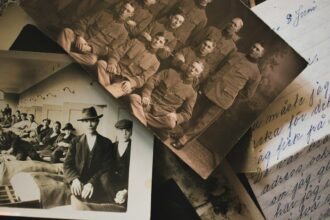
Lech Wałęsa, a name synonymous with defiance, solidarity, and the seismic shift that liberated Poland from communist rule, is the subject of a compelling documentary that offers a profound glimpse into the life and legacy of this iconic Polish leader. The film navigates the tumultuous journey of Wałęsa, from his humble beginnings as an electrician in the Gdansk shipyards to his emergence as a global symbol of peaceful revolution and the first democratically elected president of post-communist Poland. This cinematic exploration is not merely a biographical account; it is an immersion into the heart of a pivotal moment in 20th-century history, highlighting the courage, conviction, and sheer force of will that characterized Wałęsa’s extraordinary life.
The documentary meticulously chronicles the nascent stages of Wałęsa’s activism, painting a vivid picture of a Poland chafing under Soviet influence and economic stagnation. The Gdansk shipyards, a behemoth of Polish industry, served as the crucible for dissent, and it was within its noisy, industrial confines that Lech Wałęsa began to forge his destiny.
The Gdansk Shipyard: A Breeding Ground for Discontent
The film opens by establishing the atmosphere of the Gdansk shipyards in the late 1970s and early 1980s. It depicts a workforce burdened by oppressive working conditions, meager wages, and the stifling hand of a communist regime that promised much but delivered little. Interviews with former shipyard workers and archival footage bring to life the daily struggles and the simmering resentment that permeated this vital industrial hub. The documentary effectively conveys how the shipyards, despite being a symbol of communist pride, also became a focal point for the very discontent that would eventually dismantle the system. Wałęsa’s charisma and his ability to articulate the workers’ grievances are central to this narrative, showcasing his natural leadership qualities even before his rise to national prominence.
The Genesis of Solidarity: A Movement Takes Shape
The documentary zeroes in on the pivotal moment of the 1980 strike at the Gdansk shipyard. It meticulously reconstructs the events leading up to and during the strike, emphasizing Wałęsa’s crucial role as a negotiator and organizer. The formation of the Independent Self-Governing Trade Union “Solidarity” (NSZZ Solidarność) is presented as a watershed moment, not just for Poland but for the entire Eastern Bloc. The film highlights the unprecedented nature of such a mass, independent trade union emerging within a communist state, a testament to the growing courage of the Polish people. It explores the strategic genius behind the union’s demands, which went beyond mere economic improvements to encompass fundamental political freedoms.
The Power of Negotiation and Compromise
A significant portion of this section is dedicated to the art of negotiation as exemplified by Wałęsa. The documentary showcases his adeptness in navigating complex discussions with government officials, often under immense pressure. It illustrates how he balanced the need for unwavering principles with the pragmatic necessity of achieving tangible gains for the workers. The signing of the August Agreements, a landmark concession by the Polish government, is portrayed as a hard-won victory, a direct result of Wałęsa’s tenacity and strategic brilliance. The film underscores that Solidarity was not built on brute force, but on a potent combination of peaceful protest, collective bargaining, and unwavering moral authority.
The International Stage: A Symbol of Hope
The documentary then broadens its scope to examine the international reaction to the rise of Solidarity and Wałęsa. It depicts how the movement quickly captured the attention and admiration of the world, offering a beacon of hope for those living under authoritarian regimes elsewhere. Wałęsa’s Nobel Peace Prize in 1983 is presented not just as a personal accolade but as an international endorsement of the principles of peaceful resistance and the struggle for human rights. The film uses archival footage of Wałęsa’s international engagements, demonstrating his evolution from a national hero to a global icon.
The documentary on Lech Wałęsa provides an in-depth look at the life and struggles of the iconic Polish leader, showcasing his pivotal role in the Solidarity movement and the fight for democracy in Poland. For those interested in exploring more about the historical context and impact of Wałęsa’s actions, a related article can be found at this link, which delves into the broader implications of his leadership and the socio-political landscape of Eastern Europe during that era.
The Fight for Freedom: Martial Law and Underground Resistance
The period following the initial triumphs of Solidarity was far from an easy one. The documentary unflinchingly confronts the dark chapter of martial law imposed by the Polish government in December 1981, a brutal attempt to crush the burgeoning democratic movement.
The Imposition of Martial Law: A Nation Under Siege
The film vividly portrays the shock and despair that gripped Poland when General Wojciech Jaruzelski declared martial law. Archival footage of soldiers patrolling the streets, the silencing of media, and the widespread arrests of Solidarity activists paints a grim picture of a nation under siege. The documentary highlights the personal sacrifices made by Wałęsa and his fellow activists, many of whom were imprisoned or forced into hiding. It underscores the courage it took to continue the struggle for freedom in the face of such overwhelming repression.
The Courage of Imprisonment
The documentary dedicates significant time to Wałęsa’s experiences during his detention. It delves into the psychological and physical toll of imprisonment, yet paradoxically, it also reveals how his confinement further solidified his resolve and amplified his symbolic power. The film explores how the government’s attempts to isolate and neutralize him inadvertently made him a martyr in the eyes of many Poles, strengthening their determination to resist. Accounts from those who visited him or heard about his steadfastness within prison walls are crucial in illustrating this point.
The Underground Network: Keeping the Flame Alive
In the face of official suppression, Solidarity did not cease to exist. The documentary details the ingenious and often dangerous ways in which the movement adapted, operating underground. It highlights the clandestine printing of newspapers, the secret meetings, and the creation of communication networks that kept the spirit of Solidarity alive. This section emphasizes the resilience and resourcefulness of the Polish people, demonstrating that even in the darkest of times, the desire for freedom could not be extinguished. Wałęsa’s leadership, even from behind bars or in hiding, continued to inspire and guide these underground efforts.
The Long Road to Round Table Talks: Negotiations Renewed
The documentary meticulously traces the gradual weakening of the communist regime and the growing pressure for dialogue. It portrays the economic hardships that continued to plague Poland and the persistent underground resistance as key factors that compelled the government to reconsider its approach. The film focuses on the arduous process of building trust and laying the groundwork for negotiations between the government and the opposition.
The Gradual Erosion of Power
The film illustrates how the communist party, despite its efforts to maintain control, was steadily losing legitimacy and authority. Economic woes, coupled with sustained popular pressure, created an untenable situation. The documentary effectively uses historical context to show how the broader geopolitical shifts in Eastern Europe, such as reforms in the Soviet Union under Gorbachev, also played a significant role in creating an environment conducive to change in Poland.
The Pivotal Role of the Clergy
The role of the Catholic Church in Poland is prominently featured in this section. The documentary highlights how the Church, with its deep roots in Polish society, provided a sanctuary for dissent and a moral compass for the nation. It explores the crucial mediation efforts undertaken by religious figures in facilitating dialogue between the government and Solidarity, underscoring their importance in bridging the divide.
The Round Table Talks: A Peaceful Transition of Power
The climax of Wałęsa’s struggle for a free Poland, as depicted in the documentary, is the series of Round Table Talks held in 1989. This event marked a turning point, signaling the beginning of a peaceful transition from communist rule to democracy.
The documentary on Lech Wałęsa provides an insightful look into the life of the iconic Polish leader and his pivotal role in the Solidarity movement. For those interested in exploring more about the historical context and impact of his actions, a related article can be found at In the War Room, which delves into the broader implications of the struggle for democracy in Eastern Europe during the late 20th century. This connection enriches the understanding of Wałęsa’s legacy and the enduring fight for freedom.
The Historic Negotiations: A New Era Dawns
The documentary provides an intimate look at the Round Table Talks, showcasing the complex and often tense negotiations that took place between the government and the Solidarity representatives, with Wałęsa at the forefront. It highlights the compromises made by both sides, emphasizing that this was not a capitulation but a carefully orchestrated process of sharing power. The film details the agreement to legalize Solidarity, establish a semi-free Senate, and hold semi-free elections.
Wałęsa the Diplomat: Bridging the Divide
This section is a testament to Wałęsa’s evolution as a statesman and diplomat. The documentary showcases his ability to engage with former adversaries, to find common ground, and to steer the negotiations towards a successful conclusion. It illustrates his strategic thinking in understanding the government’s vulnerabilities and the people’s unwavering desire for change, and how he leveraged these factors to achieve his goals. The film demonstrates that Wałęsa’s negotiation skills were as formidable as his protestor’s spirit.
The Power of Compromise and Vision
The documentary emphasizes that the success of the Round Table Talks was contingent on a willingness to compromise from all parties. It highlights how Wałęsa, while never abandoning his core principles, understood the necessity of concessions to achieve the ultimate goal of a democratic Poland. The film portrays this period as a triumph of reason and a testament to the power of dialogue in resolving even the most entrenched conflicts.
The 1989 Elections: The People Speak
The documentary culminates this phase with the landmark semi-free elections of 1989. It depicts the immense anticipation and excitement as Poles went to the polls for the first time in decades to choose their representatives. The overwhelming victory of Solidarity candidates, even in the limited electoral contests, is portrayed as a resounding mandate for change and a definitive rejection of communist rule.
The Euphoria of Freedom
The film captures the palpable sense of euphoria that swept across Poland following the election results. It shows scenes of jubilation, of people celebrating their newfound freedom, and of the symbolic dismantling of communist symbols. The documentary effectively conveys the profound historical significance of this moment, marking the end of over four decades of communist dictatorship.
The Legacy of a Peaceful Revolution
This section reflects on the enduring legacy of Poland’s peaceful transition. The documentary posits that the Polish model, largely driven by Wałęsa’s leadership and the principles of Solidarity, inspired other nations in Eastern Europe to pursue their own paths towards democracy. It underscores the importance of non-violent resistance as a powerful tool for achieving political and social change.
The Presidency: Navigating the New Poland
Lech Wałęsa’s journey did not end with the fall of communism. The documentary then explores his tenure as the first democratically elected president of Poland, a period fraught with new challenges and immense responsibility.
The Difficult Task of Nation-Building
The film delves into the immense challenges faced by Wałęsa and his government in transforming a centrally planned economy into a market-based one. It highlights the economic dislocation, the high unemployment, and the social inequalities that accompanied this rapid transition. The documentary doesn’t shy away from the criticisms and controversies that marked his presidency.
Economic Reforms and Social Costs
This segment examines the radical economic reforms implemented in Poland, often referred to as “shock therapy.” The documentary presents the arguments for and against these policies, acknowledging both their necessity for long-term growth and the immediate hardships they imposed on many citizens. Wałęsa’s role in championing these reforms, despite their unpopularity, is a key focus.
Political Instability and Shifting Alliances
The documentary also explores the volatile political landscape of post-communist Poland. It depicts the emergence of new political parties, the constant power struggles, and the challenges of forging stable governments. Wałęsa’s efforts to navigate these turbulent political waters and to unify a fractured nation are central to this narrative.
The Global Statesman: A Continuing Influence
Beyond his domestic responsibilities, the documentary showcases Wałęsa’s continued role as a global advocate for democracy and human rights. It illustrates his ongoing engagements with international leaders and his participation in global forums, where he continued to champion the ideals that had propelled him to prominence.
Advocacy for Democracy Worldwide
This section highlights Wałęsa’s persistent voice in advocating for democratic principles and human rights across the globe. The documentary presents him as a respected elder statesman, whose experiences and insights were sought after by nations grappling with their own transitions. His continued commitment to these universal values is a recurring theme.
The Enduring Symbol of Resistance
The film concludes by reflecting on Lech Wałęsa’s enduring legacy. It positions him not just as a historical figure but as a living symbol of courage, resilience, and the power of collective action. The documentary emphasizes that his story serves as a constant reminder that even against overwhelming odds, the pursuit of freedom and justice can ultimately prevail. It leaves the viewer with a profound appreciation for the man who, through sheer determination and unwavering conviction, helped to reshape the map of Europe and inspire millions around the world.

The $17 Million That Helped Destroy an Empire
FAQs
What is the Lech Wałęsa documentary about?
The Lech Wałęsa documentary is a film that explores the life and political career of Lech Wałęsa, a prominent Polish politician and trade union organizer who played a key role in the country’s transition to democracy.
Who is Lech Wałęsa?
Lech Wałęsa is a former Polish politician and trade union organizer who co-founded the trade union “Solidarity,” which played a significant role in the collapse of communism in Poland. He later served as the President of Poland from 1990 to 1995.
What is the significance of Lech Wałęsa in Polish history?
Lech Wałęsa is widely regarded as a key figure in the history of Poland, particularly for his role in the Solidarity movement and the eventual collapse of communism in the country. He is seen as a symbol of resistance and democracy.
Who directed the Lech Wałęsa documentary?
The Lech Wałęsa documentary was directed by Andrzej Wajda, a renowned Polish film director known for his work on historical and political themes.
Where can I watch the Lech Wałęsa documentary?
The Lech Wałęsa documentary may be available for streaming on various platforms, or it may be screened at film festivals or special events. Check local listings or streaming services for availability.