The world has long been captivated by the dramatic narratives of the Cold War, a period defined by proxy conflicts, nuclear brinkmanship, and ideological struggle. Yet, beneath the surface of overt confrontations and public pronouncements lay a shadow realm of clandestine operations, where intelligence agencies waged a secret war of espionage, sabotage, and influence. These covert missions, meticulously planned and executed far from the public eye, shaped the course of history in ways that are only now being fully understood as declassified documents and firsthand accounts emerge. This exploration delves into the hidden arteries of the Cold War, unveiling the secret operations that defined this era of global tension.
The ideological chasm between the United States and the Soviet Union, born from the ashes of World War II, provided fertile ground for the development of covert action as a primary tool of foreign policy. The inherent limitations of direct military confrontation between nuclear-armed superpowers necessitated alternative strategies, and psychological warfare, disinformation, and political subversion quickly became paramount.
The Birth of the CIA and Its Mandate for Secrecy
The establishment of the Central Intelligence Agency (CIA) in 1947 marked a formalization of the United States’ commitment to intelligence gathering and, crucially, covert operations. The National Security Act of 1947, which created the CIA, empowered it to “perform such other functions and duties related to intelligence affecting the national security as the National Security Council may from time to time direct.” This broad mandate allowed for the agency’s rapid expansion into a vast network of operatives, analysts, and clandestine planners. Early operations were heavily influenced by the perceived threat of communist expansion, leading to a proactive and often aggressive approach to shaping global events.
Soviet Equivalents: The KGB and the Art of Subversion
Across the Iron Curtain, the Soviets were equally, if not more, adept at the art of espionage and covert action. The Komitet Gosudarstvennoy Bezopasnosti (KGB) inherited the formidable legacy of its predecessors, the Cheka and NKVD, and became the primary instrument of Soviet foreign intelligence and internal security. The KGB’s operations were characterized by a deep understanding of political manipulation, extensive recruitment networks, and a willingness to employ ruthless tactics. Their objective was not merely to gather intelligence but to actively destabilize perceived enemies and promote Soviet influence through a variety of means, including propaganda, assassinations, and support for revolutionary movements.
The Doctrine of Containment: Justification for Intervention
The overarching strategic doctrine of “containment,” articulated by George F. Kennan, provided a theoretical framework for justifying many of these covert interventions. The belief that the Soviet Union aimed to expand its influence globally necessitated preemptive actions to thwart communist gains, even in nations with nascent or fragile democracies. This doctrine, while intended to prevent a larger conflict, often led to the entanglement of Western powers in the internal affairs of other countries, with long-lasting and often negative consequences.
For those interested in the covert operations that shaped global politics during the Cold War, a fascinating article can be found at In The War Room. This piece delves into the secret missions undertaken by intelligence agencies, exploring their impact on international relations and the strategies employed to maintain secrecy. The insights provided in this article shed light on the complexities and moral dilemmas faced by operatives during this tense period in history.
Orchestrating Revolutions: The Art of Regime Change
One of the most impactful, and controversial, facets of Cold War covert operations was the orchestrated effort to influence or outright overthrow foreign governments deemed hostile to the interests of either superpower. These operations often involved a complex interplay of political maneuvering, financial support, psychological warfare, and, in some cases, direct support for armed insurgency.
Operation Ajax: The Overthrow of Mossadegh
A seminal example of regime change operations is Operation Ajax, the CIA-orchestrated coup in Iran in 1953 that toppled the democratically elected Prime Minister Mohammad Mossadegh. Mossadegh had nationalized Iran’s oil industry, a move that threatened the interests of Western oil companies and the British government. The CIA, in league with British intelligence, sought to restore the Shah, Mohammad Reza Pahlavi, to power. The operation involved extensive propaganda campaigns to discredit Mossadegh, bribery of key political and military figures, and the organization of street protests. The success of Operation Ajax became a blueprint for future interventions, demonstrating the effectiveness of such clandestine efforts in achieving strategic objectives, albeit with profound long-term implications for Iranian-Western relations.
The Guatemalan Coup: Op Success and Moral Compromise
Another highly scrutinized operation was the 1954 Guatemalan coup, codenamed Operation PBSUCCESS. The democratically elected president, Jacobo Árbenz, had implemented land reforms that threatened the vast holdings of the American United Fruit Company. The CIA, fearing a communist takeover (despite evidence suggesting otherwise), launched a campaign of psychological warfare, funded a small rebel army led by Carlos Castillo Armas, and provided air support. The coup succeeded, but it ushered in decades of brutal military rule and civil war in Guatemala, leaving a legacy of human rights abuses and instability. This operation highlighted the ethical dilemmas and unintended consequences inherent in meddling with the political destiny of sovereign nations.
Proxy Wars and the Support of Insurgencies
Beyond direct regime change, both superpowers actively supported insurgent and resistance movements in countries that fell within their spheres of influence or were seen as strategic battlegrounds. This often involved providing weapons, training, and financial aid, effectively turning local conflicts into extensions of the global Cold War struggle.
Afghanistan: The Mujahideen and the Unforeseen Consequences
The Soviet invasion of Afghanistan in 1979 provided a prime opportunity for the United States, through the CIA, to arm and train the Afghan mujahideen resistance. This covert operation, known as Operation Cyclone, was a significant undertaking, pouring billions of dollars into supporting the anti-Soviet fighters. While successful in bleeding the Soviet Union and contributing to its eventual withdrawal, the long-term consequences were devastating. Many of the fighters trained and armed by the CIA would later form the backbone of extremist groups, including Al-Qaeda, exacerbating global terrorism in the post-Cold War era.
Vietnam: A Tangled Web of Covert and Overt Action
The Vietnam War, though primarily an overt conflict, was also deeply intertwined with covert operations. The CIA engaged in extensive intelligence gathering, psychological warfare, and “pacification” programs in an attempt to undermine the Viet Cong and bolster the South Vietnamese government. The Phoenix Program, a controversial CIA initiative, aimed to identify and neutralize Viet Cong infrastructure through targeted assassinations, disappearances, and torture, raising significant human rights concerns.
The Shadowy World of Intelligence Gathering and Disinformation
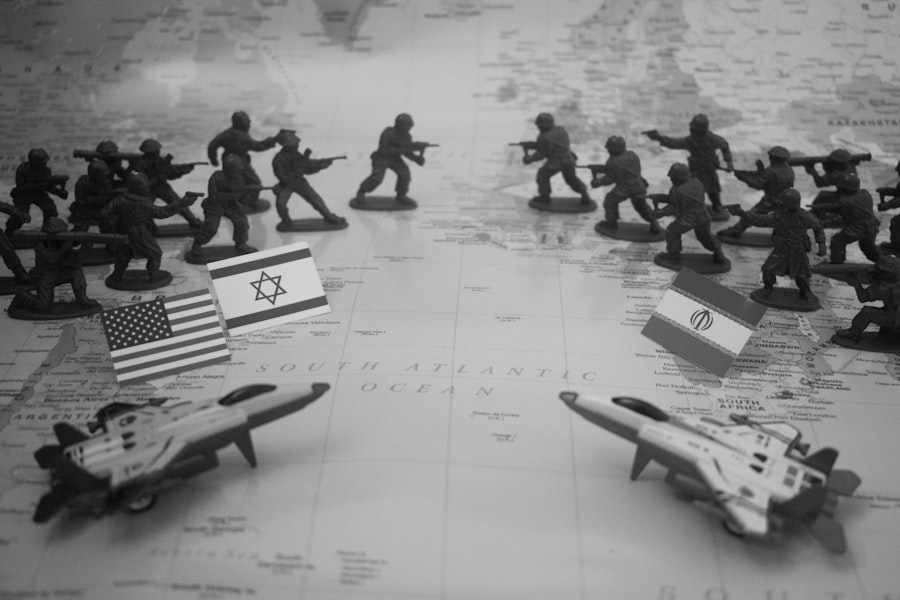
Espionage and the manipulation of information were bedrock components of Cold War covert operations. The constant struggle for influence and the fear of betrayal fueled a relentless pursuit of secrets and a sophisticated art of deception.
The Infiltration of Eastern Bloc Networks
Western intelligence agencies, particularly the CIA and MI6, invested heavily in infiltrating Eastern Bloc countries. This involved recruiting agents within governments, military organizations, and scientific communities to gather intelligence on Soviet military capabilities, political intentions, and technological advancements. Operatives faced immense risks, with severe penalties for capture, including lengthy imprisonment or execution.
The Berlin Tunnel: A Masterclass in Technical Espionage
One of the most audacious technical espionage operations was the construction of the Berlin Tunnel (Operation Gold and Silver) by the CIA and MI6 in the early 1950s. This massive tunnel, dug from West Berlin into Soviet-controlled East Berlin, tapped into Soviet communication lines, allowing Western intelligence to intercept thousands of messages. While a significant intelligence coup, the operation was eventually compromised by a Soviet informant, highlighting the constant cat-and-mouse game played by intelligence agencies.
The Power of Propaganda and Psychological Warfare
Both sides engaged in extensive propaganda campaigns to shape public opinion both domestically and internationally. This included disseminating leaflets, broadcasting radio programs, and creating films and other media designed to demonize the enemy and promote their own ideology.
Radio Free Europe and Radio Liberty: Broadcasting the Counter-Narrative
Established by the U.S. government, Radio Free Europe and Radio Liberty broadcasted news, uncensored information, and cultural programming into Soviet-controlled countries. These stations played a crucial role in providing alternative perspectives and fostering dissent, albeit often facing sophisticated jamming efforts by the Soviet authorities.
Disinformation Campaigns: Shaping Perceptions
Intelligence agencies expertly crafted and disseminated disinformation, spreading false or misleading information to confuse, deceive, or discredit their adversaries. This could range from fabricating documents to planting false rumors, all aimed at influencing the political landscape or sowing discord.
Covert Technological Exploitation and Espionage
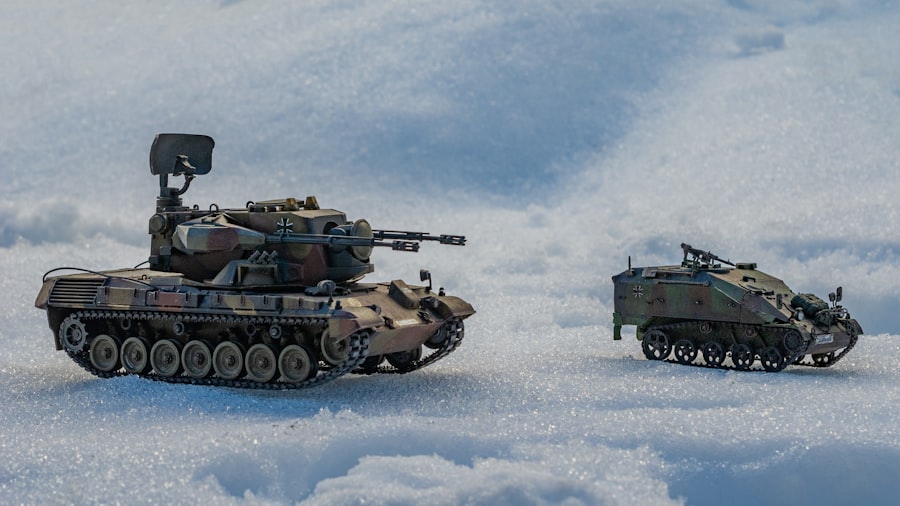
The Cold War was also a race for technological supremacy, and covert operations played a significant role in acquiring and denying technological advantages to the enemy. This involved everything from stealing blueprints to sabotaging research and development.
The Pursuit of Nuclear Secrets
The race to develop nuclear weapons was a central focus of Cold War espionage. Both the United States and the Soviet Union engaged in extensive efforts to uncover each other’s nuclear programs, including attempts to steal scientific research and acquire fissile materials. The arrest of Klaus Fuchs, a British physicist who spied for the Soviets, remains one of the most significant breaches of nuclear secrets during this period.
The Space Race as a Front for Espionage
The Space Race, while publicly portrayed as a scientific endeavor, also had a significant covert dimension. Both nations sought to gain an advantage in rocket technology and satellite reconnaissance. The U.S. used its U-2 spy plane program to gather crucial intelligence on Soviet missile sites, and later, satellites provided an unprecedented capability for global surveillance, a direct outgrowth of covert technological development.
Industrial Espionage and Technology Transfer
Beyond military technology, there was also a significant effort to acquire industrial and economic secrets. The Soviets, in particular, were known for their extensive efforts to acquire Western technology through industrial espionage, often by exploiting trade relationships or using recruited agents within companies. This technology transfer was crucial for the Soviet Union’s economic and military development, albeit achieved through clandestine means.
The covert operations during the Secret Cold War missions have long fascinated historians and enthusiasts alike, revealing the intricate web of espionage and strategic maneuvers that defined the era. For those interested in delving deeper into this shadowy world, a related article provides an insightful exploration of the tactics and technologies employed by intelligence agencies. You can read more about these clandestine activities in this detailed analysis, which sheds light on the lesser-known aspects of Cold War espionage.
The Legacy of Covert Operations: Unforeseen Consequences and Shifting Perceptions
| Mission Name | Year | Location | Objective |
|---|---|---|---|
| Operation Gold | 1953 | East Berlin | Tap Soviet communication lines |
| Operation Paperclip | 1945 | Germany | Recruit German scientists |
| Operation Gladio | 1956 | Europe | Stay-behind network against Soviet invasion |
The repercussions of Cold War covert operations continue to be felt today, shaping geopolitical landscapes, fueling ongoing conflicts, and raising profound questions about the ethics and effectiveness of clandestine intervention. The erosion of trust, the rise of non-state actors, and the complex interplay of unintended consequences underscore the enduring impact of this secret war.
The Unintended Consequences of Intervention
As history has demonstrated, covert operations rarely unfold precisely as planned. The interventions in Iran and Guatemala, for instance, led to decades of authoritarian rule and regional instability, far from the intended outcomes of promoting democracy or preventing communist expansion. The support for the mujahideen in Afghanistan inadvertently contributed to the rise of global terrorism. These examples serve as stark reminders of the unpredictable nature of covert interventions and the profound ethical responsibilities involved.
The Erosion of Trust and the Rise of Conspiracy Theories
The secretive nature of Cold War operations, coupled with incidents of deception and manipulation, has contributed to a pervasive sense of distrust in governments and intelligence agencies. The declassification of documents, while shedding light on past events, has also revealed the extent of governmental deception, fueling conspiracy theories and further complicating public understanding of these historical events.
The Continuing Debate: Effectiveness vs. Morality
The debate over the effectiveness and morality of covert Cold War operations persists. Proponents argue that these actions were necessary to counter Soviet expansion and prevent larger-scale conflicts, while critics highlight the human cost, the destabilizing effects, and the inherent ethical compromises involved. As more information comes to light, the reassessment of these secret missions continues, offering valuable lessons for future foreign policy decision-making in an increasingly complex world. The shadows of the Cold War’s covert campaigns continue to stretch across the present, reminding us that the most significant battles are often fought in silence.

How the CIA Tried to Steal a Soviet Nuclear Submarine
FAQs
What were the Secret Cold War missions?
The Secret Cold War missions were covert operations conducted by various intelligence agencies, including the CIA and KGB, during the Cold War era. These missions involved espionage, sabotage, and other clandestine activities aimed at gaining strategic advantage over the opposing side.
What were the main objectives of these missions?
The main objectives of the Secret Cold War missions were to gather intelligence, undermine the enemy’s efforts, and advance the interests of the respective countries involved. This often involved gathering information on military capabilities, political intentions, and technological advancements.
Which countries were involved in these missions?
The United States and the Soviet Union were the primary players in the Secret Cold War missions, but other countries aligned with each side also participated in covert operations. This included countries in Eastern Europe, Asia, and Latin America.
What were some notable examples of Secret Cold War missions?
Notable examples of Secret Cold War missions include the CIA’s Operation Ajax, which led to the overthrow of Iran’s Prime Minister Mohammad Mossadegh in 1953, and the KGB’s Operation INFEKTION, which aimed to spread disinformation about the origins of the AIDS virus.
What impact did these missions have on the Cold War?
The Secret Cold War missions had a significant impact on the overall dynamics of the Cold War. They contributed to escalating tensions between the United States and the Soviet Union, and in some cases, directly influenced the outcome of key events, such as political coups and proxy wars.