The Cold War, a period marked by intense geopolitical tension between the United States and the Soviet Union, was characterized by an unprecedented arms race that fundamentally altered the landscape of international relations. This arms race was not merely a competition for military superiority; it was a struggle for ideological dominance, with each superpower seeking to assert its influence over the global order. The development of nuclear weapons became a central focus, as both nations sought to build arsenals capable of deterring the other from launching an attack.
The stakes were high, and the consequences of failure were dire, leading to a climate of fear and suspicion that permeated society. As the Cold War progressed, the arms race expanded beyond land-based nuclear missiles to include a new frontier: naval warfare. The introduction of ballistic missile submarines (SSBNs) represented a significant evolution in military strategy.
The race to develop and deploy these submarines became a critical aspect of the Cold War, as both superpowers recognized the strategic advantages they conferred. The implications of this development would resonate throughout the latter half of the 20th century and beyond.
Key Takeaways
- Soviet ballistic missile submarines were central to Cold War nuclear deterrence and strategy.
- Their design and construction emphasized stealth and survivability to evade NATO surveillance.
- These submarines played a critical role during key events like the Cuban Missile Crisis.
- Declassified documents reveal extensive cat-and-mouse operations between Soviet subs and NATO forces.
- Lessons from Soviet submarine development continue to influence modern naval warfare and future missile submarine designs.
The Development of Soviet Ballistic Missile Submarines
The Soviet Union’s foray into ballistic missile submarine technology began in earnest during the late 1950s, driven by the need to counterbalance the United States’ growing nuclear capabilities. The Soviet leadership recognized that traditional land-based missile systems were vulnerable to preemptive strikes, prompting a shift towards developing a more secure and mobile platform for nuclear deterrence. The result was the creation of the first Soviet ballistic missile submarine, the Golf-class, which was launched in 1955.
This marked a pivotal moment in naval warfare, as it allowed the Soviet Union to project its nuclear capabilities beneath the waves. The Golf-class submarines were soon followed by more advanced designs, including the Delta and Typhoon classes, which incorporated significant technological advancements. These submarines boasted improved missile systems, greater operational ranges, and enhanced stealth features.
The development process was not without its challenges; technical difficulties and resource constraints often hampered progress. However, the Soviet Union’s commitment to achieving parity with the United States in this domain remained unwavering. By the 1980s, the Soviet fleet had become a formidable force, capable of launching nuclear missiles from virtually anywhere in the world’s oceans.
The Role of Soviet Ballistic Missile Submarines in the Soviet Nuclear Strategy
Soviet ballistic missile submarines played a crucial role in shaping the country’s nuclear strategy during the Cold War. They were designed to ensure a credible second-strike capability, which was essential for maintaining a balance of power with the United States. The concept of Mutually Assured Destruction (MAD) hinged on the ability of both superpowers to retaliate against any nuclear attack, and SSBNs provided the Soviets with a means to achieve this deterrent effect.
By deploying these submarines across vast oceanic expanses, the Soviet Union could maintain a constant threat to U.S. cities and military installations. Moreover, the strategic deployment of these submarines allowed for greater flexibility in military planning.
Unlike land-based missile silos, which were fixed targets susceptible to preemptive strikes, SSBNs could operate undetected in international waters. This mobility not only enhanced their survivability but also complicated NATO’s surveillance efforts. The presence of Soviet ballistic missile submarines in various theaters of operation served as a constant reminder of the potential for nuclear escalation, influencing diplomatic negotiations and military posturing throughout the Cold War.
The Cat and Mouse Game: Soviet Submarine Operations and NATO Surveillance
| Metric | Soviet Submarine Operations | NATO Surveillance |
|---|---|---|
| Number of Submarines Deployed | Approximately 200 active submarines during peak Cold War | N/A |
| Types of Submarines | Ballistic missile subs (SSBN), attack subs (SSN), diesel-electric subs | N/A |
| Primary Surveillance Methods | N/A | Sonar arrays, maritime patrol aircraft, satellite reconnaissance |
| Number of Recorded Submarine Incidents | Over 50 known close encounters and collisions | Documented multiple submarine detections and tailing operations |
| Average Detection Range | N/A | Up to 20-30 km with passive sonar, longer with active sonar |
| Operational Areas | North Atlantic, Arctic Ocean, Pacific Ocean | North Atlantic, Norwegian Sea, Barents Sea |
| Technological Advancements | Improved stealth coatings, quieter propulsion systems | Enhanced sonar technology, signal processing, and electronic intelligence |
| Duration of Cold War Submarine Operations | 1947 – 1991 | 1947 – 1991 |
The operations of Soviet ballistic missile submarines during the Cold War were characterized by a complex game of cat and mouse with NATO forces.
NATO employed advanced anti-submarine warfare (ASW) tactics and technologies to track Soviet submarines, while the Soviets developed countermeasures to evade detection.
This ongoing struggle underscored the high stakes involved in submarine operations and highlighted the technological arms race that accompanied it. Soviet submarines often conducted patrols in strategic areas, such as the North Atlantic and Mediterranean Sea, where they could monitor NATO naval movements and respond to potential threats. These operations required a high degree of secrecy and operational security, as any misstep could lead to detection and compromise their mission objectives.
The Soviets employed various tactics to minimize their acoustic signature and enhance their stealth capabilities, including operating at greater depths and utilizing advanced noise-reduction technologies. This cat-and-mouse dynamic not only shaped naval strategies but also influenced broader military doctrines on both sides.
The Construction and Design of Soviet Ballistic Missile Submarines
The construction and design of Soviet ballistic missile submarines reflected both technological innovation and strategic necessity. The design philosophy prioritized stealth, survivability, and firepower, resulting in vessels that were capable of withstanding significant operational challenges. The hulls were constructed using advanced materials that reduced noise levels and improved durability under extreme conditions.
Additionally, innovations in propulsion systems allowed for greater underwater endurance and speed. The armament of these submarines was equally impressive. Equipped with intercontinental ballistic missiles (ICBMs), such as the R-29 Vysota and later models like the R-39 Rif, these vessels could deliver devastating payloads over vast distances.
The integration of advanced targeting systems further enhanced their effectiveness, allowing for precise strikes against predetermined targets. As technology evolved, so too did the design of these submarines, culminating in some of the most sophisticated naval platforms ever built.
The Crew and Operations of Soviet Ballistic Missile Submarines
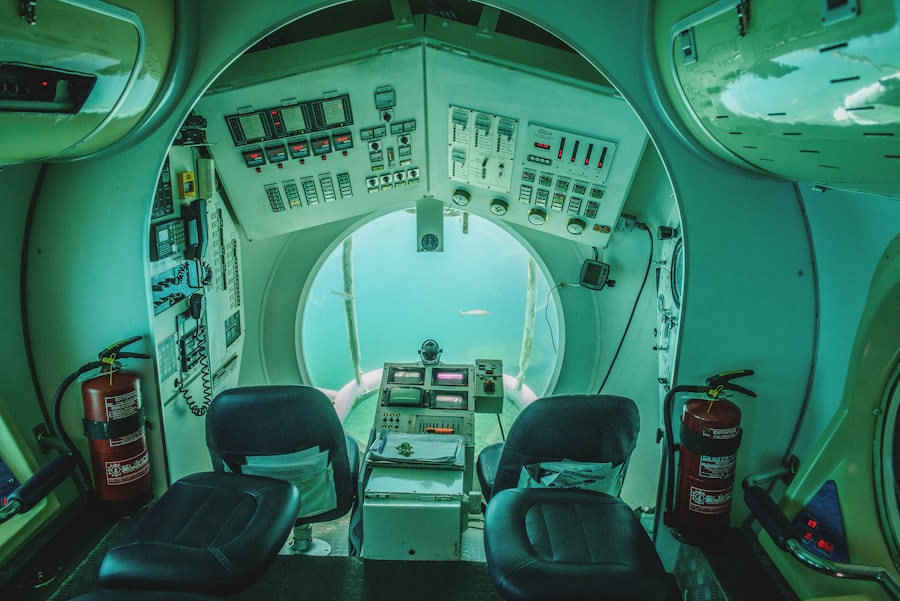
Operating a Soviet ballistic missile submarine required a highly trained crew capable of executing complex missions under pressure. Crews typically consisted of several hundred personnel, including officers, engineers, and support staff who worked together to ensure the submarine’s operational readiness. Training programs were rigorous, emphasizing technical proficiency as well as teamwork and crisis management skills.
Life aboard these submarines was challenging due to confined living conditions and extended deployments that could last several months. Crew members had to adapt to life underwater, often facing psychological stressors associated with isolation and limited communication with the outside world. Despite these challenges, camaraderie among crew members fostered a strong sense of purpose and dedication to their mission—maintaining national security through deterrence.
The Cuban Missile Crisis and Soviet Ballistic Missile Submarines
The Cuban Missile Crisis of October 1962 marked a critical juncture in Cold War history and underscored the significance of Soviet ballistic missile submarines in global politics. During this tense standoff between the United States and the Soviet Union over the presence of Soviet missiles in Cuba, SSBNs played a pivotal role in shaping military strategies on both sides. The crisis highlighted how quickly tensions could escalate into nuclear confrontation, raising questions about command-and-control protocols for nuclear forces.
In response to U.S. naval blockades and heightened military readiness, Soviet submarines were deployed to patrol areas near Cuba as part of their strategic posture. These deployments served as both a deterrent against U.S.
aggression and a means of projecting power in a volatile situation. However, miscommunication and misunderstandings during this period raised concerns about accidental escalation—a reality that would influence subsequent arms control negotiations aimed at preventing future crises.
The Legacy of Soviet Ballistic Missile Submarines in Modern Naval Warfare
The legacy of Soviet ballistic missile submarines continues to resonate in modern naval warfare strategies around the world. Their development marked a paradigm shift in how nations approached nuclear deterrence and maritime security. The lessons learned from their design, construction, and operational tactics have informed contemporary submarine programs across various navies.
Today’s ballistic missile submarines reflect advancements in technology while retaining core principles established during the Cold War era. Stealth remains paramount; modern vessels are equipped with cutting-edge sonar systems and advanced propulsion technologies that enhance their operational capabilities. Furthermore, many nations have adopted similar doctrines emphasizing second-strike capabilities as essential components of their nuclear deterrent strategies.
Declassified Documents and the Revelations about Soviet Ballistic Missile Submarines
The declassification of documents related to Soviet ballistic missile submarines has provided historians and analysts with invaluable insights into their operations during the Cold War. These revelations have shed light on previously unknown aspects of submarine design choices, operational strategies, and decision-making processes within the Soviet military hierarchy. Such information has enriched our understanding of how these vessels fit into broader geopolitical contexts.
Among these documents are accounts detailing specific missions undertaken by SSBNs during critical moments in history—missions that often went unnoticed at the time due to their classified nature. These insights have allowed researchers to piece together narratives surrounding key events like the Cuban Missile Crisis or various naval confrontations between NATO forces and Soviet submarines throughout the Cold War.
The Impact of Soviet Ballistic Missile Submarines on Global Politics
Soviet ballistic missile submarines significantly influenced global politics during their operational years by altering power dynamics between superpowers while shaping international relations more broadly. Their existence contributed to an atmosphere characterized by mutual suspicion but also prompted diplomatic efforts aimed at arms control agreements designed to mitigate risks associated with nuclear proliferation. The presence of SSBNs served as both a deterrent against potential adversaries while simultaneously complicating diplomatic negotiations—particularly during periods when tensions escalated between East and West.
As nations grappled with balancing national security interests against global stability concerns, discussions surrounding arms reduction initiatives became increasingly relevant.
The Future of Ballistic Missile Submarines and the Lessons Learned from Soviet Designs and Operations
Looking ahead, ballistic missile submarines will continue to play an essential role in national defense strategies worldwide; however, lessons learned from Soviet designs and operations will shape future developments within this domain. As technological advancements continue apace—particularly regarding stealth capabilities—navies must remain vigilant about adapting their strategies accordingly. Moreover, ongoing geopolitical tensions necessitate careful consideration regarding arms control agreements aimed at preventing escalation scenarios reminiscent of those experienced during the Cold War era.
By reflecting on historical precedents established by Soviet ballistic missile submarines while embracing innovation moving forward, nations can work towards fostering stability within an increasingly complex global landscape. In conclusion, Soviet ballistic missile submarines were not merely vessels; they represented a critical component of Cold War strategy that shaped international relations for decades to come. Their legacy endures today as nations navigate an evolving security environment marked by both opportunities for cooperation and challenges posed by emerging threats.
The secrets surrounding Soviet ballistic missile submarines have long fascinated military historians and enthusiasts alike. For a deeper dive into the intricacies of these formidable vessels and their strategic significance during the Cold War, you can explore a related article that sheds light on their operational capabilities and technological advancements. Check it out here: Soviet Ballistic Missile Submarine Secrets.
WATCH THIS! The Billion-Dollar Whisper: How One KGB Mole Made Every Soviet Submarine Visible
FAQs
What were Soviet ballistic missile submarines?
Soviet ballistic missile submarines (SSBNs) were nuclear-powered submarines equipped with ballistic missiles capable of delivering nuclear warheads. They formed a critical part of the Soviet Union’s strategic nuclear deterrent during the Cold War.
Why were Soviet ballistic missile submarines considered secretive?
The operations, capabilities, and technological details of Soviet SSBNs were highly classified to maintain strategic advantage and prevent adversaries from gaining intelligence that could compromise their effectiveness or reveal vulnerabilities.
What types of ballistic missiles did Soviet submarines carry?
Soviet SSBNs carried a variety of ballistic missiles over time, including the R-13, R-21, R-27, R-29, and later the RSM-54 (SS-N-23) missiles, each with varying ranges and payload capacities.
How did the Soviet Union maintain secrecy around its ballistic missile submarines?
Secrecy was maintained through strict military protocols, limited public information, secure communication channels, and by operating submarines in remote ocean areas. Additionally, intelligence countermeasures and misinformation were used to protect sensitive details.
What was the strategic importance of Soviet ballistic missile submarines?
Soviet SSBNs provided a second-strike capability, ensuring that the Soviet Union could retaliate in the event of a nuclear attack. This deterrence was a key element of the Cold War balance of power.
Were there any known incidents involving Soviet ballistic missile submarines?
Yes, there were several incidents, including accidents and sinkings, such as the K-219 missile submarine disaster in 1986. However, many details remained classified for years.
How did Western intelligence agencies learn about Soviet ballistic missile submarines?
Western intelligence gathered information through satellite reconnaissance, signals intelligence, espionage, and analysis of naval movements, although much about Soviet SSBNs remained unknown during the Cold War.
What advancements did Soviet ballistic missile submarines contribute to submarine technology?
Soviet SSBNs contributed to advancements in nuclear propulsion, missile technology, stealth capabilities, and underwater navigation systems, influencing submarine design worldwide.
Are Soviet ballistic missile submarines still in use today?
The Soviet Union dissolved in 1991, but Russia inherited many of its SSBNs. Modern Russian ballistic missile submarines are successors to Soviet designs, incorporating updated technology and capabilities.
Where can one find more detailed information about Soviet ballistic missile submarines?
Detailed information can be found in declassified government documents, naval history books, academic research, and specialized military publications focusing on Cold War naval strategy and technology.