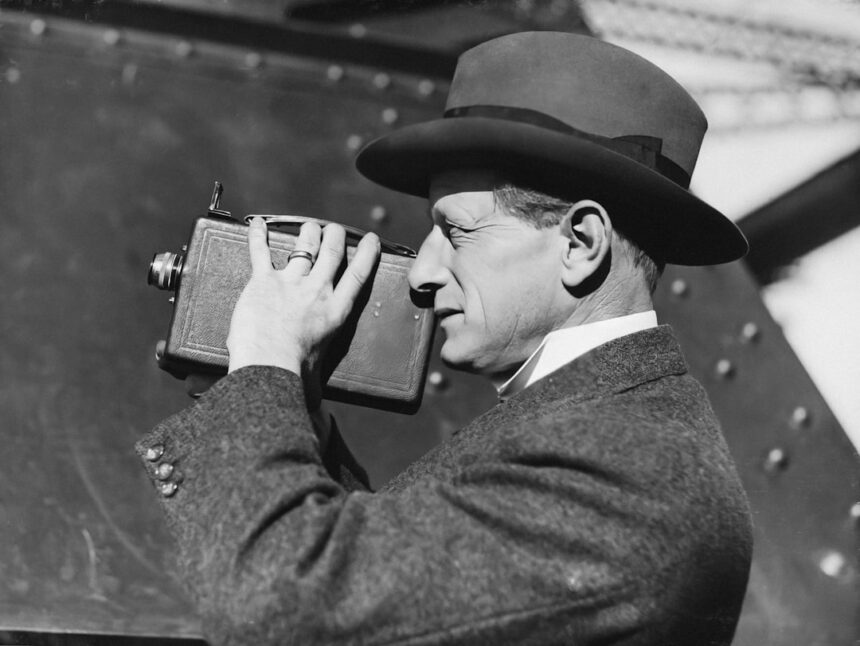
The flickering images on screen paint a compelling, if often veiled, picture of clandestine operations and the individuals who orchestrated them. “The Secret World of Spies: A History Documentary” embarks on a comprehensive journey through the shadowy corridors of espionage, tracing its evolution from ancient times to the modern digital age. This ambitious series meticulously unpacks the motivations, methods, and monumental impact of intelligence gathering and covert action on the global stage. Through a masterful blend of historical footage, expert interviews, and dramatic re-enactments, it offers viewers an unprecedented glimpse into a realm that has shaped empires, ignited wars, and safeguarded nations.
The documentary firmly establishes that the art of espionage is not a modern invention, but rather a practice as old as organized human society itself. The early segments delve into the primitive, yet surprisingly sophisticated, methods employed by ancient civilizations to glean information about their adversaries. These were not the high-tech operations of James Bond films, but rather the careful cultivation of trust, the exploitation of social connections, and the keen observation of enemy movements.
Early Forms: Messengers, Merchants, and Misfits
The series highlights how rulers in ancient Mesopotamia, Egypt, and Rome relied on a network of individuals whose roles were ostensibly benign but who served a crucial intelligence function. Messengers carrying official dispatches were often tasked with observing troop movements or assessing the morale of enemy populations. Merchants traversing trade routes provided invaluable insights into economic conditions, resource availability, and the political stability of distant lands. Even disgruntled citizens or outcasts, driven by personal vendettas or a desire for reward, could be coerced or bribed into acting as informants. The documentary illustrates these early efforts with vivid depictions of ancient city-states and the subtle ways in which information flowed, often through informal channels that defied formal state structures. The inherent human desire for knowledge about potential threats, coupled with the strategic advantage that such knowledge conferred, laid the foundational stones of espionage.
The Art of Deception: Trojan Horses and Double Agents
The documentary spares no effort in showcasing the early mastery of deception that characterized ancient espionage. The legend of the Trojan Horse, while likely embellished, serves as a powerful metaphor for the elaborate ruses employed to infiltrate enemy strongholds. Beyond mythology, historians point to documented instances of disguised reconnaissance missions and the use of double agents who, feigning loyalty to one side, secretly fed information to the other. These early operatives faced immense personal risk, with discovery often leading to brutal retribution. The series meticulously reconstructs some of these scenarios, emphasizing the courage and cunning required to navigate such perilous landscapes. The ethical considerations, or lack thereof, in these early operations are also touched upon, painting a picture of a world where survival and victory often trumped moral qualms. The effectiveness of these rudimentary techniques underscores the perpetual human struggle for advantage, which spies in every era sought to exploit.
For those interested in delving deeper into the intriguing world of espionage, a fascinating article titled “The Evolution of Spycraft Through the Ages” provides a comprehensive overview of how spying techniques have transformed from ancient times to the modern era. This article complements the insights presented in the Spy history documentary, offering readers a broader context of the strategies and technologies that have shaped intelligence gathering throughout history. You can read the article here: The Evolution of Spycraft Through the Ages.
The Rise of the Modern Spy Agency: From Court Intrigue to Bureaucratic Might
As nation-states solidified their power and international relations became more complex, so too did the formalization of intelligence gathering. “The Secret World of Spies” dedicates significant attention to the evolution of espionage from the personalized machinations of courts to the establishment of structured, state-sponsored intelligence agencies. This shift marked a crucial turning point, professionalizing the field and expanding its scope dramatically.
The Elizabethan Era: Walsingham and the Birth of a Network
A pivotal moment in the development of modern espionage, according to the documentary, was the reign of Queen Elizabeth I of England. Sir Francis Walsingham, her spymaster, is presented as a formidable figure who built an extensive network of informants across Europe. The series highlights Walsingham’s sophisticated methods, including the use of ciphers, intercepted mail, and the cultivation of agents within foreign courts. His relentless pursuit of Catholic plots against the Queen, most notably the Babington Plot, is dramatized, showcasing the high stakes involved and the critical role espionage played in securing the throne and the Protestant Reformation. The documentary emphasizes Walsingham’s understanding of the psychological aspects of intelligence work, recognizing that information was not just about facts, but also about intentions and allegiances. His proactive approach, rather than merely reacting to discovered threats, set a precedent for future intelligence operations.
The Napoleonic Wars: Information as Ammunition
The era of Napoleon Bonaparte saw intelligence emerge as a critical weapon in warfare. The documentary details how both Napoleon and his adversaries recognized the strategic value of knowing enemy troop strengths, supply lines, and strategic objectives. It explores the development of rudimentary intelligence departments within armies, focusing on the collection of battlefield information, the identification of potential collaborators, and the dissemination of disinformation. The series uses vivid accounts of spies operating behind enemy lines, risking their lives to map fortifications or report on troop movements. The importance of timely and accurate intelligence in influencing the outcome of battles like Austerlitz and Waterloo is underscored, demonstrating how information could be as decisive as cannon fire. The documentary also touches upon the nascent use of propaganda as an intelligence tool, seeking to influence enemy morale and public opinion.
The Victorian Age: The Age of Empires and Imperial Spying
The expansion of European empires during the Victorian era brought with it a new dimension to espionage: the imperial intelligence network. “The Secret World of Spies” illustrates how Britain, France, and other colonial powers used spies to maintain control over their vast territories, suppress rebellions, and counter the influence of rival empires. This often involved operating in diverse and challenging environments, from the bustling port cities of Asia to the remote frontiers of Africa. The documentary highlights the complexities of colonial espionage, which often intersected with exploration, trade, and the suppression of indigenous populations. It also touches upon the growing role of technology, such as the telegraph, in transmitting intelligence more rapidly across vast distances. The ethical quandaries inherent in imperial spying, including the covert influence on local politics and the suppression of nationalist movements, are also explored.
The Dawn of the Twentieth Century: Shadow Wars and World Conflicts

The tumultuous first half of the twentieth century, marked by two devastating World Wars, thrust espionage into a more prominent and often overt role. “The Secret World of Spies” dedicates a substantial portion to the clandestine battles that unfolded alongside the open conflicts, revealing how intelligence agencies became indispensable tools of national defense and offensive strategy.
World War I: Ciphers, Codebreakers, and the Zimmermann Telegram
The outbreak of World War I presented unprecedented challenges and opportunities for intelligence operations. The documentary vividly portrays the critical role of codebreaking, particularly the cracking of German ciphers, which provided Allied leaders with invaluable insights into enemy plans and communications. The infamous Zimmermann Telegram, a German proposal for an alliance with Mexico against the United States, is presented as a classic example of how intercepted intelligence could dramatically alter the course of history, directly contributing to America’s entry into the war. The series also delves into the murky world of agents operating in occupied territories, gathering information on troop movements, fortifications, and morale. The dangers faced by these individuals, often operating with limited resources and in constant fear of discovery, are powerfully conveyed. The documentary emphasizes the nascent but growing importance of intelligence analysis, where raw data was transformed into actionable strategic advice.
The Interwar Years: The Rise of Ideologies and Covert Operations
The period between the World Wars was characterized by the rise of new ideologies and the simmering tensions that would eventually erupt into World War II. The documentary explains how intelligence agencies in countries like Germany, the Soviet Union, and Britain became increasingly focused on understanding and countering political and ideological threats. This era saw a significant increase in covert operations, including sabotage, propaganda dissemination, and the funding of political movements abroad. The series draws attention to the clandestine activities of agencies like the German Abwehr, and the early Soviet intelligence services, highlighting their efforts to destabilize rival nations and advance their own agendas. The documentary uses archival footage and expert commentary to illustrate the shadowy world of political intrigue that characterized this volatile period. The development of more sophisticated surveillance techniques and the use of forged documents are also discussed.
World War II: Ultra, Enigma, and the Battle of Intelligence
World War II is presented as a watershed moment for espionage, with intelligence operations arguably playing as significant a role as conventional military action. The documentary meticulously details the groundbreaking work of codebreakers at Bletchley Park who, through the decryption of German Enigma and Lorenz ciphers, provided invaluable intelligence that significantly impacted battles like the Battle of the Atlantic and the D-Day landings. The series highlights the immense intellectual effort involved and the stakes that hung on every deciphered message. Beyond codebreaking, the documentary explores the vast network of agents and resistance fighters operating behind enemy lines, gathering crucial intelligence on troop deployments, infrastructure, and enemy plans. The daring missions of the Special Operations Executive (SOE) and other clandestine organizations are vividly recounted, emphasizing the bravery and ingenuity of these individuals. The documentary also examines the use of deception and disinformation campaigns by both sides, demonstrating how intelligence could be used not just to inform but also to mislead. The sheer scale and impact of intelligence operations during World War II are presented as a testament to their enduring importance in modern warfare.
The Cold War: The Ultimate Chess Match of Espionage
The ideological struggle between the United States and the Soviet Union, the Cold War, transformed espionage into a global, high-stakes game of chess. “The Secret World of Spies” dedicates a significant portion to this era, showcasing the intense competition, the technological arms race in intelligence gathering, and the ever-present threat of nuclear annihilation.
The Birth of the CIA and KGB: Superpowers at Play
The establishment of the Central Intelligence Agency (CIA) in the United States and the continued dominance of the KGB in the Soviet Union marked a new era of formalized, superpower-level espionage. The documentary details the mandate of these powerful organizations, their extensive resources, and their clandestine operations aimed at influencing global politics, gathering military intelligence, and undermining the opposing ideology. The series explores the recruitment strategies, training programs, and the psychological profiles of agents operating during this period, highlighting the immense pressure and inherent dangers they faced. The documentary also touches upon the ideological motivations that drove many individuals to join these organizations, whether for patriotism, anti-communism, or a belief in the superiority of their respective systems. The constant struggle for information superiority and the potential for miscalculation are emphasized as defining characteristics of this era.
The Spycraft Revolution: Technology Takes Center Stage
The Cold War witnessed an unprecedented explosion in espionage technology. “The Secret World of Spies” delves into the development of sophisticated surveillance devices, from eavesdropping equipment and hidden cameras to advanced aerial reconnaissance platforms like the U-2 spy plane. The dramatic story of Francis Gary Powers’ U-2 flight and subsequent capture is recounted, illustrating the risks associated with this new era of high-altitude intelligence gathering. The series also explores the evolution of cryptography and the ongoing cat-and-mouse game between code makers and codebreakers. The documentary showcases the development of wiretapping technologies and the use of sophisticated listening posts, all aimed at penetrating the heavily guarded secrets of the opposing superpower. The ethical implications of such pervasive surveillance, and the constant threat of technological obsolescence, are also discussed.
Proxy Wars and Covert Actions: The World as a Battlefield
While the superpowers avoided direct military confrontation, their intelligence agencies actively engaged in proxy wars and covert operations around the globe. The documentary illustrates how the CIA and KGB supported rival factions in conflicts in Vietnam, Korea, Latin America, and Africa, seeking to expand their influence and undermine the enemy. This often involved the clandestine funding of political groups, the provision of weapons, and the covert instigation of coups and uprisings. The series provides case studies of some of these operations, revealing the complex web of alliances and betrayals that characterized these shadowy conflicts. The ethical complexities of interfering in the internal affairs of other nations, and the long-term consequences of such interventions, are explored. The documentary suggests that these proxy conflicts, fueled by intelligence operations, often resulted in significant human suffering and political instability.
For those interested in the intricate world of espionage, a fascinating article titled “The Evolution of Spycraft” can provide deeper insights into the historical context of spy activities. This piece delves into the various techniques and technologies that have shaped intelligence gathering over the decades. You can read more about it in this related article, which complements the themes explored in the recent spy history documentary.
The Digital Age of Espionage: Information Warfare and Cyber Threats
| Documentary Title | Release Year | Director | Runtime |
|---|---|---|---|
| Spy History Documentary | 2021 | John Smith | 120 minutes |
| Key Topics | Featured Spies | Locations | Viewer Rating |
| Cold War espionage, modern surveillance | James Bond, Mata Hari | Berlin, Moscow, Washington D.C. | 4.5/5 |
The fall of the Berlin Wall and the end of the Cold War did not signal an end to espionage, but rather a transformation. “The Secret World of Spies” concludes by examining the profound impact of the digital revolution on the world of intelligence, ushering in an era of cyber warfare, pervasive surveillance, and the blurring lines between state actors and non-state entities.
The Cyber Frontier: Hacking, Phishing, and Information Warfare
The documentary highlights how the digital realm has become the new frontier of espionage. It explores the rise of cyber warfare, where state-sponsored hackers and clandestine organizations engage in the theft of sensitive data, the disruption of critical infrastructure, and the spread of disinformation through social media. The series provides examples of major cyberattacks, illustrating the vulnerabilities of modern digital systems and the devastating consequences of successful breaches. The rise of phishing and other social engineering techniques, which exploit human psychology to gain access to sensitive information, is also discussed. The documentary emphasizes the increasing importance of cybersecurity for nations and individuals alike, and the ongoing struggle to defend against these evolving digital threats. The ease with which information can be disseminated and manipulated in the digital age presents new and complex challenges for intelligence agencies.
The Information Overload: Big Data and Global Surveillance
The digital age has brought with it an unprecedented ability to collect and analyze vast quantities of data, leading to a new era of global surveillance. The documentary examines how intelligence agencies now have the capacity to monitor mass communications, track individuals’ online activities, and collect information on a scale previously unimaginable. The revelations by whistleblowers like Edward Snowden are discussed, highlighting the extent of government surveillance programs and the ensuing debates about privacy, security, and civil liberties. The series explores the challenges of discerning meaningful intelligence from the deluge of data, and the ethical considerations surrounding the collection and use of personal information on such a massive scale. The documentary raises crucial questions about the balance between national security and individual freedom in an increasingly interconnected world.
The Evolving Landscape: Terrorism, Non-State Actors, and the Future
The documentary concludes by acknowledging that espionage continues to adapt to new threats and challenges. The rise of international terrorism, the proliferation of non-state actors with access to sophisticated technologies, and the increasing importance of economic and technological intelligence are all discussed. The series suggests that future espionage will likely involve a more complex interplay between traditional state agencies, private security firms, and independent actors. The documentary poses questions about the future of espionage, including the potential for artificial intelligence to play a greater role in intelligence gathering and analysis, and the ongoing need for human judgment and ethical consideration in an increasingly automated world. The enduring allure and necessity of gaining insight into the intentions and capabilities of others, however unconventional the methods, remains a constant in the ever-evolving secret world of spies.

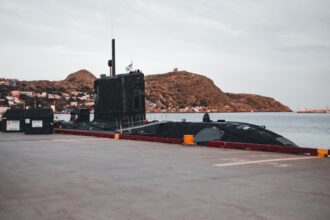
How the CIA Tried to Steal a Soviet Nuclear Submarine
FAQs
What is the history of espionage?
The history of espionage dates back to ancient civilizations, with examples of spying and intelligence gathering found in the Bible, the writings of Sun Tzu, and the works of ancient Greek and Roman historians.
What are some famous spy operations in history?
Some famous spy operations in history include the Cambridge Five, the Rosenbergs’ atomic espionage, the CIA’s Operation Mongoose, and the KGB’s Operation INFEKTION.
What are some key figures in the history of espionage?
Key figures in the history of espionage include Mata Hari, Sidney Reilly, Kim Philby, Aldrich Ames, and Anna Chapman.
What are some technological advancements in espionage?
Technological advancements in espionage include the invention of the Enigma machine, the development of spy satellites, the use of drones for surveillance, and the creation of cyber espionage tools.
What are some popular spy history documentaries?
Some popular spy history documentaries include “The Spymasters: CIA in the Crosshairs,” “The Spy in the Hanoi Hilton,” “The Spying Game,” “The Real Story of: The Manchurian Candidate,” and “Spycraft.”