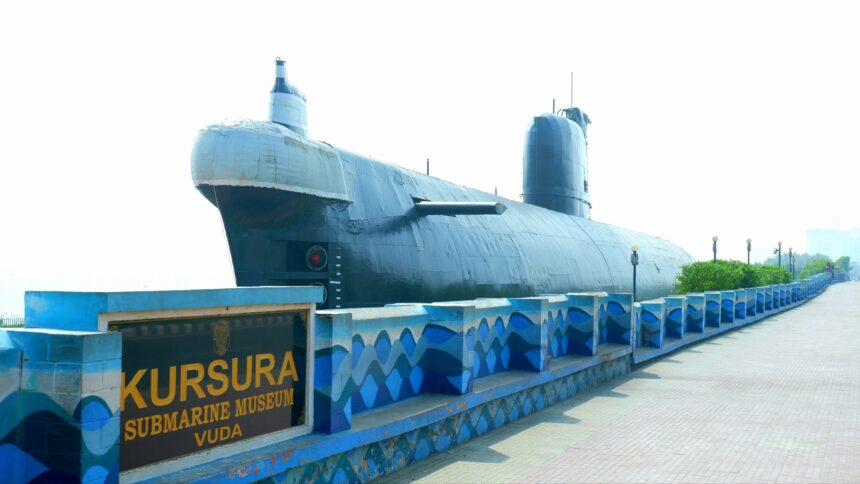
The hushed, frigid waters of the Arctic held secrets far older than any nation, and for decades, the United States Central Intelligence Agency (CIA) had been exceptionally adept at unearthing them. This particular mission, shrouded in layers of classification and executed with unparalleled stealth, was codenamed “Aurora Borealis.” It was not a mission of kinetic action, but one of intelligence gathering, a surgical probe into the deep, dark heart of a rival power’s burgeoning technological and strategic capabilities. The stage was set, the actors meticulously chosen, and the primary instrument of this clandestine operation was a vessel unlike any other: a specially refitted, ultra-quiet attack submarine, disguised as a civilian research vessel.
The genesis of Operation Aurora Borealis lay in mounting concerns within the intelligence community regarding the rapid advancements of a sophisticated adversary in the realm of underwater sensor technology and strategic acoustic profiling. Whispers from human intelligence sources, corroborated by signals intelligence intercepts, painted a picture of a formidable network of submerged listening posts and advanced sonar arrays being deployed in key strategic locations. These capabilities, if fully realized, posed a significant threat to American naval dominance and the integrity of vital communication lines. The CIA, recognizing the escalating risk, initiated a multifaceted intelligence collection effort, with Aurora Borealis emerging as the linchpin.
The Echoes of Uncertainty: Why Submerged Intelligence Matters
The silent world beneath the waves is a realm of profound strategic significance. For nations with powerful navies, the ability to operate undetected, to gather intelligence on adversary fleet movements, and to maintain a strategic advantage hinges on a deep understanding of subsurface acoustics and electronic signatures. The adversary in question had been investing heavily in this domain, moving beyond traditional sonar to more passive and sophisticated methods that could potentially reveal the presence of submarines even at great distances. This technological leap required a commensurate response from the United States, one that could pierce the veil of secrecy and reveal the true extent of their capabilities.
The Threat Landscape: A Quiet Arms Race
The ongoing geopolitical tensions, though often masked by diplomatic pronouncements, fueled a silent arms race. In the Arctic, this race was particularly acute. The thawing of the polar ice cap was opening new shipping lanes and creating new strategic imperatives, making the ability to monitor underwater activity paramount. The adversary’s advancements in underwater surveillance were not merely a technical curiosity; they represented a potential shift in the balance of power, allowing them to track submarines, identify critical undersea infrastructure, and perhaps even interfere with friendly maritime operations. The CIA’s mission was to assess this threat with actionable intelligence, moving beyond speculation to concrete evidence.
The Role of the Agency: Beyond Direct Action
The CIA, while known for its covert operations, operates across a spectrum of intelligence disciplines. In the case of Aurora Borealis, the agency’s expertise in clandestine collection, technological innovation, and strategic analysis was paramount. This was not a mission for a combat unit, but for a team that could blend into the shadows, gather information through sophisticated means, and then interpret that information to provide policymakers with a clear understanding of the unfolding threat. The submarine, in this context, was not a weapon of war, but a sophisticated, mobile intelligence-gathering platform.
In a fascinating exploration of covert operations, a related article on the CIA’s secret submarine mission can be found at In the War Room. This piece delves into the intricacies of underwater espionage and the strategic significance of submarines in intelligence gathering during the Cold War era. The article highlights various missions that remain classified, shedding light on the technological advancements and the risks involved in such high-stakes operations.
The Ghost of the Deep: The Submarine’s Deception
The success of Aurora Borealis hinged on one critical element: absolute anonymity. The chosen vessel was a hulking leviathan of the seas, a Los Angeles-class attack submarine, its hull subtly modified and its tactical markings removed. To the casual observer, or even to most professional mariners, it was to appear as a cutting-edge civilian research vessel, dedicated to the study of oceanography and marine biology. This elaborate deception was the product of months of planning by multiple government agencies, involving naval architects, intelligence analysts, and even public relations specialists. The submarine’s usual imposing presence was softened by the addition of a research superstructure, complete with scientific equipment that mimicked the appearance of seismic survey gear and oceanographic sensors.
The Art of the Masquerade: Camouflage and Credibility
The disguise was more than superficial. The submarine’s external sound signature was meticulously dampened, far beyond its standard operational levels. Any tell-tale propeller noise was masked by specialized sound-dampening arrays, designed to mimic the hum of civilian machinery, perhaps even a research vessel’s generators. The internal atmosphere was cultivated to project an aura of scientific endeavor. “Research logs” were meticulously fabricated, detailing fictitious data collection protocols and theoretical findings. Crew members, highly trained in their covert roles, adopted personas of civilian scientists and technical personnel, privy to classified operational details but sworn to secrecy under the guise of proprietary research.
Maritime Diplomacy and Deniability: The Civilian Front
Furthermore, the operation was carefully orchestrated to maintain plausible deniability on the international stage. The “research vessel” was registered under a shell corporation, with its operational permits and insurance meticulously arranged. Diplomatic channels were subtly leveraged to ensure that no untoward attention was drawn from nations with territorial waters in the vicinity. The goal was to integrate seamlessly into the maritime traffic, a specter of scientific pursuit, rather than the prowling hunter it truly was. Any unexpected encounters with other vessels were to be met with polite but firm declarations of scientific intent, backed by the fabricated documentation.
The Technological Facade: Mimicking the Mundane
The scientific equipment adorning the submarine’s exterior was not merely for show. It included advanced passive sonar arrays disguised as hydrophones, sophisticated oceanographic sensors capable of measuring deep-sea currents and magnetic fields, and even a limited atmospheric monitoring system. These were not the primary intelligence-gathering tools for the Aurora Borealis mission, but they served the crucial purpose of reinforcing the vessel’s civilian disguise and providing a plausible explanation for its presence in remote, strategically sensitive locations. The visual cues were as important as the sonic ones in perpetuating the illusion.
The Silent Symphony: The Submarine’s Advanced Arsenal
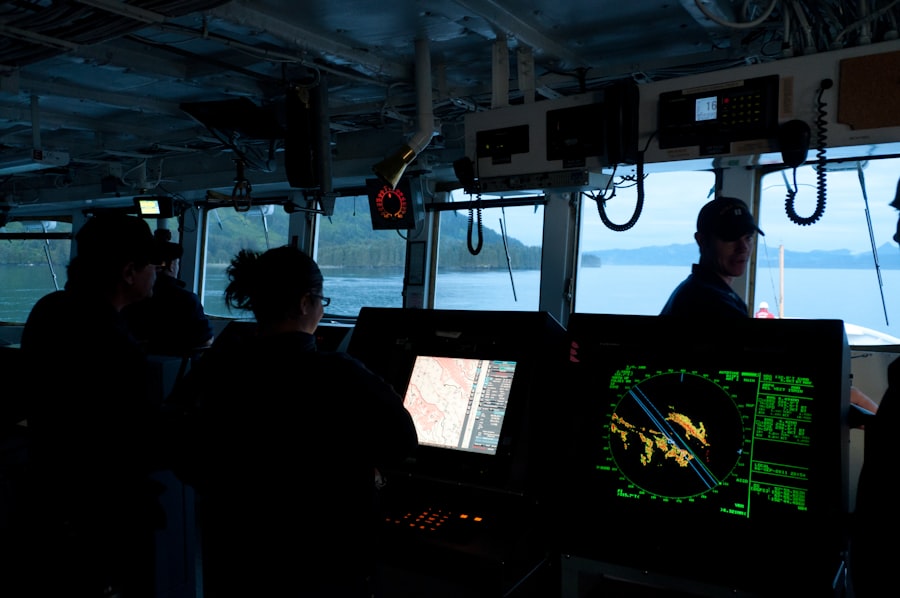
Beneath the veneer of scientific inquiry lay a sophisticated suite of covert intelligence-gathering equipment. While the submarine was a formidable attack platform by default, Aurora Borealis transformed it into a highly specialized eavesdropping post. The mission’s success relied not on torpedoes or missiles, but on the ability to collect data so subtly that it would remain undetected by the very systems it sought to expose. This required a delicate balance of advanced technology and expert operation.
Acoustic Intelligence: Listening to the Deep
The primary objective of Aurora Borealis was to map and characterize the adversary’s submerged acoustic sensor network. This involved deploying an array of highly sensitive passive sonar systems, far more advanced than those typically found on standard naval vessels. These systems were designed to detect and analyze the faintest of underwater sounds, from the distant hum of machinery to the subtle reverberations of active sonar pings. The submarine’s own acoustic signature was minimized to an unprecedented degree, allowing it to operate in close proximity to potentially hostile sensor arrays without triggering alarms.
The Spectral Analysis: Unveiling Hidden Signatures
Specialized acoustic processing software, developed by the agency’s top cryptanalysts and acousticians, was employed to analyze the vast amounts of data collected. This software could isolate specific frequencies, identify unique acoustic patterns, and even fingerprint the operational characteristics of different types of underwater equipment. By cross-referencing these signatures with known acoustic profiles, the CIA team could identify the types of sensors deployed, their operational modes, and their approximate locations.
Passive Sonar Enhancement: Hearing the Unhearable
The submarine was equipped with an array of towed sonar arrays, designed to extend its listening capabilities far beyond its hull. These arrays, deployed at various depths and distances, acted as extensions of the submarine’s own senses, gathering acoustic data from a vast swathe of the ocean floor. The ability to tow these arrays silently, without creating detectable drag, was a testament to the engineering marvel that Aurora Borealis represented.
Electronic Intelligence: Peering Through the Waves
Beyond acoustics, Aurora Borealis was also equipped to intercept and analyze electronic emissions. Modern naval vessels and submerged installations often communicate through various radio frequencies and electronic signals. The submarine’s sophisticated electronic intelligence (ELINT) systems were designed to detect these emissions, even at low power, and to analyze their content. This included intercepting communications, identifying navigational signals, and characterizing the radar signatures of any detectable surface or subsurface vessels.
Signal Intercept and Decryption: The Invisible Data Stream
A dedicated ELINT suite, integrated with advanced signal processing and decryption capabilities, allowed the crew to capture and analyze any electronic signals detected. This provided a crucial layer of intelligence, offering insights into the operations and intentions of the adversary. The ability to decrypt these signals, even if they were encrypted with the latest algorithms, was a significant technological feat.
Radar Signature Analysis: Identifying the Unseen
Even though operating submerged, the submarine could still detect and analyze radar emissions from surface vessels or land-based installations. This analysis provided valuable information about the adversary’s operating patterns and the types of radar systems they were employing, contributing to a comprehensive understanding of the evolving threat landscape.
The Navigational Dance: Charting Treacherous Waters
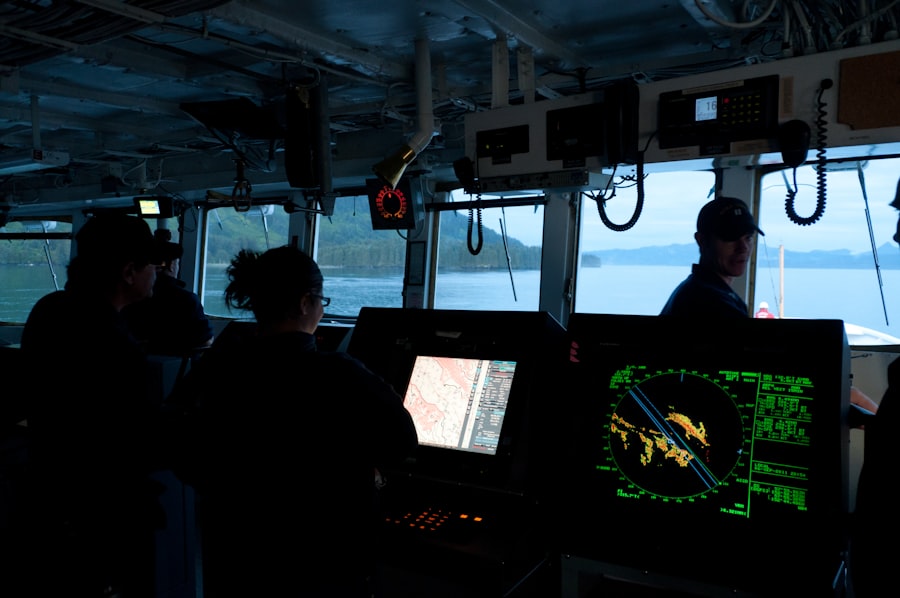
The Arctic environment presented a unique set of navigational challenges. Beyond the expected hazards of icebergs and extreme weather, the operational area for Aurora Borealis was characterized by complex underwater topography and the potential presence of unknown minefields or debris from past military activities. Precise navigation was paramount for both mission success and crew safety.
Navigating the Ice: The Frozen Labyrinth
The ever-shifting ice floes and icebergs posed a significant threat to any submerged vessel. Aurora Borealis relied on a combination of advanced sonar imagery, satellite data, and the submarine’s own sophisticated navigation systems to chart a safe course through this frozen labyrinth. The crew had to possess an intimate understanding of ice dynamics, constantly adapting their path to avoid collisions and entrapment.
Iceberg Detection and Avoidance: A Constant Vigilance
Advanced sonar systems, specifically designed to identify large underwater ice formations, were crucial for avoiding catastrophic collisions. The submarine’s skilled sonar operators worked in tandem with the navigation team, providing real-time updates on approaching ice hazards.
Sub-Ice Navigation: Operating in the Unknown
In some instances, the mission required operating beneath dense ice packs, where surface visibility was nonexistent. This necessitated reliance on inertial navigation systems, Doppler sonar, and a deep understanding of underwater currents to maintain accurate positioning.
Navigating Beneath the Waves: Currents and Terrain
The ocean floor of the Arctic is not a flat expanse; it is a landscape of submerged mountains, deep trenches, and unpredictable currents. Aurora Borealis utilized detailed bathymetric charts, combined with its own active and passive sonar systems, to navigate these complex underwater terrains.
Bathymetric Mapping: Understanding the Seafloor
The submarine’s advanced sonar systems continuously mapped the seafloor, providing essential data for precise navigation and for identifying potential locations for covert sensor deployments or clandestine rendezvous.
Current Analysis: Riding the Ocean’s Flow
Understanding and predicting underwater currents was vital for efficient navigation and for minimizing the submarine’s acoustic footprint. Sophisticated models predicted current behavior, allowing the crew to harness these flows when possible and to counteract them when necessary.
The CIA’s secret submarine mission has long been a topic of intrigue and speculation, revealing the lengths to which intelligence agencies will go to achieve their objectives. For those interested in exploring more about the covert operations of the CIA, a related article can be found at this link, which delves into the fascinating world of underwater espionage and the technological advancements that have shaped these missions over the years.
The Silent Extraction: Bringing the Intelligence Home
| Mission | Details |
|---|---|
| Operation Name | Project Azorian |
| Objective | Recover a sunken Soviet submarine |
| Location | Pacific Ocean near Hawaii |
| Duration | 6 years (1974-1980) |
| Cost | Estimated 800 million |
| Outcome | Partial success in recovering submarine parts |
The culmination of Aurora Borealis was the meticulous and equally covert extraction of the gathered intelligence. This was not simply a matter of turning off the recording devices. The data, collected over weeks or months in hostile waters, needed to be secured, transported, and processed without compromise. The return journey was as critical as the outward voyage, demanding the same level of stealth and precision.
Data Security: Protecting the Prize
The collected intelligence was stored on encrypted solid-state drives, designed to withstand the harsh environmental conditions of a submarine. Redundant backup systems ensured that no vital data was lost. The crew underwent rigorous training in data handling protocols, understanding the immense value and sensitivity of the information they carried.
Encryption and Physical Security: Layered Defenses
The data was protected by multiple layers of encryption, rendering it unreadable without the correct decryption keys. Physical security measures ensured that the drives remained inaccessible to unauthorized personnel, even in the unlikely event of a breach.
Data Transfer Protocols: The Secure Handshake
Upon returning to friendly waters, the data was transferred to specially secured facilities using pre-defined, highly secure protocols. This involved a chain of custody that was meticulously documented at every step, ensuring the integrity of the intelligence from the moment it left the submarine to its final analysis.
The Return Voyage: Maintaining the Facade
The journey back to port was undertaken with the same degree of caution as the outward leg. The submarine continued to maintain its civilian research vessel persona, blending back into the international maritime traffic. Any encounters were handled with the same practiced nonchalance as before. The transition back to a military configuration was a carefully compartmentalized process, occurring only after the vessel was in a secure, controlled environment.
Debriefing and Analysis: The Intelligence’s True Value
Once ashore, the intelligence gathered by Aurora Borealis underwent intensive analysis by a dedicated team of analysts. This involved correlating the acoustic and electronic intelligence with other available data, identifying patterns, and drawing conclusions about the adversary’s capabilities and intentions. The success of the mission was not measured solely by the data collected, but by the actionable intelligence derived from it, informing strategic decisions and shaping future national security policy. The silent symphony of the deep had yielded its secrets, and in doing so, had provided a crucial advantage in the ongoing, invisible struggle for global security. The legacy of Aurora Borealis was not in the headlines, but in the quiet, unseen corridors of power where its insights prevented larger conflicts and protected vital interests.

How the CIA Tried to Steal a Soviet Nuclear Submarine
FAQs
What was the CIA secret submarine mission?
The CIA secret submarine mission refers to a classified operation conducted by the Central Intelligence Agency using submarines to gather intelligence or carry out covert operations.
When did the CIA secret submarine mission take place?
The specific timing of the CIA secret submarine missions is classified information and not publicly disclosed. However, it is known that the CIA has utilized submarines for various clandestine operations over the years.
How were the CIA secret submarine missions conducted?
The details of how the CIA secret submarine missions were conducted are classified. However, it is known that the CIA has used submarines equipped with advanced technology and specialized personnel to carry out intelligence-gathering and covert operations.
What was the purpose of the CIA secret submarine mission?
The purpose of the CIA secret submarine mission was to gather intelligence, conduct surveillance, or carry out covert operations in a discreet and clandestine manner. These missions were often aimed at obtaining critical information or conducting operations without detection.
What is the significance of the CIA secret submarine mission?
The significance of the CIA secret submarine mission lies in the agency’s ability to utilize advanced maritime capabilities to carry out covert operations and gather intelligence in a discreet and effective manner. These missions have played a crucial role in the CIA’s efforts to protect national security and advance its intelligence-gathering objectives.