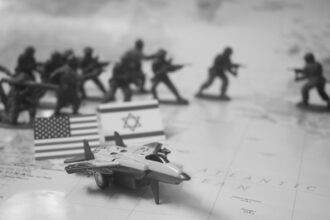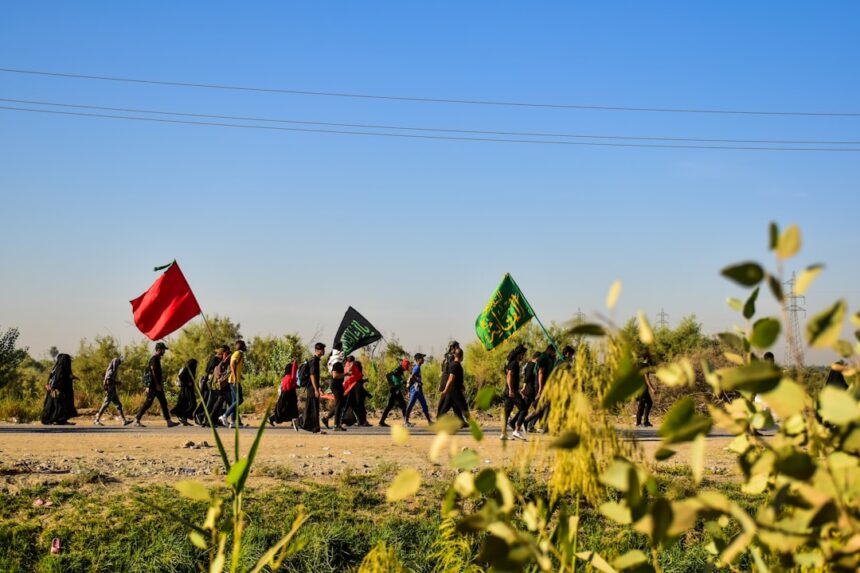
The invasion of Iraq in 2003, launched under the pretext of eliminating weapons of mass destruction and fostering democracy, unleashed a cascade of geopolitical consequences that continue to reverberate across the Middle East and beyond. The decision to remove Saddam Hussein’s regime through military force fundamentally altered the regional balance of power, catalyzed the rise of new threats, and profoundly impacted international relations. The initial euphoria surrounding the swift dismantling of the Ba’athist state quickly gave way to a complex and protracted period of instability, marked by sectarian violence, insurgency, and the emergence of extremist ideologies. Understanding the geopolitical impact necessitates a multifaceted examination of its effects on regional actors, the nature of future conflicts, and the evolution of international intervention.
The removal of Saddam Hussein’s regime, a long-standing bulwark against Iranian influence in Iraq and a significant regional military power, created a vacuum that reshaped the geopolitical landscape. For decades, the Iran-Iraq War and subsequent international sanctions had largely contained Iraq’s regional ambitions. The invasion, however, eliminated this containment, inadvertently empowering Iran and its allies.
The Rise of Iranian Influence
Iran, strategically positioned to benefit from a weakened and destabilized Iraq, began to exert considerable influence within the newly formed Iraqi political landscape. Tehran actively supported Shia political factions, religious leaders, and militias, solidifying its presence and fostering a pro-Iranian bloc within Iraq’s governance. This increased leverage allowed Iran to project its power more effectively into the Levant, supporting proxies in Syria, Lebanon, and Yemen, thus expanding its regional hegemony. The establishment of the Islamic Republic of Iraq, while ostensibly a democratic transition, became inextricably linked to Iran’s strategic objectives, alarming regional rivals like Saudi Arabia and Turkey.
The Diminishment of Arab Unity
The invasion and its aftermath had a corrosive effect on notions of Arab unity. The intervention, predominantly conceived and executed by Western powers, was viewed by many as an external imposition rather than a collective Arab endeavor. The ensuing chaos and sectarian violence within Iraq further fractured Arab solidarity, as sectarian identities often superseded broader national or regional affiliations. Arab states, many of which harbored concerns about the rise of Iranian influence, found themselves divided in their responses to the unfolding events in Iraq, further weakening any cohesive Arab front on critical regional issues.
The Empowering of Non-State Actors
The collapse of the Iraqi state’s strongman security apparatus, coupled with the subsequent breakdown of law and order, created fertile ground for the proliferation of non-state actors. Various militias, often religiously or ethnically aligned, emerged to fill the security void, frequently engaging in inter-sectarian conflict. This phenomenon was not confined to Iraq, as the destabilization contributed to the growth of transnational extremist groups.
The geopolitical consequences of the Iraq invasion have been profound and far-reaching, influencing regional stability and international relations for years to come. A related article that delves deeper into these implications can be found at In the War Room, where experts analyze the long-term effects on Middle Eastern politics and the global balance of power. This insightful piece provides a comprehensive overview of how the invasion has reshaped alliances and conflicts in the region, offering valuable perspectives for anyone interested in understanding the complexities of contemporary geopolitics.
The Genesis and Evolution of Insurgency and Extremism
The initial military success of the invasion soon devolved into a protracted and brutal insurgency, characterized by its adaptability and the increasing sophistication of its tactics. The failure to anticipate and effectively manage the post-invasion security environment was a critical miscalculation.
The Roots of the Iraqi Insurgency
The Iraqi insurgency was a complex phenomenon with multiple drivers. It comprised former Ba’athist loyalists, disgruntled former military personnel, religiously motivated groups, and nationalist elements who viewed the foreign occupation as an affront to their sovereignty. The dismantling of state institutions, including the army and police, provided a ready pool of trained individuals for insurgency. Furthermore, the perception of a foreign occupation, coupled with the alienation of significant segments of the Sunni population, fueled a widespread resistance.
The Emergence of Al-Qaeda in Iraq and its Successors
The invasion provided a crucial opportunity for extremist groups, most notably Al-Qaeda, to establish a significant presence within Iraq. Al-Qaeda in Iraq (AQI), under the leadership of Abu Musab al-Zarqawi, leveraged the sectarian tensions and the security vacuum to launch brutal attacks, often targeting Shia civilians in an attempt to provoke a wider civil war. The group’s extreme violence and sectarian agenda, while initially a concern for some elements of the insurgency, eventually alienated many Iraqis. However, the seeds of religiously motivated extremism had been sown. The eventual territorial defeat of ISIS, a direct successor to AQI, did not signify the eradication of its ideology or the threat it posed.
The Global Export of Radical Ideologies
The chaos and sectarian conflict in Iraq served as a powerful recruitment tool and training ground for aspiring jihadists from across the globe. Fighters who gained experience in Iraq returned to their home countries, carrying with them radical ideologies and combat expertise. This contributed to the proliferation of terrorist attacks in other parts of the world, transforming Iraq into a focal point for transnational terrorism. The “export” of radicalization, facilitated by the porous borders and the breakdown of state control in Iraq, had long-term implications for global security.
The Transformation of International Intervention and Diplomacy
The Iraq invasion marked a significant departure in the approach to international intervention, particularly by the United States. The operation was characterized by a unilateralist tendency and a departure from established international norms.
The Decline of Multilateralism
The decision to invade Iraq with limited international consensus, particularly without the explicit backing of the United Nations Security Council, significantly weakened the role and legitimacy of multilateral institutions. The perceived disregard for international law and the erosion of diplomatic processes led to a decline in trust and cooperation among nations. This created a precedent that other states could potentially follow, further fragmenting the international order.
The Doctrine of Preemption and its Consequences
The Bush administration’s articulation of a doctrine of preemption, justifying preventive military action against perceived threats, was a direct outcome of the post-9/11 security calculus and the rationale for the Iraq invasion. This doctrine, however, proved controversial and raised concerns about its potential for abuse and its implications for state sovereignty. The invasion of Iraq served as a real-world test case for this doctrine, and its problematic outcomes cast a long shadow over future discussions about the legitimacy of preemptive military action.
The Strain on Alliances and Partnerships
The invasion of Iraq placed considerable strain on long-standing alliances, most notably between the United States and several European nations. While some allies offered support, others, like France and Germany, vehemently opposed the invasion, leading to significant diplomatic friction. This division highlighted differing perspectives on international security, the use of force, and the role of multilateralism, impacting the cohesion of Western alliances and creating fissures in transatlantic relations.
The Humanitarian and Social Dislocation
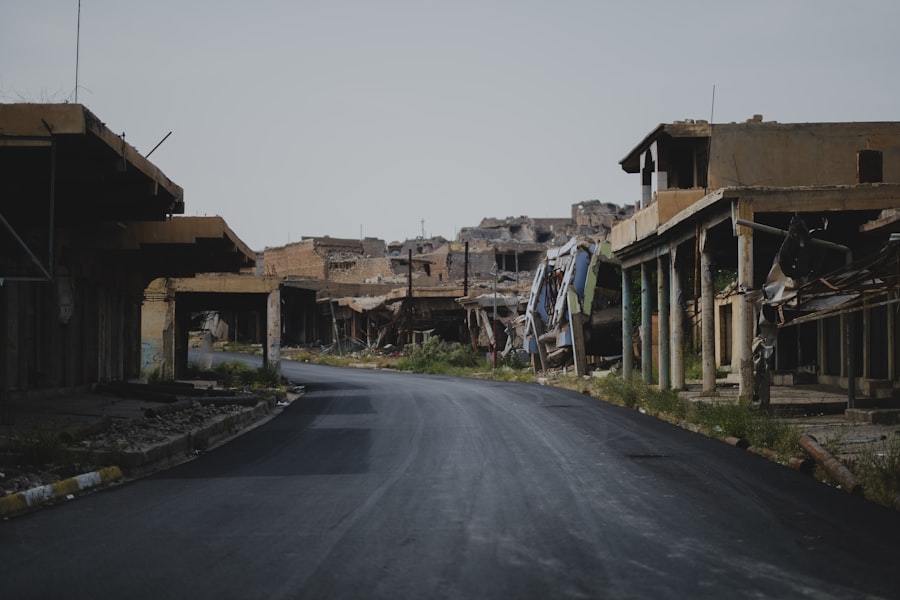
Beyond the geopolitical shifts, the invasion wrought immense human suffering and social dislocation within Iraq, with enduring consequences for the nation and the region.
Mass Displacement and Refugee Flows
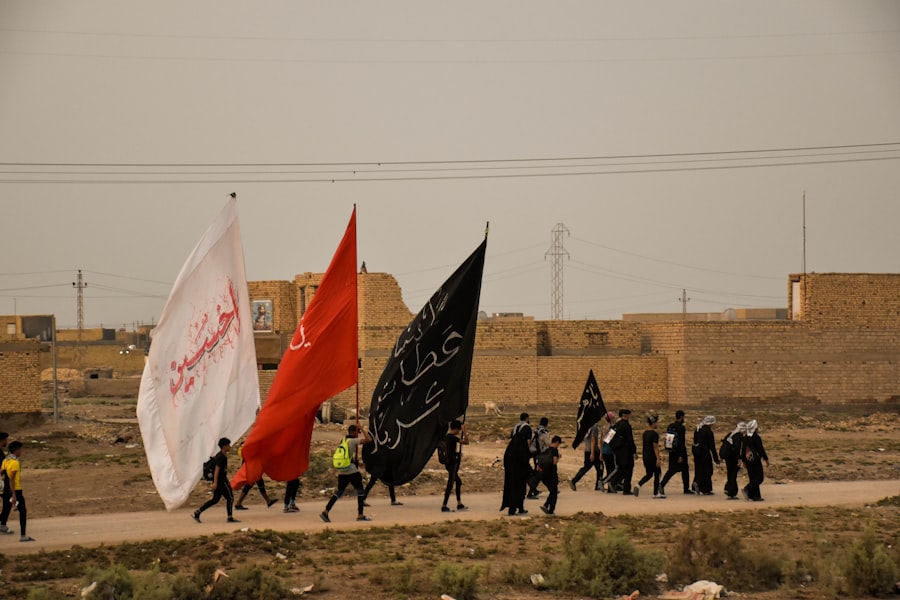
The widespread violence, sectarian cleansing, and breakdown of infrastructure triggered a massive internal displacement of populations within Iraq. Millions of Iraqis were forced to flee their homes, seeking refuge in safer areas within the country or in neighboring nations. This created a significant humanitarian crisis, straining resources and exacerbating existing social inequalities. The persistent refugee crisis, with large numbers of Iraqis seeking asylum abroad, continued for years after the initial invasion.
The Erosion of Social Cohesion and Trust
The brutal sectarian violence that gripped Iraq for years deeply fractured its social fabric. Communities that had coexisted for generations were torn apart by suspicion, fear, and retribution. The systematic targeting of civilians based on their religious or ethnic affiliation eroded trust at all levels of society, from individual relationships to broader national identity. Rebuilding this fractured trust and social cohesion has been an arduous and ongoing challenge.
The Long-Term Impact on Iraqi Society
The invasion and subsequent occupation inflicted deep and lasting wounds on Iraqi society. The destruction of infrastructure, the decimation of human capital through emigration and violence, and the psychological trauma experienced by millions have had profound and long-term consequences for the nation’s development and stability. The legacy of violence and instability continues to shape the aspirations and challenges of the Iraqi people.
The geopolitical consequences of the Iraq invasion have been profound and far-reaching, influencing not only regional stability but also global power dynamics. A related article explores these implications in detail, shedding light on how the invasion reshaped alliances and fueled conflicts in the Middle East. For a deeper understanding of these complex issues, you can read more in this insightful piece on the topic. Check it out here.
The Enduring Legacy and Future Implications
| Geopolitical Consequences of the Iraq Invasion |
|---|
| Destabilization of the region |
| Rise of ISIS |
| Increased sectarian violence |
| Shift in regional power dynamics |
| Impact on global oil markets |
| Challenges to international security |
The geopolitical impact of the Iraq invasion is not a closed chapter. Its legacy continues to shape regional dynamics, influence international policy, and inform debates about the nature of conflict and intervention.
The Destabilization of the Middle East
The invasion is widely seen as a pivotal event that accelerated the destabilization of the Middle East. By weakening established power structures and creating new vulnerabilities, it contributed to the proliferation of regional conflicts and exacerbated existing tensions. The interconnectedness of the region means that instability in one area can quickly spill over into others.
The Challenge of State-Building in Post-Conflict Environments
The difficulties encountered in rebuilding Iraq offered critical lessons about the complexities of state-building in post-conflict environments. The assumption that simply removing an autocrat would lead to a smooth transition to democracy proved naive. The invasion highlighted the need for comprehensive strategies that address security, governance, economic development, and reconciliation simultaneously.
The Debate on Interventionism and its Limits
The Iraq invasion remains a potent case study in the ongoing debate about the efficacy and ethics of international military intervention. Critics point to the immense human cost, the geopolitical fallout, and the failure to achieve stated objectives as evidence of the inherent risks and limitations of such actions. The experiences of Iraq continue to inform discussions about when, why, and how the international community should intervene in the internal affairs of sovereign states, underscoring the need for robust intelligence, clear objectives, and broad international consensus. The geopolitical landscape remains a testament to the profound and multifaceted consequences of the 2003 invasion of Iraq.
FAQs
What were the geopolitical consequences of the Iraq invasion?
The Iraq invasion led to significant geopolitical consequences, including the destabilization of the region, the rise of ISIS, and strained relations between the United States and other countries.
How did the Iraq invasion impact the Middle East?
The Iraq invasion destabilized the Middle East by creating power vacuums, fueling sectarian tensions, and contributing to the rise of extremist groups like ISIS.
What were the global implications of the Iraq invasion?
The Iraq invasion strained relations between the United States and its allies, sparked anti-war protests around the world, and led to increased scrutiny of U.S. foreign policy.
How did the Iraq invasion affect international security?
The Iraq invasion led to increased terrorism and insurgency in the region, as well as a shift in global power dynamics, particularly in the Middle East.
What long-term effects did the Iraq invasion have on global politics?
The Iraq invasion had long-term effects on global politics, including a reevaluation of military intervention, a focus on diplomatic solutions, and a reexamination of the role of the United Nations in international conflicts.