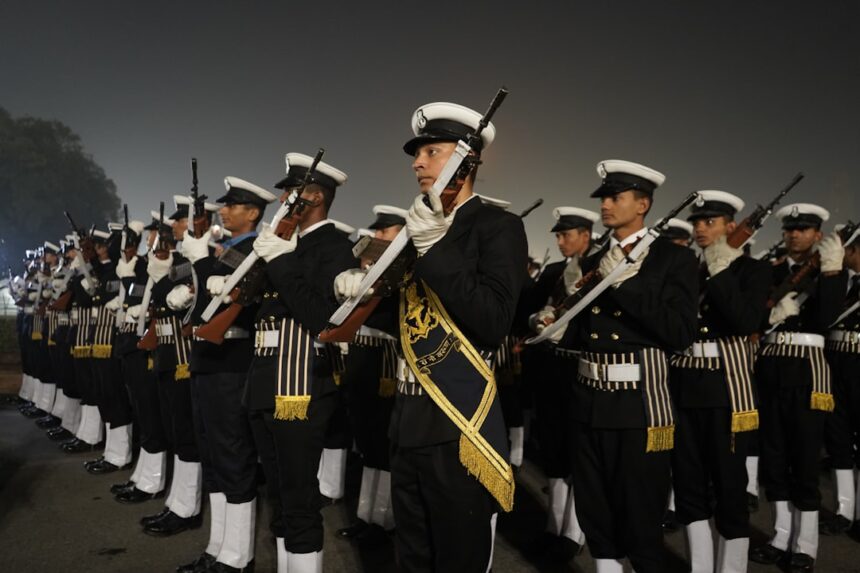
The gleaming chrome of a fighter jet, the crisp perfection of a ceremonial uniform, the meticulously choreographed movements of a military parade – these elements often evoke a sense of awe, order, and national pride. They represent discipline, skill, and a profound commitment to duty. However, beneath this polished veneer of military elegance lies a stark and often overlooked human cost. The pursuit of such perfection, of a fleet that can strike with pinpoint accuracy or a parade that moves as one entity, is built upon a foundation of intensive training, relentless pressure, and the profound psychological and physical toll it exacts on the individuals who embody this ideal.
The pursuit of military elegance is not an accidental outcome; it is the deliberate result of an arduous and often brutal training regimen. From the moment an individual enlists, they are subjected to a process designed to strip away civilian habits and forge them into a cohesive and efficient unit. This transformation, while necessary for operational effectiveness, carries significant implications for the individual.
Dehumanization as a Tool for Efficiency
The Erosion of Individuality
Military training explicitly aims to subordinate individual desires and idiosyncrasies to the needs of the collective. This is achieved through a variety of methods, including standardized routines, strict adherence to protocol, and the constant suppression of personal expression. While this fosters a powerful sense of camaraderie and shared purpose, it can also lead to a gradual erosion of an individual’s sense of self. The constant pressure to conform, to think and act as dictated, can leave individuals feeling like interchangeable parts in a larger machine, rather than unique human beings with their own thoughts, feelings, and aspirations. This can manifest as a difficulty in expressing emotions, a suppression of personal opinions, and a struggle to re-integrate into civilian life where individuality is not only permitted but often encouraged. The polished façade of military elegance, therefore, can mask a deep-seated struggle for selfhood.
Physical and Mental Endurance: Pushing Beyond Limits
The physical demands placed upon military personnel are legendary. Recruits are pushed to their absolute physical limits, often through prolonged periods of exertion, sleep deprivation, and exposure to harsh environments. This is designed not only to build strength and stamina but also to test mental fortitude, to see who can endure under duress. While this can build resilience, it also carries inherent risks. Stress fractures, chronic pain, and long-term musculoskeletal issues are common. Beyond the physical, the mental endurance required is equally taxing. The constant threat of danger, the need for split-second decision-making in high-stakes situations, and the emotional weight of witnessing or participating in combat can lead to significant psychological strain. The pursuit of military perfection necessitates pushing individuals beyond what might be considered normal human limits, and the consequences for their physical and mental well-being can be profound and lasting.
The exploration of the human costs associated with military elegance is a critical topic that sheds light on the often-overlooked consequences of warfare. For a deeper understanding of this issue, you can refer to a related article that discusses the psychological and social impacts of military operations on soldiers and civilians alike. This article emphasizes the stark contrast between the perceived glamour of military life and the harsh realities faced by those involved. To read more, visit this article.
The Art of Precision: The Psychological Weight of Operational Excellence
Military elegance is often showcased in the precision with which operations are conducted. From the flawless execution of complex aerial maneuvers to the calculated efficiency of ground operations, the emphasis is on minimizing error and maximizing effectiveness. This relentless pursuit of perfection in operational execution places an immense psychological burden on those responsible for its delivery.
The Burden of Unimpeachable Performance
The Pressure Cooker of High-Stakes Environments
In environments where the stakes are life and death, the margin for error is infinitesimally small. For pilots executing complex combat maneuvers, for special forces teams on clandestine missions, or for air traffic controllers managing busy airspace, every decision, every action, carries immense weight. The need to perform flawlessly under constant threat, often with incomplete information and under extreme time pressure, creates a sustained psychological stress. Errors can have catastrophic consequences, not only for the mission but for the lives of those involved and potentially for civilian populations. This perpetual pressure cooker environment requires individuals to maintain an almost superhuman level of focus and control, suppressing fear and doubt to achieve the desired elegant outcome.
The Paradox of Emotional Detachment
To execute with the required precision, particularly in combat situations, individuals are often trained or conditioned to develop a degree of emotional detachment. This is seen as a necessary tool for maintaining objectivity and making rational decisions in the face of terrifying circumstances. However, this detachment, while functional in the field, can create significant challenges when individuals return to civilian life. The ability to compartmentalize emotions, to suppress empathy, and to view situations purely through a lens of objective analysis can make it difficult to form and maintain healthy relationships. The elegant execution on the battlefield can leave a void in emotional connection and understanding back home. This can lead to feelings of isolation, alienation, and a profound struggle to reintegrate into a society that values emotional expression and connection.
The Spectacle of Power: Parades, Ceremonies, and the Cost of Display
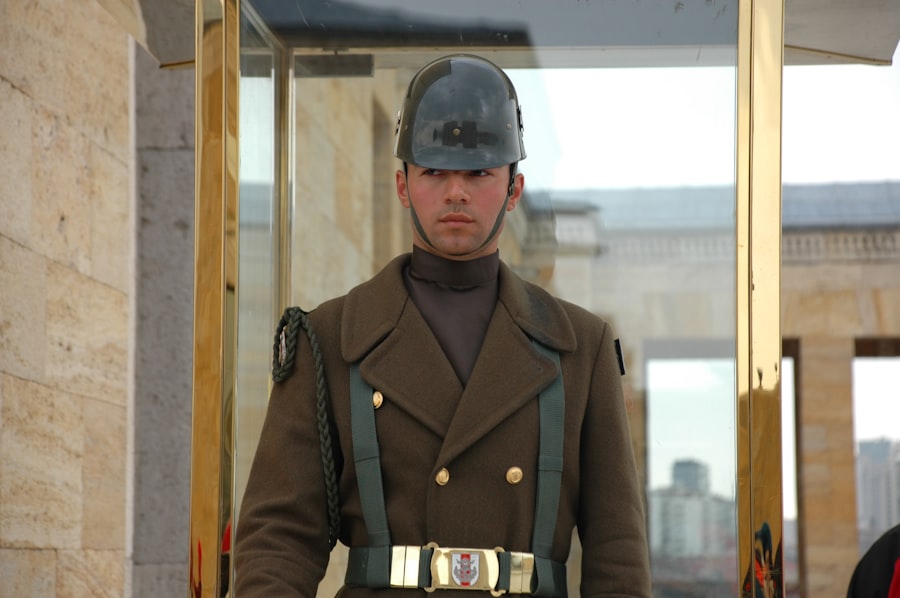
Military parades and ceremonies are potent symbols of national power, discipline, and unity. The synchronized marching, the gleaming hardware, the crisp uniforms – all contribute to a powerful visual narrative. However, the creation and maintenance of this spectacle come at a considerable human cost, demanding extraordinary effort and dedication from those who participate.
The Rigor of Immaculate Presentation
The Endless Rehearsal and Physical Toll
The seemingly effortless grace of a military parade is the product of countless hours of relentless rehearsal. Marching troupes spend weeks, if not months, perfecting every step, every turn, every salute. The physical toll of this repetitive, highly demanding activity is substantial. Blisters, strained muscles, and chronic joint pain are common ailments among those who participate in these ceremonial duties. Beyond the physical, the mental discipline required to maintain perfect focus for extended periods, to ignore discomfort and fatigue, and to perform under the watchful eyes of commanding officers and, ultimately, the public, is immense. The pursuit of visual elegance in these displays often necessitates pushing individuals to physical and mental extremes for extended durations.
The Psychological Strain of Perpetual Scrutiny
For participants in public military displays, the element of constant scrutiny is an inescapable reality. Every movement is observed, judged, and compared against a strict ideal. This creates a unique form of psychological pressure, a fear of imperfection that can be deeply ingrained. The knowledge that a single misstep—a dropped rifle, a faltering step, a furrowed brow—can tarnish not only their personal reputation but also the perceived honor and efficiency of their unit, weighs heavily. This pressure to maintain an unwavering facade of stoicism and perfection can lead to heightened anxiety, self-doubt, and a perpetual state of hyper-vigilance, even in the absence of immediate threat. The elegant display, therefore, can be a performance born of fear as much as of pride.
The Machines of Elegance: The Human Element in Advanced Warfare
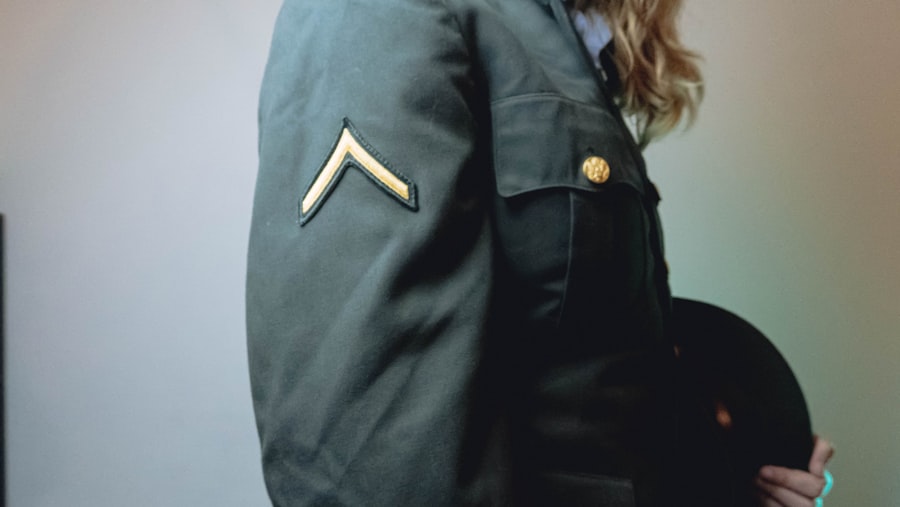
Modern military elegance is often embodied in the sophisticated machinery of war: stealth bombers, precision-guided munitions, advanced surveillance systems. These technologies are designed for efficiency, accuracy, and a reduction in human casualties on the “successful” side. However, the individuals who operate, maintain, and direct these elegant machines are still very much human, and their experiences are far from devoid of significant human cost.
The Remote Battlefront: A New Kind of Disconnection
The Psychological Impact of Unseen Conflict
Operations conducted remotely, through drones or cyber warfare, represent a new frontier in military engagement, offering a certain detached elegance to the act of combat. Operators sit in air-conditioned control rooms, miles away from the battlefield, guiding machines that deliver lethal force. While this may reduce immediate physical risk to the operator, it introduces a unique set of psychological challenges. The disconnection from the visceral reality of combat, the inability to witness the immediate aftermath of an action, can lead to a distorted perception of the impact of their actions. This can foster a sense of moral ambiguity and cognitive dissonance. The very elegance of these remote operations, the clean lines of code and precise targeting, can mask the messy, brutal reality of their consequences, leading to unprocessed trauma and a profound sense of guilt or detachment that is difficult to resolve.
The Cycle of Maintenance and Obsolescence: The Unsung Technicians
Behind every sophisticated piece of military hardware is a vast network of technicians and engineers dedicated to its upkeep. These individuals, often working in demanding conditions and facing tight deadlines, are essential to maintaining the elegant functionality of military machines. Their work, while vital, can be physically taxing and mentally draining. Moreover, the rapid pace of technological advancement means that these machines, and therefore the skills required to maintain them, can become obsolete quickly. This creates a constant pressure to adapt, to retrain, and to keep pace with ever-evolving systems. The human toll here is less about direct combat and more about the relentless cycle of demanding technical work, the pressure of perfection in upkeep, and the underlying anxiety of obsolescence.
The concept of military elegance often overlooks the profound human costs associated with warfare. An insightful article that delves into this topic can be found on In the War Room, where it explores the sacrifices made by soldiers and their families in the name of national defense. Understanding these human costs is crucial for a comprehensive view of military operations and their implications. For more information, you can read the article here.
Reintegration and the Lingering Shadows: The Aftermath of Served Elegance
| Category | Metrics |
|---|---|
| Casualties | Number of soldiers killed or injured |
| Displacement | Number of civilians displaced from their homes |
| Psychological Impact | Number of individuals suffering from PTSD |
| Healthcare Costs | Amount spent on medical treatment for military personnel |
The act of serving in a military that values and strives for elegance, whether through combat prowess or ceremonial perfection, leaves an indelible mark on individuals. The transition back to civilian life, therefore, is not simply a matter of shedding a uniform; it is a complex and often challenging process of reconciling deeply ingrained experiences with a fundamentally different world.
The Difficulty of Shedding the Military Mindset
The Invisible Wounds of a Life of Duty
The mental discipline, the procedural thinking, and the hierarchical structure ingrained through military service are not easily discarded. Individuals may find themselves struggling with the less structured, more subjective nature of civilian life. The directness and clarity often valued in the military can clash with the nuances and ambiguities of civilian interactions. Furthermore, the experiences of prolonged stress, exposure to trauma, and the constant performance of duty can result in invisible wounds such as Post-Traumatic Stress Disorder (PTSD), anxiety, and depression. These are not failures of elegance but rather the deeply human consequences of living a life demanding absolute control and unwavering performance in often brutal circumstances. The very qualities that made them effective in their elegant military roles can become significant hurdles in their civilian lives.
The Search for New Identity and Purpose
For many veterans, the military provided a clear sense of identity and purpose, often centered around contributing to a larger, noble cause. Upon returning to civilian life, this established identity can feel fractured, leaving a void that is difficult to fill. The pursuit of noble, albeit imperfect, civilian endeavors can feel less impactful than the perceived grandiosity of military service. The struggle to find new meaning and purpose, to redefine oneself outside the structured framework of military life, is a significant challenge. The elegant precision of their past can be contrasted with the perceived messiness and uncertainty of their present, contributing to feelings of disillusionment and a quiet struggle to reclaim a sense of self beyond the confines of their service. The pursuit of military elegance, in its ultimate conclusion, leaves behind individuals grappling with the profound human toll of shaping themselves into the polished instruments of its design.
FAQs
What are the human costs of military elegance?
The human costs of military elegance refer to the physical, emotional, and psychological toll that military operations and warfare take on individuals, including soldiers, civilians, and their families.
What are some examples of human costs in military operations?
Examples of human costs in military operations include physical injuries, mental health issues such as post-traumatic stress disorder (PTSD), displacement of civilians, loss of life, and the impact on families and communities.
How do military operations impact soldiers?
Military operations can impact soldiers in various ways, including exposure to combat-related trauma, physical injuries, mental health challenges, and difficulties reintegrating into civilian life after deployment.
What are the effects of military elegance on civilians?
Civilians in conflict zones may experience displacement, loss of homes and livelihoods, exposure to violence, trauma, and the breakdown of social and community structures, all of which contribute to the human costs of military elegance.
What measures are in place to address the human costs of military elegance?
Efforts to address the human costs of military elegance include providing support and resources for veterans, mental health services, humanitarian aid for civilians affected by conflict, and international laws and conventions aimed at protecting civilians in conflict zones.