The Shadow of the Bear: Soviet Submarine Activity in the Mediterranean
The Mediterranean Sea, a historical cradle of civilizations and a crucial maritime crossroads, found itself in the tense embrace of the Cold War throughout the latter half of the 20th century. For the Soviet Union, a global superpower with ambitions to project its influence far beyond its land borders, the Mediterranean represented a strategically vital theatre. The Soviet Navy, under relentless modernization and expansion, saw the Mediterranean as a prime location to challenge the dominance of the United States Navy’s Sixth Fleet. This presence was not merely symbolic; it was driven by a complex calculus of geopolitical objectives.
Soviet submarine activity in the region was a multifaceted operation designed to achieve several key goals. Firstly, it served as a direct counter to the presence of NATO forces, particularly American carrier battle groups. The presence of Soviet submarines, capable of launching nuclear missiles, acted as a significant deterrent, forcing the Sixth Fleet to divert resources to tracking and countering these underwater threats. This constant cat-and-mouse game was a hallmark of Cold War naval strategy, where the unseen adversary lurking beneath the waves was a persistent concern.
Secondly, the Mediterranean provided a crucial launchpad for projecting Soviet power into the Middle East and North Africa. By maintaining a naval presence, the USSR could offer support to its allies, influence regional conflicts, and demonstrate its commitment to clients who might otherwise fall under Western sway. Submarines, with their stealth and potential for rapid deployment, were ideal assets for such operations, capable of intelligence gathering, covert insertions, or even the threat of missile strikes.
Furthermore, the Soviet Union sought to monitor and influence the movement of NATO shipping, particularly troop transports and supply lines, during any potential escalation of conflict. The vast network of undersea cables also presented an opportunity for intelligence gathering, and Soviet submarines were equipped for such clandestine operations. The ability to disrupt or observe these critical maritime arteries was a significant strategic advantage.
The operational environment in the Mediterranean posed unique challenges for submarines. Its relatively confined waters, coupled with the busy surface traffic and the constant presence of anti-submarine warfare (ASW) assets from NATO navies, demanded exceptional skill and sophisticated technology from Soviet submariners. The seabed topography, the prevalent weather patterns, and the density of sonar arrays all played a role in the intricate dance of concealment and detection that characterized this underwater Cold War. This sustained and often aggressive Soviet naval posture in the Mediterranean set the stage for the events that would unfold in 1976.
The 1976 Ionian Sea submarine collision remains a significant event in naval history, highlighting the complexities of underwater navigation and the potential for catastrophic accidents. For a deeper understanding of the factors that contributed to this incident, you can read a related article that explores the implications of submarine operations and safety protocols in crowded maritime environments. To learn more, visit this article.
The Unseen Encounter: The Prelude to Collision
The year 1976 was a period of heightened Cold War tension. While not marked by a specific global crisis on the scale of Cuba, the underlying animosity and strategic maneuvering between the United States and the Soviet Union were constant. In this environment, naval patrols, especially those involving submarines, were a critical component of power projection and intelligence gathering. The Soviet Navy, in particular, was actively engaged in demonstrating its growing capabilities and challenging the established maritime order.
The specific operational area where the collision occurred, the Ionian Sea, is a strategically significant body of water in the Mediterranean. It lies to the west of the Balkan Peninsula and south of Italy, acting as a gateway to the Adriatic Sea and connecting the central Mediterranean to the eastern portions. For both NATO and the Warsaw Pact, this region was a vital transit zone and a potential flashpoint.
Soviet submarines frequently operated in these waters, often conducting “show-the-flag” missions, intelligence gathering, and anti-submarine warfare exercises. Their objective was to maintain a persistent presence, observe NATO naval movements, and test the response capabilities of their adversaries. These patrols were meticulously planned, with strict adherence to operational parameters aimed at minimizing the risk of detection and, more importantly, avoiding any direct confrontation that could escalate beyond control.
NATO navies, on the other hand, were equally vigilant. The US Sixth Fleet, a cornerstone of American military presence in Europe, maintained a constant watch for Soviet naval activity. Anti-submarine warfare was a top priority, and various methods were employed to detect, track, and, if necessary, deter Soviet submarines. This included the use of sonar buoys, maritime patrol aircraft, and other submarines tasked with ASW operations. The Mediterranean, with its relatively shallow depths in some areas and high acoustic clutter, presented a complex environment for ASW operations, but also a necessary one for strategic monitoring.
The Soviet submarine involved in the 1976 incident was a Project 641 (NATO reporting name: Foxtrot-class) diesel-electric submarine. These submarines, while older than the more advanced nuclear-powered vessels, were still a formidable presence. They were known for their endurance on batteries and their ability to operate stealthily at shallow depths. The specific mission of this particular Foxtrot-class submarine on the night of the collision was likely a routine patrol, gathering intelligence on naval traffic or conducting evasive maneuvers to avoid detection. The exact nature of its orders remains classified, but its presence in the Ionian Sea was a direct consequence of the broader Cold War naval strategy.
The Ionian Sea Incident: A Night of Misfortune and Mistaken Identity

The incident that transpired on the night of November 7th, 1976, in the Ionian Sea, was a stark illustration of the inherent risks involved in operating large, often invisible, military assets in close proximity. The details of the collision, as pieced together from various accounts and official reports, paint a picture of a high-stakes game of maritime hide-and-seek gone tragically wrong.
The Soviet submarine, a Foxtrot-class diesel-electric vessel identified as K-177, was operating submerged. Its mission, as is typical for such patrols, involved maintaining a low profile, utilizing its stealth capabilities to gather intelligence and avoid detection by NATO forces. The Ionian Sea at that time was a busy thoroughfare for maritime traffic, both military and civilian, and navigating such an environment while remaining undetected required a high degree of skill and concentration from the crew.
On the other side of this tense encounter was the USS Sphinx (ARL-24), a naval repair ship. The Sphinx, while a support vessel, was still a significant piece of military hardware. Its presence in the region was part of the broader operational posture of the US Navy in the Mediterranean. Repair ships are crucial for maintaining the operational readiness of the fleet, providing essential services to combat vessels at sea.
The exact circumstances leading to the collision remain a subject of some debate, but the general consensus points to a critical failure in situational awareness on the part of at least one, and likely both, vessels. Operating submerged, the Foxtrot-class submarine would have been reliant on passive sonar for detection. The USS Sphinx, a much larger surface vessel, would have been visible to the submarine’s active sonar if it had been employed, but active sonar use by submarines is often a last resort due to its inherent detectability.
One prevailing theory suggests that the Soviet submarine, K-177, was attempting to conduct a covert maneuver, possibly to avoid detection by a suspected NATO ASW patrol or to reposition itself for better observation. In doing so, it may have miscalculated its depth or its proximity to other vessels. Simultaneously, the USS Sphinx, operating on the surface, might have been unaware of the submerged submarine’s presence. The night conditions, the general ambient noise of the sea, and the sheer size of the vessels could have contributed to the lack of awareness.
The collision itself was reportedly a glancing blow. The submarine’s sail, the raised structure on its deck housing the conning tower and periscopes, is known to be a vulnerable point. It is believed that the sail of K-177 struck the hull of the USS Sphinx. The impact, while not catastrophic for either vessel in terms of immediate sinking, was significant enough to cause damage and undoubtedly a moment of extreme alarm for both crews. The sound of metal grinding against metal beneath the waves would have been a chilling herald of the unexpected encounter.
Immediate Aftermath and Covert Disentanglement
The immediate aftermath of the collision was characterized by a palpable sense of urgency and a desperate need for discretion. In the highly charged atmosphere of the Cold War, any direct military engagement, even an accidental one between vessels of opposing blocs, carried the immense risk of escalation. For both the Soviet and American naval commands, the primary objective was to contain the incident and prevent it from becoming a public diplomatic crisis or, worse, a trigger for wider conflict.
Following the impact, both the USS Sphinx and the K-177 would have experienced immediate and significant shockwaves. For the submarine crew, the jolt of striking a solid object while submerged would have been terrifying. Emergency procedures would have been initiated to assess damage, check for flooding, and determine the operational integrity of the vessel. The damage to the submarine’s sail would have been a primary concern, as it houses critical equipment and forms part of its hydrodynamic profile.
Onboard the USS Sphinx, the crew would have felt the collision as a jarring impact. An immediate assessment of the damage to the hull and any potential compromise of watertight integrity would have been paramount. The realization of having collided with a submerged Soviet submarine would have instantly triggered protocols for dealing with such a sensitive encounter.
Given the strategic implications, a swift and quiet disentanglement was essential. There would have been no public pronouncements or distress calls broadcast over open channels. Instead, communication, if any, would have been through pre-established, secure, and discreet channels between the respective naval commands. The goal was to extricate themselves from the situation without drawing undue attention.
It is highly probable that the damaged Soviet submarine, K-177, was instructed to proceed to a designated rendezvous point or a friendly port for repairs. This would have involved a careful assessment of its seaworthiness, especially with damage to its sail. The USS Sphinx, too, would have needed to evaluate its own damage and potentially disengage from its operational area to undergo repairs or assessment at a naval facility. The nature of the damage to the Sphinx would have dictated its immediate operational capability.
The principle of “plausible deniability” would have been a guiding factor for both sides. Each nation would have sought to minimize any official acknowledgment of the incident. The absence of widespread reporting or official statements from either government at the time is indicative of this covert approach to managing the fallout. The incident, therefore, remained largely a classified event, known only to those directly involved and to intelligence agencies privy to the operational movements of the respective navies. This discretion, born out of the Cold War imperative to avoid provoking the adversary, ensured that a potentially incendiary maritime mishap did not ignite a larger geopolitical firestorm.
The 1976 Ionian Sea submarine collision remains a significant event in naval history, highlighting the complexities of underwater navigation and military operations. For those interested in exploring the broader implications of such incidents, a related article can be found on the topic of maritime safety and international naval protocols. This insightful piece delves into the lessons learned from past collisions and the measures taken to prevent future occurrences. You can read more about it in this detailed analysis.
Unveiling the Incident: Leaks, Investigations, and Cold War Scars
| Metric | Details |
|---|---|
| Date | August 21, 1976 |
| Location | Ionian Sea, near the coast of Greece |
| Vessels Involved | USS Gato (SSN-615) – United States Navy, K-22 – Soviet Navy |
| Type of Incident | Submarine collision |
| Casualties | No fatalities reported |
| Damage | Minor damage to both submarines |
| Cause | Underwater collision during covert operations |
| Outcome | Both submarines returned to base; incident remained classified for years |
The Ionian Sea submarine collision of 1976, while initially managed with extreme discretion by the involved naval powers, could not remain entirely secret. The inherent nature of military operations, combined with the occasional slip-up or intentional disclosure by individuals with knowledge of the event, eventually led to its partial unveiling. This process of revelation was, as is common with many Cold War incidents, a slow and often indirect one, characterized by leaks, investigative journalism, and the gradual declassification of information.
Early indications of a significant maritime incident likely surfaced through unofficial channels. Sailors who served on either the K-177 or the USS Sphinx, upon their return to shore or during subsequent interactions, might have shared their experiences with trusted confidantes or even hinted at the event in memoirs or interviews conducted years later. Intelligence agencies, ever vigilant, would also have been monitoring for any unusual activity or communications that might point to such an encounter.
The first public intimations of the collision are believed to have emerged in the late 1970s and early 1980s, primarily through naval intelligence sources and investigative journalists who specialized in military affairs. These reports were often piecemeal, lacking definitive confirmation, and relying on a combination of declassified documents (often heavily redacted), anonymous sources, and educated speculation. The lack of official confirmation from either the US or Soviet governments only fueled further conjecture.
A significant turning point in bringing the incident to wider public attention came with the work of authors and researchers who delved into the archives and interviewed former naval personnel. Their efforts helped to piece together a more coherent narrative of the event, identifying the vessels involved and the general location of the collision. The inherent drama of a near-miss between two nuclear-armed superpowers, even if it involved a conventional submarine, naturally captured public and media interest.
Official investigations, though likely conducted internally by both navies immediately after the incident, were kept classified. However, information from these investigations, or at least the conclusions drawn from them, would have filtered out over time. The process of declassification, a slow and often politically charged endeavor, has gradually yielded more details about Soviet submarine operations in the Mediterranean during the Cold War, including information that sheds light on events like the Ionian Sea collision.
The incident left its mark not only on the vessels involved but also on the broader narrative of the Cold War. It served as a potent reminder of the ever-present danger of accidental conflict. The constant maneuvering and probing by opposing naval forces created a precarious balance, where a single misjudgment or mechanical failure could have had catastrophic consequences. The Ionian Sea collision, though largely contained, represented one such moment where the fragility of that balance was starkly exposed. It highlighted the immense pressure and the constant vigilance required by military personnel on both sides, operating in an environment where the stakes were global annihilation.
Lessons Learned and the Enduring Legacy of Maritime Vigilance
The 1976 Ionian Sea submarine collision, though a discrete event, contributed to a broader evolution of maritime safety protocols and underscored the enduring importance of vigilance in naval operations. While the specific details of operational adjustments made by the US Navy and the Soviet Navy in direct response to this incident remain largely classified, the general principles derived from such near-misses have undoubtedly influenced naval doctrine.
One of the most immediate takeaways from such collisions is the critical need for enhanced situational awareness. This involves not only the effective use of sonar and other detection systems but also the rigorous adherence to navigation procedures and the development of robust communication protocols between vessels operating in proximity. The inherent challenges of operating in a three-dimensional environment, where vessels can be both above and below the surface, demand constant vigilance and a proactive approach to threat assessment.
The incident also served to reinforce the importance of clear command and control structures and the need for well-rehearsed emergency procedures. In the chaotic moments following a collision, a crew’s ability to respond effectively, assess damage, and implement recovery protocols can mean the difference between a minor incident and a major disaster. Training exercises, simulations, and the continuous refinement of these procedures are vital for maintaining operational readiness and mitigating risks.
Furthermore, the Ionian Sea collision underscored the delicate balance of power and the inherent dangers of miscalculation during periods of geopolitical tension. The incident served as a stark reminder that even in the absence of direct hostilities, the constant presence of heavily armed military forces operating in close proximity created a volatile environment. This realization likely contributed to the ongoing efforts by both superpowers to establish de-escalation mechanisms and communication channels, even if these were rudimentary and often fraught with mistrust.
The legacy of the 1976 Ionian Sea submarine collision lies in its quiet contribution to the broader understanding of maritime safety and the complexities of superpower naval competition. While not a headline-grabbing event that defined an era, it represents a significant footnote in the history of the Cold War, a testament to the unseen dangers that lurked beneath the waves. It serves as a powerful reminder that even in times of profound strategic rivalry, the pursuit of security must always be tempered by a commitment to preventing catastrophic accidents through meticulous planning, unwavering vigilance, and a deep respect for the immense power of the ocean and the machines that ply its depths. The echo of that collision, though muffled by time and secrecy, continues to resonate in the ongoing commitment to safe and responsible naval operations across the world’s oceans.
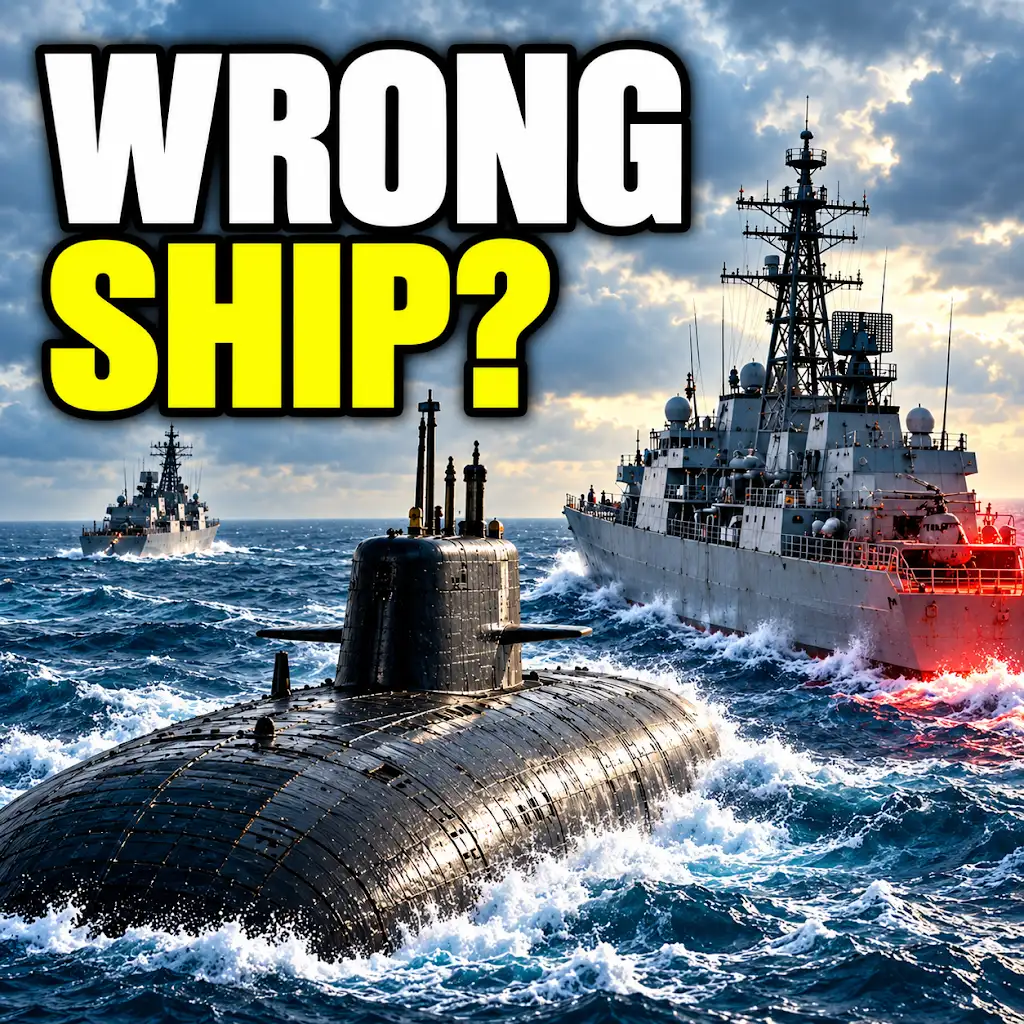
A Soviet Submarine Hit a U.S. Frigate. Was It the Wrong Ship?
FAQs
What happened during the 1976 Ionian Sea submarine collision?
In 1976, two submarines, the USS Von Steuben of the United States Navy and the HMS Orpheus of the Royal Navy, collided in the Ionian Sea near the island of Zakynthos. The collision resulted in damage to both submarines and led to the loss of two lives.
What were the causes of the 1976 Ionian Sea submarine collision?
The collision was primarily caused by a series of miscommunications and errors in judgment on the part of the crew members of both submarines. Poor visibility and a lack of proper communication protocols also contributed to the accident.
What were the consequences of the 1976 Ionian Sea submarine collision?
As a result of the collision, the USS Von Steuben suffered damage to its sail and periscope, while the HMS Orpheus had its fin bent. Two crew members from the USS Von Steuben lost their lives in the accident, and both submarines had to undergo extensive repairs.
Were there any investigations or inquiries conducted following the 1976 Ionian Sea submarine collision?
Yes, both the United States Navy and the Royal Navy conducted separate investigations into the collision. The inquiries focused on determining the causes of the accident, identifying any lapses in protocol, and making recommendations to prevent similar incidents in the future.
What measures were taken to prevent future submarine collisions after the 1976 Ionian Sea incident?
Following the collision, both the United States Navy and the Royal Navy implemented new safety protocols, improved communication systems, and enhanced training for submarine crews to reduce the risk of similar accidents. These measures were aimed at enhancing the safety and security of submarine operations in the future.