The year 1976 was a tense one on the Korean Peninsula, a region perpetually teetering on the brink of renewed conflict. While the specter of nuclear proliferation and intercontinental ballistic missiles was not yet the dominant feature of North Korean provocations, the reclusive nation consistently sought to test the resolve of the United Nations Command (UNC) and the Republic of Korea (ROK) military through a variety of aggressive actions. The summer of 1976, however, witnessed a singular event that escalated these simmering tensions to an unprecedented level of alarm, forcing a robust and highly visible response from the United States military. This was the infamous “Axe Incident,” a brutal and deadly confrontation that brought the world perilously close to another Korean War.
The Korean Demilitarized Zone: A Tinderbox of Tension
The Korean Demilitarized Zone (DMZ) is a 250-kilometer long, 4-kilometer wide buffer zone that has separated North and South Korea since the Korean War armistice in 1953. It is, by definition, the most heavily fortified border in the world, a stark scar across the peninsula where the North Korean People’s Army (KPA) and the UNC, primarily comprised of ROK and United States forces, maintain constant vigilance. Despite its name, the DMZ is anything but demilitarized. It is a landscape of barbed wire, minefields, guard posts, and heavily armed patrols, a constant reminder of the unresolved conflict.
The DMZ has always been a site of frequent skirmishes, infiltrations, and propaganda battles. North Korea, under the iron fist of Kim Il-sung, viewed the DMZ as a contested space, a frontier to be probed and challenged. Incidents ranged from minor border violations and artillery duels to more serious attempts at infiltration and the kidnapping of South Korean citizens. The UNC, in turn, maintained a posture of readiness, prepared to repel any aggression and deter further provocations. However, the specific nature of the Axe Incident would reveal a new and chilling dimension to North Korean hostility.
The Role of the UNC and USFK
The United Nations Command, established after the outbreak of the Korean War, retains overall responsibility for the defense of South Korea. Within this structure, the United States Forces Korea (USFK) plays a pivotal role, providing the bulk of the advanced military hardware, logistical support, and operational command. The USFK’s presence is a cornerstone of the ROK-US alliance, a tangible commitment to deterring North Korean aggression. Throughout 1976, USFK forces, alongside their ROK counterparts, were actively engaged in maintaining security along the DMZ.
In 1976, the U.S. military response to North Korea was notably marked by the incident involving the Korean Demilitarized Zone (DMZ) and the brutal killing of two American soldiers by North Korean forces. This event heightened tensions and led to a significant show of force by the United States, including the deployment of additional troops and military assets to the region. For a more in-depth analysis of this critical moment in U.S.-North Korea relations, you can read the related article at this link.
The Genesis of the Axe Incident: A Routine Task Gone Horribly Wrong
The incident unfolded on August 18, 1976, in the Joint Security Area (JSA) of the DMZ, specifically at the Bridge of No Return. The JSA is a unique section of the DMZ where both North and South Korean forces can operate, albeit under strict protocols. It is a highly sensitive area, designed to facilitate communication and negotiation, but also a place where interactions between opposing forces are constant and fraught with tension.
On that fateful day, a team of UNC personnel, including American and South Korean soldiers, were tasked with pruning a poplar tree. This tree, situated near Checkpoint 3 in the JSA, had grown to obstruct the view between two Joint Security Area observation posts, specifically Observation Post Oulite and Observation Post Tango. The tree, a seemingly innocuous element, was located on an island within the JSA that was jointly administered. The decision to prune the tree was a routine maintenance task, authorized and conducted under the watchful eyes of both sides.
The Objective: Enhancing Visibility and Security
The primary objective of pruning the poplar tree was to improve visibility for the UNC observation posts. This enhanced sightline was crucial for monitoring North Korean troop movements and potential infiltration attempts, thereby bolstering the security of the JSA. The UNC had, in fact, previously requested permission from the North Koreans to prune the tree, but their request was denied. Despite this, the UNC proceeded with the pruning, believing it to be within their rights to maintain security in the jointly administered area.
The Presence of North Korean Observers
As the UNC team began their work, a group of North Korean border guards, led by a Captain named Pak, arrived at the scene. Their presence was not unusual; North Korean patrols frequently observed UNC activities within the JSA. However, on this particular day, their demeanor seemed more aggressive and confrontational.
The Escalation: An Unprovoked and Brutal Attack
The situation quickly devolved from a routine task into a violent confrontation. As the UNC soldiers, armed with axes and saws, began to trim the branches of the poplar tree, the North Korean soldiers became increasingly agitated. Captain Pak ordered his men to stop the pruning, but the UNC team, under the command of Captain Arthur Bonifas, continued their work.
The Immediate Reaction of the North Korean Forces
The North Koreans viewed the UNC’s continued pruning as a deliberate provocation and a violation of the armistice agreement. Captain Pak, enraged by what he perceived as defiance, issued a direct order to his soldiers. Without any further warning or negotiation, the North Korean guards unleashed a surprise attack on the UNC personnel.
The Use of Lethal Force: Axes and Clubs
The North Korean soldiers were armed not only with their standard issue weapons but also with axes and clubs. They surged across the disputed territory and fell upon the unsuspecting UNC team. The attack was swift, brutal, and merciless. Captain Bonifas and Lieutenant Mark Barrett, who were overseeing the pruning, were among the first to be targeted. The North Koreans wielded their axes with savage intent, inflicting grievous wounds.
The UNC’s Response: Outnumbered and Overwhelmed
The UNC soldiers were caught completely off guard. They were not equipped for combat in this scenario and were significantly outnumbered by the KPA attackers. While some managed to defend themselves with their limited available tools, they were largely overwhelmed by the ferocity of the North Korean assault. The situation quickly turned into a chaotic melee.
The Aftermath: Casualties and Outrage
The Axe Incident, as it came to be known, resulted in the deaths of two American officers: Captain Arthur Bonifas and Lieutenant Mark Barrett. Several other UNC personnel were injured. The brutal and unprovoked nature of the attack sent shockwaves through the United States military and the international community. It was a stark reminder of the unpredictable and volatile nature of the Korean Peninsula.
The Identification of the Victims
Captain Arthur Bonifas, 31, a veteran of the Vietnam War, was serving as the commander of Company A, 1st Battalion, 44th Infantry Regiment. Lieutenant Mark Barrett, 24, was a newly commissioned officer serving his first tour of duty. Their deaths were deeply mourned by their families, colleagues, and the nation.
The Immediate Condemnation and Demands for Accountability
The United States government, led by President Gerald Ford, reacted with swift and strong condemnation. The North Korean action was labeled as an act of unprovoked aggression and a violation of the Korean War armistice. The US demanded that North Korea hold the perpetrators accountable for their actions and provide assurances that such incidents would not happen again.
The Impact on US-North Korea Relations
The Axe Incident severely damaged the already fragile relationship between the United States and North Korea. It led to a period of heightened diplomatic tension and a significant increase in US military readiness along the DMZ. The incident also solidified the perception of North Korea as an unpredictable and hostile state.
In 1976, the US military response to North Korea escalated following the infamous axe murder incident in the Korean Demilitarized Zone, which highlighted the ongoing tensions between the two nations. This event prompted a significant show of force from the United States, including the deployment of additional troops and military assets to the region. For a deeper understanding of the complexities surrounding this period, you can read more about it in this insightful article on the US military’s strategic decisions during the Cold War.
The US Military Response: Operation Paul Bunyan
The immediate and decisive military response from the United States and its allies was paramount to deterring further North Korean aggression and demonstrating unwavering commitment to the defense of South Korea. The world held its breath as the US military mobilized, showcasing its capability and resolve.
The Decision to Respond Forcefully
President Ford, upon receiving confirmation of the brutal attack, authorized a series of retaliatory measures. The primary objective was to demonstrate to North Korea that such blatant acts of aggression would not be tolerated and that the United States would not be intimidated. The response needed to be swift, visible, and decisive.
The Deployment of Reinforcements and Assets
In the days following the Axe Incident, the US military began a significant build-up of forces and assets in and around the Korean Peninsula. This was a clear signal of intent.
Naval Presence: The Might of the Seventh Fleet
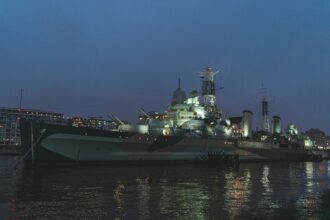
The US Navy’s Seventh Fleet, a powerful projection of American naval power in the Pacific, was significantly reinforced. Aircraft carrier battle groups, including the USS Midway and the USS Ranger, were deployed to the waters off the Korean coast. These carriers, bristling with fighter jets and other combat aircraft, served as a formidable deterrent. Battleships, destroyers, and submarines also joined the naval buildup, creating a visible and intimidating presence.
Air Power: Strategic Bombing and Air Superiority
The US Air Force played a crucial role in the response. Strategic bomber units, including B-52 Stratofortresses, were placed on high alert and conducted visible training exercises over South Korea. Fighter squadrons, equipped with advanced F-4 Phantoms and F-111 Aardvarks, conducted numerous sorties along the DMZ and surrounding areas, demonstrating air superiority and readiness to engage. The sound of US fighter jets became a constant reminder of the increased military posture.
Ground Forces: Increased Readiness and Patrols
US Army and Marine Corps units stationed in South Korea, part of the USFK, were placed on heightened alert. Patrols along the DMZ were intensified, with an increased number of troops and heavier armament. Live-fire exercises were conducted in strategically important areas to underscore the readiness to defend.
Operation Paul Bunyan: A Symbolic Act of Retribution
The most dramatic and symbolic act of the US military response was the execution of “Operation Paul Bunyan.” This operation was designed to remove the very poplar tree that had been the catalyst for the deadly confrontation. It was a calculated and highly visible demonstration of US resolve.
The Objective: Eradicating the Symbol of the Incident
The primary objective of Operation Paul Bunyan was to cut down the poplar tree. However, the operation was far more than a simple tree-felling exercise. It was a meticulously planned military operation designed to send a clear message to North Korea: the United States would not be deterred and would take decisive action to assert its rights and protect its personnel.
The Execution of the Operation: A Massive Military Display
On August 21, 1976, just three days after the Axe Incident, Operation Paul Bunyan was launched. A massive force of over 100 personnel, including US soldiers and South Korean counterparts, was deployed to the site. This force was heavily armed and supported by a formidable array of military assets.
Ground Support: Heavily Armed Troops and Engineers
The ground contingent consisted of engineers tasked with cutting down the tree, supported by heavily armed infantry units from both the US and ROK armies. Mine-clearing teams and explosive ordnance disposal (EOD) specialists were also present to ensure the safety of the operation.
Air Cover: Unprecedented Aerial Surveillance and Protection
An unprecedented level of air cover was provided for the ground forces. Multiple helicopters, including attack helicopters armed with rockets and machine guns, provided close air support. Fighter jets patrolled the skies, ready to intercept any potential North Korean interference. Drones and reconnaissance aircraft conducted constant surveillance of the surrounding area.
Heavy Equipment: Tanks and Bulldozers
Crucially, armored bulldozers were brought in to clear a path and remove any obstacles. Tanks were positioned to provide direct fire support if needed. The sheer scale of the equipment deployed underscored the seriousness of the operation.
The Symbolism of the Saw and Axe
The poplar tree was eventually felled using chainsaws and axes, a direct echo of the tools used by the victims of the Axe Incident. This symbolic act was a powerful message to Pyongyang, demonstrating that the United States would not shy away from confronting North Korean aggression, even in the face of potential escalation.
The North Korean Reaction and Compliance
During Operation Paul Bunyan, North Korean forces observed the proceedings from their side of the DMZ. However, they did not intervene. The overwhelming military show of force and the clear intent of the operation seemed to have deterred any attempt at further confrontation. The North Koreans remained largely silent, a tacit acknowledgment of the United States’ demonstration of resolve.
The Long-Term Implications and Legacy
The Axe Incident and the subsequent US military response had a profound and lasting impact on the dynamics of the Korean Peninsula and the broader geopolitical landscape. It served as a critical turning point in how the international community perceived and dealt with North Korean provocations.
A Stricter Enforcement of DMZ Protocols
Following the incident, the UNC tightened its security protocols within the DMZ and the JSA. The rules of engagement were reviewed and revised, with a greater emphasis on preemptive action and de-escalation. The incident underscored the need for constant vigilance and a robust defense posture.
Increased US Commitment to ROK Security
The Axe Incident solidified the US commitment to the security of South Korea. It reinforced the importance of the ROK-US alliance and the need for a strong military presence to deter North Korean aggression. The incident served as a stark reminder of the potential consequences of unchecked provocation.
A Shift in US-North Korea Policy
The incident contributed to a more cautious and firm approach by the United States towards North Korea. It highlighted the unpredictable nature of the North Korean regime and the need for consistent pressure and deterrence. Diplomatic engagement became more challenging, and the focus shifted towards maintaining stability through military strength.
The Enduring Symbol of the Axe
The Axe Incident remains a potent symbol of the ongoing tensions on the Korean Peninsula. It serves as a historical marker, reminding policymakers and military leaders of the precarious balance of power and the constant threat of renewed conflict. The legacy of Captain Bonifas and Lieutenant Barrett, along with the decisive action taken in Operation Paul Bunyan, continues to inform US strategy and deterrence efforts in the region. The story of the Axe Incident is a testament to the critical importance of vigilance, swift decision-making, and the unwavering commitment of allies in maintaining peace and security in the face of aggression.

America Sent an Aircraft Carrier to Cut Down One Tree
FAQs
What was the US military response to North Korea in 1976?
The US military response to North Korea in 1976 was Operation Paul Bunyan, a show of force following the Axe Murder Incident in the Korean Demilitarized Zone.
What was the Axe Murder Incident in 1976?
The Axe Murder Incident in 1976 involved North Korean soldiers attacking two US Army officers in the Korean Demilitarized Zone, resulting in the death of the officers.
How did Operation Paul Bunyan demonstrate US military strength?
Operation Paul Bunyan demonstrated US military strength by involving a massive show of force, including the deployment of troops, helicopters, and fighter jets to the Korean Demilitarized Zone.
Did Operation Paul Bunyan lead to a military conflict with North Korea?
Despite the tense situation, Operation Paul Bunyan did not lead to a military conflict with North Korea. The operation was successful in sending a strong message without escalating the situation further.
What was the outcome of the US military response to North Korea in 1976?
The outcome of the US military response to North Korea in 1976 was a successful show of force that demonstrated US commitment to defending its allies in South Korea and deterring further aggression from North Korea.