The Unseen Voyage: A Submarine’s Unprecedented Global Journey
The history of World War II is replete with tales of audacious naval feats, but few are as astonishing and historically significant as the global circumnavigation undertaken by a German U-boat. This was no simple patrol or a dash across a contested sea; it was a multi-month, thousands-of-miles odyssey, a testament to the remarkable capabilities of submarine technology, the resilience of its crew, and the sheer audacity of its command. While the war raged on land and sea, a silent hunter, venturing far beyond its expected operational theater, etched its name into the annals of naval history, not through battlefield glory, but through an extraordinary journey of endurance and exploration. This article delves into the planning, execution, and significance of this remarkable voyage, a feat that pushed the boundaries of what was thought possible for a submarine during the Second World War.
During World War II, the advancements in submarine technology allowed for remarkable feats, including the potential for submarines to circle the globe. An intriguing article that delves deeper into this topic can be found at In The War Room, where it explores the capabilities and missions of submarines during the war, highlighting their strategic importance and the innovative designs that made long-distance travel possible.
The Genesis of a Strategic Gamble
The concept of a submarine circumnavigating the globe, especially during wartime, was far from conventional. It demanded meticulous planning, extensive resources, and a calculated acceptance of immense risk. The impetus for such a mission stemmed from strategic imperatives that transcended the immediate tactical battles. The idea was to achieve objectives that could not be realized through standard naval operations, leveraging the unique stealth and endurance of a submarine to strike at the heart of enemy supply lines and intelligence networks in regions where a conventional surface fleet would be detected and repelled. The selection of the U-boat for this monumental task was not arbitrary; it was a deliberate choice rooted in the vessel’s design and its operational doctrine. German submarines, particularly the later Type IX models, were engineered for long-range patrols, possessing a substantial fuel capacity and robust construction that could withstand the rigors of extended voyages. The crews, in turn, were highly trained and disciplined, accustomed to the cramped confines and perpetual danger inherent in submarine warfare. This particular mission, however, required a level of preparation and foresight that went far beyond routine deployment.
Strategic Imperatives and Operational Objectives
The driving force behind this unprecedented voyage was a complex interplay of strategic goals. The primary objective was to disrupt Allied supply lines in regions that were relatively difficult to access by conventional German naval forces. This included establishing a presence in the Indian Ocean, a vital artery for British and American logistical support to their forces in Asia and the Middle East. The presence of a U-boat in these waters would force the Allies to divert valuable resources – destroyers, patrol aircraft, and surveillance assets – away from more active combat zones. Furthermore, the mission aimed to gather intelligence on Allied naval movements and shore installations in these distant theaters. The psychological impact of a German submarine operating so far from its home waters also played a role, fostering an atmosphere of vulnerability and undermining Allied confidence in the security of their global maritime routes. The mission was not a spontaneous act of aggression but a meticulously conceived strategic maneuver designed to sow discord and inflict damage at the furthest reaches of the enemy’s reach.
The Chosen Vessel and its Crew
The selection of the specific U-boat for this demanding mission was critical. The Type IXD2 submarine, known for its extended range and substantial torpedo armament, was particularly suited for such a protracted journey. These vessels were essentially ocean-going submarines, designed for patrols in distant waters and equipped with enhanced fuel storage and advanced navigation systems. The commanding officer and his crew were also hand
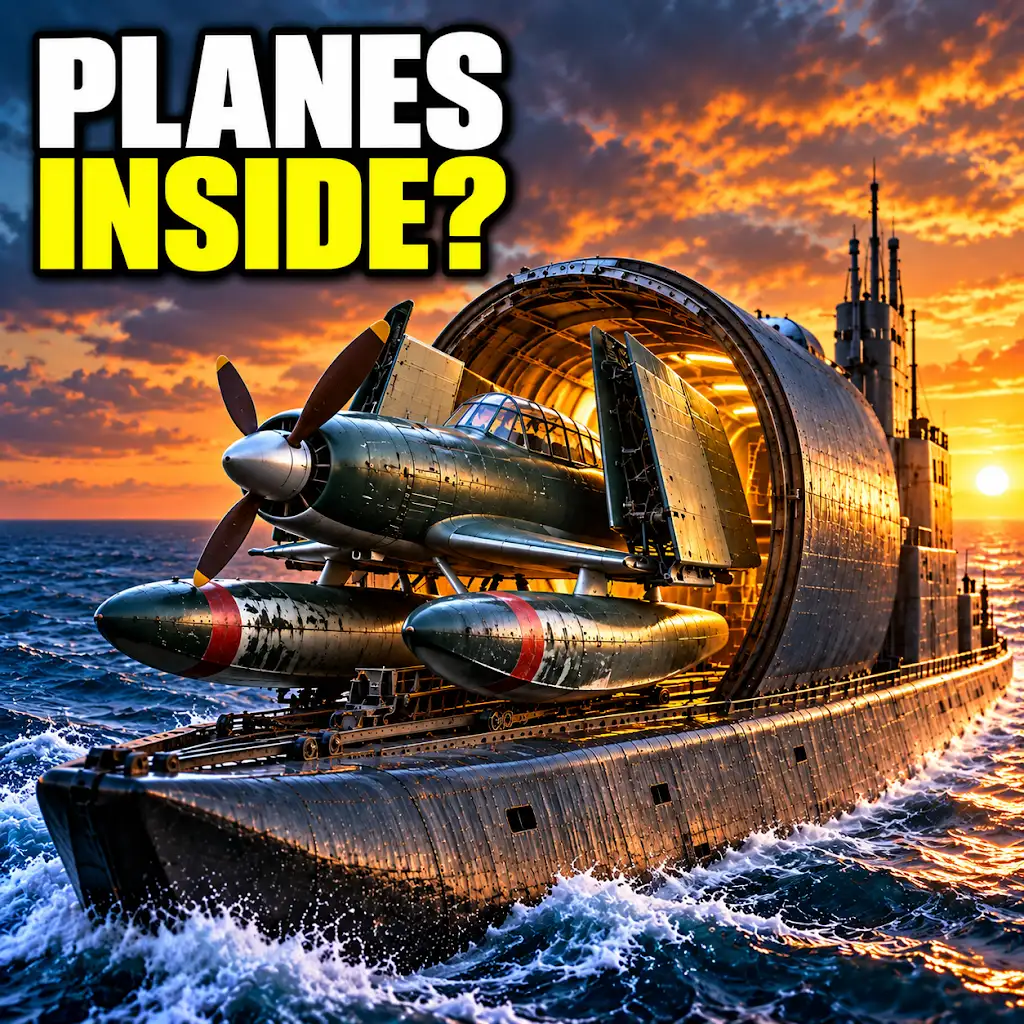
Japan Built a Submarine That Could Launch Three Planes
FAQs
What was the purpose of the WW2 submarine that could circle the globe?
The purpose of the WW2 submarine that could circle the globe was to conduct covert operations, gather intelligence, and disrupt enemy supply lines during World War II.
How did the WW2 submarine manage to circle the globe?
The WW2 submarine that could circle the globe achieved this feat by refueling and restocking supplies at various secret rendezvous points along its route.
Which countries were involved in operating the WW2 submarine that could circle the globe?
The WW2 submarine that could circle the globe was operated by Allied forces, including the United States, the United Kingdom, and other Allied nations.
What were some key features of the WW2 submarine that could circle the globe?
Some key features of the WW2 submarine that could circle the globe included advanced navigation systems, stealth technology, and the ability to stay submerged for extended periods of time.
Did the WW2 submarine that could circle the globe play a significant role in the outcome of World War II?
Yes, the WW2 submarine that could circle the globe played a significant role in disrupting enemy operations, gathering crucial intelligence, and ultimately contributing to the Allied victory in World War II.