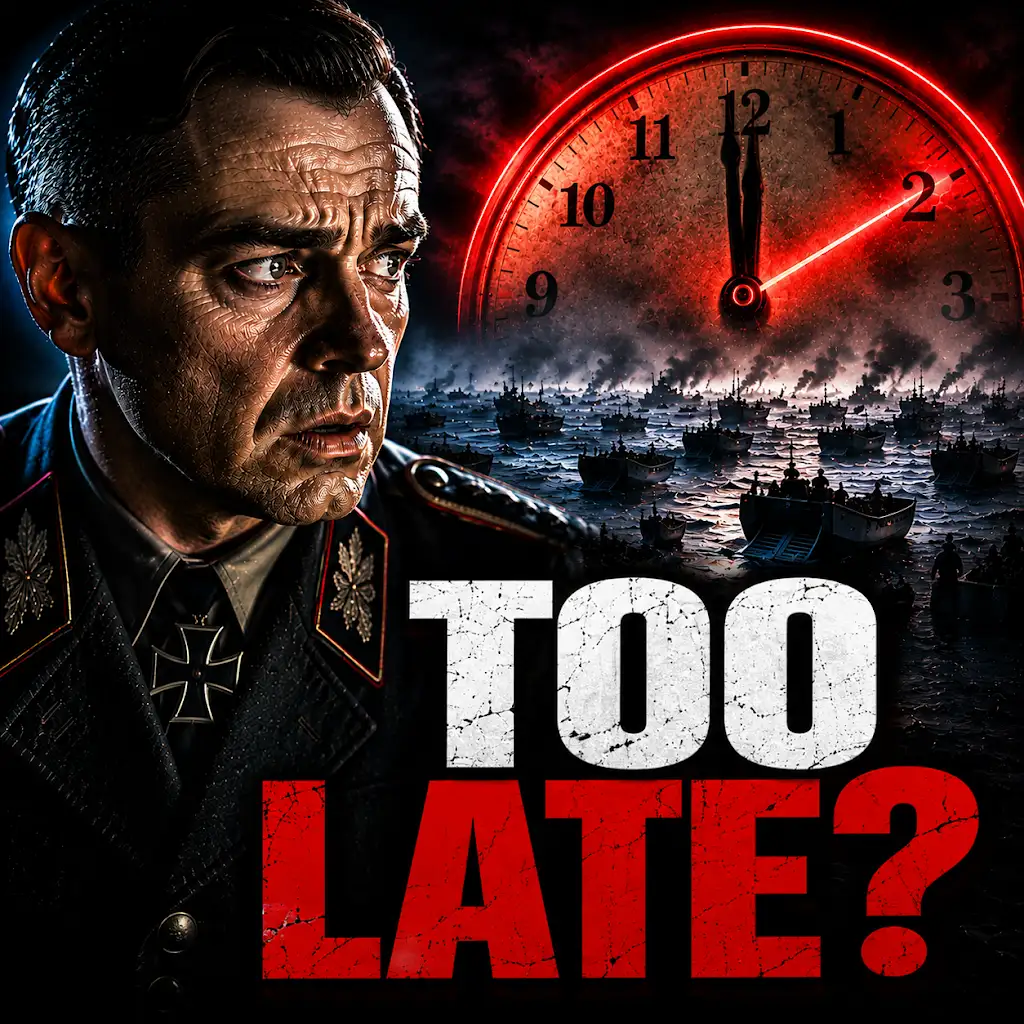
A Comprehensive Look at the ‘WW2 Normandy Documentary’
The ‘WW2 Normandy Documentary’ stands as a seminal work, meticulously detailing one of the most pivotal moments of the Second World War: the Allied invasion of Normandy. This multi-part series delves deep into the intricate planning, brutal execution, and profound consequences of Operation Overlord. Through a combination of archival footage, expert interviews, and poignant personal accounts, the documentary offers an unparalleled glimpse into the courage, sacrifice, and strategic brilliance that defined this monumental undertaking. This article will explore the various facets of this documentary, from its historical context to its compelling narrative structure, and the lasting impact it has on our understanding of this critical turning point in global history.
The ‘WW2 Normandy Documentary’ begins by laying the crucial groundwork for understanding the scale and complexity of the Normandy landings. It meticulously traces the strategic discussions, political maneuverings, and logistical challenges that preceded the invasion.
The Grand Alliance and the Need for a Second Front
The documentary effectively illustrates the immense pressure on the Allied powers, particularly the Soviet Union, to establish a Western Front against Nazi Germany. It highlights the strategic debates within the Allied leadership, including the differing perspectives of Churchill, Roosevelt, and Stalin, regarding the timing and location of a decisive invasion of Fortress Europe. The film doesn’t shy away from the immense political pressures and the urgent need to relieve pressure on the Eastern Front, showcasing how the Normandy invasion was not merely a military objective but a critical geopolitical necessity. The filmmakers utilize historical documents and expert analysis to explain the evolving strategies, from early commando raids and deception operations to the eventual commitment to a full-scale amphibious assault.
Deception and Misdirection: Operation Fortitude
A significant portion of the documentary is dedicated to the ingenious deception operations, most notably Operation Fortitude. It reveals the elaborate charade designed to mislead the Germans about the true landing sites and the size of the Allied forces. The series masterfully explains how the Allies created phantom armies, complete with inflatable tanks and dummy landing craft, and employed double agents to feed false information to the German high command. The impact of this deception on the German defense strategy is vividly portrayed, showcasing how it successfully drew vital German reserves away from the actual invasion beaches. The documentary emphasizes that without this masterful deception, the success of D-Day might have been in serious jeopardy.
Mobilizing the Might of Nations: Logistical Herculean Efforts
The sheer scale of the logistical undertaking required for Operation Overlord is a recurring theme. The documentary details the immense task of assembling, training, and equipping millions of soldiers, sailors, and airmen. It showcases the industrial might of the Allied nations, particularly the United States and Great Britain, in producing the vast quantities of ships, aircraft, landing craft, and weaponry needed for the invasion. The filmmakers explore the innovative solutions developed to overcome logistical hurdles, such as the construction of the Mulberry Harbours – artificial ports that were essential for supplying the invading forces. The documentary provides a stark reminder of the industrial and human cost involved in preparing for such a massive undertaking, highlighting the dedication and hard work of countless individuals behind the scenes.
The Dawn of D-Day: The Airborne Assault and Initial Landings
The documentary then plunges into the dramatic events of June 6, 1944, commencing with the daring airborne operations that preceded the main amphibious assault.
Night of the Paratroopers: Seizing Key Objectives
The ‘WW2 Normandy Documentary’ provides a thrilling and often harrowing account of the parachute drops of American and British airborne divisions. It details their perilous missions to secure vital bridges, road junctions, and key defensive positions behind enemy lines. The film utilizes first-hand accounts from veterans, alongside meticulously recreated sequences, to convey the chaos, bravery, and confusion of these nocturnal operations. Viewers are made acutely aware of the dangers faced by these airborne troops, often dropped in the wrong locations or scattered by enemy fire and adverse weather conditions. The documentary highlights instances of extraordinary courage and resilience, showcasing how these paratroopers, despite facing overwhelming odds, managed to achieve many of their critical objectives.
The Five Beaches: A Multi-Pronged Assault
The narrative shifts to the iconic D-Day landings on the five designated beaches: Utah, Omaha, Gold, Juno, and Sword. The documentary meticulously describes the objectives and the specific challenges faced by each landing force.
Omaha Beach: The Bloodiest Day
The section on Omaha Beach is particularly impactful. The documentary spares no detail in depicting the horrific reality faced by the American troops as they landed on this heavily defended sector. It illustrates the devastating German firepower that rained down on the beaches, the lack of effective cover, and the immense casualties incurred. Expert analysis and survivor testimonies paint a vivid picture of the sheer determination and resilience of the soldiers who fought through this inferno. The film doesn’t sensationalize the violence but rather aims to convey the grim reality of combat and the incredible bravery displayed by those who continued to fight despite the overwhelming adversity.
Utah Beach: A More Fortunate Landing
In contrast, the documentary highlights the comparatively lower casualties on Utah Beach, attributing this to a combination of favorable geography, better intelligence, and effective naval bombardment. It showcases how Brigadier General Theodore Roosevelt Jr.’s decision to land further inland than planned proved crucial to the success of the American forces in this sector. The narrative emphasizes the strategic advantages gained by securing this beachhead, allowing for a more fluid advance inland.
Gold, Juno, and Sword: British and Canadian Bravery
The documentary dedicates significant attention to the landings on the British (Gold) and Canadian (Juno) beaches, and the British Sword beach. It details the fierce fighting, the capture of key coastal defenses, and the arduous push inland. The film acknowledges the significant contributions of the British and Canadian forces, often overshadowed by the American narrative, highlighting their bravery and determination in overcoming formidable German defenses. The documentary offers a balanced perspective, ensuring that the sacrifices and successes of all Allied contingents are recognized.
The Battle for the Beachhead: Consolidating the Gains
Following the initial landings, the ‘WW2 Normandy Documentary’ transitions to the brutal and protracted struggle to secure and expand the beachhead. This phase was characterized by intense close-quarters combat and fierce German counterattacks.
The Bocage Country: A Tactical Nightmare
The documentary vividly portrays the challenges of fighting in the Norman bocage – a region characterized by dense hedgerows, narrow lanes, and sunken roads. This terrain proved to be a tactical nightmare for the advancing Allied forces, offering ideal defensive positions for the Germans. The film illustrates how the Allies adapted their tactics to this challenging environment, utilizing specialized equipment like hedge cutters to breach the hedgerows. The documentary emphasizes the painstaking and costly nature of this advance, with battles often fought for mere yards.
Key Battles: Caen and Cherbourg
The series delves into critical battles that occurred in the weeks following D-Day, most notably the prolonged and bloody fight for Caen and the strategic port of Cherbourg. The documentary explains the immense importance of capturing these objectives for the Allies.
The Battle for Caen: A Symbol of Fierce Resistance
The struggle for Caen is depicted as a brutal war of attrition. The documentary details the heavy bombing campaigns and the intense street fighting that characterized the battle. It highlights the tenacity of the German defenders and the immense cost in Allied lives. The film emphasizes that while Caen was eventually captured, it came at a significant price, serving as a stark reminder of the fierce resistance the Allies faced. The documentary explores the strategic debates and the controversial bombing tactics employed during the battle, providing context for its protracted nature.
The Race for Cherbourg: Securing a Vital Port
The documentary explains the strategic imperative of capturing the deep-water port of Cherbourg. It details the race against time to secure this vital logistical hub before the Germans could destroy its facilities. The film showcases the American advance towards the city and the eventual fall of Cherbourg to Allied forces, a significant victory that greatly eased the supply chain for the ongoing campaign.
The Liberation of France and the Road to Berlin
With the beachhead secured and the bocage cleared, the documentary shifts to the broader narrative of the liberation of France and the relentless advance towards Germany.
Operation Cobra: Breaking the Stalemate
The ‘WW2 Normandy Documentary’ effectively chronicles Operation Cobra, the Allied offensive that finally broke through the German lines in the west of the Normandy region. It details the strategic planning, the massive aerial bombardment, and the determined ground assault that overwhelmed the German defenses. The film highlights the pivotal role of this operation in opening up the campaign for the liberation of France. The documentary uses maps and tactical explanations to illustrate the breakthroughs and the rapid advance that followed.
The Falaise Pocket: The Destruction of German Forces
A significant portion of the documentary is dedicated to the Falaise Pocket, a devastating encirclement of German forces. The film vividly describes how Allied forces, through coordinated air and ground action, managed to trap and destroy a substantial portion of the German army in Normandy. This decisive victory marked the effective end of the Normandy campaign and paved the way for the liberation of Paris and the subsequent push into Germany. The documentary emphasizes the strategic brilliance and the immense scale of this operation.
The Liberation of Paris: A Symbol of Hope
The documentary concludes this section by recounting the joyous liberation of Paris. It captures the spirit of the French Resistance and the overwhelming relief and celebration of the French people. The film underscores the symbolic importance of Paris’s liberation, representing a major turning point in the war and a beacon of hope for occupied Europe.
Legacy and Remembrance: The Enduring Impact of the Normandy Campaign
The ‘WW2 Normandy Documentary’ concludes by reflecting on the profound legacy of the Normandy campaign and its enduring impact on history.
The Human Cost of Victory: Sacrifice and Resilience
The documentary consistently emphasizes the immense human cost of the Normandy campaign. It features poignant interviews with veterans, family members, and historians, all of whom articulate the profound sacrifices made by the soldiers who fought and died on those beaches and in the fields of Normandy. The film doesn’t shy away from the grim realities of war but rather focuses on the courage, resilience, and brotherhood forged in the crucible of combat. The personal stories shared are a powerful testament to the individual bravery and the collective effort that defined this campaign.
A Turning Point in World History
The documentary firmly establishes the Normandy invasion as a critical turning point in World War II. It argues that Operation Overlord was the beginning of the end for Nazi Germany, forcing them to fight on multiple fronts and ultimately leading to their defeat. The film explores the broader geopolitical ramifications of the invasion, including its influence on the post-war world order and the establishment of the United Nations.
Preserving the Memory: Museums, Memorials, and Education
Finally, the ‘WW2 Normandy Documentary’ highlights the ongoing efforts to preserve the memory of the Normandy campaign. It showcases the importance of the museums, memorials, and cemeteries in Normandy, as well as the educational initiatives that ensure future generations understand the significance of these events. The documentary serves as a vital educational tool, encouraging reflection and remembrance, and underscoring the importance of learning from the past to prevent future atrocities. The filmmakers clearly intend for this documentary to be more than just a historical account; it is a call to remembrance and a tribute to the fallen.