
The Soviet Union’s naval operations were shaped by ideological objectives, strategic considerations, and historical factors. Following the Russian Empire’s collapse, the Soviet Navy aimed to establish itself as a significant military force internationally. Soviet leadership pursued ambitious goals to extend naval power across global waters and secure maritime interests consistent with communist doctrine.
However, the Soviet Navy’s actual capabilities frequently fell short of these objectives, constrained by numerous practical limitations that influenced its development. From its establishment, the Soviet Navy was responsible for protecting the USSR’s extensive coastline while expanding Soviet influence in international waters. During the Cold War, these objectives became more pressing as the Soviet Union attempted to counter American naval dominance and that of its allies.
The Soviet Navy encountered substantial obstacles that compromised its operational effectiveness and readiness. Limited financial resources, technological gaps, and organizational inefficiencies significantly affected Soviet naval capabilities throughout its history.
Key Takeaways
- The Soviet Union faced significant challenges in developing a powerful navy due to limited resources and funding.
- Technological shortcomings and lack of modernization hindered the effectiveness of Soviet naval forces.
- World War II severely impacted Soviet naval capabilities, setting back their maritime strength.
- Competition with the United States and other naval powers exposed weaknesses in Soviet submarine warfare and fleet maintenance.
- Political, bureaucratic, and infrastructural issues contributed to the Soviet Navy’s struggles and influenced global geopolitical dynamics.
Limited resources and funding for naval development
One of the most pressing challenges faced by the Soviet Navy was the chronic limitation of resources and funding allocated for naval development. The Soviet economy, heavily centralized and focused on heavy industry and military production, often prioritized land forces over naval capabilities. This resulted in a persistent underfunding of naval programs, which struggled to compete for budgetary allocations against the more politically favored army and air force.
As a consequence, the Navy was frequently left with outdated vessels and insufficient support systems. The lack of financial resources not only stunted the growth of the fleet but also hampered research and development initiatives that could have led to technological advancements. Shipbuilding yards were often overburdened and under-resourced, leading to delays in construction and maintenance.
This scarcity of funds meant that while other nations were investing in cutting-edge naval technologies, the Soviet Union was left to rely on older designs and concepts that were increasingly outmatched by their Western counterparts. The documentary reveals the shocking story of a KGB mole who infiltrated the highest levels of government.
Lack of advanced technology and modernization
The technological landscape of the Soviet Navy was marked by a significant lag in modernization compared to other global powers. While the United States and its allies were rapidly advancing in areas such as missile technology, radar systems, and nuclear propulsion, the Soviet Navy struggled to keep pace. This technological gap was exacerbated by a lack of innovation within the Soviet military-industrial complex, which often prioritized quantity over quality in shipbuilding and armament production.
Moreover, the bureaucratic nature of the Soviet system stifled creativity and hindered collaboration between different branches of military research.
The absence of advanced systems meant that Soviet naval vessels were often less capable in terms of combat effectiveness, leading to a reliance on sheer numbers rather than technological superiority.
This reliance would prove detrimental during critical engagements where advanced technology played a decisive role.
Impact of World War II on Soviet naval capabilities
World War II had a profound impact on the Soviet Navy, shaping its capabilities and strategic outlook for decades to come. Initially, the Soviet fleet was caught off guard by the rapid advances of German forces during Operation Barbarossa. The early years of the war saw significant losses for the Soviet Navy, including ships sunk or captured, which severely diminished its operational capacity.
The war exposed glaring weaknesses in naval strategy and highlighted the need for a reevaluation of priorities within the military hierarchy. In response to these challenges, the Soviet Navy underwent a transformation during and after the war. The lessons learned from engagements in the Baltic Sea and Black Sea prompted a shift towards more effective tactics and strategies.
The post-war period saw an emphasis on rebuilding and modernizing the fleet, with a focus on submarine warfare as a key component of naval strategy. However, despite these efforts, the scars of wartime losses lingered, and rebuilding efforts were often hampered by ongoing resource constraints.
Competition with the United States and other naval powers
| Factor | Description | Impact on Soviet Naval Performance |
|---|---|---|
| Technological Inferiority | Soviet naval technology lagged behind Western advancements, especially in submarine and carrier capabilities. | Reduced effectiveness in blue-water operations and inability to challenge NATO naval forces. |
| Limited Aircraft Carrier Fleet | The Soviet Union had few aircraft carriers compared to the US Navy, limiting power projection. | Restricted ability to control open oceans and support distant naval operations. |
| Strategic Focus on Land Forces | Priority was given to the army and strategic missile forces over naval expansion. | Underfunded navy and lack of emphasis on naval innovation and expansion. |
| Geographical Constraints | Limited access to warm-water ports and reliance on enclosed seas like the Baltic and Black Sea. | Hindered sustained global naval presence and rapid deployment capabilities. |
| Operational Doctrine | Focus on coastal defense and submarine warfare rather than carrier strike groups and surface fleet dominance. | Limited ability to conduct offensive naval operations far from Soviet shores. |
| Economic Limitations | Economic challenges restricted naval budget and shipbuilding programs. | Slowed modernization and reduced fleet size compared to Western navies. |
| Intelligence and Counterintelligence | Western navies had superior intelligence capabilities and countermeasures against Soviet tactics. | Compromised Soviet naval operations and reduced element of surprise. |
The Cold War ushered in an era of intense competition between the Soviet Union and the United States, particularly in terms of naval power. As both superpowers sought to assert their dominance on the global stage, naval capabilities became a critical aspect of their military strategies. The United States’ investment in aircraft carriers, advanced submarines, and missile technology set a high bar for naval warfare that the Soviet Union struggled to meet.
This competition led to an arms race at sea, with both nations striving to develop more sophisticated vessels and weaponry. The Soviet Union attempted to counter U.S. naval superiority through innovative designs such as missile-equipped cruisers and submarines capable of launching nuclear strikes.
However, despite these efforts, the inherent limitations in resources and technology often left the Soviet Navy at a disadvantage in key areas such as carrier operations and anti-submarine warfare.
Challenges in maintaining a large and effective naval fleet
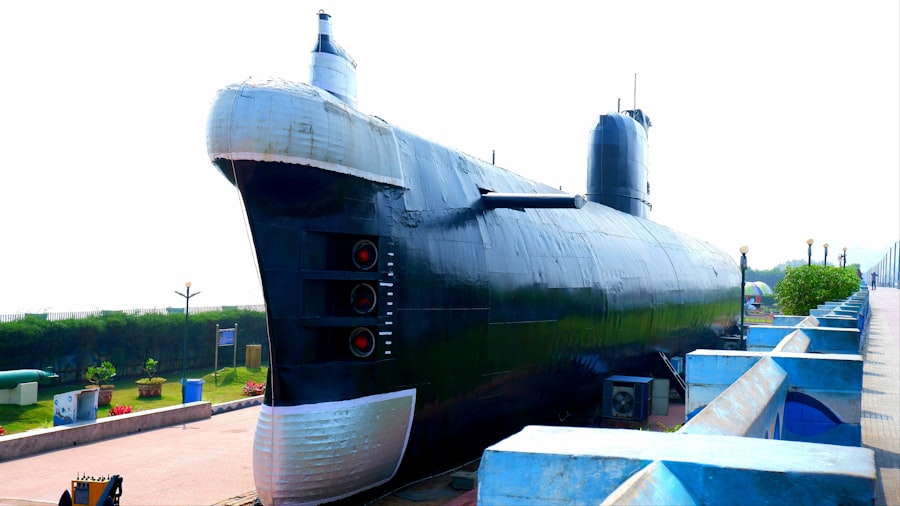
Maintaining a large and effective naval fleet presented numerous challenges for the Soviet Union throughout its existence. While ambitious plans called for an expansive navy capable of projecting power across multiple theaters, logistical issues often hampered operational readiness. The vastness of Soviet territory meant that supply lines were stretched thin, complicating maintenance efforts for ships stationed far from home ports.
Additionally, the sheer size of the fleet created difficulties in personnel management and training. With many vessels requiring skilled crews, retaining qualified personnel became an ongoing struggle. The high turnover rates among sailors often resulted in inexperienced crews operating complex systems, further diminishing operational effectiveness.
This challenge was compounded by political pressures that prioritized quantity over quality in personnel assignments.
Struggles to keep up with advancements in submarine warfare
Submarine warfare emerged as a critical component of naval strategy during the Cold War, yet the Soviet Union faced significant struggles in keeping pace with advancements in this domain. While they initially invested heavily in submarine technology, including nuclear-powered submarines capable of long-range missions, they often lagged behind Western innovations in stealth and detection systems. The U.S. Navy’s development of advanced sonar technology and quieting techniques left many Soviet submarines vulnerable during critical engagements. Moreover, internal challenges within the Soviet military-industrial complex hindered progress in submarine design and production. Bureaucratic inefficiencies slowed down research initiatives, while resource constraints limited experimentation with new technologies. As a result, while some Soviet submarines were formidable adversaries, others were plagued by design flaws or outdated systems that compromised their effectiveness in modern warfare scenarios.
Inadequate infrastructure for naval operations and maintenance
The infrastructure supporting Soviet naval operations was often inadequate to meet the demands of a large fleet. Shipyards struggled with outdated facilities that could not accommodate modern shipbuilding techniques or maintenance requirements. This lack of infrastructure not only delayed construction timelines but also hampered repair efforts for vessels that required extensive overhauls after years of service.
Furthermore, logistical support for naval operations was frequently lacking.
This inadequacy extended to bases where ships were stationed; many lacked modern amenities or sufficient facilities to support crew training and operational readiness.
As a result, even when ships were available for deployment, they often faced challenges that limited their effectiveness in real-world scenarios.
Difficulties in training and retaining skilled naval personnel
Training and retaining skilled naval personnel proved to be an ongoing challenge for the Soviet Navy throughout its history. The complexity of modern naval operations required highly trained individuals capable of operating sophisticated systems; however, systemic issues within the military structure often hindered effective training programs. Many sailors received inadequate training due to resource constraints or bureaucratic inefficiencies that prioritized rapid deployment over comprehensive skill development.
Moreover, retention rates among skilled personnel were alarmingly low due to various factors such as poor working conditions, limited career advancement opportunities, and political pressures within the military hierarchy. This high turnover rate meant that experienced sailors frequently left service or were reassigned to other roles, resulting in a continuous cycle of training new recruits who lacked practical experience. Consequently, this situation undermined operational effectiveness during critical missions where seasoned crews could have made a significant difference.
Political and bureaucratic obstacles to naval modernization
Political and bureaucratic obstacles significantly impeded efforts toward naval modernization within the Soviet Union. The centralized nature of decision-making often led to delays in approving new projects or allocating necessary resources for upgrades. Additionally, inter-service rivalries between branches of the military complicated coordination efforts; competing interests frequently resulted in fragmented strategies that failed to address overarching naval needs.
Furthermore, political considerations often overshadowed strategic imperatives when it came to naval development. Leadership decisions were sometimes driven more by ideological commitments than by practical assessments of military needs or technological advancements. This disconnect between political objectives and operational realities created an environment where modernization efforts were stymied by red tape rather than propelled by innovation.
Legacy of the Soviet Union’s naval defeat and its impact on global geopolitics
The legacy of the Soviet Union’s naval defeat has had lasting implications for global geopolitics even after its dissolution in 1991. The inability to establish a dominant maritime presence contributed to shifts in power dynamics across various regions, particularly as former Soviet states navigated their own paths post-independence. The lessons learned from past failures continue to resonate within contemporary discussions about maritime security and defense strategies among nations that once comprised part of the USSR.
Moreover, the historical context surrounding Soviet naval capabilities has influenced how current global powers approach maritime strategy today. The competition between superpowers during the Cold War laid foundational principles that still govern international relations at sea; issues such as territorial disputes, freedom of navigation, and strategic alliances remain central themes in contemporary geopolitical discourse. As nations reflect on past experiences with naval power projection—both successes and failures—they continue to shape their strategies based on lessons learned from history’s complex maritime narratives.
The Soviet Union’s loss in the naval war can be attributed to a combination of strategic miscalculations and technological disadvantages. For a deeper understanding of the factors that contributed to this outcome, you can read a related article on the topic at In The War Room. This article delves into the naval strategies employed by both sides and highlights the critical moments that defined the conflict.
WATCH THIS 🛑 SHOCKING: The KGB Mole Who Made Every Soviet Submarine Visible
FAQs
Why did the Soviet Union struggle in the naval war?
The Soviet Union faced several challenges in the naval war, including technological inferiority compared to Western navies, limited blue-water naval capabilities, and strategic focus on land and air forces rather than naval power.
What were the main weaknesses of the Soviet Navy during the Cold War?
The Soviet Navy had weaknesses such as outdated ship designs, limited aircraft carrier development, insufficient long-range naval aviation, and logistical difficulties operating far from home ports.
How did the United States and NATO naval forces outperform the Soviet Navy?
The U.S. and NATO navies had superior technology, better training, more advanced submarines and aircraft carriers, and stronger global naval presence, which allowed them to control key sea lanes and counter Soviet naval operations effectively.
Did geography play a role in the Soviet Union’s naval challenges?
Yes, the Soviet Union’s geographic position limited access to warm-water ports and restricted its ability to project naval power globally, confining much of its fleet to the Baltic, Black Sea, and Arctic regions.
What role did submarine warfare play in the Soviet naval strategy?
Submarines were a central component of Soviet naval strategy, focusing on ballistic missile submarines for nuclear deterrence and attack submarines to challenge NATO naval forces, but limitations in technology and anti-submarine warfare reduced their overall effectiveness.
How did economic factors affect the Soviet Navy’s performance?
Economic constraints limited the Soviet Union’s ability to invest in advanced naval technology, maintain its fleet, and develop new ship classes, contributing to its naval shortcomings during the Cold War.
Was the Soviet Navy’s focus more defensive or offensive?
The Soviet Navy primarily had a defensive posture aimed at protecting the homeland and deterring NATO forces, with limited capability for sustained offensive operations on the high seas.
What lessons were learned from the Soviet Union’s naval shortcomings?
The Soviet experience highlighted the importance of technological innovation, global naval reach, and balanced investment across all naval domains to maintain effective maritime power.