The shadowy world of special operations, particularly the elite Navy SEAL Team Six, is often the subject of intense public fascination and speculation. When a high-stakes operation is reported, or a particularly audacious mission is discussed, the question inevitably arises: who assigns these missions to such a highly trained and specialized unit? The answer, while seemingly straightforward, involves a complex web of command, intelligence, and national security imperatives, ultimately resting with the highest levels of government.
The initiation of a mission for a unit as specialized and sensitive as SEAL Team Six doesn’t spring from a vacuum. It’s a direct response to perceived threats to national security, the safety of American citizens, or the furtherance of vital U.S. foreign policy objectives. This threat identification is a multi-layered process, drawing information from a vast array of intelligence sources.
Intelligence Gathering: The Foundation of Action
At the bedrock of any mission assignment lies intelligence. Various agencies, both within the Department of Defense (DoD) and across the broader intelligence community, are constantly collecting, analyzing, and disseminating information.
HUMINT (Human Intelligence)
This involves intelligence gathered through human sources, such as spies, informants, and diplomatic contacts. These individuals provide on-the-ground insights into the intentions, capabilities, and movements of potential adversaries.
SIGINT (Signals Intelligence)
This encompasses the interception and analysis of electronic signals, including communications (COMINT) and electronic emanations (ELINT). This can reveal critical information about enemy plans, troop movements, and technological capabilities.
GEOINT (Geospatial Intelligence)
This involves the collection and analysis of imagery and geospatial data from satellites, aerial reconnaissance, and other sources. It provides a visual understanding of terrain, infrastructure, and the disposition of forces.
OSINT (Open-Source Intelligence)
This leverages publicly available information, such as news reports, social media, academic journals, and commercial satellite imagery. While seemingly less clandestine, OSINT can often provide crucial context and corroborate information from other intelligence disciplines.
Threat Assessment and Analysis
Once raw intelligence is gathered, it undergoes rigorous analysis. Intelligence analysts work to piece together disparate pieces of information, identify patterns, assess the credibility of sources, and determine the significance of the findings. This process involves evaluating the intent, capability, and opportunity of potential threats.
Identifying the Need for a Specialized Force
Not all threats require the deployment of elite special operations forces. The decision to involve a unit like SEAL Team Six is made when the nature of the threat demands capabilities beyond those of conventional forces. This often includes scenarios involving:
- High-risk hostage rescue: Situations where lives are in imminent danger and require rapid, precise intervention.
- Counter-terrorism operations: Targeting terrorist networks, their leaders, and their infrastructure, often in denied or hostile environments.
- Special reconnaissance: Gathering highly sensitive intelligence in areas where traditional surveillance is impossible or too risky.
- Direct action against high-value targets: Eliminating or capturing individuals or groups posing a significant threat to U.S. interests.
- Unconventional warfare: Supporting or advising indigenous forces in combating adversaries.
In the realm of special operations, understanding the chain of command and the assignment of missions to elite units like SEAL Team Six is crucial. For an in-depth exploration of who is responsible for these critical decisions, you can read the article titled “The Command Structure Behind SEAL Team Six” at this link: The Command Structure Behind SEAL Team Six. This article delves into the intricate processes and key figures involved in directing one of the most renowned special forces teams in the world.
The Chain of Command: From the President to the Operators
The ultimate authority for assigning missions to SEAL Team Six resides with the President of the United States, acting as the Commander-in-Chief. However, the operationalization of this authority involves a clear and established chain of command within the U.S. military and national security apparatus.
The President of the United States: The Ultimate Authority
The President, as the nation’s chief executive and Commander-in-Chief of the armed forces, has the final say on all significant military actions, especially those involving special operations units operating in sensitive or potentially escalatory circumstances. This authority is derived from the Constitution.
The National Security Council (NSC): The Central Coordinating Body
The National Security Council, chaired by the President, serves as the principal forum for the President’s national security and foreign policy advisors to meet and discuss issues facing the nation. It plays a crucial role in coordinating the government’s response to threats and in recommending courses of action to the President.
Key Functions of the NSC in Mission Assignment:
- Policy Development: The NSC helps shape the overarching national security policies that inform the types of missions undertaken by special operations forces.
- Interagency Coordination: It brings together representatives from various government departments and agencies (State Department, Department of Defense, CIA, FBI, etc.) to ensure a unified approach.
- Crisis Management: During crises, the NSC is central to decision-making, including the deployment of specialized military assets.
- Presidential Briefings: The NSC staff prepares briefings for the President, outlining potential threats and recommending courses of action, which may include the use of SEAL Team Six.
The Secretary of Defense: Overseeing Military Operations
The Secretary of Defense (SecDef) is the principal advisor to the President on defense matters and is responsible for the overall direction and supervision of the Department of Defense. The SecDef plays a critical role in translating national policy into actionable military plans.
The SecDef’s Role in Mission Assignment:
- Approving Operations: While the President has ultimate authority, many high-level operational approvals are delegated to or handled by the Secretary of Defense.
- Resource Allocation: The SecDef is responsible for ensuring that units like SEAL Team Six have the necessary resources, training, and equipment to conduct their missions.
- Strategic Guidance: The SecDef provides strategic guidance to the military, influencing the types of threats that are prioritized for special operations attention.
The Chairman of the Joint Chiefs of Staff (CJCS): The Military’s Top Advisor
The Chairman of the Joint Chiefs of Staff is the highest-ranking military officer in the U.S. armed forces and serves as the principal military advisor to the President, the Secretary of Defense, and the National Security Council. The CJCS is responsible for the strategic direction and employment of military forces.
The CJCS’s Involvement:
- Recommending Military Options: The CJCS, in consultation with the Combatant Commanders, assesses military options and recommends courses of action to the SecDef and the President.
- Ensuring Jointness: The CJCS ensures that operations are coordinated across different branches of the military, which is crucial given the interagency nature of many SEAL missions.
- Strategic Planning: The CJCS oversees the development of strategic plans that may call for the employment of special operations forces.
Combatant Commands: The Operational Front Lines
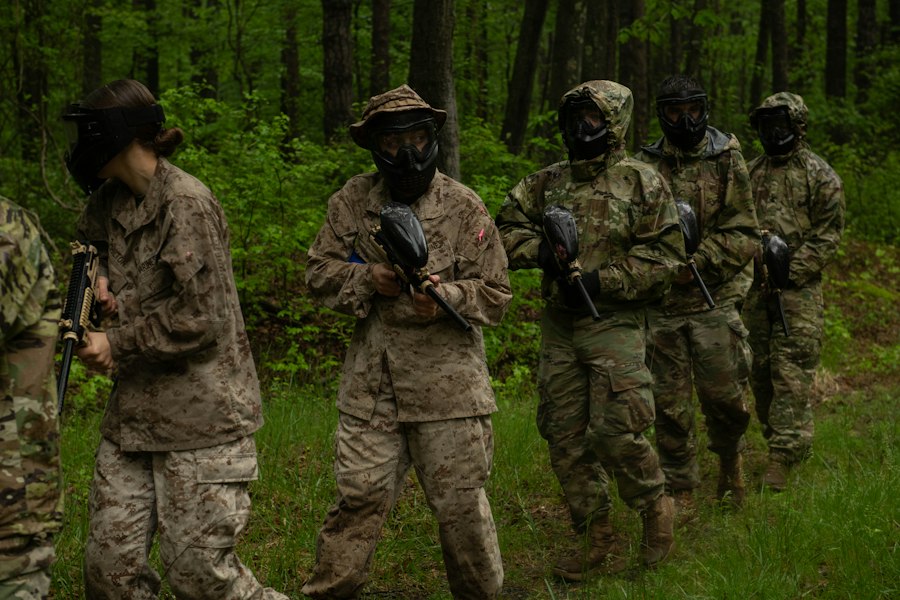
The geographic and functional Combatant Commands (COCOMs) are the operational arms of the Department of Defense. They are responsible for the employment of military forces within their assigned areas of responsibility or for specific global functions. U.S. Special Operations Command (SOCOM) is one such command, with its component commands, including Naval Special Warfare Command (NSWC), ultimately responsible for the execution of SEAL Team Six missions.
U.S. Special Operations Command (SOCOM): The Umbrella for Elite Forces
SOCOM, headquartered at MacDill Air Force Base in Florida, is responsible for providing combat-ready special operations forces to the geographic and functional Combatant Commanders. It oversees all U.S. special operations forces, including Navy SEALs, Army Special Forces, Delta Force, and Air Force Special Tactics.
SOCOM’s Role in Mission Assignment:
- Identifying Requirements: SOCOM works with intelligence agencies and geographic COCOMs to identify the requirements for special operations missions.
- Generating Forces: SOCOM ensures that its component commands have the trained personnel and capabilities to meet these requirements.
- Operational Planning and Execution: SOCOM, through its subordinate commands, is involved in the planning and execution of special operations.
Naval Special Warfare Command (NSWC): The Home of the SEALs
Naval Special Warfare Command, based in Coronado, California, is the parent organization for all Navy SEAL and Special Warfare Combatant-Craft Crewman (SWCC) units. It falls under the purview of SOCOM.
NSWC’s Direct Responsibility:
- Assigning SEAL Teams to Missions: While SOCOM identifies the need and receives overarching approvals, NSWC is responsible for tasking specific SEAL teams, including SEAL Team Six, to missions based on their unique capabilities and availability.
- Operational Readiness: NSWC ensures that its units are trained, equipped, and ready to deploy on short notice.
- Logistical Support: NSWC provides the necessary logistical and administrative support for SEAL Team Six operations.
Geographic Combatant Commands (COCOMs): The Regional Commanders
The geographic COCOMs, such as U.S. Central Command (CENTCOM), U.S. Africa Command (AFRICOM), and U.S. Indo-Pacific Command (INDOPACOM), are responsible for military operations within their designated regions. They are the primary customers for special operations forces, including SEAL Team Six, when missions are required in their areas of responsibility.
The COCOMs’ Role in Requesting and Directing Missions:
- Identifying Threats within their AOR: Commanders of geographic COCOMs are on the front lines, identifying threats and proposing operations to neutralize them.
- Requesting Special Operations Forces: When a mission requires the unique capabilities of SEAL Team Six, the relevant COCOM will formally request their deployment through SOCOM.
- Providing Operational Direction: Once deployed, the SEAL team operates under the operational control of the geographic COCOM commander, who provides specific mission objectives and guidance.
The Role of Specific Units within SEAL Team Six
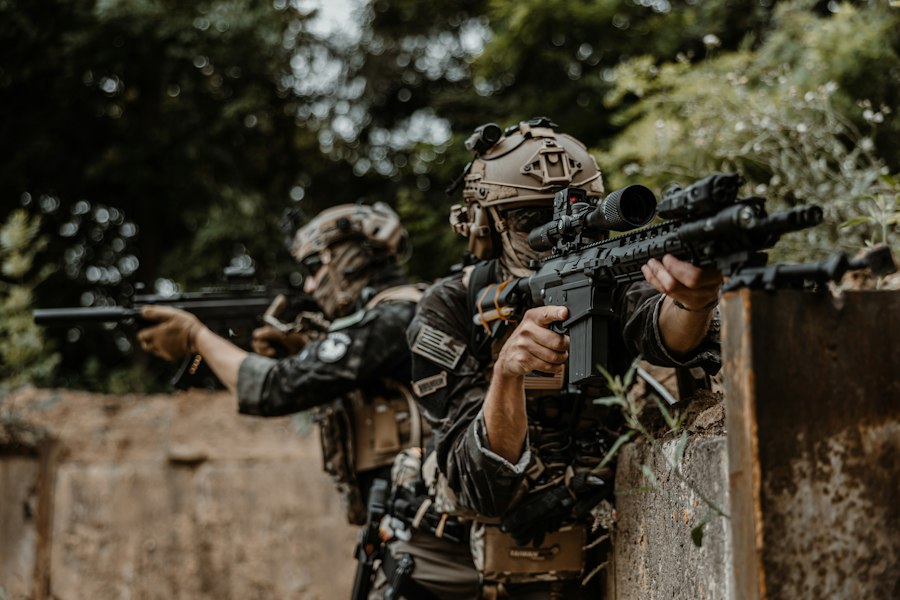
SEAL Team Six itself is not a monolithic entity. It is comprised of various sub-units, each with specialized skill sets and operational focus. The assignment of a mission to a particular squadron within Team Six depends on the specific requirements of the operation.
SEAL Delivery Vehicle (SDV) Teams
These teams utilize specialized submersibles for covert insertion and extraction. Missions assigned to SDV teams often involve underwater reconnaissance or direct action in coastal or port environments.
Reconnaissance and Direct Action Squadrons
These are the most commonly understood elements of SEAL Team Six, trained for a wide range of direct action missions, hostage rescue, and sensitive reconnaissance. The specific squadron assigned would depend on factors like geographic location, available personnel, and the nature of the threat.
Technical and Support Elements
SEAL Team Six also includes highly skilled individuals in areas such as communications, intelligence analysis, weapons specialization, and medical support. These elements are integrated into mission planning and execution as needed.
SEAL Team Six, officially known as the United States Naval Special Warfare Development Group, operates under a complex command structure that involves various military and governmental agencies. Understanding who assigns missions to this elite unit can provide valuable insights into its operations and objectives. For a deeper exploration of the intricacies behind mission assignments and the strategic decisions involved, you can read a related article on the topic at In the War Room. This resource sheds light on the factors that influence the deployment of such specialized forces in critical situations.
Classified Operations and the Veil of Secrecy
| Role | Description | Authority Level | Typical Assignments |
|---|---|---|---|
| National Command Authority (NCA) | The highest level of command, including the President and Secretary of Defense, responsible for authorizing missions. | Highest | Strategic, high-profile counterterrorism and national security missions |
| Joint Special Operations Command (JSOC) | Operational command responsible for planning and directing special operations missions, including those involving SEAL Team Six. | High | Mission planning, tasking, and operational control of SEAL Team Six |
| Naval Special Warfare Command (NSWC) | Oversees all Navy SEAL teams, including SEAL Team Six, providing administrative and logistical support. | Medium | Training, readiness, and support; may assign routine missions |
| Task Force Commanders | Commanders of specific task forces under JSOC who assign tactical missions to SEAL Team Six operators. | Medium to High | Execution of specific tactical operations |
It is crucial to acknowledge that the precise mechanisms and specific assignments for SEAL Team Six missions are inherently classified. The very nature of their operations demands a high degree of secrecy to protect personnel, maintain operational effectiveness, and safeguard national security interests.
The Classification Level
The information surrounding the assignment of SEAL Team Six missions is classified at the highest levels, ranging from Top Secret to Sensitive Compartmented Information (SCI). This prevents adversaries from gaining insights into U.S. capabilities, intentions, and operational methods.
Declassification and Public Reporting
While the operational details remain classified, public awareness of SEAL Team Six missions typically emerges through official leaks, declassified documents years later, or statements from government officials after successful operations. This often happens in retrospect, once the immediate operational security concerns have diminished.
The Importance of Operational Security
The classification and secrecy surrounding these missions are not merely bureaucratic hurdles. They are essential components of successful special operations. Compromising operational security could lead to mission failure, the capture or death of operators, and the exposure of valuable intelligence sources and methods. Therefore, the exact processes by which a mission is conceived, approved, and assigned to SEAL Team Six are carefully guarded secrets.
In conclusion, the assignment of missions to SEAL Team Six is a carefully orchestrated process that originates from the highest echelons of national security decision-making. It begins with the identification of threats, informed by a vast intelligence apparatus. This information is then filtered through policy bodies like the National Security Council, and ultimately approved by the President. The Department of Defense, through the Secretary of Defense and the Chairman of the Joint Chiefs of Staff, oversees the military implementation. U.S. Special Operations Command and its component, Naval Special Warfare Command, are responsible for the practical tasking of the operators themselves, often at the direction of geographic Combatant Commanders who identify the need for such specialized capabilities in their theaters of operation. The inherent secrecy surrounding these operations underscores the critical nature of their missions and the paramount importance of operational security in protecting national interests and the lives of those who serve.
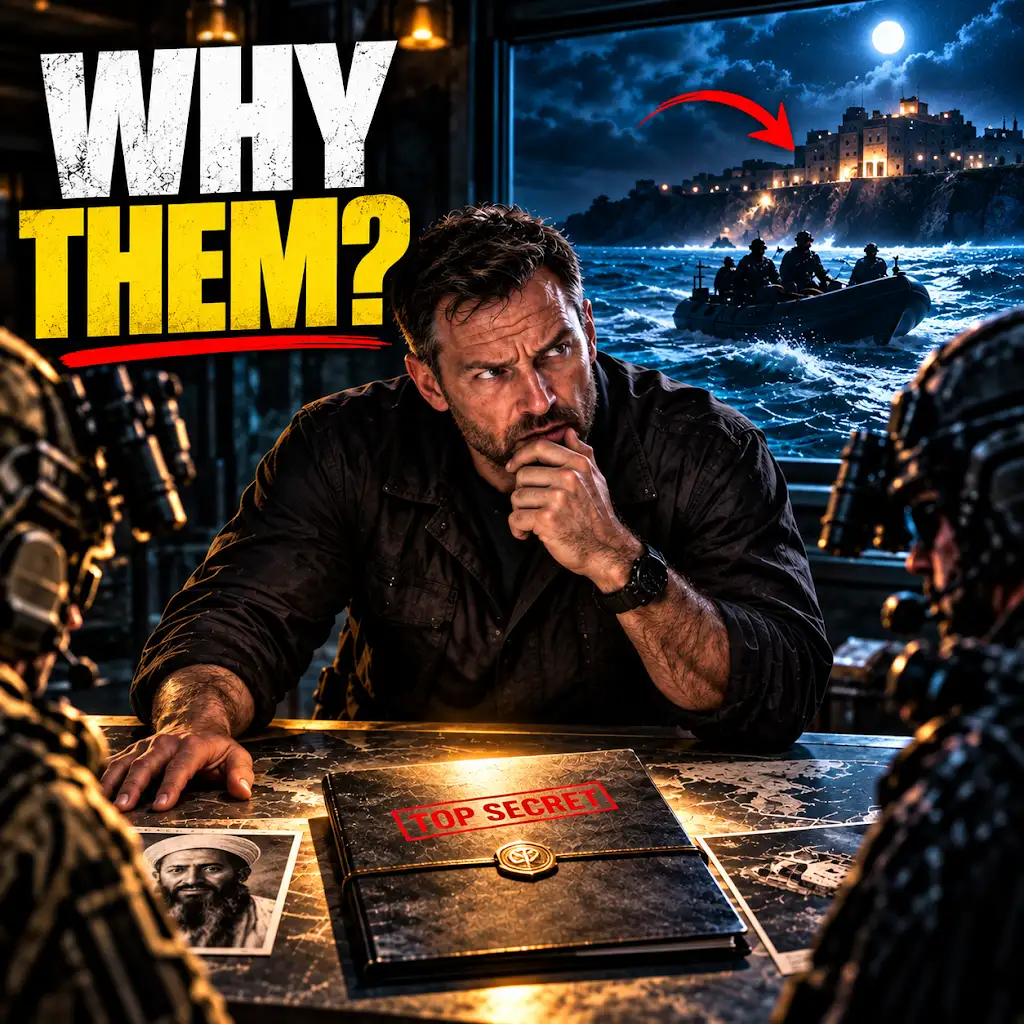
Why SEAL Team Six Got the Bin Laden Raid — Not Delta Force
FAQs
1. Who assigns missions to SEAL Team Six?
The missions for SEAL Team Six are typically assigned by the Joint Special Operations Command (JSOC) or other higher-level military command authorities.
2. How are missions assigned to SEAL Team Six?
Missions are assigned to SEAL Team Six based on strategic objectives, intelligence assessments, and operational requirements determined by military leadership.
3. Can SEAL Team Six choose their own missions?
SEAL Team Six does not have the authority to choose their own missions. They operate under the direction and orders of higher command authorities.
4. Are missions assigned to SEAL Team Six classified?
Yes, missions assigned to SEAL Team Six are often classified due to the sensitive nature of their operations and the need to maintain operational security.
5. Who oversees the execution of missions by SEAL Team Six?
The execution of missions by SEAL Team Six is overseen by their commanding officers, as well as by higher-level military command authorities who are responsible for the overall success of the mission.