The brutal calculus of prolonged conflict, where victory is not snatched in a single decisive blow but painstakingly ground out through relentless pressure, defines the war of attrition. For the uninitiated, this strategy might seem crude, a mere slugging match of resources and manpower. Yet, when wielded by elite special forces, it transforms into a sophisticated and devastating art form. These highly trained operators are not simply soldiers; they are surgical instruments of prolonged disruption, designed to bleed an enemy dry, erode their will, and ultimately dismantle their operational capacity without necessarily engaging in overwhelming frontal assaults. The unveiling of their tactics in such a context reveals a depth of planning, execution, and psychological warfare that transcends conventional military doctrine.
The Silent Architects of Exhaustion
Elite special forces are the vanguard of a protracted war of attrition, their operations meticulously crafted to inflict continuous, cascading damage. Their strength lies not in overwhelming firepower but in their ability to operate with unparalleled stealth, precision, and adaptability. This allows them to execute a campaign of constant harassment, chipping away at the enemy’s morale, logistics, and combat effectiveness. The goal is not always to eliminate every enemy combatant, but to make their continued presence and operations increasingly untenable. They become the persistent irritant, the ghost in the machine, sowing doubt and demanding a disproportionate expenditure of resources and attention from the adversary. This sustained pressure, applied in unexpected ways and at unpredictable times, creates a psychological and physical toll that can be far more destructive than a single, catastrophic engagement.
Intelligence as the Foundation of Attrition
The bedrock of any successful war of attrition waged by special forces is an unassailable intelligence apparatus. Without a profound understanding of the enemy’s strengths, weaknesses, routines, and vulnerabilities, any operation risks being a costly miscalculation. Elite units dedicate immense resources to intelligence gathering, employing a multi-faceted approach that blends cutting-edge technology with time-honored human reconnaissance. This intelligence dictates the targets, the timing, and the methods of engagement, ensuring that every action taken serves the broader objective of gradual erosion. It’s the unseen hand guiding the seemingly random strikes, ensuring each blow lands where it will cause the most systemic damage.
Deep Reconnaissance and HUMINT Integration
Special forces operators are often the tip of the spear for intelligence collection. They conduct deep reconnaissance missions, venturing into enemy territory for extended periods, observing enemy movements, identifying command and control nodes, and assessing the overall operational environment. This is not mere observation; it involves the cultivation of human intelligence (HUMINT) sources, building trust with local populations, and identifying individuals who can provide invaluable, real-time information. This fusion of technological surveillance and human insight creates a comprehensive picture, allowing special forces to anticipate enemy actions and exploit their blind spots with surgical precision. The information gathered is not just tactical; it’s strategic, informing the long-term attrition campaign by revealing the enemy’s dependencies and critical failure points.
Signals Intelligence and Electronic Warfare
Beyond human observation, elite units leverage sophisticated signals intelligence (SIGINT) capabilities. They monitor enemy communications, intercepting radio transmissions, emails, and other digital chatter. This allows them to understand enemy command structures, troop deployments, and planned operations. Furthermore, electronic warfare (EW) plays a crucial role. By jamming enemy communications, disrupting their GPS signals, or even feeding them false information, special forces can create confusion, delay critical decisions, and isolate enemy units, making them more vulnerable to subsequent attrition efforts. This technological dimension of intelligence gathering is vital for disrupting the enemy’s ability to coordinate and react effectively, thus amplifying the impact of other attrition tactics.
The Art of Gradual Disruption
Special forces do not aim for spectacular victories that might be quickly contained or countered. Instead, their approach to attrition is characterized by a series of calculated, persistent disruptions. These are not decisive strikes but rather a steady drip of debilitating blows designed to exhaust the enemy’s resources, erode their fighting spirit, and fragment their operational cohesion. The power lies in the cumulative effect, the relentless pressure that prevents the enemy from ever achieving a state of equilibrium or effectively reconstituting their forces. Each successful operation, no matter how small it may appear in isolation, contributes to the larger objective of wearing down the adversary.
Precision Strikes on Logistics and Supply Lines
A cornerstone of special forces attrition tactics is the systematic targeting of an enemy’s logistical backbone. Supply convoys, fuel depots, ammunition dumps, and transportation hubs are prime targets. By disrupting these critical arteries, special forces can cripple an enemy’s ability to sustain operations, move troops, and resupply their forces. These strikes are often executed with minimal collateral damage, emphasizing precision and stealth to avoid alerting the enemy to the full extent of the threat. The goal is not to obliterate entire convoys in a single, massive explosion, but to conduct a series of well-placed ambushes and demolitions that force the enemy to expend valuable resources on protection, repair, and rerouting. This diverts their attention and manpower away from offensive operations, effectively bleeding them dry.
Targeted Elimination of Key Personnel and Infrastructure
Beyond logistics, special forces may also focus on the decapitation of enemy leadership or the destruction of critical command and control infrastructure. This can involve highly sensitive operations to neutralize key commanders, intelligence officers, or technicians responsible for critical systems. Such actions are designed to sow confusion, disrupt decision-making processes, and create a leadership vacuum that the enemy struggles to fill. Similarly, the destruction of key communication nodes, radar installations, or specialized equipment can significantly degrade an enemy’s operational capabilities, forcing them to operate in a state of perpetual uncertainty and vulnerability. These targeted strikes, while potentially dramatic, are always executed with the long-term goal of attritional warfare in mind, aiming to destabilize and weaken the enemy over time rather than achieving a sudden, decisive victory.
Psychological Warfare and Morale Degradation
In a war of attrition, the battlefield extends beyond the physical realm into the minds of the combatants. Elite special forces are adept at employing psychological tactics to erode enemy morale, foster fear and uncertainty, and create a pervasive sense of vulnerability. This is not about propaganda campaigns; it’s about creating an environment where the enemy constantly feels under threat, their every move scrutinized, and their sense of security completely undermined. The psychological impact of being perpetually hunted and never knowing when or where the next blow will fall can be as devastating as any physical injury.
The Impact of Unseen Threats
The very nature of special forces operations, characterized by their stealth and unpredictability, is a powerful tool for psychological warfare. When an enemy knows they are being hunted by an unseen adversary, their vigilance increases, their rest diminishes, and their operational tempo suffers. The psychological toll of facing an enemy that can appear and disappear at will, striking with precision and then melting back into the shadows, is immense. This constant state of heightened alert and the pervasive fear of the unknown can lead to increased stress, anxiety, and ultimately, a degradation of fighting effectiveness. The enemy becomes paranoid, expending energy on defensive measures and constantly looking over their shoulder, unable to focus on their mission.
Cultivating Doubt and Uncertainty
Special forces can also employ tactics that directly sow doubt and uncertainty within enemy ranks. This might involve leaving behind subtle indicators of their presence, orchestrating minor disruptions that suggest a larger, impending threat, or even planting false intelligence to mislead enemy commanders. The objective is to create an atmosphere where the enemy questions their own information, their leadership’s decisions, and their ability to protect themselves. This erosion of confidence makes them hesitant, indecisive, and ultimately less effective in combat. The psychological impact of feeling constantly outmaneuvered and deceived can be a powerful accelerant to the attritional process.
The concept of a war of attrition has been a critical strategy employed by special forces throughout various conflicts, emphasizing the importance of endurance and resource management in prolonged engagements. For a deeper understanding of this strategy and its implications in modern warfare, you can read a related article that explores the tactics and experiences of special forces in such scenarios. Check it out here: War of Attrition: Special Forces Strategies.
Adaptability and Flexibility: The Keys to Sustained Pressure
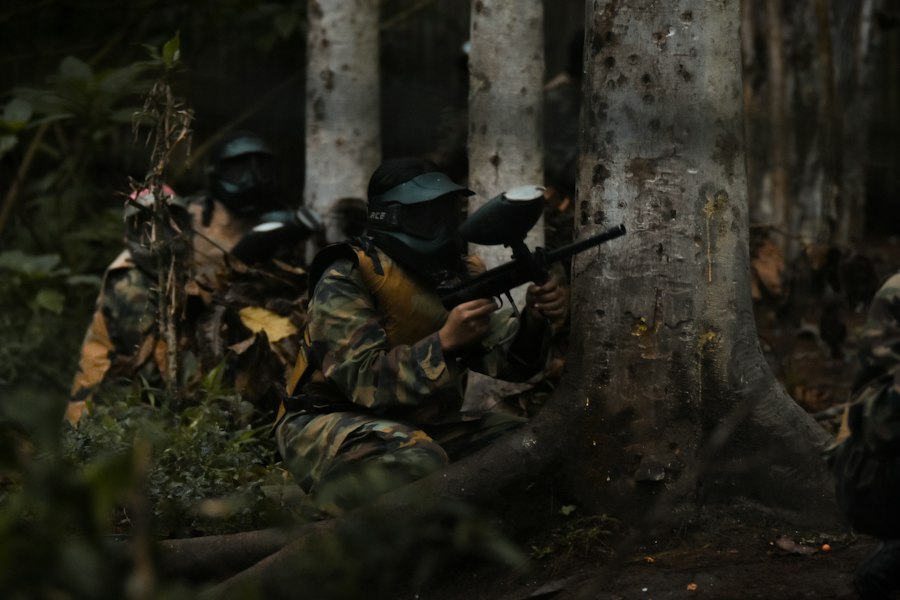
The effectiveness of special forces in a war of attrition hinges on their unparalleled ability to adapt and remain flexible in a dynamic and often unpredictable operational environment. They are not bound by rigid plans or conventional formations, allowing them to exploit emerging opportunities and adjust their tactics in real-time. This inherent adaptability ensures that their campaign of attrition remains relevant and effective, preventing the enemy from developing predictable counter-measures and maintaining a constant state of pressure.
Evolving Tactics in Response to Enemy Actions
The enemy will invariably try to adapt to the pressure being applied. Elite special forces, however, are trained to anticipate these adaptations and evolve their own tactics in response. This creates a perpetual cycle of innovation and counter-innovation, where the special forces unit always maintains a strategic advantage. They might shift their focus from targeting supply lines to disrupting communication networks, or from direct action to influence operations, ensuring that the enemy is constantly forced to react and expend resources in unforeseen ways. This dynamic approach prevents the enemy from ever achieving a stable defensive posture.
Exploiting Weaknesses in Enemy Counter-Measures
When an enemy implements new security measures or develops new tactics to counter special forces operations, these very measures can, in turn, become new vulnerabilities. Special forces operators are trained to identify these weaknesses and exploit them with precision. For instance, a heavily guarded convoy might become a target of opportunity if the increased security measures lead to predictable patrol routes or blind spots in surveillance. Similarly, new communication encryption methods might be vulnerable to advanced decryption techniques or sophisticated EW jamming. This continuous cycle of identification and exploitation ensures that the enemy’s efforts to adapt are often turned against them, further contributing to their attrition.
The concept of war of attrition has been a critical strategy employed by special forces throughout history, as they often engage in prolonged conflicts that aim to wear down the enemy’s resources and morale. For a deeper understanding of how these tactics have evolved and their implications in modern warfare, you can explore a related article on this topic. The insights provided can enhance your knowledge of the strategic mindset that drives special operations. To read more, visit this article for an in-depth analysis.
The Importance of Small Unit Initiative
While overarching strategic objectives guide the war of attrition, the day-to-day execution relies heavily on the initiative and adaptability of small, highly trained units. These units are empowered to make decisions on the ground, exploiting fleeting opportunities and adapting their plans to the immediate tactical situation. This decentralized approach allows for a rapid and effective response to changing circumstances, ensuring that the pressure on the enemy is maintained even when communication is disrupted or the broader command structure faces challenges. The individual operator’s ability to think critically and act decisively is paramount in this context.
Empowered Operators and Decentralized Command
Special forces operators are not simply executors of orders; they are empowered decision-makers. Their extensive training and deep understanding of the operational environment allow them to take initiative, adapt plans on the fly, and exploit unforeseen opportunities. This decentralized command structure is crucial for maintaining the momentum of an attrition campaign. It allows small teams to operate semi-autonomously, reacting to local conditions and inflicting damage without being encumbered by lengthy command chains. This agility prevents the enemy from anticipating their movements and allows for a more persistent and pervasive form of pressure.
The Long Game: Sustaining Operations for Strategic Victory

A war of attrition is not won in a single campaign; it is a protracted struggle that demands patience, resilience, and the ability to sustain operations over extended periods. Elite special forces are trained to understand this long-term perspective, ensuring that their actions, while individually disruptive, are all contributing to a larger strategic goal of wearing down the enemy to the point of collapse. Their endurance, both physical and psychological, is as critical as their combat prowess.
Maintaining Operational Momentum Without Overt Escalation
The art of attrition lies in its subtlety. Elite special forces are masters at maintaining a consistent level of pressure without triggering a full-scale escalation that could invite overwhelming retaliation. They achieve this by carefully selecting targets, employing precise methods of engagement, and meticulously planning their exfiltration. The goal is to keep the enemy off-balance and resource-depleted without providing them with a clear justification for a decisive counter-offensive. This delicate balance requires a deep understanding of the political and strategic implications of every operation.
The Role of Persistent Presence and Deterrence
Beyond direct action, the persistent presence of elite special forces in an operational area can act as a potent deterrent. Knowing that specialized units are actively operating in their territory, capable of striking at any time, can force enemy forces to divert significant resources to defense and security. This constant state of alert and the expenditure of resources on guarding against an unseen threat contribute directly to the enemy’s attrition, even when no direct engagement occurs. The psychological impact of this persistent, unseen threat can be incredibly debilitating.
Measuring Success Beyond Body Counts
In a war of attrition, victory is not solely measured by the number of enemy combatants eliminated. Instead, success is defined by the degradation of the enemy’s operational capacity, the erosion of their will to fight, and the sustainable depletion of their resources. Elite special forces understand this nuanced definition of success and tailor their operations accordingly. They focus on achieving strategic objectives that contribute to the long-term weakening of the adversary, rather than engaging in operations that might yield a high body count but have little lasting impact.
Impact on Enemy Will and Resource Depletion
The ultimate aim of a special forces attrition campaign is to break the enemy’s will to continue fighting and to deplete their capacity to do so. This is achieved through a combination of physical disruption and psychological warfare. By systematically degrading their logistical capabilities, eliminating key personnel, and fostering an environment of constant fear and uncertainty, special forces can make the cost of continuing the conflict prohibitively high for the enemy. This long-term erosion of their ability and desire to fight is the true measure of success in this sophisticated form of warfare.

A 3-Year Drought Hit the Hittite Empire. Did It Cause the Collapse?
FAQs
What is a war of attrition?
A war of attrition is a military strategy in which a side attempts to wear down its enemy’s resources, manpower, and will to fight through sustained and continuous engagement.
How do special forces contribute to a war of attrition?
Special forces play a crucial role in a war of attrition by conducting covert operations, gathering intelligence, disrupting enemy supply lines, and carrying out targeted strikes against high-value targets.
What special skills do special forces possess for a war of attrition?
Special forces are trained in a wide range of specialized skills such as reconnaissance, sabotage, counter-terrorism, and unconventional warfare, making them highly effective in prolonged conflicts like a war of attrition.
Why are special forces often used in prolonged conflicts like a war of attrition?
Special forces are well-suited for prolonged conflicts due to their ability to operate behind enemy lines, adapt to changing situations quickly, and carry out precision strikes with minimal collateral damage.
How can special forces help tip the balance in a war of attrition?
Special forces can help tip the balance in a war of attrition by disrupting enemy operations, weakening their morale, and creating opportunities for conventional forces to gain strategic advantages on the battlefield.