Valentin Savitsky and the Cuban Missile Crisis
The chill of October 1962 permeated more than just the autumn air; it seeped into the very fabric of global politics, bringing the world precariously close to nuclear annihilation. While history books often focus on the prominent figures like John F. Kennedy and Nikita Khrushchev, the intricate dance of diplomacy, intelligence, and sheer human nerve involved countless individuals whose roles, though perhaps less visible, were no less critical. Among them was Valentin Savitsky, a Soviet military officer whose specific contributions to the unfolding of the Cuban Missile Crisis, though not widely publicized, represent a compelling case study in the operational realities and psychological pressures faced by those on the front lines of a potential superpower confrontation.
Long before the discovery of Soviet missile sites in Cuba, the Soviet Union had been engaged in a complex and often opaque military buildup, driven by a mixture of strategic necessity and a deep-seated distrust of the United States. Valentin Savitsky, as a mid-level officer within the Soviet missile forces, would have been intimately familiar with these strategic considerations.
The Strategic Imperative of Deterrence
The Soviet Union, despite possessing a growing nuclear arsenal, felt strategically vulnerable for much of the Cold War. The United States held a significant advantage in intercontinental ballistic missile (ICBM) capabilities, and its naval presence, particularly its carrier fleets, represented a potent threat. Placing medium-range and intermediate-range ballistic missiles (MRBMs and IRBMs) in Cuba, a mere 90 miles from American shores, was seen by Soviet strategists as a way to dramatically alter this strategic calculus. It offered a swift and powerful counterstrike capability that could significantly blunt the perceived American nuclear superiority. Savitsky, in his capacity within the missile forces, would have been privy to the theoretical discussions and the initial planning stages that underpinned such audacious proposals.
The Cuban Connection: A Bold Proposition
The idea of deploying missiles in Cuba was not a spur-of-the-moment decision. It evolved from earlier discussions and a recognition of the geopolitical opportunities presented by Fidel Castro’s Cuba. Following the failed Bay of Pigs invasion in 1961, Castro’s government was understandably wary of further American aggression. This created an opening for the Soviet Union to offer Cuba a measure of security and, in doing so, gain a significant strategic advantage. Savitsky, like many of his colleagues, would have been aware of the shifting geopolitical landscape and the growing Soviet interest in securing a closer alliance with Cuba.
Operational Readiness and Secrecy
The successful deployment of such sensitive weaponry required an unprecedented level of secrecy and logistical coordination. Soviet military units, including those that Savitsky was part of, were accustomed to operating under strict command and control structures and with a high degree of operational security. The mission to Cuba would have demanded an even greater emphasis on covertness, with all personnel involved understanding the paramount importance of remaining undetected by American intelligence. This inherent culture of secrecy within the Soviet military would have been a crucial factor in the initial stages of the deployment, even if the ultimate detection by the U.S. demonstrated its limitations.
Valentin Savitsky played a crucial role during the Cuban Missile Crisis, a tense 13-day confrontation between the United States and the Soviet Union in October 1962. His strategic decisions and insights were pivotal in navigating the complexities of this critical moment in history. For a deeper understanding of the events surrounding the crisis and the key figures involved, you can read a related article that delves into the geopolitical implications and the lessons learned from this standoff. Check it out here: In the War Room.
The Cuban Crucible: Savitsky’s Role in Deployment
The actual deployment of Soviet missiles in Cuba was a monumental undertaking, shrouded in deception and fraught with logistical challenges. Valentin Savitsky, depending on his specific unit and responsibilities, likely played a direct role in the planning, preparation, and execution of this covert operation.
The Mechanics of Deception
Soviet authorities employed a remarkable degree of ingenuity in masking the true nature of the cargo being shipped to Cuba. Ships carrying missile components were disguised as agricultural equipment or other civilian goods. Personnel were often transported under false pretenses. Savitsky, if involved in the logistical planning or overseeing the movement of equipment, would have been a cog in this elaborate machine of deception. His understanding of Soviet military protocols and his ability to follow intricate instructions would have been essential.
On-the-Ground Operations in Cuba
Once the personnel and equipment arrived in Cuba, the construction of missile sites began. This involved clandestine construction, often under the cover of darkness, and the integration of sophisticated Soviet technology with the Cuban landscape. Savitsky, stationed in Cuba during this period, would have been directly involved in the physical assembly and preparation of the missile sites. This would have included tasks such as preparing launch pads, securing fuel and warheads, and ensuring the operational readiness of the missile systems. The conditions were likely challenging, with the constant threat of discovery and the need to maintain a high level of discipline and morale.
The Constant Threat of Discovery
The Soviet personnel in Cuba were acutely aware of the risks involved. They knew that detection by the United States would have dire consequences. The presence of American U-2 spy planes conducting regular surveillance flights over the island created a palpable sense of tension. Savitsky, along with his fellow soldiers, would have been trained in countermeasures and protocols to avoid detection, further underscoring the critical nature of their mission.
The Unfolding Crisis: From Discovery to Confrontation

The discovery of the missile sites by the U.S. on October 14, 1962, marked a dramatic turning point. The carefully constructed edifice of Soviet deception was shattered, plunging the world into an unprecedented crisis. Valentin Savitsky, now aware that his mission was no longer secret, found himself at the heart of a rapidly escalating confrontation.
The Shock of Revelation
For those on the ground, the news of the American discovery likely came as a jolt. The meticulous planning and the risks undertaken were suddenly exposed. Savitsky, along with his comrades, would have felt the weight of this revelation, understanding that their actions had now placed them at the forefront of a global standoff. Their operational directives would have immediately shifted from covert deployment to maintaining readiness under heightened scrutiny.
Escalating Tensions and Military Preparedness
As the U.S. imposed a naval blockade (quarantine) around Cuba, the situation grew increasingly tense. Soviet forces, including those on the island, were placed on high alert. Savitsky would have witnessed firsthand the mobilization and the heightened state of military readiness. The possibility of direct engagement with American forces, even if unintended, became a stark reality. Orders would have been to prepare for various contingencies, including defensive actions and potential retaliatory measures.
The Psychological Strain of the Brink
The psychological toll of being on the brink of nuclear war cannot be overstated. Savitsky, like every Soviet soldier involved, would have been subjected to immense pressure. The constant awareness of the destructive power they controlled, coupled with the uncertainty of the unfolding events, would have been a profound burden. The psychological training of Soviet military personnel was designed to foster resilience, but the Cuban Missile Crisis tested those limits to their extreme.
Navigating the Tightrope: Savitsky’s Role in De-escalation

While the major diplomatic negotiations occurred at the highest levels of government, the actions and readiness of military personnel like Valentin Savitsky played a crucial, albeit often unacknowledged, role in the de-escalation process.
Maintaining Operational Discipline
As the crisis reached its peak, maintaining strict operational discipline was paramount. Any unauthorized actions or misinterpretations of orders could have had catastrophic consequences. Savitsky’s adherence to protocols and his ability to follow the chain of command, even under immense stress, would have contributed to preventing accidental escalation. This involved not only the readiness of the missiles themselves but also the discipline of the personnel tasked with their operation.
The Significance of Readiness, Not Action
The presence of fully armed and operational Soviet missiles in Cuba, a fact that Savitsky helped to establish, served as a powerful deterrent to further American aggression. The U.S. knew that any direct invasion of Cuba could trigger a nuclear response. Therefore, the very readiness of Savitsky’s units, rather than any active engagement, was a critical element in forcing the diplomatic solution. It was a dangerous form of brinkmanship where inaction, due to established readiness, was itself a strategic tool.
The Quiet Withdrawal: A Different Kind of Mission
When the crisis was resolved through diplomatic channels, the subsequent withdrawal of the missiles was another complex logistical operation. Savitsky, if still stationed in Cuba, would have participated in this process, overseeing the dismantling and removal of the very weapons he had helped to deploy. This withdrawal, like the deployment, required meticulous planning and execution to ensure it was verifiable and did not present any new opportunities for escalation. It was a mission of reversal, requiring the same level of discipline and secrecy as the initial deployment.
Valentin Savitsky played a crucial role during the Cuban Missile Crisis, a tense period that brought the world to the brink of nuclear war. His strategic decisions and insights were pivotal in shaping the Soviet Union’s response to the escalating conflict. For those interested in exploring more about this critical moment in history, you can read a related article that delves into the intricacies of the crisis and its key players. The article provides a comprehensive overview of the events and decisions that defined this era, making it a valuable resource for understanding the complexities of international relations during the Cold War. To learn more, visit this insightful article.
Legacy and Reflection: The Unsung Contributor
| Event | Date | Location |
|---|---|---|
| Cuban Missile Crisis | October 16-28, 1962 | Cuba, United States, Soviet Union |
| Key Figures | Valentin Savitsky, Fidel Castro, John F. Kennedy, Nikita Khrushchev | |
| Outcome | Resolution through negotiations, removal of missiles from Cuba |
Valentin Savitsky, as a representative of the many Soviet military personnel involved in the Cuban Missile Crisis, embodies the quiet dedication and immense pressure experienced by those on the ground during a pivotal moment in history. His story, though not etched in public memory like those of the leaders, is a vital piece of the larger narrative.
The Human Element of Geopolitics
The Cuban Missile Crisis was not merely a game of chess played by presidents and premiers. It was a human drama, played out by soldiers, sailors, and airmen on both sides who faced the terrifying prospect of nuclear war. Savitsky’s experience highlights the human cost and the immense psychological burden carried by those tasked with executing potentially world-ending strategies.
The Importance of Operational Detail
The success or failure of major geopolitical events often hinges on the meticulous execution of operational details. Savitsky’s role in the deployment and eventual withdrawal of Soviet missiles underscores the critical importance of the individuals who manage these complex logistical and technical challenges. Their competence, discipline, and adherence to orders were crucial in navigating the crisis.
A Reminder of the Stakes
The legacy of the Cuban Missile Crisis serves as a perpetual reminder of the dangers of nuclear proliferation and the importance of diplomacy. Figures like Valentin Savitsky, by their very involvement, are silent witnesses to how close the world came to catastrophe. Their stories, though often lost to the broader historical sweep, are essential for understanding the multifaceted nature of such crises and the vital contributions of countless individuals in averting them. The actions of an officer like Savitsky, while not making headlines, were indispensable in the complex calculus that ultimately prevented nuclear war.
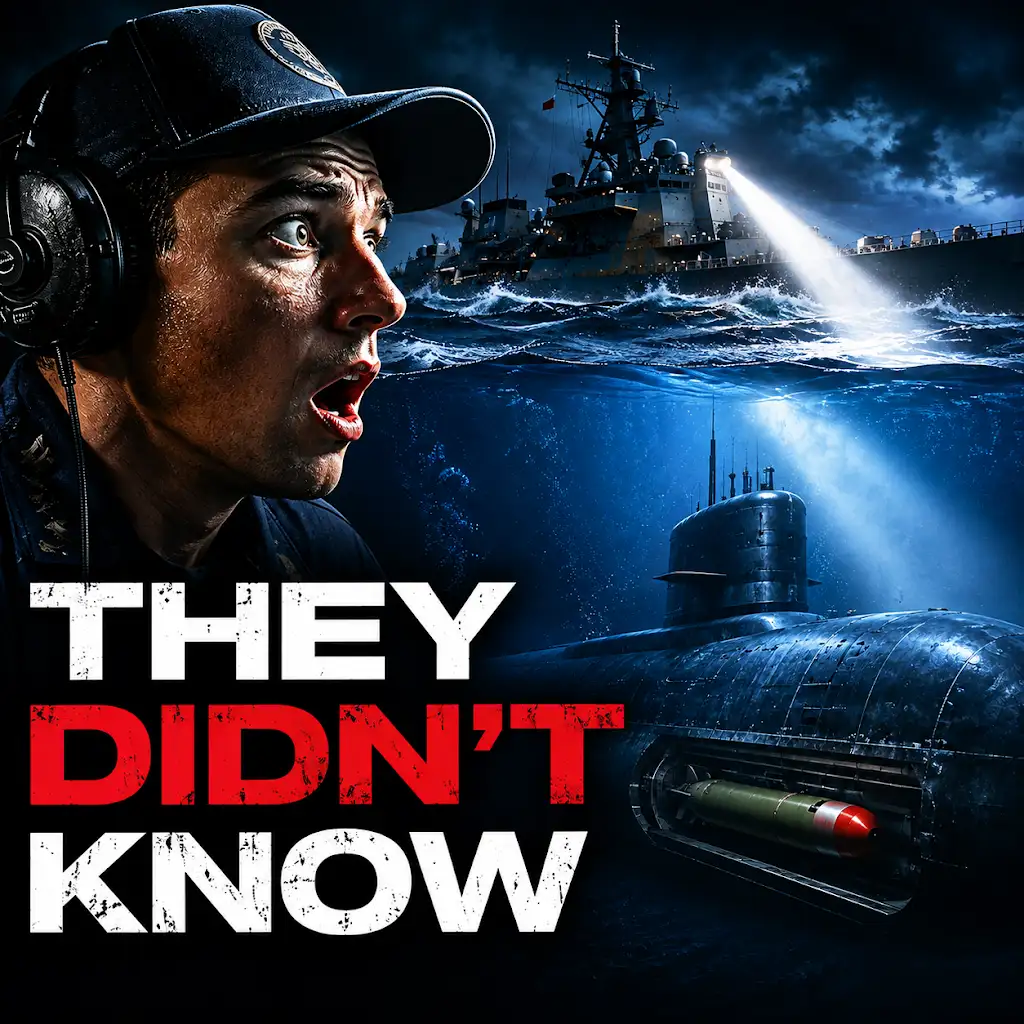
The U.S. Navy Didn’t Know This Submarine Had a Nuclear Torpedo
FAQs
What was the role of Valentin Savitsky in the Cuban Missile Crisis?
Valentin Savitsky was the captain of the Soviet submarine B-59 during the Cuban Missile Crisis. He played a crucial role in the crisis when the submarine came close to launching a nuclear torpedo at the US Navy, which could have escalated the conflict into a full-scale nuclear war.
What happened on the Soviet submarine B-59 during the Cuban Missile Crisis?
During the Cuban Missile Crisis, the Soviet submarine B-59 was located near Cuba and was detected by the US Navy. The submarine was subjected to depth charges and communication with Moscow was cut off. This led to a tense situation on board, with the officers considering launching a nuclear torpedo.
How did Valentin Savitsky and his crew handle the situation on the submarine?
Valentin Savitsky and his crew faced extreme pressure and uncertainty during the Cuban Missile Crisis. Despite the intense situation, Savitsky and his second-in-command, Vasili Arkhipov, ultimately decided not to launch the nuclear torpedo, averting a potential nuclear war.
What was the outcome of the Cuban Missile Crisis for Valentin Savitsky?
Following the Cuban Missile Crisis, Valentin Savitsky and his crew returned to the Soviet Union. Savitsky was reportedly reprimanded for not following orders to launch the nuclear torpedo, but he was not punished severely. The incident remained largely unknown until many years later.
How is Valentin Savitsky remembered in history?
Valentin Savitsky is remembered as a key figure in preventing a nuclear catastrophe during the Cuban Missile Crisis. His decision not to launch the nuclear torpedo on the B-59 submarine is widely regarded as a crucial moment in averting a potential nuclear war between the United States and the Soviet Union.