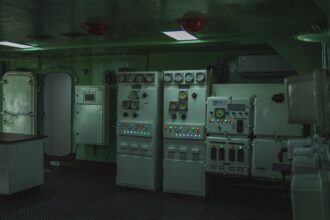
The B-59 Submarine Crisis: A Silent Countdown
The year is 1962, a period fraught with the chilling tension of the Cold War. The world held its breath as the United States and the Soviet Union stood on the precipice of nuclear annihilation. Amidst this global drama, a forgotten drama unfolded in the depths of the Atlantic Ocean aboard a Soviet submarine, the B-59. This article delves into the harrowing events of that crisis, focusing on the pivotal role of Valentin Savitsky, the submarine’s commanding officer, and the near-catastrophic decisions made in the suffocating darkness of the underwater world.
The Cuban Missile Crisis, a 13-day confrontation in October 1962, brought the world closer to nuclear war than ever before. The discovery of Soviet ballistic missile sites in Cuba, just 90 miles off the coast of Florida, ignited a firestorm of fear and diplomatic maneuvering.
The Stakes of Global Power
The Cold War was characterized by an intense ideological struggle between the United States and the Soviet Union, each superpower vying for global dominance. This rivalry manifested in an arms race, proxy conflicts, and a constant undercurrent of suspicion and mistrust. The presence of nuclear weapons on both sides created a precarious balance of power, where any miscalculation could have devastating consequences.
The Domino Effect of Escalation
The deployment of Soviet missiles in Cuba was perceived by the United States as a direct and unacceptable threat to its national security. President John F. Kennedy responded with a naval blockade, or “quarantine,” of Cuba, demanding the removal of the missiles. This act of defiance, while aimed at de-escalation, also significantly raised the stakes, pushing both nations towards a potential military confrontation. The world watched with bated breath as diplomats and military leaders grappled with the escalating crisis.
The story of the Valentin Savitsky and the B-59 submarine is a gripping chapter in Cold War history, highlighting the tense moments that could have escalated into a nuclear conflict. For those interested in exploring this topic further, a related article can be found at In The War Room, which delves into the strategic decisions made during the Cuban Missile Crisis and the implications of submarine warfare during that era.
The B-59: A Floating Crucible
The B-59 was a Project 641 (NATO reporting name Foxtrot-class) diesel-electric submarine of the Soviet Navy. These submarines were designed for extended patrols in hostile waters, tasked with intercepting Western shipping and posing a significant threat to naval forces. However, their operational capabilities were often hampered by technological limitations and the inherent stresses of extended underwater missions.
Life in the Deep
Life aboard a Soviet submarine in the early 1960s was an exercise in extreme endurance. Confined to cramped compartments, the crew lived in a perpetual state of humidity, with the constant hum of machinery and the metallic scent of oil and sweat. The days were long and monotonous, punctuated by drills and the ever-present tension of their mission. Communication with Moscow was infrequent and often subject to delays, leaving commanders with a significant degree of autonomy and responsibility in critical situations.
A Mission of Deterrence
The B-59 was operating in international waters near Cuba during the height of the crisis. Its mission was not to launch offensive weapons, but rather to deter American naval forces and to be prepared to use nuclear torpedoes if the submarine was attacked and communications with Moscow were lost. This dual responsibility, to defend itself and to potentially initiate a catastrophic retaliation, placed an immense burden on the commanding officer.
The Brink of Disaster

On October 27, 1962, a day now known as “Black Saturday,” the B-59 found itself in grave danger. The submarine, unaware of the diplomatic efforts underway to resolve the crisis, was being harassed by American naval vessels. The U.S. Navy, acting under the assumption of a heightened state of alert, was dropping practice depth charges around the B-59 to force it to surface. While these were intended as signaling devices, for the crew trapped below, they felt like a genuine attack.
The Illusion of Attack
The persistent thudding of the depth charges resonated through the hull of the B-59, a terrifying testament to their precarious situation. The submarine’s crew, already on edge and cut off from communication, interpreted these blasts as a prelude to a full-scale assault. The constant vibration and the potential for structural damage amplified the fear and desperation within the confined space.
Communication Breakdown
Crucially, the B-59 had been submerged for an extended period and had lost radio contact with Moscow. This isolation meant that Savitsky and his crew had no knowledge of the de-escalation efforts or the intended nature of the American actions. The absence of vital intelligence, coupled with the perceived threat, created a perfect storm for a catastrophic decision.
Valentin Savitsky: The Burden of Command

Valentin Savitsky was a seasoned officer, entrusted with the command of the B-59. The responsibility that rested on his shoulders during those crucial hours was immense. He was not only accountable for the lives of his men but also, in a horrifying twist of fate, for the potential unleashing of nuclear Armageddon.
The Weight of the Unknown
Savitsky was faced with a terrifying dilemma. His submarine was being battered, his crew was increasingly agitated, and he had no way of knowing if this was an isolated incident or the beginning of a broader conflict. The protocols for such a situation were clear: if attacked and unable to communicate, the submarine had the authority to launch its nuclear torpedoes. This was the ultimate deterrent, a terrifying “dead hand” designed to ensure retaliation even in the face of decapitation.
The Three Who Held the Key
The decision to launch a nuclear torpedo was not Savitsky’s alone to make. The B-59 carried three officers who held the launch codes. Savitsky, the political officer Ivan Maslennikov, and the chief engineer Anatoly Fedotov. The consensus of all three was required to authorize the launch. This was a safeguard against a lone commander acting rashly, but in this instance, it became a point of contention.
The story of the Valentin Savitsky and the B-59 submarine is a compelling chapter in Cold War history, highlighting the tension and near-misses that characterized this era. For those interested in exploring more about the intricate dynamics of submarine warfare and the critical moments that shaped international relations during this time, a related article can provide further insights. You can read more about these fascinating events in this detailed analysis.
The Crucial Disagreement
| Attribute | Value |
|---|---|
| Name | Valentin Savitsky B-59 submarine |
| Country | Soviet Union |
| Class | Golf-class submarine |
| Length | 98.4 m (323 ft) |
| Displacement | 2,350 tons |
| Speed | 12 knots (22 km/h) surfaced, 16 knots (30 km/h) submerged |
The pressure on Savitsky was immense. The hull of the B-59 groaned under the impact of the depth charges. Fear and anger rippled through the submarine. Savitsky, believing his vessel was under direct attack and facing imminent destruction, was prepared to authorize the launch of the nuclear torpedo.
The Voice of Reason
However, not all on board agreed with Savitsky’s assessment. Anatoly Fedotov, the chief engineer, was a more pragmatic voice. He understood the technical limitations of the submarine and the catastrophic implications of such a launch. He argued forcefully against the decision, emphasizing the potential for misinterpretation and the certainty of global devastation. His calm, reasoned arguments acted as a crucial counterpoint to Savitsky’s mounting panic.
Averting Catastrophe
The debate raged within the claustrophobic confines of the submarine. The fate of the world hung in the balance, decided by the impassioned pleas and rational arguments within a metal tube miles beneath the ocean’s surface. It was Fedotov’s unwavering opposition, his insistence on the devastating consequences, that ultimately swayed the balance. Savitsky, faced with the stark reality of his chief engineer’s arguments and perhaps a flicker of doubt, relented. The order to launch was rescinded.
The Legacy of the B-59
The B-59 crisis was, for decades, a closely guarded secret. The world remained unaware of how close it had come to nuclear war. The bravery and foresight of those who made the difficult decisions in the depths of the Atlantic ultimately saved humanity from unimaginable destruction.
A Brush with Oblivion
The events aboard the B-59 serve as a stark reminder of the fragility of peace and the catastrophic potential of nuclear weapons. The crisis highlighted the immense pressures placed on military commanders in times of extreme tension and the vital importance of clear communication and reasoned judgment.
The Unsung Heroes
While Valentin Savitsky’s name might be associated with the near-disaster, it is the dissenting voices, particularly that of Anatoly Fedotov, that deserve recognition. These were the individuals who, in the face of immense pressure and the perceived threat of annihilation, chose reason over retaliation, ultimately averting a global catastrophe. Their actions, though largely unknown for years, represent a profound act of courage and responsibility. The B-59 crisis is a testament to the fact that sometimes, the most heroic actions are those that prevent something terrible from happening, rather than those that engage in outright conflict. The silent countdown in the deep Atlantic was a testament to the precariousness of existence and the extraordinary capacity for human beings to steer away from the abyss.
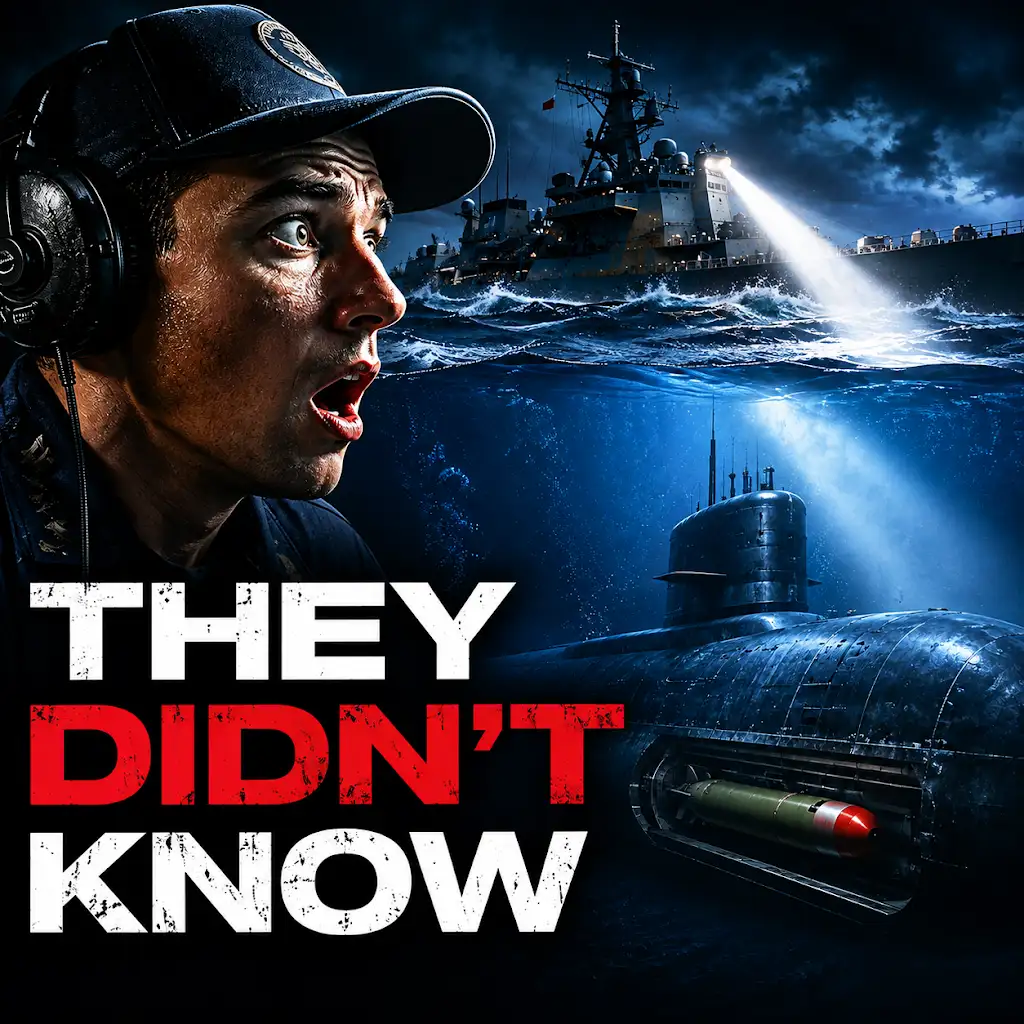
The U.S. Navy Didn’t Know This Submarine Had a Nuclear Torpedo
FAQs
Who was Valentin Savitsky?
Valentin Grigorievitch Savitsky was a Soviet naval officer who served as the captain of the B-59 submarine during the Cuban Missile Crisis in 1962.
What was the B-59 submarine?
The B-59 submarine was a Soviet Foxtrot-class submarine that played a significant role in the Cuban Missile Crisis. It was armed with nuclear torpedoes and was part of the Soviet Navy’s submarine fleet.
What was the role of the B-59 submarine in the Cuban Missile Crisis?
During the Cuban Missile Crisis, the B-59 submarine was located near Cuba and was tasked with providing support and protection to the Soviet Union’s naval forces in the region. It was also equipped with nuclear torpedoes, which added to the tension of the crisis.
What happened to the B-59 submarine during the Cuban Missile Crisis?
The B-59 submarine was detected and subjected to depth charging by U.S. Navy forces, which were attempting to force it to surface. The submarine was unaware that the crisis had escalated to the brink of nuclear war, and the depth charging caused a tense situation onboard.
What was the significance of Valentin Savitsky and the B-59 submarine in history?
Valentin Savitsky and the B-59 submarine became symbols of the intense pressure and potential for nuclear conflict during the Cuban Missile Crisis. Their story serves as a reminder of the dangers of nuclear brinkmanship and the importance of diplomatic resolution in international crises.