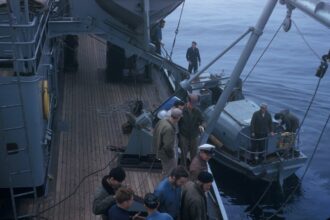
The USS Tarawa, a veteran of numerous naval operations, represents more than just a platform for amphibious assaults; it is a sophisticated command ship, intricately equipped with advanced radar systems that form the backbone of its aerial and surface surveillance capabilities. These radar systems are not mere additions; they are integral to the Tarawa’s role as a mobile command center, enabling it to project power, coordinate complex operations, and maintain situational awareness in dynamic and often hostile environments. The evolution of naval radar technology has profoundly impacted the effectiveness of vessels like the Tarawa, transforming them from simple troop carriers into potent intelligence hubs.
The Foundation of Maritime Dominance: Radar’s Strategic Importance
Radar, an acronym for Radio Detection and Ranging, has been a cornerstone of naval warfare for decades. Its ability to detect objects, determine their range, speed, and bearing, and to do so through conditions that would blind visual observation, makes it indispensable. For a command ship like the USS Tarawa, its radar suite is the primary sensor that feeds critical data to the combat information center (CIC), the nerve center of the ship’s operational capabilities. The strategic importance of radar on such a vessel cannot be overstated. It allows for the early detection of potential threats, whether they be enemy aircraft, missiles, or surface vessels, providing precious minutes or even hours for defensive actions or tactical repositioning.
Early Warning and Threat Assessment
The most fundamental role of radar on the USS Tarawa is early warning. Long-range surveillance radars scan vast swathes of airspace and the sea surface, painting a picture of the surrounding environment. This allows the command staff to identify any objects that deviate from expected patterns, such as friendly forces or civilian traffic. Upon detection, these objects are then analyzed to determine their nature and potential threat level. This process is crucial for discerning friend from foe, identifying inbound missile threats, or tracking the movements of adversary naval assets. Without effective early warning, a command ship would be vulnerable to surprise attacks, severely compromising its ability to fulfill its mission.
Situational Awareness and Force Protection
Beyond mere detection, the advanced radar systems on the Tarawa contribute significantly to overall situational awareness. This encompasses a comprehensive understanding of the operational area, including the positions and movements of all friendly forces, neutral vessels, and potential adversaries. This detailed tactical picture allows the commanding officer and their staff to make informed decisions regarding troop movements, aircraft deployment, and defensive posture. Force protection is a direct beneficiary of this enhanced situational awareness. By knowing what is out there, the Tarawa can better protect itself and the forces it commands from potential threats, ensuring the safety of its crew and the successful execution of its objectives.
The USS Tarawa, an amphibious assault ship, has been equipped with advanced radar systems that enhance its operational capabilities and situational awareness. For a deeper understanding of the technological advancements in naval warfare, you can read a related article that discusses the evolution of radar systems on command ships and their impact on modern military strategies. Check it out here: Related Article on Naval Radar Systems.
Evolution of Radar Technology on Naval Vessels

The radar systems aboard the USS Tarawa are the product of decades of technological advancement. From the early, rudimentary systems of World War II to the sophisticated, multi-function arrays of today, radar technology has undergone a dramatic transformation. These advancements have been driven by the ever-increasing need for greater detection range, improved resolution, enhanced resistance to electronic countermeasures, and the integration of these sensors into complex combat systems. The Tarawa, as a modern amphibious assault ship and command platform, benefits from these cumulative innovations.
From Analog to Digital: The Rise of Digital Signal Processing
Early radar systems relied on analog electronics for signal processing. While effective for their time, these systems were often limited in their ability to distinguish between targets and clutter, and were more susceptible to interference. The advent of digital signal processing (DSP) marked a paradigm shift. DSP allows for more sophisticated analysis of radar returns, enabling the system to filter out unwanted noise, identify subtle target characteristics, and provide a much clearer and more accurate picture. This has been particularly important in cluttered environments, such as those found near shorelines or in the presence of severe weather.
Phased Array Radars: Precision and Agility
A significant leap in radar technology has been the development of phased array radars. Unlike traditional mechanically scanned antennas that physically rotate to cover different areas, phased array systems use electronic beams steered by solid-state components. This allows for near-instantaneous beam steering, enabling the radar to track multiple targets simultaneously, switch between different search modes rapidly, and even perform functions like electronic warfare. The precision and agility offered by phased array technology are critical for modern naval operations, where the ability to react quickly to multiple, fast-moving threats is paramount. The USS Tarawa, in its role as a command ship, likely employs advanced radar architectures that leverage these capabilities.
Key Radar Systems Aboard the USS Tarawa
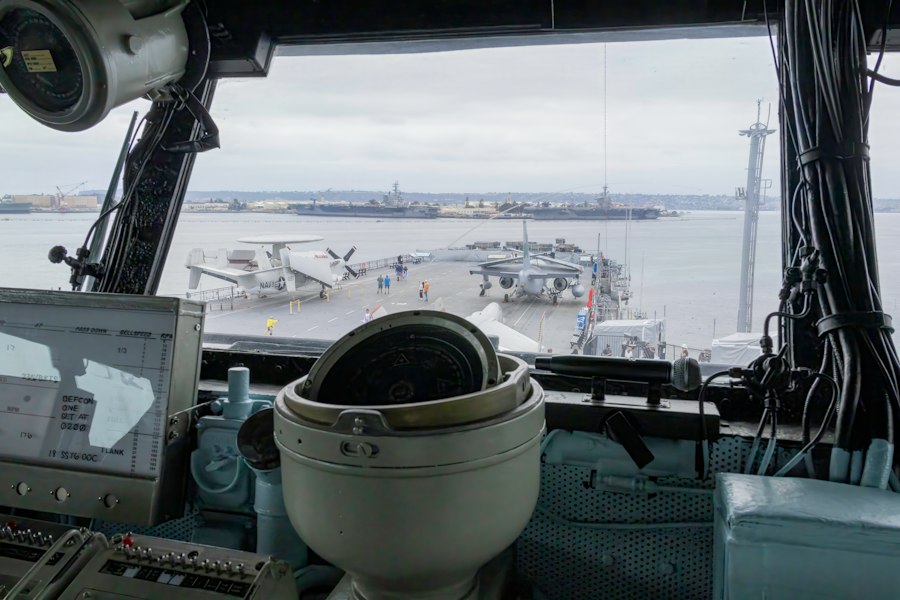
While specific radar system designations are often classified, the operational requirements of a vessel like the USS Tarawa necessitate a robust and multi-layered radar suite. These systems are designed to work in concert, each contributing unique capabilities to the overall surveillance picture. The integration of these systems into the ship’s combat management system is crucial for maximizing their effectiveness and ensuring that the data they collect is presented to the crew in an actionable format.
Air Search Radars: The Eyes in the Sky
Air search radars are the primary sensors responsible for detecting and tracking aircraft, missiles, and other airborne threats. For a command ship like the Tarawa, operating in potentially contested airspace, these radars are of paramount importance. They provide the extended range necessary to detect inbound aircraft or missiles long before they pose an immediate threat. Advanced air search radars employ sophisticated signal processing techniques to differentiate between various types of airborne targets, such as fixed-wing aircraft, helicopters, and cruise missiles, and to provide accurate range, bearing, and altitude information.
Long-Range Surveillance Capabilities
The effectiveness of air search radars is directly tied to their range. The Tarawa’s air search radars are designed for long-range surveillance, allowing them to scan hundreds of miles in all directions. This extended reach is vital for providing early warning of approaching threats, enabling defensive measures to be initiated well in advance. These radars are essential for establishing an air defense picture for the battle group or the amphibious task force that the Tarawa is supporting.
Multi-Target Tracking and Identification
Modern air search radars are capable of tracking multiple targets simultaneously. This is a critical requirement in today’s complex air warfare environment where multiple threats can be present. The ability to track numerous aircraft or missiles at once ensures that no threat is missed. Furthermore, advanced identification friend or foe (IFF) systems are integrated with the radar to automatically identify friendly aircraft, reducing the risk of fratricide and allowing the crew to focus on potential adversaries.
Surface Search Radars: Navigating and Monitoring the Maritime Domain
Surface search radars are designed to detect objects on the sea surface. This includes other ships, small craft, buoys, and even wave patterns that can indicate the presence of submerged objects. For a command ship like the Tarawa, maintaining a clear picture of the surface environment is crucial for navigation, force protection, and the coordination of amphibious operations. These radars are essential for avoiding collisions, monitoring the movements of friendly and enemy vessels, and identifying potential threats lurking on the water.
Navigation and Collision Avoidance
During transit and in crowded waterways, surface search radars provide essential navigational information. They allow the ship’s officers to identify nearby vessels, shorelines, and navigational hazards, ensuring safe passage. This capability is particularly important for a large vessel like the Tarawa, which requires significant clearance. The ability to accurately measure the range and bearing to other vessels is fundamental to preventing collisions, especially in low visibility conditions.
Maritime Traffic Monitoring and Threat Detection
Beyond navigation, surface search radars are vital for monitoring maritime traffic within the operational area. This allows the Tarawa to track the movements of all vessels, identifying any that may be acting suspiciously or posing a threat. This can include tracking enemy patrol boats, identifying vessels attempting to approach restricted areas, or detecting the presence of mine-laying operations. The data provided by surface search radars contributes significantly to the overall maritime situational awareness picture.
Integration and the Combat Information Center (CIC)
The true power of the USS Tarawa’s radar systems lies not in the individual sensors themselves, but in how they are integrated and utilized within the ship’s Combat Information Center (CIC). The CIC is the nerve center where data from all sensors, including radar, sonar, electronic support measures (ESM), and communications, is collected, processed, and displayed. This integrated data provides a comprehensive tactical picture that is used to make critical operational decisions.
Data Fusion and Situational Display
The sophisticated radar systems on the Tarawa feed raw data to powerful computers within the CIC. Here, this data is fused with information from other sensors to create a single, unified tactical display. This process of data fusion is critical, as it eliminates redundancies, filters out false positives, and presents a coherent and accurate representation of the surrounding environment. The resulting display, often presented on large screens, provides the commanding officer and their staff with an unparalleled understanding of the tactical situation. This includes the location and type of all detected contacts, their course and speed, and any associated intelligence.
Command and Control Facilitation
The CIC, powered by the integrated data from the Tarawa’s radar systems, serves as the primary hub for command and control. From this room, naval officers can direct defensive actions, coordinate the movements of other ships and aircraft, and manage the overall flow of operations. The ability to rapidly disseminate information and issue orders based on a clear and up-to-date tactical picture is essential for the success of complex naval operations. The radar systems are thus not just surveillance tools, but integral components of the command and control architecture.
The USS Tarawa, a prominent amphibious assault ship, has been equipped with advanced radar systems that enhance its operational capabilities. For those interested in exploring the intricacies of naval radar technology and its applications in modern warfare, a related article can be found at In The War Room, which delves into the evolution of radar systems and their impact on naval operations. This resource provides valuable insights into how such technologies are crucial for maintaining situational awareness and ensuring mission success.
Future Enhancements and Advancements
| Metric | Specification | Description |
|---|---|---|
| Radar Type | AN/SPS-48E | 3D air search radar used for long-range detection and tracking |
| Frequency Band | L-band (1-2 GHz) | Operating frequency range for the radar system |
| Range | 250+ nautical miles | Maximum detection range for air targets |
| Azimuth Coverage | 360 degrees | Full circular coverage around the ship |
| Elevation Coverage | 0 to 70 degrees | Vertical scanning range for target detection |
| Rotation Speed | 15 RPM | Radar antenna rotation speed for scanning |
| Purpose | Air and surface surveillance | Provides situational awareness and target tracking for command operations |
| Ship Class | Tarawa-class amphibious assault ship | Class of USS Tarawa (LHA-1) equipped with this radar |
The technological landscape of naval radar is constantly evolving, and the USS Tarawa, as a modern warship, is designed with upgrades and enhancements in mind. Future advancements in radar technology will continue to refine its capabilities, further enhancing the Tarawa’s effectiveness as a command ship and a potent naval platform. These advancements are driven by the need to counter emerging threats, improve efficiency, and enhance the overall survivability and operational effectiveness of naval forces.
Network-Centric Warfare and Sensor Interoperability
The future of naval operations is increasingly defined by network-centric warfare, where information is shared seamlessly across multiple platforms. The radar systems on the Tarawa are being developed and upgraded to be highly interoperable with other naval assets, including other ships, aircraft, and shore-based command centers. This allows for a broader and more distributed awareness of the operational environment, enabling coordinated responses and shared situational understanding.
Advanced Signal Processing and Artificial Intelligence
Future generations of radar systems will likely incorporate even more advanced signal processing techniques and the integration of artificial intelligence (AI). AI can be used to automate complex tasks such as target classification, threat assessment, and even the prediction of enemy maneuvers. This will reduce the cognitive load on human operators, allowing them to focus on higher-level decision-making. Furthermore, AI can enhance the radar’s ability to adapt to evolving electronic warfare tactics employed by adversaries.
Smaller, More Powerful, and More Versatile Systems
The ongoing miniaturization and increased power efficiency of radar components, particularly solid-state transmit/receive modules, are enabling the development of smaller, lighter, and more powerful radar systems. This allows for greater flexibility in placement and integration, potentially leading to the deployment of more multi-function radar arrays on vessels like the Tarawa. The continuous pursuit of greater versatility and performance ensures that naval radar remains at the forefront of technological innovation, supporting the critical missions of vessels like the USS Tarawa for years to come.
The 1958 Space Nukes Meant to Destroy Soviet Missiles
FAQs
What is the purpose of the radar system on the USS Tarawa command ship?
The radar system on the USS Tarawa command ship is used for detecting and tracking aircraft, ships, and other objects in the surrounding area to ensure the safety and security of the vessel and its crew.
How advanced is the radar technology used on the USS Tarawa command ship?
The radar technology used on the USS Tarawa command ship is state-of-the-art, featuring advanced capabilities such as long-range detection, target identification, and electronic countermeasures to protect against potential threats.
Can the radar system on the USS Tarawa command ship operate in different weather conditions?
Yes, the radar system on the USS Tarawa command ship is designed to operate effectively in various weather conditions, including rain, fog, and rough seas, to maintain situational awareness and operational readiness at all times.
How does the radar system on the USS Tarawa command ship contribute to mission success?
The radar system on the USS Tarawa command ship plays a crucial role in mission success by providing real-time intelligence, surveillance, and reconnaissance capabilities, allowing the crew to monitor and respond to potential threats swiftly and effectively.
Is the radar system on the USS Tarawa command ship constantly monitored and maintained?
Yes, the radar system on the USS Tarawa command ship is continuously monitored and maintained by trained technicians to ensure optimal performance and reliability, minimizing the risk of malfunctions or downtime during critical operations.