The Pacific Ocean, vast and unforgiving, was the silent witness to countless acts of courage and strategic brilliance during the Second World War. Among the many naval engagements that etched themselves into history, the sinking of the Japanese submarine I-14 by the USS Bugara stands as a testament to the relentless pursuit and tactical prowess of the American submarine force. This was not merely the destruction of an enemy vessel; it represented a significant blow to Japan’s submarine capabilities and a tangible victory in the arduous campaign to control the vital sea lanes of the Pacific. The I-14, a formidable “I-boat” capable of carrying aircraft, was a prize worth pursuing, and its eventual demise at the hands of the Bugara underscored the evolving nature of submarine warfare and the crucial role played by these underwater predators.
The Hunter and the Hunted: Unveiling the Combatants
The USS Bugara (SS-331), a Gato-class submarine, was a product of American wartime industrial might, launched in 1944. These submarines were the workhorses of the US Navy’s Pacific fleet, designed for long-range patrols, reconnaissance, and the vital task of interdicting enemy shipping. The Bugara, like its sister ships, was a potent weapon, equipped with advanced sonar, powerful torpedoes, and a skilled crew trained to operate in the challenging and often perilous environment of submarine warfare. The success of any submarine largely depended on the competence and daring of its captain and crew, and the Bugara was no exception. Its patrols were characterized by a dogged determination to seek out and destroy enemy vessels, often operating deep in enemy-controlled waters.
The Japanese submarine I-14 was a far more exotic and potentially dangerous adversary. Belonging to the Type A Kō-hyōteki, or “Special Attack” submarine, it was a large, ocean-going vessel designed not only for traditional submarine warfare but also for the launching of reconnaissance aircraft. This unique capability gave the I-14 a significant strategic advantage, allowing it to scout enemy positions and relay vital intelligence. The presence of such a vessel in operational waters presented a heightened threat to Allied shipping and naval movements. The I-14 was a symbol of Japan’s desperate attempts to innovate and gain an edge in a war that was increasingly turning against them. Its operational history, though not as extensive as some other Japanese submarines, was marked by its strategic importance and the specialized role it was designed to fulfill. The engagement between the Bugara and the I-14 was thus a clash between a skilled hunter and a uniquely valuable prey, each possessing distinct advantages and posing significant threats.
The USS Bugara’s successful sinking of the Japanese submarine I-14 during World War II is a remarkable event that highlights the intense underwater warfare of the era. For more insights into this significant naval engagement and its implications, you can read a related article that delves deeper into the strategies and outcomes of submarine warfare in the Pacific Theater. Check it out here: related article.
The Strategic Imperative: Securing the Pacific’s Lifelines
The Second World War in the Pacific was, at its heart, a war for control of the sea. Japan’s imperial ambitions were predicated on its ability to project power across vast stretches of ocean, and its navy, particularly its submarine force, played a critical role in achieving this. Allied strategy, conversely, focused on severing these supply lines, strangling Japanese industry, and ultimately isolating its forces. Submarines, both American and Japanese, were pivotal in this grand strategy. The sinking of Japanese submarines was not merely about diminishing their numbers; it was about protecting Allied shipping, preventing the delivery of vital resources to Japanese garrisons, and denying Japan the ability to conduct offensive operations.
The I-14, with its aircraft-carrying capability, represented a particularly troublesome element in this strategic calculus. Its reconnaissance missions could provide valuable intelligence for Japanese bomber or torpedo bomber attacks, or inform the deployment of its own submarines to ambush Allied convoys. Therefore, the detection and destruction of such a vessel held significant strategic weight. The USS Bugara, by successfully locating and engaging the I-14, was directly contributing to the broader Allied objective of crippling Japanese naval power and securing the vital sea lanes that facilitated the movement of troops, supplies, and war materials. This particular victory was not an isolated incident but a crucial contribution to the larger war effort in the Pacific, highlighting the importance of every successful submarine patrol.
The Chase and the Engagement: A Dance of Depth and Deception

The encounter between the USS Bugara and the Japanese submarine I-14 was not a sudden, accidental clash but the culmination of a deliberate hunt. The precise details of the initial detection and pursuit are often pieced together through official logs and after-action reports, painting a picture of a tense cat-and-mouse game played out in the depths. The Bugara, through its superior sonar capabilities and the diligent efforts of its crew, likely detected the I-14 at a considerable distance, initiating a sustained pursuit. Submarine warfare was, and remains, a domain of stealth and calculated risk. The success of an attack hinged on the ability to remain undetected while closing the distance, preparing a torpedo solution, and launching a devastating salvo.
The Japanese submarine, aware of the potential for attack, would have been employing its own countermeasures, including evasive maneuvers and potentially attempts to mask its acoustic signature. The I-14, being a larger vessel, might have presented a more substantial sonar target, but its specialized nature could have also meant different operational characteristics that the Bugara’s crew could exploit. The engagement itself would have been a furious exchange, a ballet of calculated maneuvers, depth charges, and torpedoes. The captain of the Bugara would have faced the immense pressure of making split-second decisions, balancing the need for aggression with the imperative of survival. The I-14’s crew, in turn, would have fought desperately to evade the attack and potentially retaliate. The successful sinking of the I-14 was a direct result of the Bugara’s superior tactical execution and the bravery of its crew in the face of a formidable enemy.
The Critical Moments of the Attack
The moments leading up to the final attack were likely fraught with tension. The Bugara, having closed the range, would have been focused on obtaining a clean torpedo solution. This involved precise calculations of range, bearing, and speed, accounting for the movement of both vessels and the currents of the ocean. The crew would have been working in near silence, each man performing his specific duty with utmost concentration. The firing of the torpedoes would have been a moment of intense anticipation, followed by the anxious wait for confirmation of a hit. The enemy submarine, if it detected the incoming threat, would have been executing desperate evasive maneuvers, attempting to use the ocean’s depth to its advantage. The effectiveness of the torpedoes, coupled with the Bugara’s ability to maintain its attack vector, would have been the deciding factors. The damage inflicted, whether immediate or cumulative, would have sealed the fate of the I-14.
The Aftermath and Confirmation of Sinking
Once the initial attack was complete, the Bugara’s crew would have focused on confirming the I-14’s destruction. This could have involved observing the enemy vessel’s reaction, listening for signs of damage through sonar, or even surfacing to observe the effects of the attack. In many cases, definitive confirmation required visual evidence of the submarine sinking or breaking apart. The reports submitted by the Bugara’s captain and crew would have then been reviewed and verified by naval intelligence. The successful sinking of a Japanese submarine, especially one as significant as the I-14, was a cause for celebration and a valuable piece of intelligence for Allied planners. It represented not just a lost enemy asset but a clear indicator of the effectiveness of the American submarine force and a reinforcement of their dominance in the Pacific theater.
The Significance of the Victory: More Than Just a Score
The sinking of the I-14 by the USS Bugara was more than just a statistic in the vast ledger of wartime casualties. It was a tangible victory with several layers of significance. Firstly, it directly contributed to the Allied goal of interdicting Japanese shipping and eroding their capacity to wage war. The loss of a large, multi-purpose submarine like the I-14 removed a significant threat and denied Japan a valuable platform for reconnaissance and attack. Secondly, it was a testament to the skill, bravery, and technological superiority of the American submarine service. These were the silent warriors of the Pacific, operating in extremely hazardous conditions and often facing overwhelming odds. The Bugara’s success was a reflection of their rigorous training and unwavering dedication.
Furthermore, the sinking of the I-14 bolstered Allied morale and served as a psychological blow to the Japanese. Each lost submarine represented a diminished capacity for offensive action and a growing awareness of their vulnerability. In the grand narrative of the Pacific War, this particular engagement, though perhaps not as widely known as some of the larger fleet battles, was a crucial thread in the tapestry of eventual Allied victory. It underscored the effectiveness of submarine warfare as a strategic weapon and the importance of relentless pursuit and tactical innovation. The USS Bugara, through its decisive action, played a vital role in securing the Pacific’s lifelines and pushing Japan closer to defeat.
Impact on Japanese Naval Strategy
The loss of submarines, particularly specialized ones like the I-14, forced the Imperial Japanese Navy to constantly re-evaluate its submarine deployment and operational doctrines. Each loss incurred meant fewer assets available for reconnaissance, troop transport, and attacks on Allied shipping. This cumulative effect gradually weakened Japan’s ability to project power and sustain its far-flung empire. The I-14’s aircraft-carrying capability was a unique asset, and its destruction meant that Japan lost a valuable tool for gathering intelligence and coordinating naval operations. The constant pressure from Allied submarines, exemplified by the Bugara’s success, compelled Japan to divert resources to submarine defense, further straining its already beleaguered navy.
The Enduring Legacy of the USS Bugara
The USS Bugara’s accomplishment in sinking the I-14 etched its name into the annals of naval history. It served as a powerful example of the effectiveness of the Gato-class submarines and the critical role they played in the Pacific War. The bravery and skill demonstrated by the Bugara’s crew were emblematic of the thousands of submariners who served and sacrificed during the conflict. Their patrols, often conducted in enemy-controlled waters with little to no support, were some of the most dangerous missions of the war. The victory over the I-14, while one engagement among many, stands as a clear and significant achievement, contributing to the broader Allied victory and the eventual restoration of peace in the Pacific. The legacy of the USS Bugara is one of relentless pursuit, strategic acumen, and unwavering courage in the face of a formidable foe.
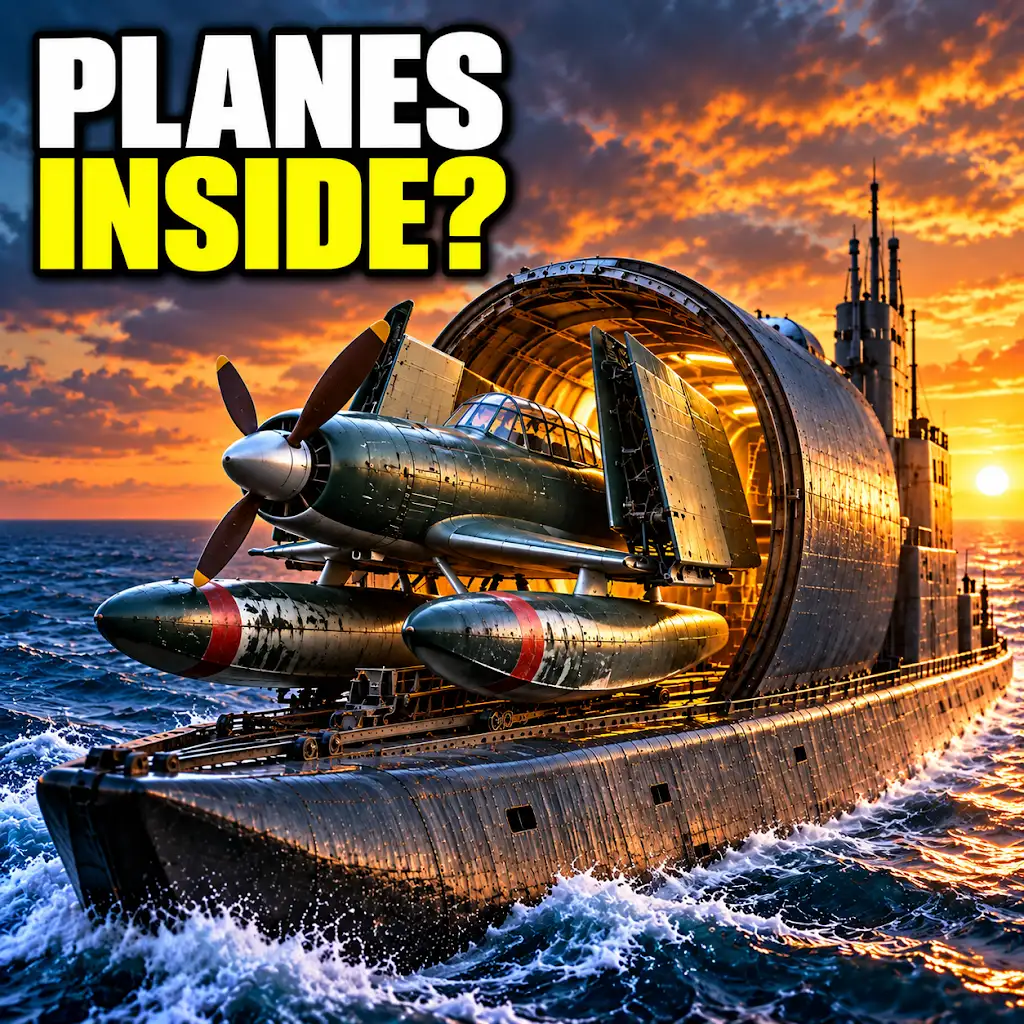
Japan Built a Submarine That Could Launch Three Planes
FAQs
1. What is the USS Bugara?
The USS Bugara (SS-331) was a Balao-class submarine of the United States Navy that served during World War II.
2. What happened to the Japanese submarine I-14?
The Japanese submarine I-14 was sunk by the USS Bugara on July 21, 1945, off the coast of Honshu, Japan.
3. How did the USS Bugara sink the Japanese submarine I-14?
The USS Bugara sank the Japanese submarine I-14 using torpedoes during a patrol mission in the Pacific Ocean.
4. What was the significance of the sinking of the Japanese submarine I-14?
The sinking of the Japanese submarine I-14 by the USS Bugara was a significant achievement for the US Navy as it eliminated a threat to Allied shipping in the Pacific.
5. Are there any survivors from the Japanese submarine I-14 sinking?
There were no survivors from the Japanese submarine I-14 sinking, as the entire crew of the submarine perished in the attack by the USS Bugara.