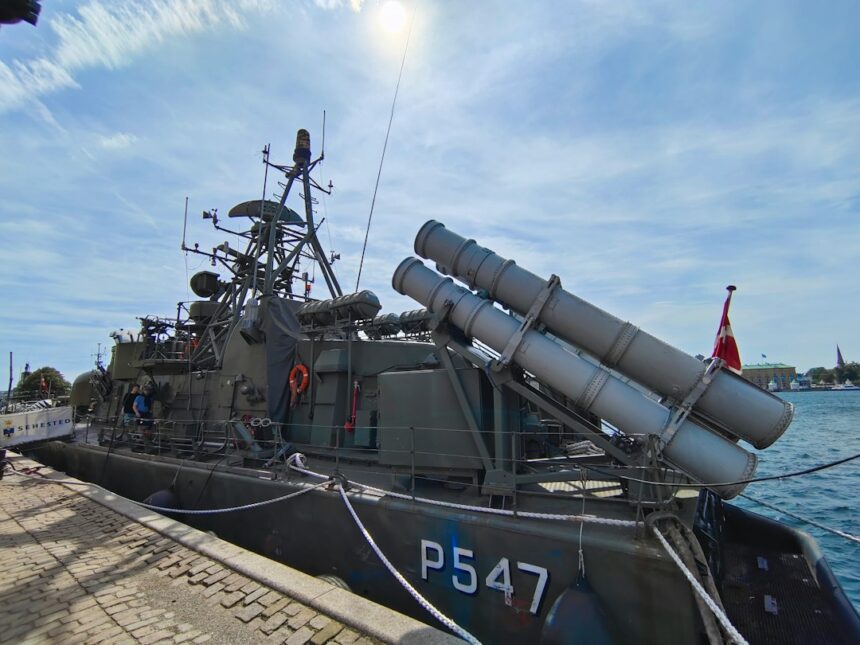
The icy grip of the Cold War often manifested in shadowy cat-and-mouse games played out beneath the unforgiving surface of the world’s oceans. During one such tense period, the United States Navy engaged in a protracted and nerve-wracking pursuit, tracking a formidable Soviet submarine for weeks on end. This clandestine operation, shrouded in the secrecy befitting its era, underscored the constant vigilance required to maintain a fragile global balance, a constant dance between deterrence and the ever-present threat of escalation. The immense distances, the technological arms race, and the sheer psychological pressure of such a prolonged engagement painted a vivid picture of the subterranean battlefield where the fate of nations could hang in the balance.
The Silent Hunter’s Shadow
The mere existence of a Soviet submarine, especially one operating in proximity to American shores or naval assets, was a cause for significant concern during the Cold War. These underwater leviathans represented a potent and elusive threat, capable of delivering devastating payloads and disrupting vital sea lanes. The United States Navy, therefore, dedicated substantial resources and expertise to its anti-submarine warfare (ASW) capabilities, a field that saw continuous innovation and refinement throughout the conflict. The tracking of any particular Soviet submarine was not a random event; it was the culmination of intelligence gathering, sophisticated sonar technology, and the unwavering dedication of naval personnel. This particular operation, however, stood out due to its duration and the perceived importance of the quarry.
Identifying the Adversary
The initial detection of the Soviet submarine was likely a testament to the effectiveness of the U.S. Navy’s acoustic surveillance network. This network comprised a vast array of sensors, including fixed hydrophones strategically placed on the ocean floor, passive sonar arrays mounted on surface ships and submarines, and airborne systems. Each of these components played a crucial role in the constant, almost ambient, listening for the telltale sounds of an enemy vessel. The subtle hum of a diesel engine, the rhythmic pulse of a propeller, or even the cavitation generated by rapid movement could all be picked up and analyzed. The U.S. Navy’s acoustic intelligence specialists were trained to discern the unique sonic signatures of different submarine classes, allowing them to identify not only that a submarine was present but often its approximate type and nationality. This initial identification would have immediately triggered a heightened state of alert.
The Cat and Mouse Begins
Once detected, the mission shifted from passive observation to active tracking. This involved a delicate balancing act. The U.S. Navy wanted to maintain contact, to know the submarine’s location, speed, and general course, but it also aimed to do so without revealing its own presence to the Soviet vessel. Revealing a tracking submarine too early could prompt the quarry to dive deeper, employ countermeasures, or even change course in an attempt to break contact. The engagement thus began as a silent, invisible contest, with the U.S. Navy’s ASW forces attempting to “paint” the enemy with their sonar without being “seen” themselves. This often involved the careful maneuvering of sonar platforms, the strategic deployment of sonobuoys from aircraft, and the persistent, often frustrating, task of triangulating the submarine’s position based on the faint acoustic echoes it produced. The sheer vastness of the ocean meant that maintaining contact was an immense challenge, requiring constant vigilance and a significant commitment of assets.
In recent news, a Soviet submarine has been tracked for weeks, raising concerns about its activities and intentions in international waters. This incident highlights the ongoing tensions between military powers and the importance of maritime security. For further insights on this topic, you can read a related article that delves deeper into the implications of such military maneuvers and their potential impact on global relations by visiting this link.
The Technological Arms Race Below the Waves
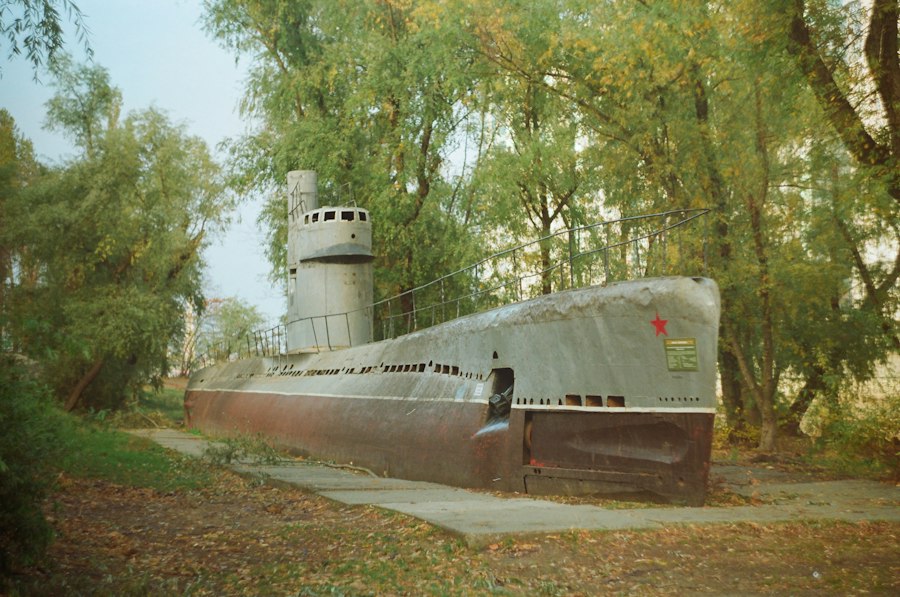
The Cold War was as much a technological contest as it was a geopolitical one, and nowhere was this more evident than in the realm of submarine warfare. Both superpowers poured vast resources into developing increasingly sophisticated submarines and the technologies needed to detect and counter them. The Soviet Union excelled in building large, missile-armed submarines, designed to project power and threaten naval fleets. The United States, in turn, focused on developing advanced sonar systems, quieter submarines, and effective anti-submarine tactics. The protracted tracking of this particular Soviet submarine was a real-world test of these technological advancements, a demonstration of how far each side had come in its ability to wage war in the silent depths.
Advancements in Sonar Technology
Sonar, the cornerstone of anti-submarine warfare, underwent significant evolution during the Cold War. Early sonar systems were relatively rudimentary, relying on active pings that, while effective, also betrayed the user’s presence. As the conflict progressed, passive sonar systems became increasingly sophisticated. These systems listened for the ambient sounds produced by submarines, analyzing subtle acoustic variations to pinpoint their location and even identify their type and operational status. The U.S. Navy invested heavily in advanced processing techniques, including signal correlation and spectral analysis, to filter out background noise and isolate the faint sounds of a distant submarine. Furthermore, towed sonar arrays, long strings of hydrophones deployed behind a surface ship or submarine, dramatically increased the listening range and accuracy of detection. The development of digital signal processing and artificial intelligence further enhanced the ability to interpret complex acoustic data, allowing for the identification of even the quietest submarines.
The Stealth Factor
The pursuit of stealth was paramount for both sides. Soviet submarines were designed to be as quiet as possible, employing advanced hull coatings to absorb sonar waves and meticulously engineered propulsion systems to minimize acoustic signatures. Similarly, U.S. Navy submarines, particularly the nuclear-powered attack submarines, were built with a focus on acoustic quieting. This included rubberized coatings, floating engine mounts, and specialized propeller designs. The effectiveness of these stealth measures directly impacted the tracking operation. If the Soviet submarine was particularly quiet, it would require an even greater level of sophistication and persistence from the U.S. Navy’s ASW forces to maintain contact. The challenge was to detect a vessel designed to be undetectable, a true test of technological prowess and operational skill.
The Human Element: Vigilance and Endurance
While technology provided the tools, it was the human element – the skill, dedication, and sheer endurance of naval personnel – that ultimately made such prolonged tracking operations possible. These were not glamorous missions; they often involved long periods of monotonous surveillance, punctuated by moments of intense pressure and potential danger. The men and women involved operated in confined spaces, under immense stress, and with the knowledge that their actions could have profound geopolitical consequences. Their ability to maintain focus, interpret complex data, and execute intricate maneuvers was as critical as any piece of electronic equipment.
The Submarine Crews’ Perspective
For the crew of the U.S. Navy submarine tasked with trailing the Soviet vessel, the experience would have been a mix of intense focus and grueling monotony. Life aboard a submarine is inherently demanding, with crews operating in close quarters for extended periods. During a tracking operation of this magnitude, the stakes were exceptionally high. Every member of the crew, from the sonar technicians meticulously analyzing acoustic signatures to the helmsmen precisely maneuvering the boat, played a vital role. Sleep schedules would have been disrupted, with watches often overlapping to ensure continuous surveillance. The psychological toll of knowing a potentially hostile adversary was nearby, and the responsibility of maintaining that contact, would have been immense. The camaraderie and shared sense of purpose within the submarine’s crew would have been crucial for maintaining morale and operational effectiveness throughout the weeks-long pursuit.
The Surface Fleet and Air Support
The tracking operation was not solely the responsibility of a single submarine. A coordinated effort often involved multiple assets. Surface ships, equipped with powerful sonar and weapons systems, could provide a broader surveillance picture and act as potential interceptors. Maritime patrol aircraft, such as the P-3 Orion, played a critical role by deploying sonobuoys over vast areas of ocean, extending the detection range and providing aerial reconnaissance. These aircraft could also deliver airborne ASW weaponry, though their primary role in a tracking mission was often intelligence gathering and maintaining contact. The coordination between submarines, surface ships, and aircraft was essential for a successful and sustained tracking operation, ensuring that no gaps existed in the surveillance net and that the Soviet submarine remained under constant observation.
Strategic Implications and Geopolitical Ripples
The prolonged tracking of a Soviet submarine was far more than just a naval exercise; it was a significant event with substantial strategic implications. Such an operation provided invaluable intelligence on Soviet naval capabilities, operational doctrines, and the movements of their most potent underwater assets. It also served as a powerful deterrent, a silent but unmistakable message to the Soviet Union that their submarines were not operating with impunity. The constant awareness of each other’s capabilities and intentions, fostered by these clandestine encounters, was a crucial element in maintaining the uneasy peace of the Cold War.
Intelligence Gathering and Assessment
The data collected during weeks of tracking a Soviet submarine would have been a goldmine for intelligence analysts. Information on the submarine’s speed, depth, maneuvering patterns, and acoustic signature provided a detailed profile of its operational capabilities. Analysts could assess the effectiveness of its stealth technology, the skill of its crew, and its potential mission profile. This intelligence was critical for refining U.S. Navy ASW tactics, improving detection methods, and updating threat assessments. Understanding how a Soviet submarine operated in a real-world scenario, rather than relying solely on theoretical models, was invaluable for maintaining a strategic advantage. The ability to accurately predict an adversary’s movements and capabilities was a cornerstone of Cold War strategy.
Deterrence and Escalation Control
The mere act of successfully tracking a Soviet submarine for an extended period served as a significant deterrent. It demonstrated the U.S. Navy’s persistent capability to monitor and potentially neutralize a major threat. This constant surveillance acted as a subtle reminder to the Soviet Union that their strategic assets were not invisible and that any aggressive action could be met with a swift and decisive response. Furthermore, in a period characterized by heightened tensions and the ever-present threat of nuclear war, the ability to maintain constant, yet non-provocative, contact with a potentially hostile force was crucial for de-escalation. Knowing where the adversary was, and being able to track their movements without engaging them directly, provided a vital buffer against miscalculation and accidental escalation. This operation, therefore, was not just about watching; it was about managing risk in a highly volatile global environment.
Recent reports have highlighted the ongoing concerns regarding a Soviet submarine that has been tracked for weeks, raising questions about maritime security and international relations. This situation echoes themes discussed in a related article that delves into the implications of such military movements and their potential impact on global stability. For further insights, you can read more about these developments in the article available at In the War Room.
The Legacy of Silent Vigilance
| Metric | Details |
|---|---|
| Submarine Type | Soviet Nuclear-Powered Attack Submarine |
| Tracking Duration | Several Weeks |
| Tracking Method | Sonar and Satellite Surveillance |
| Tracking Location | North Atlantic Ocean |
| Purpose of Tracking | Intelligence Gathering and Monitoring Military Movements |
| Submarine Speed | Up to 30 knots (approximate) |
| Depth Range | Up to 600 meters |
| Tracking Challenges | Stealth Technology and Evasive Maneuvers |
The specific details of many Cold War tracking operations remain classified, locked away in government archives. However, the general nature of these prolonged undersea pursuits speaks volumes about the dedication and professionalism of the naval forces involved. The weeks spent in silent pursuit of a Soviet submarine were a testament to the technological prowess, strategic thinking, and unwavering resolve that characterized the Cold War. These were not the flashy battles of popular imagination, but rather a sustained, often invisible, struggle for dominance in the deep. The legacy of such operations lies not in dramatic confrontations, but in the quiet assurance that the vast oceans, though seemingly boundless, were meticulously monitored, ensuring a fragile peace was maintained through constant, unyielding vigilance.
The Importance of Unseen Operations
The impact of these unseen operations on the global balance of power cannot be overstated. While headlines focused on diplomatic summits and public pronouncements, the real work of ensuring security often took place in the silent, dark depths of the ocean. The U.S. Navy’s ability to track Soviet submarines meant that the threat of a surprise attack was significantly diminished. It allowed for the accurate assessment of Soviet naval power and provided the intelligence needed to make informed strategic decisions. These operations, though rarely publicized, were the bedrock of America’s national security during a period of immense global tension. They represented a commitment to understanding and countering potential threats before they could materialize, a crucial element in preventing larger conflicts.
Lessons for Modern Naval Warfare
The tactics, technologies, and lessons learned from Cold War tracking operations continue to inform modern naval warfare. The principles of persistent surveillance, sophisticated acoustic analysis, and coordinated multi-domain operations remain as relevant today as they were during the Cold War. While the nature of the adversaries and the geopolitical landscape have evolved, the fundamental challenge of monitoring submerged threats in a vast and complex environment persists. The dedication, endurance, and technological innovation displayed during those weeks of silent pursuit underscore the enduring importance of a strong, vigilant, and adaptable navy in safeguarding national interests and maintaining global stability. The ghost of those Soviet submarines, forever tracked by determined American sailors, serves as a reminder of the continuous, often unacknowledged, effort required to keep the world safe.

The Soviet Submarine Britain Lost—Then Found Again
FAQs
1. How long was the Soviet submarine tracked for?
The Soviet submarine was tracked for several weeks by the US Navy.
2. Why was the Soviet submarine being tracked?
The Soviet submarine was being tracked due to suspicions of its activities and intentions during the Cold War.
3. How did the US Navy track the Soviet submarine?
The US Navy used advanced sonar technology and surveillance methods to track the movements of the Soviet submarine.
4. What was the significance of tracking the Soviet submarine?
Tracking the Soviet submarine provided valuable intelligence on Soviet naval capabilities and strategic intentions.
5. Were there any incidents or confrontations during the tracking of the Soviet submarine?
There were no reported incidents or confrontations during the weeks that the Soviet submarine was tracked by the US Navy.