The Cold War, a period of simmering geopolitical tension rather than outright conflict, cast a long shadow across many domains of human endeavor. While nations stockpiled nuclear arsenals and engaged in proxy wars, a quieter yet equally vital battle was being waged beneath the waves. The United States Navy, always at the forefront of maritime innovation, deployed its saturation divers. These were not mere swimmers or shallow-water breathers; they were the deep-sea warriors, grappling with the crushing pressures and frigid realities of the ocean’s abyss to serve strategic imperatives during this era of protracted rivalry. This article delves into the world of US Navy saturation divers during the Cold War, exploring their training, the technologies they employed, the missions they undertook, and the profound psychological and physiological challenges they faced.
The advent and refinement of saturation diving were crucial to unlocking the ocean’s potential for military purposes. Before this technology, divers were limited by the time they could spend at depth due to decompression sickness, often referred to as “the bends.” Each dive was a race against time, forcing a rapid ascent and a significant decompression period, rendering extended work at depth impractical. Saturation diving, however, offered a paradigm shift.
The Principle of Saturation
The core principle behind saturation diving is simple yet revolutionary. Divers breathe a specialized gas mixture, typically helium and oxygen (heliox), at ambient pressure for extended periods. This allows the inert gas, helium, to saturate the diver’s tissues. Once saturated, the diver can remain at that depth for days or even weeks without needing constant decompression after each individual task.
Early Developments and Navy Adoption
While the concept of breathing a gas mixture at pressure had been explored earlier, the systematic development of saturation diving techniques gained momentum in the mid-20th century. Recognizing its potential for salvage operations, underwater construction, and reconnaissance, the US Navy began investing heavily in research and development. This investment was not an academic curiosity; it was a strategic imperative, a tool to project power and influence in the underwater realm, which was becoming increasingly important as submarine warfare evolved.
The Enlisted Deep-Sea Specialist
The individuals who answered the call to become saturation divers were a unique breed. They were often drawn from the ranks of experienced enlistees, men who possessed a strong sense of duty, grit, and an innate comfort in challenging environments. The Navy sought individuals with a mental fortitude capable of withstanding prolonged isolation and the inherent dangers of their profession. This was not a job for the faint of heart; it demanded a level of personal commitment and resilience that set these divers apart.
During the Cold War, the role of US Navy saturation divers became increasingly vital as they undertook complex underwater missions that were crucial to national security. Their expertise in deep-sea operations allowed them to conduct salvage, reconnaissance, and even covert operations, often in hostile environments. For a deeper understanding of the challenges and achievements faced by these divers during this tense period, you can read more in the related article available at In the War Room.
Rigorous Training: Forging the Deep-Sea Athlete
The path to becoming a US Navy saturation diver was arduous, designed to weed out the less committed and to equip those who remained with the knowledge and skills necessary for survival and mission success. The training was a crucible, forging individuals into specialized operatives capable of operating in one of Earth’s most unforgiving environments.
The Physics and Physiology of Pressure
A fundamental aspect of the training involved a deep understanding of the physics and physiology of pressure. Divers were educated on how gases behave under pressure, the dangers of nitrogen narcosis (often called “rapture of the deep”), oxygen toxicity, and the critical importance of helium’s properties. This was not abstract learning; it was essential knowledge for their survival. Misunderstanding these principles could lead to severe injury or death.
Gas Mixtures and Breathing Apparatus
Extensive training was dedicated to the proper handling and use of specialized breathing apparatus and gas mixtures. Helium, being lighter than nitrogen, reduces breathing resistance at depth and mitigates nitrogen narcosis. However, it also poses challenges, such as heat loss and voice distortion. Divers learned to manage these effects and to operate complex rebreather systems and surface-supplied diving equipment with precision.
Decompression Theory and Practice
Mastering decompression was, and remains, the cornerstone of saturation diving. Trainees learned the intricate schedules and protocols that governed the slow, controlled ascent from depth. This process, which could take days, involved spending time in hyperbaric chambers, gradually reducing the pressure to allow the body to safely release dissolved gases. Errors in decompression could have catastrophic consequences.
Underwater Skills and Emergency Procedures
Beyond the theoretical knowledge, intense practical training focused on a wide array of underwater skills. These included welding, cutting, rigging, artifact recovery, and the operation of specialized underwater tools. Crucially, extensive simulations and drills focused on emergency procedures, such as equipment malfunctions, medical emergencies, and strategies for self-rescue or assisting a fellow diver.
Psychological Conditioning
The psychological toll of prolonged immersion in a confined, pressurized environment was as significant as the physical demands. Training included exercises designed to build mental resilience, coping mechanisms for isolation, and strategies for maintaining focus and decision-making capabilities under stress. The ability to remain calm and rational in the face of potential danger was paramount.
The Tools of the Trade: Technology at the Frontier
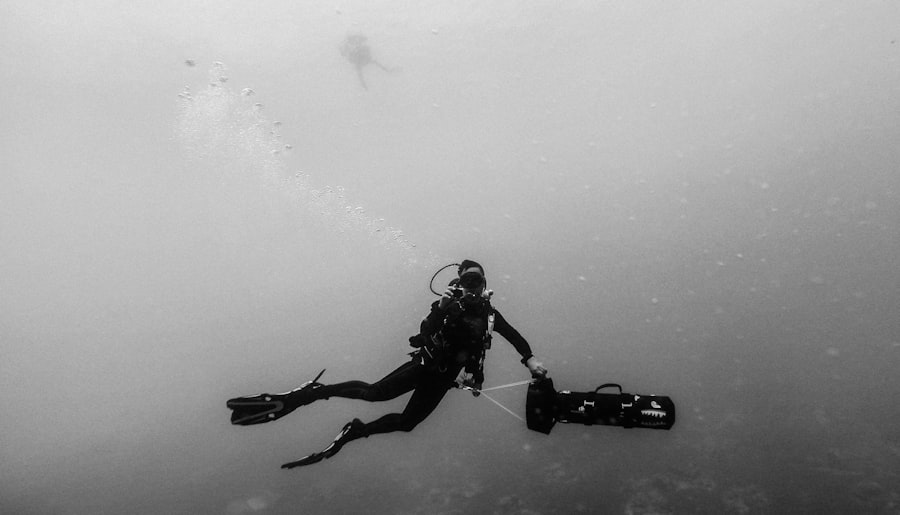
The success of US Navy saturation divers during the Cold War was inextricably linked to the development and deployment of specialized technologies. These tools were the diver’s lifeline, enabling them to perform complex tasks in environments that would otherwise be inaccessible.
The Saturation Diving System (SDS)
The heart of saturation diving is the Saturation Diving System (SDS). This complex apparatus typically consists of a series of interconnected hyperbaric chambers. These chambers simulate the underwater environment, allowing divers to live and sleep at pressure. The main chamber, often referred to as the “habitat” or “launch and recovery container” (LRC), is pressurized to the working depth. From this habitat, divers enter and exit the water.
The Umbilicals: A Lifeline to the Surface
Crucial to the SDS are the umbilicals, heavy-duty hoses that connect the divers to the surface support vessel or shore facility. These umbilicals serve multiple vital functions: supplying breathing gas, providing communication lines, delivering power for tools, and carrying hot water for thermal protection. The reliability of the umbilical was a matter of life and death.
The Diving Bell: The Deep-Sea Elevator
For deeper dives, diving bells were indispensable. These pressurized containers allowed divers to descend from the surface support vessel to the habitat or directly to the worksite. They also served as a mobile emergency shelter, providing a safe haven with a breathable atmosphere in case of unforeseen issues with the main habitat.
Advanced Diving Gear
The evolution of diving suits and equipment was essential to extending the reach and improving the efficiency of saturation divers. The standard brass diving helmet and heavy canvas suits of earlier eras gave way to more sophisticated, flexible, and thermally efficient gear.
Closed-Circuit and Semi-Closed-Circuit Rebreathers
While surface-supplied air was common, advancements in rebreather technology allowed for greater diver mobility. Closed-circuit systems recycle exhaled gas, producing more breathing gas and reducing the logistical demands of umbilicals. Semi-closed-circuit systems offered a balance between efficiency and safety.
Thermal Protection Systems
The ocean’s depths are often frigid, posing a severe threat of hypothermia. Divers were equipped with sophisticated thermal protection systems, including heated undergarments and hot-water suits, which were fed by the umbilical. Maintaining core body temperature was critical for performance and survival.
Underwater Tools and Instrumentation
The ability to perform intricate tasks underwater required a suite of specialized tools. This included hydraulic and pneumatic tools for cutting and welding, specialized manipulators for handling objects, and various surveying and inspection instruments. The development of these tools allowed divers to act as mobile underwater construction and repair crews, mirroring the capabilities of surface-based trades.
Missions Beneath the Waves: The Cold War’s Silent Front
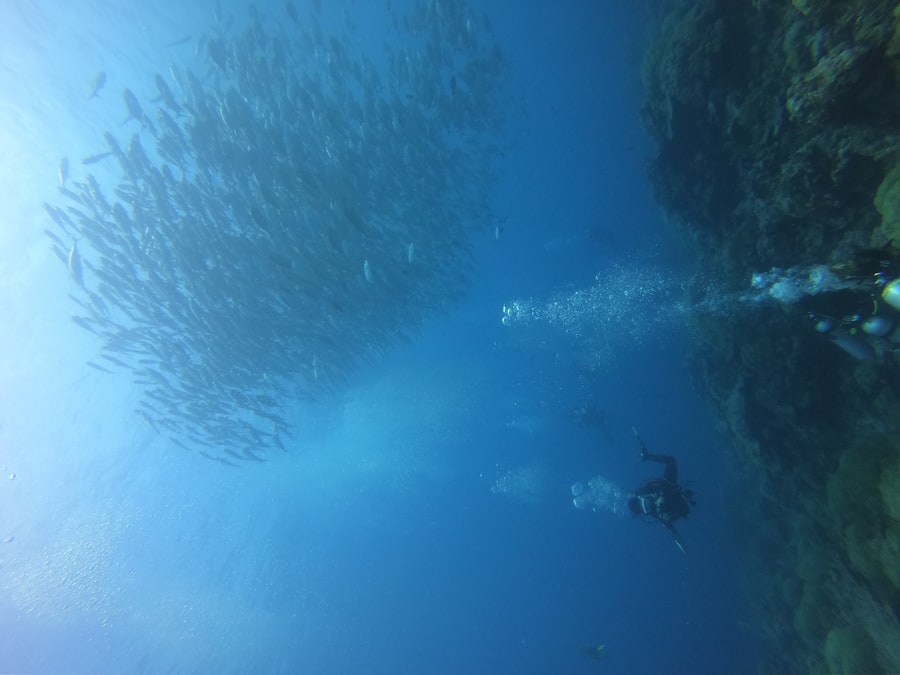
The US Navy’s saturation divers were not engaged in open combat, but their missions were integral to the strategic posture of the United States during the Cold War. They operated in the shadows, undertaking tasks that supported naval operations, reconnaissance, and intelligence gathering.
Submarine Rescue and Support
A primary role for saturation divers was submarine rescue. In the event of a disabled submarine, divers could be deployed to effect repairs, deliver supplies, or facilitate the evacuation of the crew. The ability to operate at depth and perform complex tasks on the hull of a submarine made saturation divers invaluable in these high-stakes scenarios.
Salvage Operations of Naval Vessels
The recovery of downed aircraft, sunken submarines, and damaged surface vessels was a critical aspect of naval operations. Saturation divers were instrumental in these salvage efforts, working for extended periods to secure and lift wreckage, often from significant depths and in challenging underwater conditions. These operations were vital for retrieving sensitive equipment and intelligence, as well as for clearing vital shipping lanes.
Underwater Construction and Maintenance
As the Navy’s underwater infrastructure grew, so did the need for skilled personnel to construct and maintain it. Saturation divers were employed in the installation and repair of sonar arrays, underwater communication cables, and offshore bases. This deep-sea construction capability provided strategic advantages, allowing for the deployment of advanced sensor networks and operational support facilities.
Reconnaissance and Intelligence Gathering
The Cold War was characterized by a constant struggle for information. Saturation divers played a role in clandestine reconnaissance missions, utilizing their ability to operate undetected to gather intelligence on Soviet naval activities, underwater installations, and sensitive seabed infrastructure. These missions were often shrouded in secrecy and required the utmost professionalism and discretion.
Port Security and Harbor Defense
Protecting naval bases and harbors from underwater threats was a constant concern. Saturation divers were involved in the inspection and maintenance of harbor defenses, including the placement and servicing of mines, the inspection of ship hulls for sabotage, and the monitoring of underwater approaches to vital facilities.
During the Cold War, the role of US Navy saturation divers became increasingly vital as they undertook complex underwater missions that were crucial for national security. Their training and operations not only showcased their technical skills but also highlighted the strategic importance of underwater capabilities in a time of heightened tensions. For a deeper understanding of the challenges and achievements faced by these divers, you can read more in this insightful article about their experiences and contributions during that era at this link.
The Psychological and Physiological Gauntlet
| Metric | Details |
|---|---|
| Time Period | 1950s – 1990 |
| Primary Role | Underwater repair, salvage, and reconnaissance |
| Diving Depth Capability | Up to 600 feet (approx. 183 meters) |
| Typical Saturation Duration | Up to 28 days in hyperbaric chambers |
| Breathing Gas Mixtures | Heliox and Hydreliox |
| Number of Divers per Mission | 4-6 divers per saturation team |
| Decompression Time | Several days depending on depth and duration |
| Primary Equipment | Saturation diving chambers, diving helmets, umbilicals |
| Notable Operations | Salvage of sunken submarines and ship hull repairs |
| Training Duration | 6-12 months specialized saturation diving training |
Operating at extreme depths is a profound assault on the human body and mind. US Navy saturation divers faced a unique set of physiological and psychological challenges that tested their limits. The environment itself was a relentless adversary.
The Constant Threat of Decompression Sickness (DCS)
Despite rigorous decompression protocols, the risk of decompression sickness remained a persistent threat. Even minor errors in ascent rates or exceeding theoretical limits could lead to debilitating, and potentially fatal, physiological consequences. The “bends” could manifest as joint pain, neurological deficits, or even paralysis.
Hypothermia and Thermal Stress
The extreme cold of the ocean’s depths posed a constant risk of hypothermia. While sophisticated thermal protection was employed, the prolonged immersion and the physical exertion of work could still lead to dangerous drops in core body temperature, impairing judgment and physical capability. The body’s struggle to maintain homeostasis was a silent, insidious battle.
Nitrogen Narcosis and Gas Toxicity (Oxygen Toxicity)
Breathing gas mixtures at high partial pressures can have adverse effects. Nitrogen narcosis, if breathing air at depth, leads to impaired judgment and coordination, resembling alcohol intoxication. While heliox mitigates this, oxygen toxicity, at elevated partial pressures, can cause convulsions and is a serious concern, requiring careful monitoring of oxygen levels.
Isolation and Confinement
The long durations spent in the pressurized environment of the saturation diving system, often far from family and familiar surroundings, took a significant psychological toll. The confinement, the lack of natural light, and the constant proximity to other divers could lead to friction, stress, and mental fatigue. Maintaining morale and effective communication within the habitat was as important as technical proficiency.
The Claustrophobic Embrace of the Deep
The physical constriction of the diving suits and the hyperbaric chambers could induce claustrophobia. Divers had to learn to manage this innate fear, to function effectively within these confined spaces without succumbing to panic. The mind had to be as disciplined as the body.
Long-Term Health Effects
While the immediate risks were well-documented, there were also concerns about the long-term health effects of repeated saturation dives and prolonged exposure to high-pressure environments. Research into these areas continued to evolve, and divers often faced residual effects from their demanding careers.
Legacy and Evolution: The Enduring Impact
The era of Cold War saturation diving by the US Navy laid the groundwork for current deep-sea operations and left an indelible mark on naval capabilities. The lessons learned and the technologies developed during this period continue to influence how we explore and utilize the underwater world.
Technological Advancements and Modern Applications
The technologies pioneered during the Cold War, from gas mixtures to decompression techniques and diving systems, have since been refined and advanced. Modern saturation diving systems are more sophisticated and safer, supporting a wider range of civilian and military applications, including offshore oil and gas exploration, scientific research, and underwater archaeology.
The Transition to Professional Diving
The rigorous training and operational demands placed upon Cold War Navy divers helped to professionalize the field of diving. Their experiences contributed to the development of standardized training programs, safety regulations, and ethical guidelines that govern diving operations today.
A Submarine Force Made Stronger
The U.S. Navy’s saturation diving capabilities were a critical, often unseen, component of its overall strength during the Cold War. They provided a crucial depth of capability, ensuring that the nation could project power and protect its interests in the increasingly important underwater domain.
The Unseen Guardians of the Deep
These divers were the unsung heroes of the Cold War, the silent sentinels who braved the crushing pressures and frigid darkness to perform missions vital to national security. Their dedication, courage, and the sacrifices they made in the pursuit of duty represent a significant chapter in maritime history. The legacy of US Navy saturation divers during the Cold War is one of quiet competence, unflinching bravery, and a profound contribution to the nation’s ability to operate and defend itself in the silent, unforgiving depths of the ocean.
WATCH NOW ▶️ SHOCKING: Why the Seafloor Went Silent
FAQs
What was the role of US Navy saturation divers during the Cold War?
US Navy saturation divers were specialized personnel trained to perform deep-sea diving operations for extended periods. During the Cold War, they conducted underwater repairs, salvage missions, and covert operations, often working on submarine hulls, underwater cables, and classified equipment.
How did saturation diving technology benefit the US Navy in the Cold War era?
Saturation diving technology allowed divers to live and work at great depths for prolonged periods without the need for repeated decompression. This capability enabled the Navy to carry out complex underwater tasks more efficiently and safely, which was crucial for maintaining naval superiority during the Cold War.
What kind of training did US Navy saturation divers undergo during the Cold War?
US Navy saturation divers underwent rigorous physical and technical training, including underwater navigation, use of specialized diving suits and breathing apparatus, emergency procedures, and decompression protocols. Training also emphasized teamwork and the ability to operate in high-pressure, confined environments.
Were US Navy saturation divers involved in any notable Cold War missions?
Yes, US Navy saturation divers participated in several significant Cold War missions, including the recovery of lost or damaged equipment, underwater surveillance, and the inspection and maintenance of submarine cables and sonar arrays. Some operations were classified due to their strategic importance.
What risks did US Navy saturation divers face during Cold War operations?
Saturation divers faced numerous risks such as decompression sickness, nitrogen narcosis, equipment failure, and the physical dangers of working at extreme depths. Additionally, the covert nature of some missions added operational risks, including potential encounters with hostile forces or underwater hazards.