The vast expanse of the ocean has long served as both a highway and a battlefield for naval powers. When conflict arises, the disposition of captured or destroyed enemy vessels becomes a critical aspect of maritime strategy and international law. The United States Navy, throughout its history, has developed and employed a variety of methods for dealing with enemy ships, ranging from scuttling and sinking to more complex forms of disposal and repurposing. These actions are not merely tactical decisions but are often intertwined with considerations of naval dominance, resource management, and the ethical implications of warfare.
The Strategic Imperative: Eliminating Naval Threats
The primary driver behind the disposal of enemy vessels is the immediate and long-term strategic imperative to neutralize any naval threat posed by a hostile force. In the heat of battle, disabling an enemy ship can prevent it from engaging friendly forces, supporting troop movements, or projecting power. Beyond the immediate engagement, the complete removal of an enemy vessel from the operational theater prevents its potential repair and re-entry into service, thereby diminishing the enemy’s overall naval capacity. This strategic calculus extends beyond individual engagements to encompass entire campaigns and wars, where the attrition of an enemy’s fleet can be a decisive factor in achieving victory.
Neutralizing Active Combatants
The most direct method of disposal involves engaging enemy vessels in combat and sinking them. This can occur through a variety of means, including direct gunfire, torpedo attacks, missile strikes, or aerial bombardment. The goal is to inflict critical damage that renders the vessel irrecoverable and submerged. During wartime, the sinking of enemy warships is a common and accepted practice, a direct consequence of hostile action. The effectiveness of these attacks is often measured by the speed and completeness with which the enemy vessel is removed from combat capability. Modern naval warfare, with its advanced weaponry, has made sinking enemy vessels a swift and often devastating process. The sheer destructive power of modern naval munitions ensures that even heavily armored warships can be rapidly incapacitated and sent to the seabed.
Preventing Recapture and Reuse
Beyond immediate destruction, preventing the enemy from recapturing or repairing damaged vessels is a significant concern. A vessel that is merely damaged but not sunk could be salvaged by enemy forces, repaired, and returned to service. This would negate the efforts of the attacking force and potentially introduce a renewed threat. Therefore, naval commanders often ensure that crippled enemy vessels are rendered beyond repair, either through sustained bombardment or by deliberately inflicting damage to critical systems that would be costly or impossible for the enemy to fix. The practice of “making sure” an enemy ship is truly out of commission is a crucial element of ensuring a lasting tactical advantage. This might involve targeting the engine room, command and control centers, or even deliberately causing it to capsize if it remains afloat.
Denying Strategic Assets
Enemy vessels can represent more than just warships. They can include vital logistics ships, troop transports, and specialized craft that support a nation’s military objectives. The disposal of these assets, while not always involving direct combat sinking, is equally important in crippling an enemy’s ability to wage war. For instance, a submarine tender that supports a fleet of submarines, or a logistics ship carrying essential supplies, represents a significant strategic asset. Its destruction or incapacitation can have far-reaching consequences for the enemy’s operational reach and sustainability. The US Navy has historically targeted such vessels to degrade an adversary’s logistical capabilities and limit their ability to sustain prolonged operations.
The disposal of captured enemy vessels by the U.S. Navy is a critical aspect of maritime strategy and national security. For a deeper understanding of this topic, you can explore the article titled “The U.S. Navy’s Approach to Captured Enemy Vessels” which discusses the various methods and policies involved in the disposal process. To read more, visit this article.
The Ethical and Legal Framework of Naval Warfare

While the battlefield is often characterized by destruction, the disposal of enemy vessels is not without its legal and ethical considerations. International law, particularly the Hague Conventions and the Geneva Conventions, provides a framework for the conduct of warfare, including the treatment of captured vessels and the prohibition of certain weapons. The US Navy operates within these legal parameters, even as it pursues its strategic objectives. The distinction between a combatant vessel and a civilian one, or a vessel that has surrendered, is paramount in determining the appropriate course of action.
The Concept of Prize Law and Capture
Historically, naval warfare involved the concept of “prize law.” When a merchant vessel or even a warship was captured by a naval force, it could be brought to a prize court for adjudication. If deemed a legitimate prize, it could be condemned and sold, with the proceeds often shared among the capturing crew. This practice, while less prevalent in its formal judicial sense in modern warfare, highlights the historical understanding of captured vessels as potential spoils of war. The US Navy has at times captured enemy vessels and either incorporated them into its own fleet (though less common in recent decades) or held them for intelligence purposes. However, the primary focus today is on their neutralization rather than their assimilation.
The Principle of Distinction and Non-Combatants
A fundamental principle of international humanitarian law is the principle of distinction, which requires parties to a conflict to distinguish between combatants and civilians, and between military objectives and civilian objects. This principle extends to vessels. While warships are legitimate military targets, civilian vessels, such as merchant ships or passenger liners, are generally protected unless they are being used for military purposes or are actively participating in hostilities. The US Navy is bound by this principle, and any action taken against a vessel must be justified as targeting a legitimate military objective. The destruction of a vessel must be proportional to the military advantage gained and must avoid unnecessary civilian harm.
Surrender and Its Implications
When an enemy vessel surrenders, its crew typically becomes prisoners of war, and the vessel itself is considered captured. International law dictates that surrendered vessels are not to be destroyed. Instead, they are to be treated as captured enemy property. The US Navy would secure the vessel, disarm it, and then make a determination about its future disposition, which could include internment, intelligence exploitation, or eventual repatriation or disposal as determined by higher authorities and in accordance with international agreements. The act of surrender fundamentally changes the legal status of a vessel from a legitimate target to captured property.
Methods of Disposal Beyond Sinking
While sinking is the most direct method, the US Navy employs other strategies for disposing of enemy vessels, particularly those that are disabled, obsolete, or no longer strategically valuable in their original form. These methods can serve various purposes, from intelligence gathering to environmental considerations.
Scuttling by the Enemy
In some instances, enemy forces may choose to scuttle their own vessels to prevent them from falling into enemy hands. This is a deliberate act of sinking by the crew, often initiated when defeat is imminent. The US Navy might observe such an event or even have to contend with the aftermath of a scuttled vessel, which can still pose navigational hazards. The scuttling of a ship is an act of desperation to deny the enemy a valuable asset. Famous examples include the German High Seas Fleet at Scapa Flow after World War I.
Deliberate Sinking as Training Exercises
Once an enemy vessel has been captured, deemed unsalvageable, or is no longer of use, it can serve a purpose in training exercises. These “sinkex” (sinking exercise) operations are invaluable for testing new weapons systems, practicing fleet tactics, and improving the proficiency of naval personnel. By using decommissioned or captured enemy vessels as targets, the Navy can simulate combat scenarios in a controlled environment, honing its warfighting capabilities without expending live ammunition on valuable training targets. These exercises are meticulously planned to ensure safety and minimize environmental impact.
Artificial Reef Creation and Environmental Considerations
In some cases, the hulls of sunken vessels can be intentionally positioned to create artificial reefs. These submerged structures can foster marine ecosystems, providing habitats for fish and other marine life. While not a primary method of disposal for enemy vessels in active conflict zones, it is a consideration for vessels that are no longer useful and are being decommissioned. The US Navy has participated in projects to create artificial reefs from retired naval vessels, which can contribute to marine conservation efforts and provide new fishing grounds. However, this is a process that requires careful environmental assessment and planning.
The Role of Intelligence and Salvage
The disposition of enemy vessels is also influenced by the potential for intelligence gathering and salvage operations. A captured vessel can be a treasure trove of information about the enemy’s technology, operational capabilities, and intentions.
Exploiting Captured Technology
When an enemy vessel is captured intact or with minimal damage, it can be subjected to rigorous intelligence exploitation. This involves dismantling the ship, analyzing its systems, and recovering any sensitive documents, equipment, or data. The knowledge gained from such operations can be invaluable in understanding the enemy’s strengths and weaknesses, informing future strategy, and developing countermeasures. This is particularly true for technologically advanced vessels or those equipped with unique or novel systems. The capture of a submarine, for example, offers immense intelligence potential.
Salvage Operations
In cases where a disabled enemy vessel is deemed strategically important for intelligence or has the potential for significant salvage value, the US Navy might undertake salvage operations. This can involve complex engineering feats to raise sunken vessels or tow damaged ones to port. These operations are often risky and resource-intensive but can yield significant returns in terms of intelligence or even the recovery of valuable materials. The decision to salvage is based on a careful cost-benefit analysis, weighing the intelligence or material gain against the resources and risks involved.
The U.S. Navy has a long-standing protocol for the disposal of captured enemy vessels, which often involves a careful assessment of the ship’s condition and potential intelligence value. This process is crucial not only for maintaining naval security but also for preventing the re-use of these vessels by adversaries. For a deeper understanding of the strategies and implications surrounding this practice, you can read more in this insightful article on naval operations at In the War Room.
Modern Naval Warfare and Future Considerations
| Year | Number of Captured Enemy Vessels | Disposal Method | Location of Disposal | Notes |
|---|---|---|---|---|
| 1942 | 15 | Scuttling | Pacific Ocean | Vessels deemed unfit for US Navy use were scuttled to prevent recapture. |
| 1943 | 22 | Commissioned into US Navy | Various US Naval Bases | Some vessels were repaired and commissioned for US Navy use. |
| 1944 | 10 | Scrapping | Naval Shipyards, USA | Older or damaged vessels were dismantled for parts and materials. |
| 1945 | 8 | Sinking as Target Practice | Atlantic Ocean | Used in live-fire exercises to test new weapons and tactics. |
| 1946 | 5 | Transfer to Allied Navies | Various Allied Ports | Some vessels were transferred to allied countries as part of post-war agreements. |
The methods and considerations surrounding the disposal of enemy vessels continue to evolve with advancements in naval technology and changes in international norms. The rise of unmanned systems and cyber warfare introduces new complexities to this domain.
The Impact of Unmanned Systems
The increasing use of unmanned underwater vehicles (UUVs) and unmanned surface vessels (USVs) in naval operations presents new possibilities for both offensive and defensive actions against enemy fleets. These systems can be used for reconnaissance, mine countermeasures, and potentially for direct engagement. The disposal of disabled or captured unmanned enemy platforms would likely involve similar principles of neutralization and intelligence exploitation, though the specific methods might differ due to their nature.
Cyber Warfare and Vessel Control
Cyber warfare has emerged as a potent tool in modern conflict. The ability to disrupt or disable an enemy vessel’s command and control systems through cyber means can render it inoperable without physical destruction. In such scenarios, the “disposal” might involve rendering the vessel technologically useless, a state from which recovery could be extremely difficult or impossible. This introduces a new dimension to naval warfare where the battlefield extends into the digital realm.
The Long-Term Impact of Sunken Vessels
The environmental impact of sunken vessels is a growing concern. While some may become artificial reefs, others can pose navigational hazards or release harmful pollutants over time. Future naval strategies will likely incorporate more comprehensive considerations for the long-term environmental consequences of sinking enemy vessels, potentially leading to more refined methods of controlled sinking or even alternative disposal solutions. The legacy of naval conflicts can persist on the seabed for centuries, necessitating responsible practices even in the context of war.
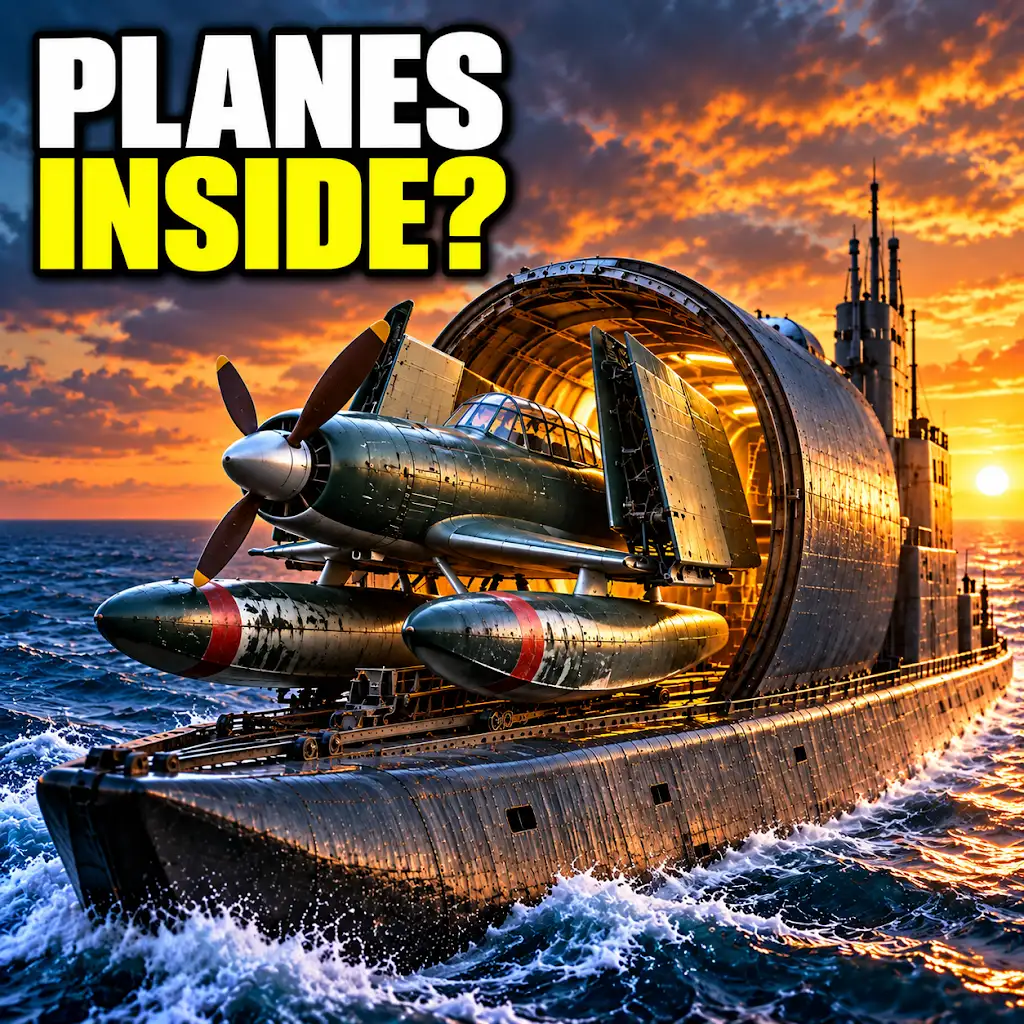
Japan Built a Submarine That Could Launch Three Planes
FAQs
What is the process for the US Navy to dispose of captured enemy vessels?
The US Navy follows strict protocols for the disposal of captured enemy vessels, which may include sinking, scrapping, or repurposing the vessels.
Why does the US Navy capture enemy vessels?
Capturing enemy vessels allows the US Navy to gather intelligence, prevent the vessels from being used against them, and potentially use the vessels for training or research purposes.
How does the US Navy ensure the safe disposal of captured enemy vessels?
The US Navy conducts thorough assessments of captured enemy vessels to identify any potential hazards, such as unexploded ordnance or hazardous materials, and takes appropriate measures to ensure safe disposal.
Are there any international laws or agreements that govern the disposal of captured enemy vessels?
Yes, there are international laws and agreements, such as the Hague Convention of 1907, that outline the rules for the capture and disposal of enemy vessels during times of war.
What are some examples of captured enemy vessels that the US Navy has disposed of in the past?
The US Navy has disposed of captured enemy vessels such as German U-boats during World War II and Iranian patrol boats in more recent conflicts.