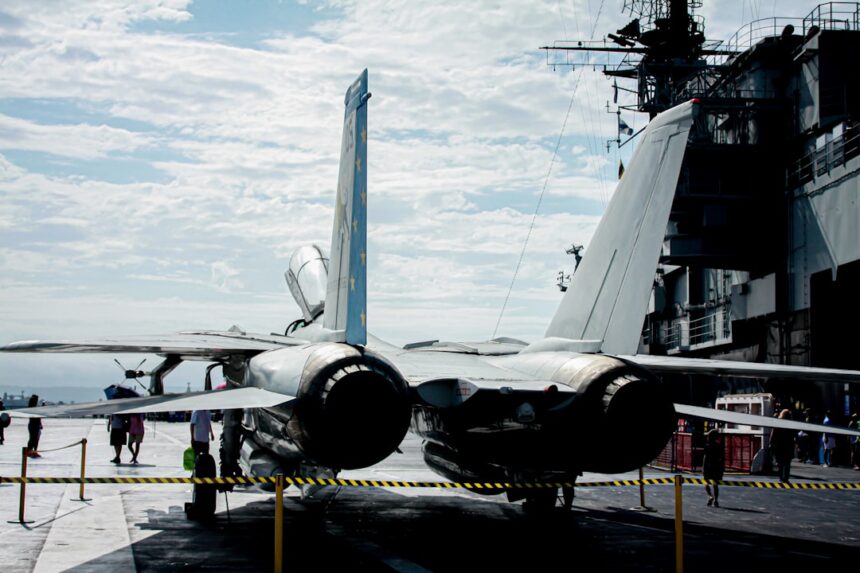
The United States Navy’s Carrier Strike Groups (CSGs) remain indispensable pillars of American power projection, capable of responding to crises and deterring adversaries across the globe. These complex formations, centered around a nuclear-powered aircraft carrier and its embarked air wing, are augmented by a formidable escort of cruisers, destroyers, submarines, and auxiliary vessels. Their ability to deliver a diverse range of air, surface, and subsurface combat power, along with humanitarian assistance and disaster relief capabilities, underscores their strategic significance. However, beneath the impressive façade of martial prowess, these vital assets are grappling with a constellation of persistent readiness challenges that warrant serious consideration and sustained attention.
The Foundation of Force: Manpower and Training Gaps
The human element is arguably the most critical, and often the most strained, component of any military force. For CSGs, this translates into a constant demand for highly skilled personnel across a vast spectrum of specialties, from flight deck crews and aircraft maintainers to sonar technicians and combat systems operators. The sheer complexity and technological sophistication of modern carrier aviation and its escort platforms necessitate a deep pool of experienced individuals, and a continuous pipeline of well-trained replacements.
The Constant Drain: Attrition and Recruitment Hurdles
The Navy, like many branches of the US military, faces ongoing challenges in both retaining experienced personnel and recruiting sufficient numbers of new sailors. Years of demanding operational tempos, coupled with the allure of higher-paying civilian opportunities and the pressures of frequent deployments, contribute to a steady attrition rate among seasoned professionals. This loss of institutional knowledge and hands-on expertise is particularly acute in the technical fields, where specialized skills take years to cultivate.
- Experienced Technicians: A Diminishing Resource: The departure of experienced avionics technicians, hull technicians, and ordnance handlers leaves a void that even robust training programs struggle to fill quickly. These individuals possess an intimate understanding of their systems, often gained through years of troubleshooting and hands-on maintenance, a depth of knowledge that new recruits simply haven’t had the opportunity to acquire.
- Recruitment Shortfalls: Competition and Specialization: The Navy’s recruitment efforts are not immune to broader societal trends. A declining propensity for military service among young people, coupled with intense competition from the private sector for individuals with STEM backgrounds, creates significant recruitment headwinds. Furthermore, the highly specialized nature of many naval roles means that recruits require extensive training, further extending the time it takes to achieve full operational readiness.
The Readiness Imperative: Training Cycles and Operational Tempo
Maintaining a high level of combat-readiness is a perpetual balancing act. The Navy aims to keep its CSGs at a predictable and sustainable operational tempo, allowing for adequate training, maintenance, and crew rest between deployments. However, geopolitical realities often dictate a more demanding schedule, leading to shortened training windows and increased strain on personnel.
- The Deployment Cycle’s Toll: Frequent and extended deployments are inherently taxing on both sailors and their families. The constant cycle of work-ups, deployments, and post-deployment stand-downs leaves little room for comprehensive, unhurried training. This can result in crews feeling rushed through critical skill-building exercises, potentially impacting their proficiency in complex tactical scenarios.
- The Evolving Threat: Adapting Training Regimens: The nature of modern warfare is continuously evolving, with adversaries developing new tactics, technologies, and domains of operation. This necessitates a corresponding adaptation of training regimens to ensure CSGs are prepared for current and future threats. However, the resources and time required to develop and implement these updated training programs can lag behind the pace of threat evolution.
- Cross-Training: A Necessary but Limited Solution: To mitigate some of the staffing challenges, the Navy has increasingly emphasized cross-training. While this can provide valuable flexibility and improve individual versatility, it does not entirely replace the deep specialization required for optimal performance on complex platforms. A sailor who can perform basic maintenance on multiple systems may not possess the nuanced understanding to diagnose and repair a highly intricate issue under pressure.
The readiness of the US Navy carrier strike groups is a critical aspect of maintaining maritime security and projecting power globally. For a deeper understanding of the current state of these strike groups and the challenges they face, you can read a related article that discusses recent developments and strategic implications at this link: In the War Room. This article provides valuable insights into the operational capabilities and readiness assessments of the Navy’s fleet.
The Backbone of Power: Materiel Readiness and Sustainment
Beyond the human element, the physical readiness of a CSG’s platforms and equipment is paramount. This involves ensuring that every ship, aircraft, and weapon system is not only operational but also maintained to the highest standards, ready to engage in combat when called upon. Materiel readiness is a complex interplay of procurement, maintenance, modernization, and supply chain efficiency.
The Aging Fleet: Sustaining Legacy Systems
Many of the platforms that form the core of current CSGs are aging. While these vessels and aircraft have proven their effectiveness over decades, their advanced age presents unique maintenance and sustainment challenges. The continued operation of these legacy systems requires a significant investment in spare parts, specialized repair capabilities, and skilled technicians.
- Dwindling Spares: The Obsolescence Factor: As systems age, the original manufacturers may cease production of critical components, leading to a scarcity of spare parts. This can drive up costs and necessitate the cannibalization of older equipment, further eroding the operational viability of certain platforms. The Navy expends considerable effort in managing obsolescence, but it remains a persistent challenge.
- Increased Maintenance Demands: Wear and Tear: Older platforms inherently experience more wear and tear. This translates into a higher frequency of maintenance interventions, demanding more time in maintenance availabilities and a greater reliance on the Navy’s maintenance infrastructure. The more time a ship or aircraft spends in maintenance, the less time it is available for operational missions.
- Modernization Dilemmas: Balancing Cost and Capability: Integrating new technologies onto aging platforms is often a complex and expensive undertaking. While modernization is crucial to maintaining a qualitative edge, it can also introduce new complexities into maintenance and training. The decision of when and how to modernize legacy systems is a perennial strategic consideration, with trade-offs between immediate cost, long-term capability, and operational disruption.
The Modern Arsenal: New Technologies, New Demands
While the Navy is investing in new, advanced platforms and technologies, these are not without their own readiness challenges. Cutting-edge systems often require specialized training, unique maintenance procedures, and a sophisticated supply chain to support them.
- Complex Systems Integration: The Interconnected Network: Modern warships and aircraft are highly networked and interconnected. While this enhances interoperability and information sharing, it also means that the failure of one component can have cascading effects across the entire system. Diagnosing and rectifying these complex interdependencies requires highly specialized technical expertise.
- Unique Training and Maintenance Requirements: New technologies often come with novel training pathways and maintenance protocols. Developing these can be time-consuming and resource-intensive. Ensuring that sufficient numbers of personnel are adequately trained on these new systems, and that the necessary maintenance infrastructure is in place, is a critical step in achieving operational readiness.
- Supply Chain Vulnerabilities: A Globalized Risk: The supply chains for advanced defense technologies are often globalized. This can create dependencies on foreign suppliers, making them vulnerable to geopolitical disruptions, trade disputes, or natural disasters. The Navy must ensure robust redundancy and alternative sourcing strategies to mitigate these risks.
The Long Shadow: Maintenance Backlogs and Shipyard Capacity
The health of the Navy’s maintenance facilities, particularly its public and private shipyards, is inextricably linked to the readiness of its CSGs. Delays and inefficiencies within these facilities can have a direct and significant impact on the availability of ships.
- Chronic Overload: The Strain on Shipyards: Naval shipyards, responsible for the upkeep of a significant portion of the fleet, frequently face backlogs and capacity constraints. This is due to a combination of factors, including aging infrastructure, workforce shortages, and the sheer volume of maintenance tasks required.
- Workforce Shortages: The Skilled Trades Gap: Similar to the broader military, naval shipyards grapple with shortages of skilled tradespeople, including welders, pipefitters, and electricians. The demand for these skills is high in both the public and private sectors, making recruitment and retention a formidable challenge.
- Aging Infrastructure and Equipment: The infrastructure within many naval shipyards is decades old, requiring substantial investment for modernization and upgrade. Outdated equipment and facilities can contribute to delays and inefficiencies, further exacerbating maintenance backlogs.
The Cost of Power: Budgetary Pressures and Resource Allocation
The operationalization and sustainment of a CSG are extraordinarily expensive endeavors. The fiscal realities of defense spending, coupled with competing priorities, often place significant budgetary pressures on the Navy, impacting its ability to fully fund all aspects of readiness.
The Tightrope Walk: Balancing Operational Needs and Fiscal Constraints
The Navy must constantly navigate the delicate balance between its strategic obligations and the resources allocated by Congress. This often results in difficult decisions regarding the procurement of new platforms, the modernization of existing ones, and the funding of essential maintenance and training programs.
- The “Hollow Force” Concern: Underfunding Readiness Over Procurement: There is a perennial concern that a focus on acquiring new, cutting-edge platforms can sometimes come at the expense of adequately funding the readiness, training, and maintenance of the existing force. This can lead to a situation where the Navy possesses impressive new hardware but struggles to keep its current assets fully operational and its crews thoroughly trained.
- The Impact of Sequestration and Budget Uncertainty: Periods of budget uncertainty, such as those associated with sequestration or prolonged continuing resolutions, can disrupt long-term planning and investment in readiness. These unforeseen fiscal fluctuations can force the Navy to make difficult trade-offs, potentially deferring critical maintenance or training activities.
- The Sustained Cost of Carrier Operations: The operation and sustainment of a nuclear-powered aircraft carrier are exceptionally costly. This includes the costs associated with maintaining the carrier itself, its embarked air wing, and its escort ships. Budgetary constraints can mean that difficult choices must be made regarding the frequency of deployments, the scope of training exercises, or the pace of modernization.
The Unseen Expanse: The Long-Term Cost of Modernization
While modernization is crucial for maintaining a technological advantage, the costs associated with it extend far beyond the initial procurement of new systems. The long-term sustainment, training, and integration of these advanced capabilities represent a significant and ongoing budgetary commitment.
- The Lifecycle Cost of Advanced Platforms: New, technologically advanced platforms often come with higher lifecycle costs. This includes the cost of specialized spare parts, ongoing software updates, and the need for highly trained maintenance personnel. The initial investment is only one part of the equation; the sustained cost of keeping these systems ready and operational is substantial.
- The Need for Dedicated Funding Streams: Ensuring that modernization efforts do not cannibalize essential readiness programs requires dedicated and consistent funding streams. Without this, there is a risk that the pursuit of future capability will undermine the effectiveness of the current force.
- The Role of Innovation: Finding Cost-Effective Solutions: The Navy is actively exploring innovative approaches to reduce the cost of readiness and sustainment. This includes leveraging advanced analytics, predictive maintenance, and new manufacturing techniques. However, the widespread adoption and impact of these innovations take time and consistent investment.
The Ghost in the Machine: Cybersecurity and Information Warfare
In the modern battlespace, readiness extends beyond the physical deployment of assets and the training of personnel. The digital domain, and the constant threat of cyberattacks and information warfare, represent a critical and evolving dimension of readiness for CSGs.
The Invisible Battlefield: Protecting Networked Systems
Modern naval platforms are intricately connected through sophisticated networks. These networks are essential for command and control, intelligence sharing, and situational awareness. However, they also represent a significant vulnerability to cyber threats.
- The Pervasive Threat of Cyberattacks: The US Navy is a prime target for state-sponsored and non-state actor cyberattacks. These attacks can range from attempts to disrupt operations and steal sensitive information to more insidious efforts to compromise critical systems and sow confusion.
- The Complexity of Network Security: Securing these complex, interconnected networks requires a multi-layered approach, encompassing robust firewalls, intrusion detection systems, continuous monitoring, and highly trained cybersecurity professionals. The rapid evolution of cyber threats necessitates constant vigilance and adaptation.
- The Consequences of Compromise: A successful cyberattack on a CSG could have devastating consequences, ranging from the loss of operational capability to the compromise of sensitive intelligence and potentially even loss of life. Ensuring the resilience of these digital systems is therefore a critical aspect of overall readiness.
The Art of Deception: Information Warfare and Counter-Influence
Beyond direct cyberattacks, CSGs must also contend with the growing sophistication of information warfare and influence operations. These efforts aim to mislead, deceive, and erode the confidence of adversaries and allies alike.
- The Weaponization of Disinformation: Adversaries can employ disinformation campaigns to sow discord, spread false narratives about naval operations, or undermine public trust in military capabilities. This requires the Navy to not only defend its networks but also actively counter such campaigns.
- The Importance of Information Assurance: Ensuring the integrity and authenticity of information transmitted within a CSG is paramount. This means implementing measures to prevent the insertion of false data or the alteration of critical intelligence reports.
- The Psychological Dimension of Warfare: Readiness in the information age also encompasses the psychological resilience of crews and the ability to operate effectively in an environment where perceptions can be manipulated. This requires training in understanding and countering influence operations.
The readiness of the US Navy carrier strike groups is crucial for maintaining maritime security and responding to global threats. A recent article highlights the ongoing efforts to enhance operational capabilities and ensure that these formidable naval assets are always prepared for deployment. For more insights on this topic, you can read the full article here. This continuous focus on readiness not only strengthens national defense but also reassures allies and deters potential adversaries.
Looking Ahead: The Persistent Imperative of Adaptability
The challenges facing US Navy Carrier Strike Groups are not static; they are dynamic and evolving in concert with geopolitical shifts, technological advancements, and the changing nature of conflict. Addressing these issues requires a sustained and adaptable approach, characterized by foresight, investment, and a willingness to embrace change.
The Strategic Imperative: Continuous Investment and Prioritization
The long-term readiness of CSGs is dependent on a consistent and strategic investment in their personnel, materiel, and technological modernization. This requires a clear understanding of future threats and the allocation of resources accordingly.
- Sustained Funding for Readiness: The Navy needs consistent and predictable funding to address personnel shortages, maintain aging platforms, and invest in critical training programs. This requires a bipartisan commitment to defense readiness.
- Modernization with a Readiness Focus: While acquiring new capabilities is essential, modernization efforts must be carefully integrated with the maintenance of existing forces. The goal should be to enhance overall readiness, not to diminish it through a single-minded pursuit of the newest technology.
- The Importance of Innovation and Efficiency: The Navy must continue to explore and implement innovative approaches to readiness and sustainment, seeking out efficiencies and cost-effective solutions without compromising operational effectiveness.
The Human Factor: Rebuilding and Retaining Expertise
The resurgence of a strong and experienced naval workforce is fundamental to addressing many of the readiness challenges. This involves not only recruitment but also a comprehensive effort to retain valuable talent.
- Investing in Training and Skill Development: Robust and forward-looking training programs are essential to equip sailors with the skills necessary to operate and maintain the complex systems of modern CSGs, and to adapt to evolving threats.
- Improving Quality of Life and Retention Incentives: Addressing the factors that contribute to attrition, such as demanding operational tempos and the impact on families, through improved quality of life initiatives and effective retention incentives, is crucial.
- Fostering a Culture of Continuous Learning: Encouraging a culture of continuous learning and professional development within the ranks will ensure that sailors remain at the forefront of naval technology and tactics.
The Technological Horizon: Embracing New Realities
The rapid pace of technological change demands that the Navy remain agile and adaptable, embracing new technologies while rigorously assessing their readiness implications.
- Integrating Cyber and Information Warfare into Core Readiness: Cybersecurity and information warfare capabilities must be fully integrated into all aspects of CSG readiness, treated with the same criticality as traditional combat capabilities.
- Leveraging Artificial Intelligence and Machine Learning: The Navy should continue to explore the potential of AI and ML to enhance predictive maintenance, optimize operational planning, and improve threat detection, thereby boosting readiness and efficiency.
- Developing Resilient and Adaptable Systems: Future platforms and systems must be designed with resilience and adaptability in mind, capable of withstanding diverse threats and evolving requirements with minimal disruption to operational readiness.
In conclusion, while the United States Navy’s Carrier Strike Groups represent a formidable instrument of national power, they operate within a complex ecosystem of readiness challenges. From the fundamental need for experienced personnel and well-maintained materiel to the pervasive threats of cyber warfare and the ever-present constraints of budgetary realities, these issues demand continuous attention and proactive solutions. Navigating the horizon of future challenges will require sustained strategic foresight, unwavering commitment to investment, and an institutional agility that embraces adaptation in the face of an ever-changing global landscape. The operational effectiveness of these vital formations hinges on the Navy’s ability to consistently and proactively address these enduring readiness hurdles.
FAQs
What is a US Navy carrier strike group?
A US Navy carrier strike group is a powerful naval force consisting of an aircraft carrier, a guided-missile cruiser, and two or more guided-missile destroyers. It also includes other support and supply ships.
What is the purpose of a carrier strike group?
The primary purpose of a carrier strike group is to project power and provide a rapid response capability in combat situations. It serves as a flexible and mobile force that can be deployed to various regions around the world.
How is the readiness of a carrier strike group assessed?
The readiness of a carrier strike group is assessed through a variety of factors, including the operational status of the aircraft carrier and its aircraft, the combat readiness of the accompanying ships, the proficiency of the personnel, and the availability of necessary supplies and equipment.
What factors can affect the readiness of a carrier strike group?
Factors that can affect the readiness of a carrier strike group include maintenance and repair schedules, training and proficiency of personnel, availability of resources and supplies, and geopolitical considerations that may impact deployment timelines.
Why is the readiness of a carrier strike group important?
The readiness of a carrier strike group is crucial for maintaining a strong and credible military presence, deterring potential adversaries, and being prepared to respond to various security threats and contingencies around the world. It also contributes to overall national defense and security strategy.