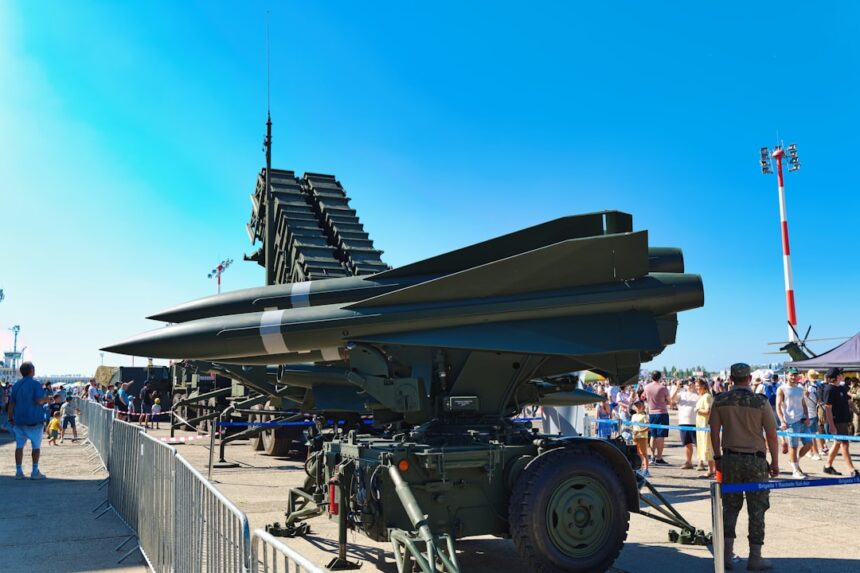
The United States is currently confronting a significant and increasingly concerning shortage in its precision-guided munitions (PGM) inventory. This shortfall, which has been developing for some time and has been exacerbated by recent global conflicts, poses a substantial challenge to the Pentagon’s ability to project power, deter adversaries, and respond effectively to a wide range of potential military contingencies. The ramifications of this depletion extend beyond the battlefield, impacting alliance commitments, defense industrial base capacity, and long-term strategic planning. Understanding the multifaceted nature of this crisis requires an examination of its root causes, its present manifestations, its potential consequences, and the strategies being pursued to mitigate its impact.
The current precision missile inventory shortage is not a sudden crisis but rather a slow-burn issue that has been building for decades, fueled by a confluence of factors including sustained operational tempo and evolving strategic doctrines. The post-Cold War era saw the U.S. military engaged in a series of prolonged conflicts, particularly in the Middle East, which placed an unprecedented demand on PGM stockpiles.
The Legacy of Persistent Warfare
The campaigns in Iraq and Afghanistan, while ultimately achieving their immediate objectives, were characterized by their protracted nature and high-intensity operations. These conflicts necessitated the extensive use of precision-guided munitions to minimize civilian casualties and achieve strategic aims with surgical strikes. The sheer volume of ordnance expended during these years, measured in hundreds of thousands of missiles and bombs, gradually eroded pre-existing inventory levels that had been built up during the Cold War.
The “Smart Bomb” Revolution and its Demands
The advent and widespread adoption of “smart bombs” and precision-guided missiles revolutionized modern warfare, offering unparalleled accuracy and effectiveness. However, this technological leap also came with a commensurate increase in operational tempo and expenditure. The ease with which these weapons could be employed to achieve desired effects, coupled with the perceived low risk to friendly forces, incentivized their frequent use in scenarios where less precise munitions might have previously sufficed.
The “Decade of War” and its Inventory Strain
The period following the 9/11 attacks, often referred to as the “decade of war,” saw a sustained demand for PGMs that outstripped traditional replenishment rates. While manufacturing facilities worked to produce more munitions, the rate of consumption often outpaced production, leading to a gradual but steady depletion of strategic reserves.
The Cost of Peace Dividends and Shifting Defense Budgets
Following the end of the Cold War, a period of perceived global stability led to what is often termed the “peace dividend.” Defense budgets experienced significant reductions, and the focus shifted from large-scale conventional warfare to counter-insurgency and smaller-scale interventions. This budgetary environment did not prioritize the aggressive replenishment of high-end warfighting capabilities, including PGM stockpiles.
Post-Cold War Drawdowns
The drawdown of military forces and the dismantling of certain industrial capacities in the post-Cold War era contributed to a reduced ability to surge production of complex munitions. Investments in advanced PGM manufacturing were scaled back, and the focus shifted to maintaining existing capabilities rather than expanding them for potential future large-scale conflicts.
The Rise of “Leaner” Military Operations
The emphasis on “leaner” military operations and a perception that large-scale conventional warfare was a relic of the past led to a de-prioritization of maintaining extensive stockpiles of advanced munitions. The strategic thinking often revolved around the idea that any future conflict could be resolved with limited, targeted strikes, underestimating the potential for sustained, high-intensity engagements.
The ongoing discussions surrounding the U.S. precision missile inventory shortage have been highlighted in various analyses, including a recent article that delves into the implications of this deficit on national security and military readiness. For a comprehensive overview of the challenges and potential solutions related to this issue, you can read more in the article available at In the War Room.
The Catalyst for Crisis: The Ukraine Conflict and its Global Echoes
While the underlying issues of PGM depletion were present for years, the Russian invasion of Ukraine in February 2022 acted as a significant catalyst, dramatically accelerating the awareness and severity of the inventory shortage. The scale and intensity of the conflict, coupled with the extensive use of PGMs by both sides, has placed an enormous strain on global supply chains and the U.S. industrial base.
Unprecedented Consumption in a Modern War
The war in Ukraine has been characterized by a level of conventional combat not seen in Europe since World War II. Both Russia and Ukraine have heavily relied on a wide array of munitions, including precision-guided missiles, artillery shells, and drones. The U.S. has also been a major supplier of advanced weaponry to Ukraine, including significant quantities of PGMs.
The “Iron Pentagon” and its Demand
The U.S. has supplied Ukraine with a substantial amount of its most advanced weaponry, including HIMARS rocket systems and the missiles they employ. This has been critical for Ukraine’s ability to strike Russian logistics and command centers. However, the continuous flow of these munitions has had a direct impact on U.S. domestic stockpiles.
The Replenishment Challenge
The challenge lies not only in the initial provision of weapons but also in the ongoing replenishment of these systems. The production rates for many advanced PGMs are measured in weeks or months per unit, meaning that supplying an ongoing conflict at the scale of Ukraine requires a sustained and significant increase in manufacturing capacity.
Global Implications and Alliance Commitments
The Ukraine conflict has underscored the interconnectedness of global security. The U.S. commitment to supporting Ukraine has strained its own resources, while also impacting its ability to meet its obligations to other allies who may face their own security threats. The perception of a diminished U.S. PGM stockpile could embolden potential adversaries.
Strain on NATO Readiness
NATO allies, many of whom do not possess the same level of PGM capabilities as the U.S., are increasingly reliant on U.S. military support. A depletion of U.S. stockpiles could undermine the collective defense posture of the alliance and leave allies vulnerable.
The “Allies First” Dilemma
The U.S. faces a difficult dilemma: prioritize supporting a key ally in a critical conflict or ensure its own readiness for potential future conflicts. This balancing act is further complicated by the fact that many allies also maintain their own PGM stockpiles, which are also being drawn down to support Ukraine.
The Manifestations of the Shortage: Across Different Missile Categories

The precision missile inventory shortage is not a monolithic problem but rather a multifaceted issue that affects various categories of munitions, each with its own unique production complexities and strategic importance.
Air-to-Ground Munitions: The Workhorses of Modern Airpower
Air-to-ground precision-guided munitions, such as the Joint Direct Attack Munition (JDAM) and various air-launched missiles, have been the backbone of U.S. airpower for decades. Their widespread use in recent conflicts has led to significant depletion.
JDAM Depletion and Production Bottlenecks
The JDAM, a simple and cost-effective guidance kit that converts unguided bombs into precision-guided munitions, has been used in enormous quantities. While production lines exist, the demand has outstripped the capacity to produce the kits and the bombs they are attached to at a pace that fully replenishes stockpiles.
Air-Launched Missiles: GBU-39 SDB and Beyond
The Small Diameter Bomb (SDB), such as the GBU-39, and other air-launched missiles like the AIM-120 AMRAAM (for air-to-air combat, but often deployed in ground attack roles by some platforms) and Hellfire missiles, are also facing significant inventory challenges. These more specialized munitions often have longer production lead times and more complex manufacturing processes.
Tactical Missiles: The Mobile Firepower Advantage
Tactical missiles, designed for mobile deployment and rapid engagement, have proven invaluable in modern warfare. The demand for these systems, particularly in light of the Ukraine conflict, has been exceptionally high.
HIMARS and its Insatiable Appetite
The High Mobility Artillery Rocket System (HIMARS) has been a game-changer in Ukraine, providing precision strike capabilities at extended ranges. However, the missiles it employs, such as the GMLRS (Guided Multiple Launch Rocket System), are being consumed at an alarming rate, far exceeding current production capacity for replenishment.
Other Tactical Systems: ATACMS and their Strategic Implications
The Army Tactical Missile System (ATACMS), a longer-range ballistic missile, is another area of concern. While the U.S. has a limited number of these highly effective weapons, their expenditure in support of Ukraine raises questions about long-term availability for other potential contingencies.
Air Defense and Strategic Missile Systems: A Growing Concern
Beyond offensive capabilities, the U.S. also faces potential shortages in critical air defense and strategic missile systems, which are vital for national security and force protection.
Patriot Missiles and Air Defense Gaps
The Patriot missile defense system, a cornerstone of U.S. and allied air defense, relies on a finite number of interceptor missiles. The increased demand for air defense systems globally, particularly in regions facing missile threats, is placing a strain on Patriot missile production and stockpiles.
Strategic Deterrence: Ensuring Long-Term Readiness
While not strictly PGMs in the same sense as tactical munitions, the readiness and replenishment of strategic missile systems, such as those in the nuclear triad, are also subject to manufacturing capacities and the overall health of the defense industrial base. Any disruption to these complex manufacturing processes could have profound strategic implications.
The Impact of the Shortage: Strategic Vulnerabilities and Economic Ramifications

The precision missile inventory shortage has far-reaching implications, impacting the U.S.’s strategic posture, its ability to respond to global crises, and the health of its defense industrial base.
Diminished Strategic Reach and Deterrence Credibility
A significant depletion of PGM stockpiles could fundamentally alter the U.S.’s ability to project power and deter potential adversaries. If the U.S. cannot reliably project precision strike capabilities, its strategic leverage diminishes.
The “War of Attrition” Scenario
In a prolonged, high-intensity conflict, a PGM shortage could force the U.S. to revert to less precise munitions, increasing the risk of civilian casualties and collateral damage, and potentially prolonging conflicts. This would also put U.S. forces at greater risk.
Signaling to Adversaries
Potential adversaries may interpret a visible PGM shortage as a sign of U.S. military weakness or a reduced capacity for sustained engagement, potentially emboldening them to pursue aggressive actions. This could undermine the credibility of U.S. deterrence.
Strain on Alliance Commitments and Global Stability
The U.S. is the security guarantor for many nations around the world. A PGM shortage could hinder its ability to fulfill these commitments, potentially leading to regional instability and a reshaping of global alliances.
The “Security Vacuum”
If the U.S. is unable to provide the necessary munitions to allies facing threats, it could create a security vacuum, prompting those nations to seek alternative security arrangements or to develop their own independent, potentially destabilizing, military capabilities.
The “Arms Race” Consequence
The perception of a U.S. weakness in PGM capabilities could also trigger a new arms race, as nations seek to bolster their own offensive and defensive missile capabilities, leading to increased global tensions and the risk of conflict.
The Defense Industrial Base: A Bottleneck for Readiness
The current PGM shortage highlights critical weaknesses within the U.S. defense industrial base, which has struggled to keep pace with demand. This necessitates a significant re-evaluation of industrial capacity and investment.
Aging Infrastructure and Workforce Challenges
Many defense manufacturing facilities are aging, and the industry faces a critical shortage of skilled labor. This makes it challenging to rapidly scale up production of complex munitions.
Supply Chain Vulnerabilities
The globalized nature of supply chains means that disruptions in one part of the world can have cascading effects on U.S. defense production. This has been particularly evident in the sourcing of critical components and raw materials.
The Dilemma of Long-Term Investment
Defense contractors often require significant, long-term contracts to justify investments in new production lines and equipment. The uncertainty surrounding future defense budgets and operational tempo can make these investments risky.
The ongoing discussions about the United States’ precision missile inventory shortage have raised concerns among military analysts and policymakers alike. This situation has been highlighted in various reports, emphasizing the need for a strategic reassessment of defense capabilities. For further insights into this pressing issue, you can read a related article that delves into the implications of the current inventory challenges and potential solutions by visiting this link.
Addressing the Shortfall: Strategies for Replenishment and Industrial Revitalization
| Missile Type | Inventory Shortage |
|---|---|
| AGM-114 Hellfire | 3000 |
| AGM-158 JASSM | 1000 |
| AGM-88 HARM | 500 |
The U.S. government and defense industry are actively pursuing strategies to address the precision missile inventory shortage. These efforts encompass increasing production, incentivizing industry, and recalibrating strategic planning.
Boosting Production: A Multi-Pronged Approach
The most immediate concern is to increase the production of critical munitions. This involves a combination of existing capacity utilization and the expansion of manufacturing capabilities.
Surge Production and Existing Capacity
The Pentagon is working with defense manufacturers to maximize the output of existing production lines for key PGMs. This includes offering incentives and streamlined contracting processes to encourage faster delivery.
Investing in New Facilities and Technologies
Long-term solutions involve significant investment in new manufacturing facilities and the adoption of advanced manufacturing technologies, such as additive manufacturing (3D printing), to speed up production and reduce costs.
Re-establishing Domestic Manufacturing
There is a growing emphasis on re-establishing domestic manufacturing capabilities for critical components and raw materials that have been outsourced overseas, reducing reliance on foreign supply chains.
Industrial Base Revitalization: Securing Future Readiness
Beyond immediate production increases, a comprehensive strategy is needed to revitalize the defense industrial base to ensure long-term readiness and responsiveness.
Long-Term Contracts and Predictable Demand
The government is exploring the use of longer-term contracts and more predictable demand signals to provide defense contractors with the certainty needed to invest in new capacity and workforce development.
Workforce Development and Training Programs
Initiatives are underway to attract, train, and retain a skilled workforce in critical defense manufacturing sectors. This includes partnerships with educational institutions and vocational training programs.
Public-Private Partnerships
Enhanced collaboration between government agencies and private defense companies is crucial. This can involve joint investment in research and development, shared risk in new production ventures, and the development of flexible manufacturing capabilities.
Strategic Recalibration: Reassessing Inventory Needs and Global Posture
The PGM shortage necessitates a fundamental reassessment of U.S. defense strategy, including inventory requirements, global force posture, and deterrence strategies.
Modernizing Warfighting Doctrine
The military is re-examining its warfighting doctrines to ensure they align with the realities of modern conflict and the need for sustained, high-precision operations.
Stockpile Management and Strategic Reserves
A more robust approach to stockpile management and the establishment of adequate strategic reserves for various types of munitions are being considered to ensure readiness for a range of contingencies.
Diplomatic Engagement and Burden Sharing
While increasing U.S. production is critical, diplomatic engagement with allies to encourage their own PGM production and to share the burden of global security is also essential. This can include technology transfer and joint production initiatives.
The precision missile inventory shortage is a stark reminder that sustained military readiness is not a static state but a dynamic process that requires continuous investment, adaptation, and strategic foresight. The challenges are significant, but with concerted effort and a clear understanding of the stakes involved, the United States can work to replenish its depleted stockpiles and ensure its ability to defend its interests and allies in an increasingly complex global landscape.

What Happens If China Moves Before America Rearms?
FAQs
What is the current status of the US precision missile inventory?
The US is facing a shortage of precision missiles, particularly in the Army and Marine Corps. This shortage has been attributed to increased demand and production delays.
What are precision missiles used for?
Precision missiles are used for accurate and targeted strikes against enemy forces, infrastructure, and assets. They are crucial for minimizing collateral damage and achieving military objectives with precision.
What factors have contributed to the shortage of precision missiles in the US?
Increased demand for precision missiles due to ongoing military operations, production delays, and the need to modernize the military’s inventory have all contributed to the shortage of precision missiles in the US.
How is the US government addressing the precision missile inventory shortage?
The US government has allocated additional funding to increase production capacity and accelerate the delivery of precision missiles. Efforts are also being made to streamline the procurement process and work with industry partners to address production delays.
What are the potential implications of the US precision missile inventory shortage?
The shortage of precision missiles could impact the military’s ability to effectively carry out operations and maintain a strategic advantage. It may also lead to increased pressure on existing missile inventory and the need for alternative strategies to achieve military objectives.