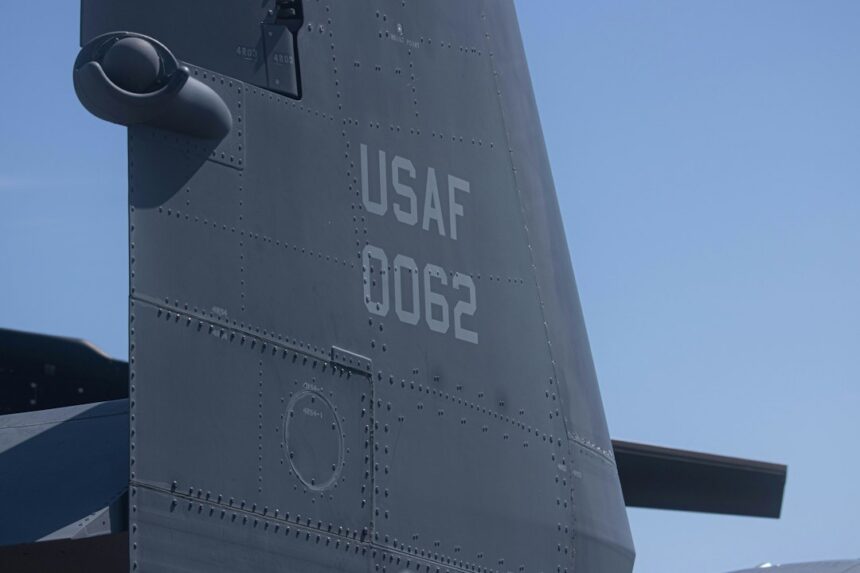
The Genesis of Accelerated Lift: Understanding Rocket-Assisted Takeoff for the C-130
The C-130 Hercules, a stalwart of tactical airlift for decades, is renowned for its versatility and ability to operate from austere environments. However, the inherent limitations of unassisted takeoff from short, rough, or high-altitude airfields have always presented challenges. Enter the concept of Rocket-Assisted Takeoff (RATO), a technology that has historically offered a significant boost to aircraft performance, particularly for heavy lifters like the C-130. This article will delve into the historical context and technical principles behind RATO, specifically as applied to the C-130, to understand how this capability significantly enhances its tactical airlift operations.
Historical Precedents and the Evolution of RATO
The concept of augmenting aircraft propulsion with rockets is not new. Its origins can be traced back to the early days of aviation, driven by the fundamental need to overcome gravitational forces and achieve flight. As aircraft grew heavier and more complex, particularly in the pre-jet age, the limitations of engine power became apparent. RATO emerged as a practical solution to reduce takeoff roll and increase takeoff weight.
Early Applications and World War II Innovations
During World War II, RATO saw significant development and deployment, primarily driven by military necessity. Aircraft needed to launch from shorter decks on aircraft carriers or from forward operating bases with limited runway infrastructure. The US Navy, in particular, pioneered the use of RATO for carrier operations, enabling heavier aircraft to take to the skies. For example, the Grumman TBF Avenger torpedo bomber and the Vought F4U Corsair fighter-bomber were equipped with RATO capabilities to assist with their takeoff from carriers. These early systems typically involved solid-fuel rockets mounted externally on the aircraft, providing a powerful thrust for a short duration. The rockets were jettisoned after burnout, minimizing added weight for the remainder of the flight.
The C-130 and the Need for Enhanced Takeoff Performance
The C-130 Hercules, first flown in 1954, was designed from the outset to be a rugged, versatile cargo aircraft capable of operating from unimproved landing strips. While its design emphasized short takeoff and landing (STOL) capabilities through features like large wing area and powerful turboprop engines, there were still scenarios where even these capabilities were insufficient. These scenarios often involved operating at high altitudes, in hot weather conditions (which reduce engine performance), or when carrying maximum or overloaded payloads. In such demanding situations, the C-130’s ability to accelerate and lift off safely could be severely compromised without external assistance.
The Mechanics of Rocket-Assisted Takeoff for the C-130
The implementation of RATO on the C-130 involved a sophisticated integration of rocket engines with the aircraft’s existing airframe and propulsion systems. The core principle was to provide a temporary, but substantial, increase in thrust during the critical takeoff phase.
Design and Integration of Rocket Pods
For the C-130, RATO systems typically consisted of clusters of solid-fuel rocket motors housed in cylindrical pods. These pods were mounted on the wingtips or under the wings of the aircraft, strategically positioned to provide balanced thrust. The number of rockets and their configuration varied depending on the specific mission requirements and the desired performance enhancement. Each rocket motor contained a propellant charge that, when ignited, produced a significant amount of thrust. The ignition process was carefully controlled and initiated by the flight crew at the appropriate moment during the takeoff roll.
The rockets were designed to burn for a specific duration, usually a matter of seconds, providing a powerful surge of acceleration that helped the C-130 overcome its inertia and the aerodynamic drag more rapidly. Once depleted, the empty rocket pods were designed to be jettisoned, falling away from the aircraft under parachute or simply by gravity, thus minimizing any lingering weight penalty for the subsequent flight. This jettisoning mechanism was a crucial safety feature, ensuring that the aircraft did not carry unnecessary dead weight once the rockets had served their purpose.
Thrust Augmentation and Aerodynamic Considerations
The primary function of RATO on the C-130 was to augment the thrust generated by its four turboprop engines. During a standard takeoff, the C-130’s engines provide the necessary power to accelerate the aircraft along the runway until it reaches its takeoff speed. However, in challenging conditions, this acceleration might be too slow to achieve takeoff speed before the end of the runway. The RATO system provided an additional 20-30% of thrust, or even more depending on the configuration, dramatically reducing the required takeoff distance.
Aerodynamically, the addition of RATO also had to be carefully managed. The sudden increase in thrust could lead to changes in the aircraft’s pitch and yaw characteristics. The placement of the rocket pods was critical in ensuring that the thrust was applied in a way that did not induce dangerous aerodynamic instability. Flight control systems and crew awareness were paramount in managing these forces. The pilot would typically engage the rockets at a predetermined point on the runway and closely monitor the aircraft’s attitude and acceleration, making necessary control inputs to maintain a stable climb. The goal was to achieve liftoff at the lowest possible speed and climb out at an angle that maximized altitude gain while maintaining controllability.
The U.S. Air Force’s innovative use of rocket-assisted takeoff systems for the C-130 aircraft has garnered significant attention in recent military discussions. For an in-depth analysis of how this technology enhances the aircraft’s capabilities and operational efficiency, you can read a related article on this topic at In The War Room. This resource provides valuable insights into the strategic advantages offered by such advancements in military aviation.
The Tactical Advantages of Rocket-Assisted Lift

The integration of RATO with the C-130 Hercules was not merely a technological novelty; it was a strategic enhancement that profoundly impacted the aircraft’s operational capabilities. The ability to take off from shorter, less-prepared airfields opened up new operational theaters and significantly improved the speed and flexibility of logistical support.
Expanding Operational Reach and Access
One of the most significant tactical advantages conferred by RATO on the C-130 was the dramatic reduction in the required takeoff distance. This directly translated into the ability to operate from airfields that were previously inaccessible or marginal for a fully loaded C-130.
Accessing Austere and Forward Operating Bases
In many operational environments, particularly in conflict zones or during humanitarian relief efforts, airfields are often rudimentary. They may be unpaved, have short runways, or be situated in mountainous terrain with challenging wind patterns. For a standard C-130, operating from such locations with heavy payloads could be impossible or extremely risky. RATO effectively “shortened” the runway requirement, allowing the Hercules to depart safely from these austere bases. This capability was invaluable for delivering troops, equipment, and vital supplies directly to forward operating bases, cutting down on the need for intermediate staging areas and reducing the overall time for delivery. It allowed for a more agile and responsive logistical chain, crucial in fast-paced military operations or during time-sensitive disaster relief missions.
Enhancing Payload Capacity in Challenging Conditions
Beyond simply accessing more airfields, RATO also enabled the C-130 to carry heavier payloads under adverse conditions. High altitude and hot temperatures significantly degrade the performance of jet and turboprop engines due to the thinner air density. This effect, known as high-and-hot, reduces engine thrust and aerodynamic lift. Under such conditions, a fully loaded C-130 might struggle to achieve takeoff speed on a standard runway. By providing supplemental thrust, RATO effectively compensated for the loss of engine performance, allowing the aircraft to take off with its maximum or even overloaded payload, even in these demanding environmental conditions. This meant that critical equipment or a larger number of personnel could be transported in a single sortie, increasing mission efficiency and reducing the number of aircraft required.
Increased Mission Flexibility and Responsiveness
The enhanced takeoff capabilities directly translated into greater flexibility and responsiveness for the C-130 in fulfilling its tactical airlift mission. The ability to get airborne faster and from more locations meant that the aircraft could be deployed and utilized in a wider range of scenarios.
Rapid Deployment of Forces and Materiel
In scenarios requiring rapid deployment, RATO significantly shortened the time from decision to action. The ability to launch from closer, less-developed airfields meant that troops and their essential equipment could be moved to the front lines or to a crisis location much faster. This speed advantage is critical in military operations where initiative and tempo can be decisive. Similarly, during humanitarian crises, the rapid delivery of aid, medical supplies, or disaster response teams could be a matter of life and death. RATO provided the means to overcome the logistical bottlenecks that might otherwise delay such critical deliveries.
Adapting to Dynamic Operational Environments
Military and humanitarian operations are often dynamic, with conditions and requirements changing rapidly. The C-130’s RATO capability allowed it to adapt more effectively to these fluid environments. If a previously accessible airfield became unusable due to damage or enemy action, a RATO-equipped C-130 could potentially still operate from a nearby, less-ideal alternative. This adaptability ensured that the flow of vital resources remained as uninterrupted as possible, even when faced with unforeseen challenges. The flexibility offered by RATO meant that commanders had a more reliable and versatile tool at their disposal, capable of operating in a wider spectrum of operational conditions.
Operational Considerations and Crew Procedures

While RATO offered substantial tactical advantages, its implementation required meticulous planning, specialized training, and strict adherence to operational procedures. The power of the rockets, while beneficial, also introduced specific challenges that flight crews had to manage expertly.
Pre-Flight Planning and Load Calculations
Before any mission involving RATO, thorough pre-flight planning was paramount. This involved a detailed assessment of the aircraft’s weight and balance, considering the fuel load, cargo, and the weight of the RATO pods themselves. Accurate calculations were essential to ensure that the aircraft remained within its structural limits and that the takeoff trajectory would be safe.
Weight and Balance Management
The addition of RATO pods, while designed to be jettisoned, still added significant weight to the aircraft during the takeoff phase. Flight crews, working with loadmasters and mission planners, had to meticulously factor this additional weight into their calculations. The Center of Gravity (CG) of the aircraft was particularly critical. The placement of the RATO pods could influence the CG, and this had to be accounted for to ensure the aircraft remained controllable during takeoff and initial climb. If the aircraft was overloaded, even with RATO, the risk of an unsuccessful takeoff or stall would increase significantly. Therefore, precise weight and balance management was a non-negotiable prerequisite for RATO operations.
Runway Length and Environmental Factors
The decision to use RATO was also heavily influenced by runway length and prevailing environmental conditions. While RATO reduced the required takeoff distance, it did not eliminate the need for a sufficiently long runway. Mission planners would consult performance charts and simulators to determine the minimum runway length required for a given aircraft weight and RATO configuration, considering factors like altitude, temperature, and wind. For instance, operating at a high-altitude airfield with hot temperatures would necessitate a longer runway even with RATO, compared to operating at sea level on a cool day. Understanding these interactions was crucial for making informed go/no-go decisions.
In-Flight Execution and Crew Coordination
The actual execution of a RATO takeoff was a high-stakes maneuver that demanded precise coordination between the flight crew and strict adherence to established procedures. The power and speed involved required absolute focus and teamwork.
Pilot and Co-Pilot Roles
During a RATO takeoff, the pilot flying the aircraft was responsible for controlling the aircraft’s pitch, roll, and yaw, managing the throttles, and initiating the RATO sequence at the appropriate time. The co-pilot played a critical role in monitoring instruments, calling out airspeeds and altitudes, confirming RATO system arming and ignition, and assisting with communication. Their roles were complementary and interdependent, ensuring that all aspects of the takeoff were managed effectively. For example, the co-pilot might be responsible for activating the RATO system based on the pilot’s command and the established airspeed milestones.
RATO Ignition and Jettison Procedures
The ignition of the RATO rockets was a carefully timed event. Typically, the rockets were armed when the aircraft began its takeoff roll. At a predetermined airspeed, often when the aircraft was already gaining significant momentum, the pilot would give the command to ignite the rockets. The resulting surge of thrust would rapidly increase the aircraft’s acceleration. Immediately after burnout, or at a designated point in the climb, the co-pilot would initiate the jettison sequence for the empty rocket pods. This was a critical step to remove the added weight and prevent potential aerodynamic issues or damage to the airframe. The entire sequence, from ignition to jettison, usually occurred within a matter of seconds or minutes, highlighting the intense nature of the operation.
Technological Evolution and Future Implications
The history of RATO on the C-130 is a testament to the continuous pursuit of enhanced operational capabilities in military aviation. While RATO itself represents a mature technology, the underlying principles and the desire for improved performance continue to influence modern aircraft design and operational concepts.
The Decline of Traditional RATO and the Rise of Alternatives
As jet propulsion advanced and engine technology improved, the reliance on external rocket augmentation for many aircraft diminished. For tactical airlift, the C-130’s inherent STOL capabilities, coupled with later upgrades to its engines and airframe, often provided sufficient performance for most missions. Furthermore, the logistical complexities and safety considerations associated with carrying and firing rockets, including the need for specialized maintenance and the potential hazards of jettisoned pods, led to a gradual phasing out of traditional RATO systems in many air forces.
However, the fundamental need for enhanced takeoff performance, particularly in challenging environments, remains. This has driven the development of alternative solutions and advanced technologies. Modern turboprop engines offer significantly more power and efficiency than their predecessors, reducing the need for RATO. Furthermore, advancements in aerodynamic design, such as variable camber wings and thrust vectoring, are being explored to further improve STOL performance. The focus has shifted from brute-force rocket augmentation to more integrated and sophisticated solutions.
Modern Approaches to Enhanced Takeoff Performance
The spirit of RATO – the drive to overcome the limitations of conventional takeoff – lives on in contemporary aviation. Modern military aircraft and even some civilian designs are incorporating technologies that achieve similar outcomes through different means.
Advanced Engine Technologies
The development of more powerful, fuel-efficient, and reliable turboprop and turbofan engines has been a primary driver in improving takeoff performance without the need for rockets. Engines with higher thrust-to-weight ratios and improved performance at high altitudes and temperatures significantly reduce the required takeoff distance. Concepts like variable cycle engines, which can optimize performance across a range of flight regimes, are also being explored for future transport aircraft. These advancements mean that aircraft like newer variants of the C-130 or its successors can achieve impressive STOL capabilities through engine power alone.
Aerodynamic Innovations and Flight Control Systems
Beyond engine power, aerodynamic innovations are also playing a crucial role. Variable camber wings, which can change their shape during flight, can optimize lift characteristics for different phases of flight, including takeoff. Thrust vectoring technology, which allows for the redirection of engine exhaust, can provide additional control and lift during takeoff and landing, enabling aircraft to operate from even shorter runways. Sophisticated fly-by-wire flight control systems also allow for more precise management of aircraft dynamics, enabling pilots to exploit the full potential of these advanced aerodynamic and propulsive features. These technologies represent the evolution of the RATO concept, achieving accelerated lift through more integrated and intelligent design.
The U.S. Air Force has been exploring innovative ways to enhance the capabilities of its aircraft, including the use of rocket-assisted takeoff systems for the C-130. This technology aims to improve the aircraft’s performance in challenging environments, allowing for quicker takeoffs and better payload management. For more insights on this topic, you can read a related article that delves into the advancements in military aviation technology and their implications for future operations by visiting this link.
The Enduring Legacy of Rocket-Assisted Airlift
| Metric | Value | Unit | Description |
|---|---|---|---|
| Aircraft Model | C-130 Hercules | Base aircraft used by the US Air Force | |
| Rocket Assisted Takeoff (RATO) Units | 4 | Rockets | Number of solid-fuel rockets attached for assisted takeoff |
| Thrust per Rocket | 1,000 | pounds-force (lbf) | Approximate thrust generated by each RATO unit |
| Total Additional Thrust | 4,000 | pounds-force (lbf) | Combined thrust from all RATO units during takeoff |
| Takeoff Distance Reduction | Up to 30% | Percentage | Reduction in runway length required for takeoff with RATO |
| Typical Use Cases | Short runways, high altitude, heavy payloads | Situations where RATO is employed to enhance takeoff performance | |
| Deployment Era | 1950s – 1970s | Period when RATO was commonly used on C-130s |
The historical use of Rocket-Assisted Takeoff for the C-130 Hercules represents a significant chapter in the evolution of tactical airlift. It was a period where ingenuity and technological application combined to overcome critical operational limitations, enabling a vital aircraft to perform its mission under the most challenging circumstances.
Impact on Military Logistics and Operational Doctrine
The widespread adoption of RATO on the C-130 had a profound and lasting impact on military logistics and operational doctrine. It demonstrated the tangible benefits of augmenting conventional aircraft performance with supplemental propulsion, influencing how military planners envisioned the deployment and support of forces. The ability to reach previously inaccessible locations with vital supplies and personnel reshaped strategic thinking, particularly in the context of expeditionary warfare and rapid response operations. It instilled a confidence in the C-130’s ability to operate in diverse and demanding environments, solidifying its reputation as a true workhorse of military aviation.
Lessons Learned and the Future of Tactical Airlift
The experience gained from RATO operations provided invaluable lessons that continue to inform the design and operation of modern transport aircraft. The importance of meticulously calculating weight and balance, understanding the interplay between engine performance and environmental conditions, and the critical need for rigorous crew training are all enduring principles. While traditional RATO may be largely a relic of the past for the C-130, the underlying pursuit of enhanced takeoff and landing performance remains a key objective. Future generations of tactical airlifters will undoubtedly incorporate even more advanced technologies, building upon the legacy of solutions like RATO, to ensure that air forces can deliver critical support to any corner of the globe, under any conditions, with unparalleled speed and efficiency. The quest for accelerated lift, initiated by rudimentary rockets on early aircraft, continues to drive innovation in the realm of tactical airlift.
The Secret Plane Built to Land Inside a Stadium
FAQs
1. What is a rocket-assisted C-130 aircraft?
A rocket-assisted C-130 aircraft is a modified version of the C-130 Hercules military transport aircraft that is equipped with rocket boosters to enhance its takeoff performance.
2. How do the rocket boosters on a C-130 aircraft work?
The rocket boosters on a C-130 aircraft are solid-fuel rockets that are attached to the sides of the aircraft. When activated, they provide additional thrust to help the aircraft achieve a shorter takeoff distance.
3. What is the purpose of using rocket assistance on a C-130 aircraft?
The use of rocket assistance on a C-130 aircraft allows it to take off from shorter runways or in situations where a normal takeoff would be challenging, such as in high-altitude or hot environments.
4. Are rocket-assisted C-130 aircraft used for specific missions?
Yes, rocket-assisted C-130 aircraft are often used for special operations missions where the ability to take off quickly and from limited spaces is crucial, such as in tactical insertions or extractions.
5. How does the rocket assistance impact the overall performance of a C-130 aircraft?
The rocket assistance significantly improves the takeoff performance of a C-130 aircraft, allowing it to carry heavier payloads, take off in adverse conditions, and operate in challenging environments with greater flexibility.