The air in Switzerland, often perceived as pristine and neutral, concealed a decades-long clandestine operation: the P26 Secret Army. This organization, officially known as the Schweizerischer Arbeitsring für militärische Nothilfe (SAM), or the Swiss Working Group for Military Aid, was a shadow military force established with the explicit purpose of resisting a potential Soviet invasion during the Cold War. Its existence, shrouded in secrecy, only came to light through investigative journalism and subsequent parliamentary inquiries in the late 1990s. The P26 was not a conventional army; it was a network of specially trained individuals, equipped with hidden caches of weapons and sophisticated communication systems, designed to operate behind enemy lines and sabotage occupying forces. Understanding the genesis, structure, activities, and eventual dissolution of the P26 is crucial to appreciating a hidden dimension of Swiss national defense strategy and the enduring legacy of Cold War paranoia.
The origins of the P26 can be traced back to the heightened tensions of the Cold War, a period characterized by the ideological divide between the Soviet Union and the Western bloc. Switzerland, though officially neutral, found itself strategically positioned between NATO and the Warsaw Pact, making it a potential target or transit route. The Swiss military, rooted in its militia system and focused on territorial defense, recognized the limitations of a conventional response to a swift and overwhelming invasion.
The Cold War Imperative
The prevailing geopolitical climate of the mid-20th century necessitated a reassessment of traditional defense strategies. The Soviet Union’s expansionist policies and the constant threat of nuclear war cast a long shadow over Europe. For Switzerland, a nation committed to neutrality, the dilemma was acute: how to maintain its independence and sovereignty in the face of a superior military adversary. The fear of being absorbed into the Soviet sphere of influence was a palpable concern, driving a need for unconventional defense measures.
The Doctrine of Armed Neutrality
Switzerland’s neutrality has always been intertwined with its commitment to armed defense. The concept of “armed neutrality” dictated that the nation would defend its borders and its way of life with all necessary force. However, as the nature of warfare evolved, and the possibility of a rapid, overwhelming invasion became more plausible, the traditional militia model, designed for a more conventional territorial defense, was deemed insufficient by some. This led to a search for supplementary, albeit clandestine, defense mechanisms.
Early Seeds of Resistance
While the P26 as a formal entity emerged later, the underlying concept of resistance and sabotage was not entirely new. Resistance groups had been contemplated and even organized in various forms throughout Swiss history, particularly during times of conflict. The P26 represented a more structured, professionalized, and deeply embedded iteration of these ideas, designed to be activated in a highly specific and dire scenario.
The Swiss P26 secret army, a clandestine military organization established during the Cold War, has been the subject of much intrigue and speculation. For those interested in exploring the historical context and implications of such secretive military operations, a related article can be found at this link. This article delves into the broader themes of military secrecy and the geopolitical landscape of the time, providing valuable insights into the motivations behind the formation of groups like the P26.
The Elusive Structure and Operation
The P26 was meticulously organized, operating in a decentralized yet highly coordinated manner. Its members were drawn from various sectors of Swiss society, including the military, intelligence services, and even seemingly ordinary citizens, all bound by a shared commitment to the nation’s defense. The operational secrecy was paramount, ensuring that the enemy, or even the general public, would remain unaware of its existence and capabilities.
Recruitment and Training of Operatives
Recruitment into the P26 was an intensely selective process. Potential members were identified through discreet channels, often based on their loyalty, skills, and proven discretion. The training was rigorous and specialized, focusing on areas crucial for clandestine operations. This included espionage techniques, sabotage methods, advanced weaponry, survival skills, and encrypted communication. Operatives were trained to operate independently or in small, highly autonomous cells, capable of executing their missions with minimal external support.
“Stay Behind” Network and Caches
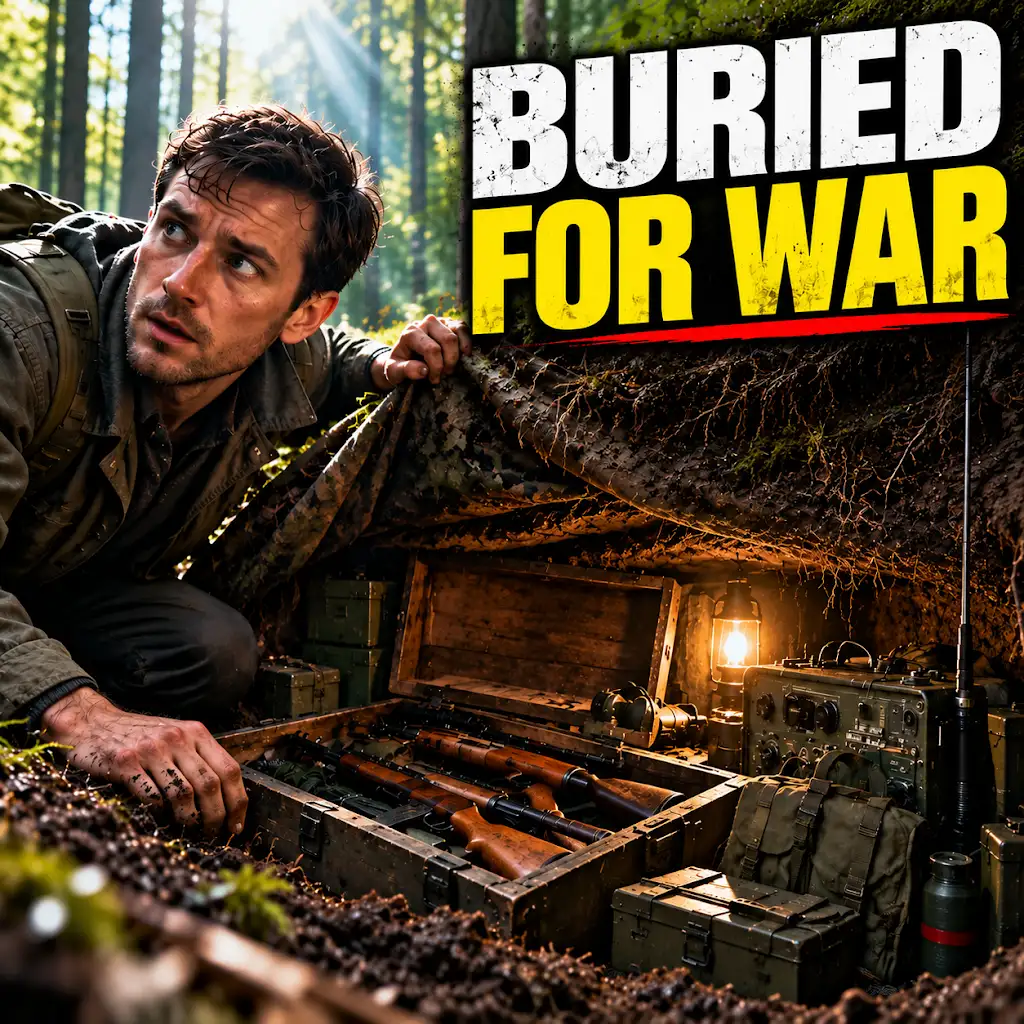
The core of the P26’s operational strategy was its extensive “stay-behind” network. This involved the establishment of numerous hidden caches of weapons, ammunition, explosives, communication equipment, and other essential supplies throughout the country. These caches were strategically located in remote areas, abandoned buildings, and even disguised within civilian infrastructure, ensuring that operatives would have access to the necessary resources even if conventional supply lines were cut off. The maintenance and security of these caches were a constant and vital undertaking.
Communication and Command Structure
Maintaining secure and covert communication was a formidable challenge. The P26 developed sophisticated communication protocols and employed advanced technologies for its time, including encrypted radio transmissions, dead drops, and couriers. The command structure was deliberately ambiguous, designed to prevent a single point of failure. While a central leadership likely existed, operational control was devolved to regional commanders and individual cell leaders, fostering autonomy and resilience.
Role in National Defense Planning
The P26 was not an independent entity operating outside the purview of the state. It was deeply integrated into Switzerland’s national defense planning, albeit in a highly classified manner. Its existence was known to a select few high-ranking military and political officials who understood its strategic purpose. The P26 was envisioned as a crucial component of a multi-layered defense strategy, complementing the conventional military forces by providing a means of prolonged resistance and disruption.
The Shadowy Activities and Missions

While the P26’s primary mandate was to resist an occupation, its activities were not limited to theoretical planning. Evidence suggests that the organization engaged in a range of covert operations, both domestically and internationally, aimed at gathering intelligence, disrupting potential threats, and maintaining its operational readiness. The true extent and nature of these activities remain subjects of ongoing historical scrutiny.
Intelligence Gathering and Counter-Intelligence
A significant aspect of the P26’s operations involved intelligence gathering. Operatives were tasked with monitoring potential enemy movements, identifying critical infrastructure, and assessing the political and military landscape. This intelligence was vital for informing defense strategies and for understanding the intentions of hostile powers. Counter-intelligence was equally important, ensuring that the P26 itself remained undetected by foreign intelligence agencies and internal threats.
Sabotage and Disruption Operations
The core of the P26’s operational doctrine was sabotage. In the event of an invasion, its operatives were prepared to disable critical infrastructure, disrupt supply lines, and sow chaos among enemy forces. This could have included the destruction of bridges, railway lines, communication hubs, and fuel depots. The aim was to hobble the occupying forces, making their control of Switzerland untenable and buying time for international intervention or a broader resistance movement.
International Connections and Training
While the P26 was a Swiss organization, its operations were not necessarily confined to Swiss borders. There are indications of connections with similar “stay-behind” networks in other Western European countries, fostered by intelligence agencies like NATO. These international collaborations likely facilitated intelligence sharing, joint training exercises, and the exchange of operational expertise, further strengthening the network against a potential Soviet threat.
The Alleged Role in Political Destabilization
Perhaps the most controversial aspect of the P26’s alleged activities relates to its potential involvement in domestic political destabilization. Some investigations and accusations have suggested that the P26 may have been used to monitor or even disrupt left-wing political movements or pacifist organizations deemed to be a threat to national security during the Cold War. These allegations, while not definitively proven, raise serious questions about the organization’s mandate and its potential for abuse.
The Unveiling and the Aftermath
The gradual unveiling of the P26 in the late 1990s sent shockwaves through Switzerland. What had been a closely guarded secret for decades was brought into the public domain, leading to widespread debate, parliamentary inquiries, and a re-evaluation of the nation’s defense policies and the historical use of clandestine organizations.
Investigative Journalism and Public Revelation
The P26’s existence was first brought to the attention of the public through meticulous investigative journalism. Dedicated reporters, through painstaking research and the cultivation of sources, began to uncover evidence of a clandestine military network operating outside the normal framework of state control. These revelations sparked public outcry and demanded a response from the government.
Parliamentary Inquiries and Investigations
In the wake of the journalistic exposés, the Swiss Parliament launched several high-profile inquiries into the P26. These investigations aimed to determine the extent of the organization’s activities, its funding, its leadership, and its relationship with state institutions. The inquiries were often fraught with difficulties, as many of the key players had either passed away or were reluctant to disclose sensitive information.
Debates on Legality and Ethics
The revelations surrounding the P26 ignited intense debates about the legality, ethics, and democratic oversight of such clandestine organizations. Critics questioned whether a secret army operating with extensive resources and potentially the authority to engage in sabotage and other covert actions could truly be reconciled with Switzerland’s democratic principles and its commitment to transparency. The lack of public knowledge and accountability was a major point of contention.
Repercussions and Reforms
The aftermath of the P26 scandal led to significant repercussions within the Swiss military and intelligence services. There were calls for greater transparency, stricter oversight, and a clear delineation of responsibilities for all defense-related activities. Reforms were implemented to enhance democratic control over security agencies and to ensure that any future clandestine operations would be subject to stringent legal and parliamentary scrutiny.
The Swiss P26 secret army, a clandestine organization formed during the Cold War, has been a subject of intrigue and speculation for decades. This covert group was designed to operate independently in the event of a Soviet invasion, reflecting Switzerland’s unique stance on neutrality and defense. For those interested in exploring more about the implications of such secret military operations, a related article can be found at In the War Room, which delves into the historical context and the impact of secret armies around the world.
The Enduring Legacy of the P26
| Metrics | Data |
|---|---|
| Number of members | Over 100,000 |
| Years of operation | 1940s-1990s |
| Purpose | Guerrilla warfare in case of invasion |
| Training | Secret military training |
| Equipment | Hidden arms and supplies |
The P26, though dissolved and its operational capabilities presumably dismantled, leaves behind a complex and enduring legacy. It serves as a stark reminder of the anxieties and stratagems that characterized the Cold War era, and it continues to fuel discussions about national security, secrecy, and the delicate balance between state power and democratic accountability.
A Symbol of Cold War Paranoia
The P26 stands as a potent symbol of the pervasive fear and paranoia that gripped the world during the Cold War. The very existence of such a secret army, prepared for scenarios of invasion and occupation, reflects the deep-seated anxieties about geopolitical instability and the potential for sudden, catastrophic conflict. It highlights how even seemingly neutral nations felt compelled to devise extreme measures to ensure their survival.
Lessons for Modern Defense Strategies
The P26 saga offers valuable lessons for modern defense strategies. It underscores the importance of adaptability, unconventional thinking, and the need for robust intelligence gathering and analysis. However, it also serves as a cautionary tale about the potential dangers of unchecked secrecy and the necessity of maintaining democratic oversight over all state-sanctioned security operations. The line between legitimate defense preparedness and overreach can be thin.
The Question of Secrecy and Transparency
The P26 controversy continues to fuel debates about the appropriate level of secrecy in matters of national security. While some degree of discretion is undoubtedly necessary to protect sensitive operations, the extensive clandestine nature of the P26 raises fundamental questions about who should be privy to such information and how the public can be assured of the responsible use of state power. The ideal balance between secrecy and transparency remains an ongoing challenge.
Historical Re-evaluation and Future Implications
The P26’s story necessitates a continuous re-evaluation of Swiss history and its defense policies. It challenges the idealized image of Swiss neutrality and reveals a more complex and pragmatic approach to national defense. As the world continues to face new geopolitical challenges, the lessons learned from the P26’s rise and fall will likely continue to inform discussions about security, sovereignty, and the ever-evolving nature of warfare and clandestine operations in the 21st century. The ghosts of the Cold War, it seems, can still cast long shadows.
The Secret Armies NATO Prepared for a Soviet Invasion
FAQs
What is the Swiss P26 secret army?
The Swiss P26 secret army, also known as Projekt 26, was a clandestine military organization established by the Swiss government during the Cold War. Its purpose was to resist and defend against a potential invasion by foreign forces.
When was the Swiss P26 secret army established?
The Swiss P26 secret army was established in the 1970s during the height of the Cold War. It was created in response to the perceived threat of invasion by the Soviet Union and its allies.
What was the structure of the Swiss P26 secret army?
The Swiss P26 secret army was organized into small, decentralized cells known as “stay-behind” units. These units were composed of civilian volunteers who were trained in guerrilla warfare, sabotage, and intelligence gathering.
Was the Swiss P26 secret army ever activated?
The Swiss P26 secret army was never officially activated, as Switzerland remained neutral and was not directly involved in any military conflicts during the Cold War. However, the organization remained in place and ready to mobilize in the event of an invasion.
What is the status of the Swiss P26 secret army today?
The Swiss P26 secret army was officially disbanded in 1990, following the end of the Cold War. However, its existence was not publicly acknowledged by the Swiss government until 1991. Today, the P26 organization is a subject of historical interest and study.