The Soviet Navy’s submarine tactics have long been a subject of intrigue and analysis, particularly during the Cold War era when the balance of power between the East and West was precariously maintained. The Soviet Union, recognizing the strategic importance of submarines, developed a comprehensive approach to underwater warfare that emphasized stealth, mobility, and the ability to project power across vast distances. This article delves into the historical context, evolution, and lasting impact of these tactics, shedding light on how they shaped naval engagements and influenced global geopolitics.
Submarines served as a critical component of the Soviet Navy’s strategy, allowing for covert operations and the ability to strike at enemy vessels and coastal installations without warning. The tactics employed by Soviet submarines were not merely reactive; they were part of a broader strategy aimed at countering Western naval superiority. By examining the historical background, technological advancements, and strategic objectives of Soviet submarine operations, one can gain a deeper understanding of their significance in both past and present naval doctrines.
Key Takeaways
- Soviet Navy submarine tactics evolved significantly from their historical origins through the Cold War, adapting to changing geopolitical and technological landscapes.
- These submarines played a crucial role in global geopolitics, serving strategic objectives such as deterrence, intelligence gathering, and power projection.
- Advanced technology and specialized capabilities enabled Soviet submarines to execute complex warfare tactics and strategies in both the Atlantic and Pacific Oceans.
- In potential conflicts with NATO, Soviet submarine tactics focused on disrupting enemy naval operations and securing strategic advantages underwater.
- The legacy of Soviet submarine tactics continues to influence modern Russian naval doctrine, shaping current submarine warfare strategies and capabilities.
Historical Background of Soviet Navy Submarine Tactics
The roots of Soviet submarine tactics can be traced back to the early 20th century, when the Russian Empire first began experimenting with underwater vessels. However, it was during the interwar period that the Soviet Union began to recognize the potential of submarines as a formidable force in naval warfare. The lessons learned from World War I and the subsequent rise of fascism in Europe prompted Soviet military planners to invest heavily in submarine technology and tactics.
By the time World War II erupted, the Soviet Navy had developed a more sophisticated understanding of submarine warfare. The conflict highlighted both the strengths and weaknesses of Soviet submarines, leading to significant tactical innovations. The experience gained during this tumultuous period laid the groundwork for the post-war expansion of the Soviet submarine fleet and the refinement of its operational strategies.
As the Cold War began, these early lessons would inform a new generation of submarine tactics that would be employed against NATO forces.
Evolution of Soviet Navy Submarine Tactics During the Cold War
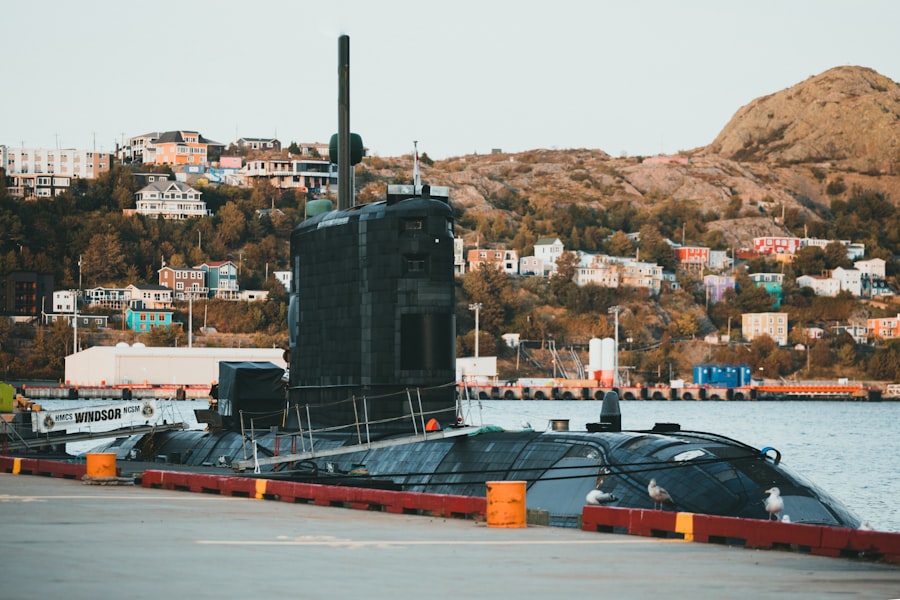
The Cold War marked a significant turning point in the evolution of Soviet submarine tactics. As tensions escalated between the United States and the Soviet Union, both superpowers sought to enhance their naval capabilities. The Soviet Navy responded by expanding its submarine fleet and adopting more aggressive tactics designed to counter NATO’s maritime dominance.
This period saw the introduction of nuclear-powered submarines, which revolutionized underwater warfare by providing greater range and endurance. Soviet submarine tactics evolved to include a focus on anti-carrier operations, reflecting a strategic shift towards targeting U.S. aircraft carriers that were seen as pivotal to NATO’s naval power projection.
The development of advanced torpedoes and missile systems allowed Soviet submarines to engage enemy vessels from greater distances, enhancing their lethality.
Role of Soviet Navy Submarines in Global Geopolitics
Soviet submarines played a crucial role in shaping global geopolitics during the Cold War. Their presence in strategic waterways served as a constant reminder of Soviet military capabilities and intentions. By deploying submarines in key regions such as the Mediterranean Sea, the Arctic, and the Pacific Ocean, the Soviet Union sought to assert its influence and challenge Western hegemony.
The ability of Soviet submarines to conduct covert operations also had significant implications for international relations. Submarines were often used for intelligence gathering, surveillance, and reconnaissance missions that provided valuable information about NATO activities. This capability not only enhanced the Soviet Union’s strategic positioning but also contributed to an atmosphere of mistrust and tension between the superpowers.
The presence of Soviet submarines in contested waters underscored the precarious nature of global security during this era.
Technology and Capabilities of Soviet Navy Submarines
| Aspect | Description | Key Metrics | Purpose |
|---|---|---|---|
| Wolfpack Tactics | Coordinated group attacks by multiple submarines on enemy convoys or task forces. | Group size: 3-6 subs Attack duration: Several hours to days |
Overwhelm enemy defenses and increase attack effectiveness |
| Silent Running | Minimizing noise by reducing speed and shutting down non-essential systems to avoid detection. | Speed: 2-4 knots Noise level: Reduced by 50-70% |
Evade sonar detection and prolong stealth approach |
| Decoy Deployment | Use of acoustic decoys to confuse enemy sonar and torpedoes. | Decoy types: Noisemakers, bubble screens Effective range: Up to 1 km |
Divert enemy weapons and protect the submarine |
| Ambush Positioning | Positioning submarines along known enemy shipping lanes or chokepoints. | Patrol area size: 10-50 sq km Detection range: 10-15 km |
Maximize chances of enemy contact and successful attack |
| Use of Cruise Missiles | Launching cruise missiles from submarines to strike surface targets at long range. | Missile range: 300-500 km Launch depth: Up to 50 m |
Engage high-value targets without surfacing |
The technological advancements achieved by the Soviet Navy significantly enhanced its submarine capabilities throughout the Cold War. The introduction of nuclear propulsion marked a watershed moment in submarine design, allowing vessels to operate submerged for extended periods without surfacing for air. This innovation not only increased operational range but also improved stealth, making it more challenging for adversaries to detect and track Soviet submarines.
The development of advanced torpedoes capable of engaging surface ships and other submarines from considerable distances transformed naval engagements. Moreover, the integration of cruise missiles into submarine platforms expanded their strike capabilities beyond traditional anti-ship roles, allowing them to target land-based installations with precision.
Strategic Objectives and Missions of Soviet Navy Submarines
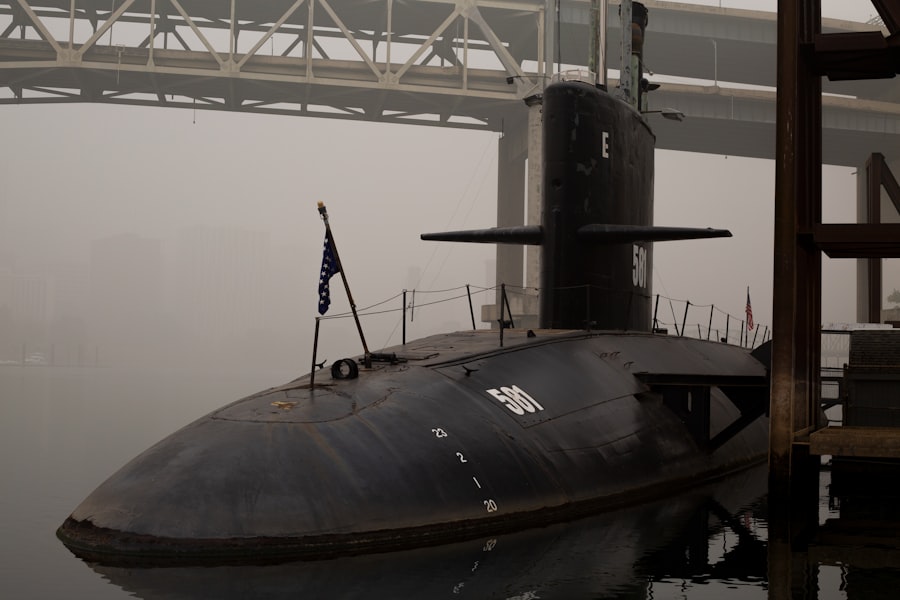
The strategic objectives of Soviet Navy submarines were multifaceted, reflecting a complex interplay between deterrence, power projection, and maritime security. One primary mission was to deter NATO forces from engaging in aggressive actions against Soviet interests. By maintaining a formidable submarine presence in key regions, the Soviet Union aimed to signal its readiness to respond decisively to any perceived threats.
Additionally, Soviet submarines were tasked with conducting offensive operations against enemy naval forces and infrastructure. This included targeting aircraft carriers, supply ships, and other critical assets that could undermine Soviet military operations. The ability to project power through submarine warfare was seen as essential for maintaining parity with NATO forces and ensuring that the Soviet Union could defend its interests on a global scale.
Submarine Warfare Tactics and Strategies Employed by the Soviet Navy
Soviet submarine warfare tactics were characterized by a combination of stealthy approaches and aggressive engagement strategies. One notable tactic was “wolf pack” operations, where multiple submarines would coordinate attacks on enemy vessels to overwhelm defenses. This approach capitalized on surprise and numerical superiority, allowing for devastating strikes against isolated targets.
Another key strategy involved utilizing advanced reconnaissance techniques to gather intelligence on enemy movements. By employing passive sonar systems and other surveillance methods, Soviet submarines could track NATO fleets without revealing their own positions. This intelligence-gathering capability was crucial for informing operational decisions and enhancing situational awareness during potential conflicts.
Soviet Navy Submarine Operations in the Atlantic and Pacific Oceans
Soviet Navy submarines conducted extensive operations in both the Atlantic and Pacific Oceans throughout the Cold War. In the Atlantic, they sought to challenge NATO’s maritime dominance by infiltrating key shipping lanes and monitoring naval exercises. The presence of Soviet submarines in these waters served as a constant reminder of their capabilities and intentions, contributing to heightened tensions between East and West.
In contrast, operations in the Pacific Ocean were often focused on countering U.S. naval forces stationed in Japan and along the West Coast. The vast expanse of this ocean provided ample opportunities for covert operations and intelligence gathering.
By establishing a robust submarine presence in these waters, the Soviet Union aimed to project power while simultaneously safeguarding its own maritime interests.
Soviet Navy Submarine Tactics in the Event of a Conflict with NATO
In the event of a conflict with NATO, Soviet Navy submarine tactics would have been pivotal in executing their military strategy. The primary objective would have been to disrupt NATO supply lines while simultaneously targeting key naval assets such as aircraft carriers and destroyers. The use of stealthy approaches would have allowed Soviet submarines to position themselves advantageously before launching surprise attacks.
Moreover, coordination with other branches of the military would have been essential for maximizing effectiveness during such a conflict. Submarines would likely have operated in conjunction with surface ships and aircraft to create a multi-dimensional threat that would overwhelm NATO defenses. This integrated approach would have aimed not only at inflicting damage but also at creating confusion within enemy ranks.
Impact of Soviet Navy Submarine Tactics on Western Naval Strategy
The tactics employed by the Soviet Navy had a profound impact on Western naval strategy throughout the Cold War. The need to counteract the threat posed by Soviet submarines led NATO forces to invest heavily in anti-submarine warfare capabilities. This included advancements in sonar technology, anti-submarine aircraft, and surface vessels designed specifically for hunting submarines.
Furthermore, Western naval planners had to adapt their strategies to account for potential submarine threats in various theaters of operation. The presence of Soviet submarines necessitated changes in fleet formations, operational planning, and intelligence-gathering efforts. As a result, Western navies became increasingly focused on developing comprehensive anti-submarine warfare doctrines that would enable them to effectively counteract this formidable threat.
Legacy of Soviet Navy Submarine Tactics in Modern Russian Naval Doctrine
The legacy of Soviet Navy submarine tactics continues to influence modern Russian naval doctrine today. Following the dissolution of the Soviet Union, Russia retained many aspects of its submarine warfare strategies while adapting them to contemporary geopolitical realities. The emphasis on stealth, advanced technology, and multi-domain operations remains central to Russia’s approach to underwater warfare.
In recent years, Russia has invested significantly in modernizing its submarine fleet with advanced systems that echo Cold War-era innovations while incorporating new technologies such as unmanned underwater vehicles (UUVs) and cyber capabilities. This evolution reflects an understanding that submarine warfare remains a critical component of national defense strategy in an increasingly complex global security environment. In conclusion, the tactics employed by the Soviet Navy during its heyday have left an indelible mark on both historical naval engagements and contemporary military doctrine.
By examining these tactics through various lenses—historical context, technological advancements, strategic objectives—one can appreciate their significance not only within the framework of Cold War dynamics but also as enduring elements shaping modern naval strategies today.
The tactics employed by the Soviet Navy submarines during the Cold War were characterized by a focus on stealth and surprise, often utilizing advanced technology to gain an advantage over their adversaries. For a deeper understanding of these strategies and their implications on naval warfare, you can read more in the article available at this link.
WATCH THIS! 🎖️ The Silent Underwater Network That Doomed Every Soviet Submarine
FAQs
What were the primary objectives of Soviet Navy submarine tactics?
Soviet Navy submarine tactics primarily focused on disrupting enemy naval operations, gathering intelligence, and ensuring strategic deterrence. Their submarines were tasked with targeting NATO naval forces, protecting Soviet ballistic missile submarines, and conducting reconnaissance missions.
How did Soviet submarine tactics differ from those of Western navies?
Soviet submarine tactics emphasized aggressive patrolling in contested waters, use of large numbers of submarines, and coordination with surface and air forces. They often prioritized saturation attacks and employed quieter diesel-electric submarines alongside nuclear-powered ones, contrasting with Western navies’ focus on stealth and technological superiority.
What types of submarines were used in Soviet Navy tactics?
The Soviet Navy utilized a variety of submarines, including ballistic missile submarines (SSBNs) for nuclear deterrence, attack submarines (SSNs and SSKs) for hunting enemy vessels, and cruise missile submarines (SSGNs) for striking land and sea targets. Each class had specific tactical roles within the fleet.
How did Soviet submarines communicate during operations?
Soviet submarines used secure radio communications, underwater telephone systems, and satellite links when surfaced or at periscope depth. Communication was often limited to maintain stealth, relying on pre-planned tactics and signals to coordinate with other naval units.
What role did sonar and electronic warfare play in Soviet submarine tactics?
Sonar was critical for detecting enemy vessels and navigating underwater. Soviet submarines employed both passive and active sonar systems. Electronic warfare tactics included jamming enemy sensors and using decoys to evade detection and targeting.
Were Soviet submarine tactics influenced by geography?
Yes, Soviet tactics were adapted to the geographic conditions of their operating areas, such as the shallow and confined waters of the Baltic Sea and the Arctic Ocean. These environments influenced patrol patterns, stealth techniques, and engagement strategies.
How did the Soviet Navy train its submarine crews for tactical operations?
Training involved rigorous simulations, live exercises, and war games designed to enhance crew proficiency in navigation, stealth, weapons deployment, and coordinated fleet maneuvers. Emphasis was placed on discipline, rapid decision-making, and adaptability under combat conditions.
Did Soviet submarine tactics evolve during the Cold War?
Yes, tactics evolved in response to technological advancements, intelligence on NATO capabilities, and changing strategic priorities. Improvements in sonar, missile technology, and submarine design led to more sophisticated and flexible operational doctrines.
What was the significance of Soviet submarine tactics in global naval strategy?
Soviet submarine tactics played a crucial role in maintaining a strategic balance during the Cold War by threatening NATO naval forces and securing second-strike nuclear capabilities. Their approach influenced global naval doctrines and prompted advancements in anti-submarine warfare.