So, you’re curious about Ingo Swann and his work with the CIA, specifically the “psychic research” part? It’s a fascinating rabbit hole, and the short answer is: yes, the CIA absolutely did explore psychic phenomena, and Ingo Swann was a central figure in some of those efforts. It wasn’t a secret project involving laser eyes and telekinetic tanks, but rather a more nuanced, and at times, quite serious, investigation into whether humans could perceive information or influence events through means not explained by conventional physics. This exploration, often referred to as “remote viewing,” is where Swann really made his mark.
The Cold War was a time of intense competition, not just militarily and technologically, but also ideologically. The Soviets were reportedly investing heavily in parapsychology and psychic research, leading some in the US intelligence community to worry they might gain a strategic advantage through these… unusual avenues.
The “Psychic Arms Race”
Think of it like this: if one side believes they’re developing a new weapon, the other side feels compelled to investigate it, just in case it’s real. That’s largely how the US interest in psychic phenomena started. Reports, whether accurate or exaggerated, suggested Soviet scientists were exploring telepathy, precognition, and other psi (psychic) abilities. The fear wasn’t just about mind-reading spies; it was about potentially gaining an edge in intelligence gathering or even influencing adversaries’ decisions.
Early Interest and Skepticism
The CIA, along with other intelligence agencies, began to take an interest. It wasn’t a sudden flip of a switch; there was a lot of initial skepticism, as you might expect. But the perceived threat from the East, coupled with some intriguing anecdotal reports and early scientific experiments, pushed them to explore further. They wanted to understand what the Soviets were doing, and more importantly, if there was any genuine potential for their own use.
Ingo Swann, a prominent figure in the realm of psychic research, is well-known for his involvement with the CIA’s Stargate Project, which aimed to explore the potential of psychic phenomena for intelligence purposes. For those interested in delving deeper into the fascinating intersection of psychic abilities and government research, a related article can be found at this link: In the War Room: Exploring the Mysteries of Psychic Research. This article provides insights into the broader implications of Swann’s work and the ongoing debates surrounding the legitimacy of psychic phenomena.
Ingo Swann: The Pioneer of Remote Viewing
Ingo Swann wasn’t your typical government contractor. He was an artist, a writer, and someone who claimed to have had psychic experiences from a young age. His unique background and genuine belief in psi capabilities made him an ideal candidate for early research.
A Unique Perspective
Swann’s approach was often unconventional, which, for better or worse, might have been exactly what was needed to push the boundaries of what was being studied. He didn’t just passively participate; he actively questioned, experimented, and developed methodologies. This wasn’t about being a passive receiver of psychic messages; it was about understanding the process of perceiving information at a distance.
The Birth of Remote Viewing
Swann is most famously credited with developing and refining the concept and practice of “remote viewing.” This is the core of his CIA involvement. The idea was to train individuals to access and describe information about a distant, often unknown, target solely through psychic means. It involved a structured set of protocols, designed to minimize suggestion and maximize the potential for genuine psychic perception.
The Stanford Research Institute (SRI) and Project Grill Flame

Much of the early, formal investigation into remote viewing took place at the Stanford Research Institute (SRI), under contracts with the CIA. This is where the practical, structured development of remote viewing really took shape.
SRI’s Role in Psi Research
SRI had a history of exploring unconventional topics, and their work with Swann and others laid the groundwork for what would become a significant, albeit often secretive, research program. They brought a scientific approach to the study of psychic phenomena, attempting to quantify results and establish reliable protocols.
The “Grill Flame” and “Stargate” Programs
Project Grill Flame was one of the early, and later more well-known, umbrella designations for these government-funded remote viewing programs. Over the years, the program evolved and was known by different names, most notably the “Stargate Project.” These programs weren’t just about Ingo Swann; they involved a range of individuals, but Swann was a consistent and influential figure.
Establishing Protocols
A key focus at SRI was developing reliable methods for remote viewing. This wasn’t just about someone saying, “I see a tree.” It was about creating a framework where viewers could describe details, shapes, colors, and even the function of objects or locations they were “viewing.” These protocols aimed to distinguish genuine psychic impressions from guesswork or imagination.
How Remote Viewing Worked (According to the Theory)
The methodology of remote viewing, particularly as developed by Swann, is pretty interesting. It’s not like watching a movie in your mind; it’s more about receiving impressions and then interpreting them.
The “Sensory Data” Approach
The idea was that remote viewers would tune into a target, and instead of seeing a clear image, they’d receive a jumble of sensory data: faint impressions of shapes, textures, sounds, even smells or tastes. The viewer’s job was to process this raw data, often through a series of guided questions or introspective exercises, to assemble a coherent description.
Distinguishing Signal from Noise
A significant challenge was differentiating between genuine psychic signals and the viewer’s own thoughts, biases, or imagination – what they’d call “noise.” The protocols aimed to help viewers recognize and filter out this noise, honing in on what felt like authentic impressions from the target. This involved a lot of practice and self-awareness.
The “Judge” and “Viewer” Dynamic
Often, these sessions involved two people: the “viewer,” who was attempting to remote view, and a “judge,” who had information about the target and would guide the viewer through the process. The judge’s role was crucial in providing feedback and keeping the viewer focused without inadvertently giving away too much information.
Ingo Swann, a prominent figure in CIA psychic research, played a pivotal role in the development of remote viewing techniques that have intrigued both the scientific community and the public alike. His groundbreaking work has inspired numerous discussions and analyses, including a fascinating article that delves into the implications of such research on national security and intelligence operations. For those interested in exploring this topic further, you can read more about it in this insightful piece on In the War Room, which examines the intersection of psychic phenomena and governmental interests.
The Results and Criticisms of the CIA’s Psychic Research
| Research Topic | Findings |
|---|---|
| Remote Viewing | Ingo Swann was involved in the CIA’s research on remote viewing, which is the practice of seeking impressions about a distant or unseen target using paranormal means. |
| Psychic Abilities | Swann’s work contributed to the exploration of psychic abilities and their potential applications in intelligence gathering and national security. |
| Scientific Interest | His involvement in the research sparked scientific interest in the study of parapsychology and the potential for psychic phenomena. |
So, did it work? That’s the million-dollar question, and the answer is… complicated. The CIA eventually declassified a lot of information about these programs, and the findings were mixed.
Successes and Failures
There are documented instances where remote viewers provided accurate, sometimes surprisingly detailed, information about targets that was later verified. These were the instances that kept the programs funded and in operation. They reported on things like Soviet military installations, the location of downed aircraft, and even aspects of political events.
However, there were also many instances where the descriptions were vague, inaccurate, or simply wrong. The very nature of psychic phenomena makes it difficult to achieve consistent, repeatable results in a laboratory setting. This lack of absolute certainty was a constant point of contention.
Scientific Scrutiny and Skepticism
From the outset, the research faced significant skepticism from the wider scientific community. Critics pointed to methodological flaws, confirmation bias, and the potential for participants to “cook the books” or simply get lucky. The difficulty in replicating results outside of controlled (and often classified) environments was a major hurdle.
The Declassification and “Stargate” Report
In the mid-1990s, after decades of operation, the US government commissioned an independent review of the various psychic research programs, including Stargate. The resulting report, often referred to as the “American Institutes for Research (AIR) report” or the “Stargate report,” concluded that while some evidence suggested statistically significant results beyond chance, the operational utility of remote viewing was questionable. Essentially, it didn’t provide enough reliable, actionable intelligence to justify its continued funding.
The Legacy and Continued Interest
Despite the official conclusion to end government funding, the legacy of these programs and Ingo Swann’s work continues to fascinate. There’s still a community of people who practice and believe in remote viewing, and the declassified documents offer a compelling glimpse into a truly unique chapter of intelligence history. It raises broader questions about the limits of human perception and the potential for unconventional forms of information gathering. It’s a story that blends espionage, art, and the enduring mystery of the human mind.
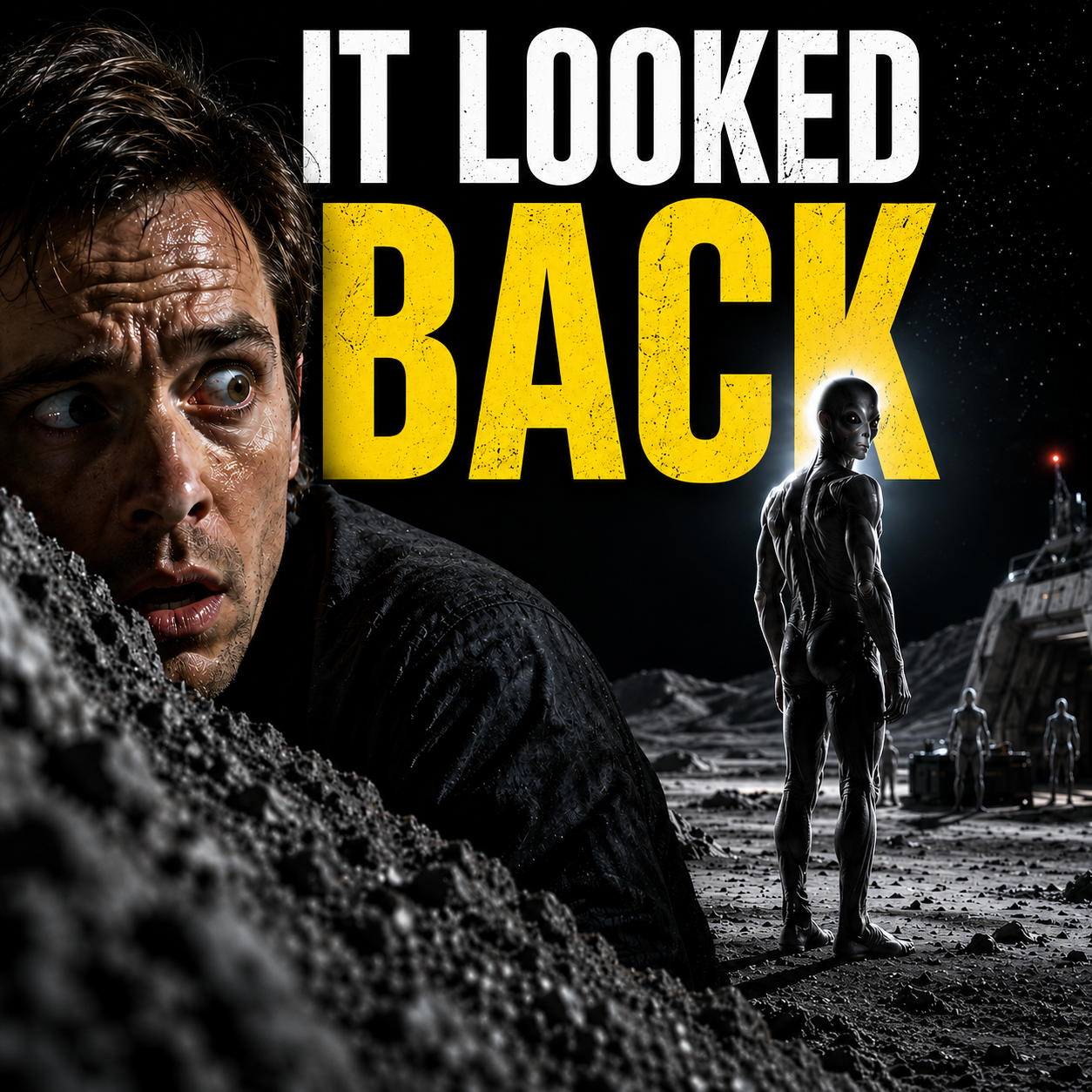
He Remote Viewed the Moon. Then Something Saw Him.
FAQs
What is Ingo Swann known for in relation to CIA psychic research?
Ingo Swann is known for his involvement in the CIA’s psychic research program, particularly for his work in developing the practice of remote viewing.
What is remote viewing?
Remote viewing is a practice that involves using extrasensory perception (ESP) to gather information about a distant or unseen target, such as a location or object, without the use of the physical senses.
How did Ingo Swann contribute to CIA psychic research?
Ingo Swann contributed to CIA psychic research by developing and refining the techniques of remote viewing, which were used by the CIA and other intelligence agencies for gathering information on various targets.
What were the results of Ingo Swann’s involvement in CIA psychic research?
The results of Ingo Swann’s involvement in CIA psychic research were mixed. While some of the information gathered through remote viewing was deemed accurate and useful, the overall effectiveness and reliability of remote viewing as a intelligence-gathering tool remains a topic of debate.
What is the legacy of Ingo Swann’s work in CIA psychic research?
The legacy of Ingo Swann’s work in CIA psychic research includes sparking public interest in the potential of psychic abilities, as well as contributing to ongoing discussions about the role of parapsychology in intelligence and military operations.