Antarctic Bottom Water (AABW) is a key component of the global ocean circulation system, playing a critical role in transporting heat, carbon, and dissolved gases to the deep ocean. Its formation is a complex and geographically specific process, primarily confined to the shelf seas of Antarctica. Understanding the mechanisms by which this dense, cold water mass originates and spreads is fundamental to comprehending global climate dynamics, oceanic productivity, and the Earth’s carbon cycle. This article delves into the intricate processes that govern the formation of AABW, exploring the environmental factors, physical dynamics, and regional variations that contribute to its existence.
The Arctic Ocean’s Role in Global Ocean Circulation
The global ocean is a vast, interconnected system characterized by continuous movement. This circulation is driven by a combination of factors, including wind patterns and differences in water density. Density, in turn, is influenced by temperature and salinity. Colder, saltier water is denser and tends to sink, while warmer, fresher water is less dense and tends to rise. This density-driven circulation, often referred to as thermohaline circulation, is crucial for distributing heat and nutrients around the planet.
The Conveyor Belt Analogy
The thermohaline circulation is frequently analogized to a massive conveyor belt. Surface currents, driven by prevailing winds, transport warm water from equatorial regions towards the poles. As this water travels, it cools and, in specific regions, becomes dense enough to sink. This sinking process injects a significant volume of water into the deep ocean, initiating a slow, global movement of water that can take centuries to complete a full circuit. This deep water eventually returns to the surface in other parts of the ocean, completing the cycle, and is then reheated and begins its journey poleward once more.
Deep Water Formation Zones
While thermohaline circulation occurs globally, deep water formation is most pronounced in a few key regions where surface waters reach sufficient density to sink. The North Atlantic, with its formation of North Atlantic Deep Water (NADW), is one such significant region. However, the Southern Ocean, particularly around Antarctica, is another crucial area responsible for producing a distinct and critically important deep water mass: Antarctic Bottom Water. The processes leading to AABW formation are distinct and intrinsically tied to the unique Antarctic environment.
The formation of Antarctic Bottom Water (ABW) is a crucial process in the global ocean circulation system, significantly impacting climate and marine ecosystems. For a deeper understanding of this phenomenon, you can explore the article that delves into the intricacies of ABW formation and its implications for oceanic currents and climate change. To read more about this topic, visit the following link: Antarctic Bottom Water Formation Process.
Antarctic Bottom Water: A Unique Deep Ocean Mass
Antarctic Bottom Water is characterized by its extreme cold temperatures, typically ranging from -1.8°C to 0.5°C, and its high salinity, although it is often fresher than North Atlantic Deep Water due to glacial melt. Its immense density is the driving force behind its formation and subsequent dispersal across the ocean floor. This dense water sinks to the very bottom of the ocean, where it can spread for thousands of kilometers.
Defining Characteristics of AABW
The precise definition of AABW is based on its thermohaline properties. It is the coldest and densest water mass found in the global ocean. Its oxygen-rich nature, owing to its formation through contact with the cold atmosphere and subsequent sinking from the surface, makes it a vital source of oxygen for the deep-sea biosphere. The extremely low temperatures also mean that AABW has a high capacity to dissolve and transport atmospheric gases, including carbon dioxide, making its formation and circulation a significant factor in the global carbon cycle.
The Significance of its Density
The exceptionally high density of AABW is the primary reason for its ability to displace even the underlying layers of the ocean. This displacement effect is crucial for pushing older deep water masses away from the polar regions. The sheer volume of AABW that is formed annually means that it is a dominant contributor to the abyssal ocean’s water properties. Without this continuous sinking and spreading of AABW, the deep ocean would become significantly less dynamic and less capable of supporting its unique ecosystems.
Processes Driving AABW Formation
The formation of AABW is a multi-faceted process that relies on specific environmental conditions present around Antarctica. The key drivers are sea ice formation and a phenomenon known as haline contraction. These processes, occurring in close proximity, create the dense water necessary for deep convection.
Sea Ice Formation and Brine Rejection
During the austral winter, vast areas of the Southern Ocean freeze, forming sea ice. As seawater freezes, the salt is largely excluded from the ice crystal structure. This rejected salt is expelled into the surrounding unfrozen seawater, a process known as brine rejection. This significantly increases the salinity of the surface water beneath the forming ice. The denser, saltier water then sinks, initiating convective mixing.
The Role of Salinity Increase
The addition of concentrated brine directly into the surface layer is a primary mechanism for increasing water density. Think of it like adding salt to water in a pot before heating it; the salt increases the overall density of the solution. In the Antarctic context, this “salting” of the surface layer by brine expulsion is a critical step in making the water dense enough to sink. The extent and intensity of sea ice formation therefore directly influence the rate of AABW production.
Temporal and Spatial Variability of Sea Ice
The amount of sea ice that forms around Antarctica varies significantly from year to year and by region. Factors such as atmospheric temperature, wind patterns, and ocean currents all influence the freezing and thawing cycles. Consequently, the volume of brine rejected and the subsequent density increase of the surface waters also exhibit considerable variability. This variability in sea ice cover is a key reason for fluctuations in AABW formation rates.
Haline Contraction and Ice Shelf Meltwater
Another significant contributor to the density of Antarctic waters is haline contraction, which refers to the shrinking of a water mass due to increased salinity. In the Antarctic, this is amplified by the melting of ice shelves. As ice shelves, which are floating extensions of glaciers, melt at their underside due to warmer ocean water, they release large volumes of relatively fresh meltwater. However, this meltwater doesn’t remain at the surface.
The Interaction of Meltwater and Brine
While ice shelf meltwater is inherently less dense, its interaction with the much saltier water near the sea ice edge is complex. In some areas, the fresh meltwater can contribute to layering or stratification. However, in regions where convection is already being driven by brine rejection, the presence of meltwater can contribute to complex mixing processes. Moreover, some models suggest that meltwater can mix with already salty surface waters and still result in a water mass dense enough to contribute to sinking.
The Influence of Sub-ice Shelf Cavities
The cavities beneath ice shelves are unique environments where interaction between the ocean and ice occurs. Ocean currents circulating within these cavities can melt the ice shelf from below, releasing large volumes of meltwater. The mixing and transport of this meltwater are critical factors in shaping the local ocean properties and can influence the density of waters that eventually reach the shelf seas where AABW forms.
Key Formation Regions and Processes
The formation of AABW is not uniform across the entire Antarctic coastline. Certain regions, characterized by specific geographic features and oceanographic conditions, are recognized as the primary sites of AABW production.
The Weddell Sea as a Primary Source
The Weddell Sea, located to the east of the Antarctic Peninsula, is considered one of the most important regions for AABW formation. Its distinctive embayment and vigorous winter sea ice formation create conditions highly conducive to deep convection. The circulation patterns within the Weddell Sea lead to the formation of a particularly dense variety of AABW, often referred to as Weddell Sea Bottom Water.
Katabatic Winds and Dense Water Production
Strong, cold winds that flow downslope from the Antarctic ice sheet, known as katabatic winds, play a significant role in the Weddell Sea. These winds drive surface currents, facilitate sea ice formation, and can enhance the offshore transport of dense water. The interaction of these winds with the regional topography and the sea ice pack is crucial for concentrating and sinking the dense shelf waters.
Antarctic Polynya Dynamics
Polynyas, areas of open water surrounded by sea ice, are also important features in the Weddell Sea and other Antarctic regions. These polynyas can form due to wind forcing or oceanographic upwelling. Within polynyas, intense cooling and sea ice formation occur, leading to significant brine rejection and the production of dense water. These areas can act as localized “hotspots” for AABW formation.
The Ross Sea and Other Southern Ocean Regions
The Ross Sea, the largest bay in Antarctica, is another significant contributor to AABW formation, although the processes may differ slightly from the Weddell Sea. The shallower depths of the Ross Sea shelf and different sea ice dynamics can lead to the formation of a slightly less dense, but still substantial, AABW. Other regions, such as the Adélie Coast and the D’Urville Sea, also contribute to the global production of AABW, each with its own unique characteristics.
Influence of Topography on Shelf Density
The bathymetry, or underwater topography, of the continental shelf plays a critical role in dictating where dense waters can accumulate and sink. Shelves that are deep and possess channels can facilitate the outflow of dense water. Conversely, shallower shelves may trap dense water, leading to different mixing processes. The specific shape of the Antarctic continental shelf influences the pathways of dense water formation and export.
Regional Variations in Water Mass Properties
The AABW originating from different regions, such as the Weddell Sea and the Ross Sea, can have slightly different thermohaline properties. These variations are due to differences in the sea ice formation rates, the influence of ice shelf meltwater, and the specific oceanographic conditions in each region. These regional variations can be traced as the different components of AABW spread throughout the global ocean.
The formation process of Antarctic Bottom Water is a critical component of global ocean circulation, influencing climate patterns and marine ecosystems. For a deeper understanding of this phenomenon, you can explore a related article that delves into the intricate dynamics of ocean currents and their impact on climate change. This insightful piece can be found here, providing valuable context to the processes that drive the formation of this cold, dense water mass in the Southern Ocean.
Global Spread and Impact of AABW
Once formed, AABW begins its slow journey across the ocean floor, profoundly influencing the deep ocean environment. Its spreading patterns are dictated by the global seafloor topography and the large-scale ocean circulation.
Pathway of the Global Conveyor Belt
AABW is a critical component of the global thermohaline circulation. It sinks to the deepest parts of the ocean and then spreads northward, often hugging the seafloor. As it moves, it mixes with other deep water masses, gradually contributing its characteristics to the wider deep ocean circulation. This slow, but persistent, movement is essential for replenishing the deep ocean with oxygen and distributing dissolved substances.
Mixing and Transformation with Depth
As AABW travels, it undergoes gradual mixing with overlying water masses. This mixing process leads to the transformation of its original properties, gradually increasing its temperature and decreasing its salinity and density. However, even after traveling thousands of kilometers, remnants of its original Antarctic origin can still be detected.
Influence on Deep Ocean Chemistry
The oxygen-rich nature of AABW is crucial for supporting life in the deep ocean. As it spreads, it ventilates the abyss, providing a vital oxygen supply to deep-sea organisms. Furthermore, AABW’s capacity to dissolve and transport carbon dioxide means that it plays a significant role in sequestering atmospheric carbon in the deep ocean, acting as a carbon sink.
Implications for Climate and Ecosystems
The formation and spread of AABW have far-reaching implications for both global climate and marine ecosystems. Its role in heat distribution and carbon cycling directly impacts climate. Its oxygen supply and nutrient transport are fundamental for deep-sea life.
Contribution to Global Heat Budget
While AABW is extremely cold, its formation and dispersal contribute to the global heat budget by transporting deep-sea water. The contrast between frigid bottom waters and warmer surface waters is a fundamental driver of oceanic heat exchange and redistribution. Changes in AABW formation can therefore have knock-on effects on global temperature patterns.
Role in Nutrient Cycling and Productivity
The advection of AABW can also influence nutrient distribution in the deep ocean. While the deep ocean is generally nutrient-poor, the circulation of AABW can transport essential elements to different parts of the ocean. This can have indirect impacts on surface ocean productivity by influencing the upwelling of nutrient-rich deep water in other regions.
Observational Challenges and Future Research
Directly observing the formation and spreading of AABW presents significant logistical and technological challenges due to the extreme conditions and vast scales involved. Researchers employ a variety of methods to study this crucial oceanographic phenomenon.
Utilizing Oceanographic Instruments
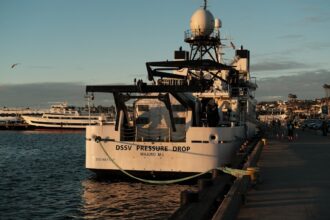
Autonomous underwater vehicles (AUVs) and Argo floats are increasingly used to collect data in remote and harsh Antarctic waters. These instruments can measure temperature, salinity, currents, and other parameters at various depths, providing invaluable insights into AABW formation and transport. Moored buoys and research vessels also play a critical role in collecting in-situ data.
Advances in Remote Sensing
Satellite observations provide a broader perspective on sea ice extent, sea surface temperature, and ocean currents, which are indirectly related to AABW formation. While not directly measuring deep water properties, satellite data allows scientists to monitor the large-scale environmental conditions that drive these processes.
Modeling AABW Formation and Circulation
Numerical models of ocean circulation are essential tools for understanding the complex physics of AABW formation and its global impact. These models, often run on supercomputers, can simulate the various processes involved, allowing researchers to test hypotheses and predict how AABW formation might change in a warming climate.
Simulating Climate Change Impacts
Future research is particularly focused on how climate change might affect AABW formation. Increased glacial melt, changes in sea ice cover, and alterations in atmospheric circulation could all have profound impacts on the density of Antarctic surface waters and, consequently, the rate and properties of AABW produced. Understanding these potential changes is crucial for projecting future oceanographic and climatic conditions.
Enhancing Oceanographic Prediction
Improved understanding of AABW formation and circulation contributes to more accurate oceanographic predictions. This is vital for managing fisheries, predicting weather patterns, and understanding the long-term fate of anthropogenic carbon dioxide. Continued research into this fundamental aspect of oceanography is therefore essential for addressing some of the most pressing environmental challenges of our time. The intricate dance of water density, temperature, and salinity in the frigid waters surrounding Antarctica continues to be a subject of intense scientific inquiry, revealing the profound influence of this remote continent on the entire planet.
FAQs
What is Antarctic Bottom Water (AABW)?
Antarctic Bottom Water (AABW) is the densest water mass in the world’s oceans, formed in the Southern Ocean around Antarctica. It plays a crucial role in global ocean circulation and climate regulation.
How is Antarctic Bottom Water formed?
AABW is formed through a process called “deep water formation,” where surface waters cool and become denser, sinking to the ocean floor. In the Southern Ocean, intense cooling and sea ice formation lead to the production of AABW.
What role does Antarctic Bottom Water play in global ocean circulation?
AABW is a key component of the global thermohaline circulation, also known as the ocean conveyor belt. It helps drive the movement of deep ocean currents, transporting heat, nutrients, and carbon around the world’s oceans.
Why is understanding the formation process of Antarctic Bottom Water important?
Understanding the formation process of AABW is crucial for predicting and modeling the impacts of climate change on ocean circulation and global climate. Changes in AABW formation could have far-reaching effects on marine ecosystems and weather patterns.
What are the potential implications of changes in Antarctic Bottom Water formation?
Changes in AABW formation could impact global climate patterns, sea level rise, and the distribution of marine species. It could also affect the transport of heat and carbon in the oceans, with potential consequences for weather and climate systems worldwide.