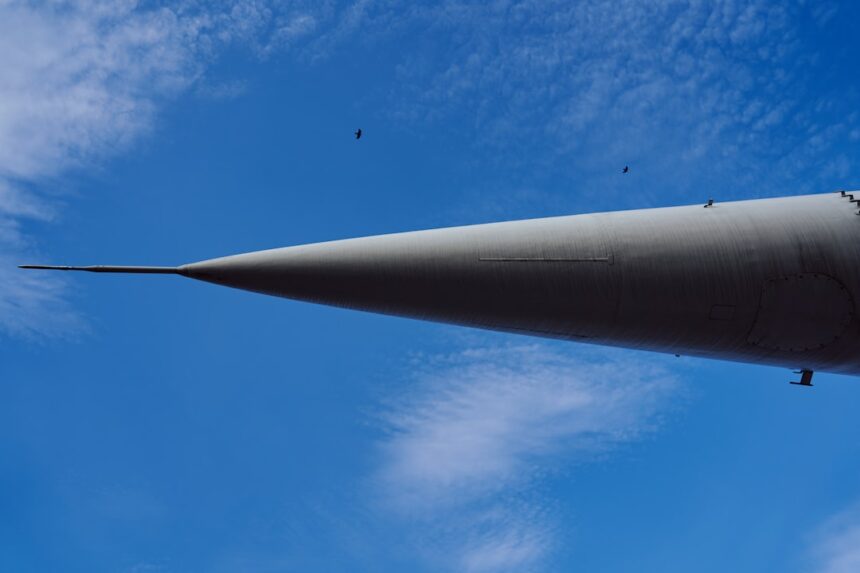
The nuclear torpedo represents a significant evolution in naval warfare technology, merging the destructive power of nuclear energy with the stealth and precision of traditional torpedoes. This formidable weapon system is designed to operate underwater, targeting enemy vessels with unparalleled lethality. Among the various nuclear torpedoes developed, the Poseidon stands out as a particularly advanced model, showcasing the capabilities of modern military engineering.
As nations continue to enhance their naval arsenals, understanding the implications of such weapons becomes increasingly critical. The introduction of nuclear torpedoes has transformed the dynamics of maritime conflict. Unlike conventional torpedoes, which rely on explosive warheads, nuclear torpedoes can unleash devastation on a much larger scale.
Their ability to strike from significant distances while remaining undetected adds a layer of complexity to naval strategy. The Poseidon, in particular, is designed not only to destroy enemy ships but also to create widespread chaos in coastal areas, making it a game-changer in the realm of underwater warfare.
Key Takeaways
- The Nuclear Torpedo, specifically the Poseidon, is a powerful and strategic weapon with impressive range and capabilities.
- The Poseidon’s range is a key factor in its effectiveness, allowing it to reach distant targets and impact naval warfare significantly.
- Nuclear torpedoes have a long history, with the Poseidon being the latest and most advanced iteration of this technology.
- When compared to conventional torpedoes, the Poseidon stands out for its range, power, and strategic implications.
- The engineering behind the Poseidon’s range is a testament to advanced technology and its impact on naval warfare and potential targets is significant.
The Power of Poseidon: Understanding its Impressive Range
The Poseidon nuclear torpedo boasts an impressive operational range that sets it apart from its predecessors. Capable of traveling thousands of kilometers, it can be launched from submarines positioned far from enemy shores, allowing for strategic strikes without exposing the launching vessel to immediate danger. This extended range enhances the element of surprise, enabling naval forces to engage targets that would otherwise be out of reach for conventional weaponry.
Moreover, the Poseidon’s range is complemented by its ability to navigate complex underwater terrains.
This capability not only increases its effectiveness but also complicates defensive measures for adversaries, who must account for potential threats from unexpected directions and distances.
A Brief History of Nuclear Torpedoes
The development of nuclear torpedoes can be traced back to the Cold War era when the arms race between superpowers prompted innovations in military technology. The United States and the Soviet Union both recognized the strategic advantages that nuclear weapons could provide in naval warfare. Early models were rudimentary compared to today’s standards, but they laid the groundwork for more sophisticated designs like the Poseidon.
As technology advanced, so did the capabilities of nuclear torpedoes. The introduction of guidance systems and improved propulsion methods allowed for greater accuracy and range. By the late 20th century, both NATO and Warsaw Pact nations had developed their own versions of nuclear torpedoes, leading to a new dimension in naval strategy.
The Poseidon represents the culmination of decades of research and development, embodying the lessons learned from past conflicts and technological advancements.
How the Poseidon Compares to Conventional Torpedoes
| Metrics | Poseidon | Conventional Torpedoes |
|---|---|---|
| Speed | Subsonic | Supersonic |
| Range | Unlimited | Limited |
| Warhead | Nuclear | Conventional |
| Deployment | Submarine-launched | Ship or submarine-launched |
When comparing the Poseidon to conventional torpedoes, several key differences emerge that highlight its superiority as a weapon system. Conventional torpedoes typically rely on high-explosive warheads designed to damage or sink enemy vessels through direct impact. In contrast, the Poseidon utilizes a nuclear warhead capable of causing widespread destruction over a larger area, making it a more formidable threat in naval engagements.
Additionally, conventional torpedoes often have limited range and speed, requiring submarines to operate within closer proximity to their targets. The Poseidon’s extended range allows it to be launched from a safe distance, reducing the risk to the launching submarine while increasing its strategic options. This capability not only enhances its effectiveness but also forces adversaries to rethink their defensive strategies against underwater threats.
The Engineering Behind the Poseidon’s Range
The engineering marvel that is the Poseidon nuclear torpedo is a product of cutting-edge technology and innovative design principles.
This propulsion system not only extends its operational range but also enables it to evade detection by enemy sonar systems.
Moreover, the guidance systems integrated into the Poseidon are state-of-the-art, employing sophisticated algorithms and sensors that allow for precise navigation through complex underwater environments. These systems enable the torpedo to adjust its course in real-time, responding to changes in ocean currents or potential obstacles. Such engineering advancements ensure that the Poseidon remains a relevant and effective weapon in modern naval warfare.
The Strategic Implications of the Poseidon’s Range
The strategic implications of the Poseidon’s impressive range are profound and multifaceted. For one, it alters the balance of power in naval warfare by providing nations with a potent deterrent against potential adversaries. The ability to strike from great distances means that countries can project power without needing to deploy large fleets close to enemy shores, thereby reducing their vulnerability.
Furthermore, the Poseidon’s range complicates traditional defense strategies employed by nations facing this threat. Naval forces must invest in advanced detection and countermeasure systems to protect against potential strikes from these nuclear torpedoes. This shift in focus can lead to an arms race in anti-submarine warfare technologies, as nations scramble to develop effective means of countering this new class of weaponry.
Potential Targets for the Poseidon
The potential targets for the Poseidon nuclear torpedo are varied and strategically significant. Primarily designed to engage enemy naval vessels, it poses a direct threat to aircraft carriers, destroyers, and submarines that form the backbone of modern naval fleets. The destruction of such key assets could severely cripple an adversary’s maritime capabilities and alter the course of a conflict.
In addition to military targets, the Poseidon could also be employed against critical infrastructure along coastlines. Ports, naval bases, and even coastal cities could be at risk if this weapon were deployed effectively. The implications of targeting civilian infrastructure raise ethical questions about the use of such devastating weaponry and highlight the need for international dialogue on nuclear arms control.
The Poseidon’s Impact on Naval Warfare
The introduction of the Poseidon nuclear torpedo has significant implications for naval warfare strategies worldwide. Its ability to strike with precision from great distances forces navies to rethink their operational doctrines and tactics. Traditional surface engagements may become less common as submarines equipped with such advanced weaponry take center stage in maritime conflicts.
Moreover, the psychological impact of knowing that such a weapon exists can alter decision-making processes among military leaders and policymakers. The fear of potential nuclear retaliation may deter nations from engaging in aggressive actions against those equipped with nuclear torpedoes like the Poseidon. This deterrent effect could lead to a more cautious approach in international relations, potentially reducing the likelihood of conflict but also complicating diplomatic negotiations.
Environmental and Humanitarian Concerns
The deployment of nuclear torpedoes like the Poseidon raises significant environmental and humanitarian concerns that cannot be overlooked. The detonation of a nuclear warhead underwater would have catastrophic consequences for marine ecosystems, potentially leading to long-term damage that could affect biodiversity and fisheries crucial for human sustenance. Furthermore, the humanitarian implications are dire; any use of nuclear weapons would result in loss of life on an unprecedented scale.
The fallout from such an event would not only impact military personnel but also civilians living in coastal areas near potential targets. These concerns underscore the importance of international treaties aimed at controlling nuclear weapons and promoting disarmament efforts.
International Response to the Poseidon
The international response to the development and deployment of the Poseidon has been mixed, reflecting broader geopolitical tensions and concerns about nuclear proliferation. Some nations view this advancement as a necessary step in maintaining national security and deterrence capabilities against potential adversaries. Others perceive it as an escalation in an arms race that could destabilize global security.
Diplomatic efforts have been initiated by various countries seeking to address these concerns through dialogue and negotiation. Treaties aimed at limiting nuclear arsenals and promoting transparency in military capabilities are essential in mitigating fears surrounding weapons like the Poseidon. However, achieving consensus among nations with differing security priorities remains a complex challenge.
The Future of Nuclear Torpedo Technology
As technology continues to advance at an unprecedented pace, the future of nuclear torpedo technology remains uncertain yet intriguing. Innovations in artificial intelligence, materials science, and propulsion systems may lead to even more sophisticated designs capable of evading detection and enhancing operational effectiveness. The potential for autonomous underwater vehicles equipped with nuclear capabilities could redefine naval warfare once again.
However, with these advancements come ethical considerations regarding their use and proliferation. The international community must grapple with questions about how best to regulate such powerful technologies while ensuring global security remains intact. As nations navigate this complex landscape, ongoing discussions about disarmament and responsible stewardship of military technology will be crucial in shaping the future trajectory of nuclear torpedo development.
In conclusion, while the Poseidon nuclear torpedo exemplifies cutting-edge military technology with significant strategic implications, it also raises pressing ethical concerns that demand careful consideration from global leaders. As nations continue to develop their naval capabilities, fostering dialogue around disarmament and responsible use will be essential in ensuring that advancements in military technology do not come at an unacceptable cost to humanity or the environment.
The Poseidon nuclear torpedo, a cutting-edge weapon system developed by Russia, boasts an impressive range that significantly enhances its strategic capabilities. For a deeper understanding of the implications of such advancements in military technology, you can read more in this related article on the topic at In The War Room. This article delves into the potential impact of the Poseidon torpedo on global security dynamics and naval warfare.
WATCH THIS! The Secret Russian Weapon That Terrifies NATO
FAQs
What is the range of the Poseidon nuclear torpedo?
The Poseidon nuclear torpedo, also known as Status-6, is reported to have a range of up to 10,000 kilometers (6,200 miles).
How does the range of the Poseidon nuclear torpedo compare to other nuclear weapons?
The range of the Poseidon nuclear torpedo is significantly greater than that of most other nuclear weapons, making it a long-range strategic weapon.
What is the purpose of the Poseidon nuclear torpedo?
The Poseidon nuclear torpedo is designed to be a doomsday weapon, capable of causing widespread destruction and devastation to enemy coastal areas.
Is the Poseidon nuclear torpedo currently in use by any military force?
As of now, the Poseidon nuclear torpedo is still in development and has not been deployed by any military force.
What are the potential implications of the Poseidon nuclear torpedo’s range?
The long range of the Poseidon nuclear torpedo raises concerns about its ability to reach distant targets and its potential to cause catastrophic damage.