The deep ocean, a realm of profound darkness and immense pressure, has long been a frontier of human exploration and, increasingly, a stage for geopolitical competition. Readers, envision this vast, silent world not as an empty void, but as a complex chessboard, where nations maneuver covertly, seeking strategic advantage. The United States and Russia, inheritors of a Cold War legacy, are engaged in an intensifying underwater intelligence race, a silent ballet of technological prowess and strategic cunning that largely unfolds beyond public view. This hidden struggle extends from the Arctic ice caps to the abyssal plains, encompassing the development of ever more sophisticated sensors, submarines, and autonomous systems designed to map, monitor, and potentially disrupt critical infrastructure or gather invaluable intelligence.
The roots of this underwater intelligence race stretch back to the Cold War, a period characterized by a relentless pursuit of technological superiority in all domains, including the maritime. Both the United States and the Soviet Union recognized the strategic importance of the oceans – as pathways for ballistic missile submarines, as chokepoints for naval power projection, and as potential arenas for covert operations.
Early Submarine Warfare and Detection
During this era, the primary focus was on anti-submarine warfare (ASW). The development of quieter submarines by both sides necessitated a corresponding evolution in detection capabilities. Hydrophone arrays, sonobuoys, and advanced sonar systems became critical tools in this underwater cat-and-mouse game.
- SOSUS Network: The Sound Surveillance System (SOSUS) was a vast, classified network of underwater hydrophones deployed by the U.S. Navy during the Cold War. Its primary purpose was to passively detect and track Soviet submarines, providing early warning of their movements. This system represents a monumental engineering effort and served as a foundational element of underwater intelligence gathering.
- Soviet Countermeasures: The Soviet Union, in turn, invested heavily in developing quieter submarines and advanced acoustic countermeasures, aiming to evade detection by SOSUS and other Western ASW assets. This constant cycle of innovation and counter-innovation defined the early stages of the underwater intelligence race.
Strategic Deterrence and Nuclear Submarines
The advent of nuclear-powered ballistic missile submarines (SSBNs) fundamentally altered the strategic landscape. These submarines, capable of launching nuclear weapons from beneath the waves, became a cornerstone of both nations’ nuclear deterrence doctrines.
- Second-Strike Capability: SSBNs provided a credible “second-strike capability,” ensuring that even if one’s land-based nuclear forces were destroyed in a first strike, a retaliatory strike could still be delivered from the oceans. This made the ability to track and, conversely, hide these submarines paramount.
- Covert Patrols and Surveillance: Both U.S. and Soviet SSBNs undertook long, silent patrols, often venturing into challenging environments to maintain their elusive status, while intelligence agencies simultaneously sought to monitor their movements.
The ongoing underwater intelligence race between the USA and Russia has significant implications for global security and military strategy. A related article that delves deeper into this topic can be found on In The War Room, which explores the advancements in submarine technology and the strategic maneuvers of both nations. For more insights, you can read the article here: In The War Room.
Evolution of Underwater Technologies and Capabilities
The modern underwater intelligence race is characterized by a rapid acceleration in technological development, pushing the boundaries of what is possible in the deep ocean. The traditional tools of submarine and sonar are now augmented by a diverse array of advanced systems.
Advanced Submarines and Their Roles
Submarines remain the quintessential platforms for underwater intelligence gathering. Their stealth, endurance, and ability to operate independently make them invaluable assets.
- Virginia-class Submarines (USA): These multi-mission nuclear-powered attack submarines are designed for a wide range of operations, including intelligence, surveillance, and reconnaissance (ISR), as well as special operations. Their advanced acoustic signatures and sophisticated sensor suites make them highly capable intelligence platforms.
- Severodvinsk-class submarines (Russia): Russia’s Yasen-class (or Severodvinsk-class) nuclear-powered cruise missile submarines represent a significant leap in Russian submarine technology. They are designed as multirole platforms, capable of anti-ship and land-attack operations, but also possess considerable intelligence-gathering capabilities. Their impressive stealth characteristics and new weapon systems pose a considerable challenge.
- Special Mission Submarines: Both nations operate specialized submarines tailored for covert operations, such as laying or tapping undersea cables, deploying seabed sensors, or conducting deep-sea salvage operations. These platforms are often highly classified and represent the cutting edge of underwater intelligence.
Unmanned Underwater Vehicles (UUVs)
UUVs are emerging as game-changers in the underwater domain, offering a cost-effective and persistent presence in contested areas. They can operate autonomously for extended periods, reducing risk to human life.
- Autonomous Operations: UUVs can perform tasks such as mapping the seabed, detecting mines, monitoring maritime traffic, and gathering intelligence in areas too dangerous or difficult for manned platforms. Their versatility is expanding rapidly.
- Sensor Miniaturization: Advances in sensor technology allow UUVs to carry a wide array of sophisticated instruments, including sonar, magnetic anomaly detectors, and even chemical and biological sensors, expanding their intelligence-gathering capabilities.
- Swarming Capabilities: The concept of “swarms” of UUVs, operating collaboratively, holds the potential for overwhelming adversaries with distributed intelligence gathering and surveillance.
Undersea Cable Infrastructure
Undersea communication cables are the arteries of the global internet, carrying over 99% of international data traffic. These vital networks are now recognized as critical infrastructure, making them both targets and sources in the underwater intelligence race.
- Vulnerability of Cables: Their fixed locations and relative defenselessness make them vulnerable to espionage and potential sabotage. Disrupting these cables could have catastrophic economic and strategic consequences.
- Monitoring and Tapping: Both nations are developing capabilities to monitor and potentially tap these cables for intelligence purposes. This involves specialized UUVs and submersibles capable of operating at extreme depths and with great precision.
- Strategic Importance: The ability to map, monitor, and potentially interfere with undersea cable infrastructure grants a nation immense strategic leverage in a conflict or espionage scenario.
Strategic Objectives and Areas of Competition
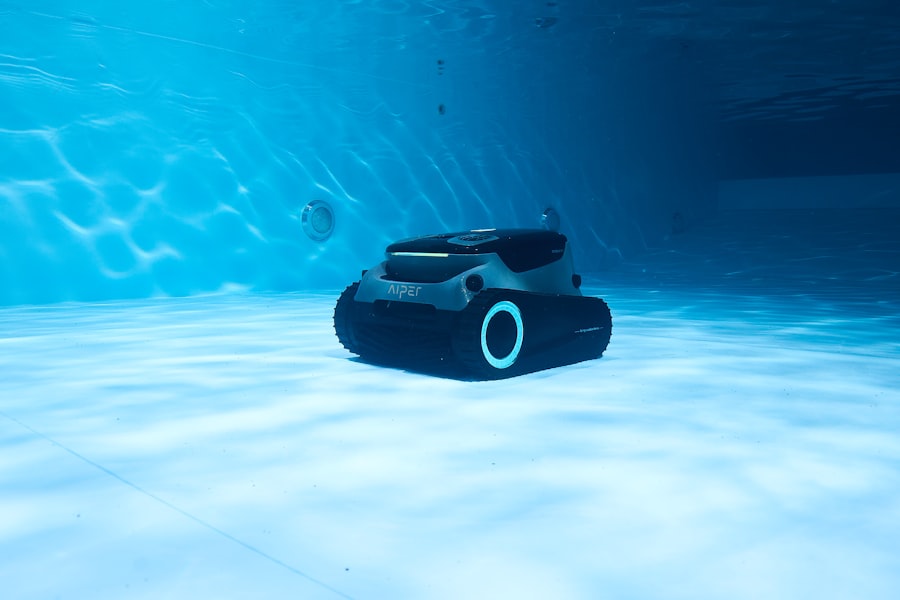
The objectives of the underwater intelligence race are multifaceted, encompassing traditional military advantage, resource acquisition, and the projection of geopolitical influence.
Mapping the Seafloor and Resource Control
Detailed knowledge of the seafloor topography, currents, and geological features is crucial for safe navigation, effective sonar operations, and the identification of strategic resources.
- Arctic Seafloor Mapping: The melting Arctic ice opens up new sea lanes and access to vast, untapped natural resources. Both the U.S. and Russia are actively mapping the Arctic seabed to assert territorial claims and control potential resource extraction. This area is a prime example of where the intelligence race intertwines with resource competition.
- Hydrographic Surveys: Comprehensive hydrographic surveys not only aid navigation but also reveal potential locations for deploying fixed sensors, establishing covert bases, or laying future undersea infrastructure.
Anti-Submarine Warfare (ASW) Preparedness
Despite the focus on new technologies, traditional ASW remains a core objective. The ability to detect, track, and, if necessary, neutralize enemy submarines is paramount for naval superiority.
- Passive Acoustic Systems: Advances in passive sonar arrays and acoustic processing allow for the detection of ever-quieter submarines at greater ranges. The ability to identify specific submarine signatures is a key intelligence advantage.
- Active Sonar Refinements: While passive systems are preferred for stealth, active sonar still plays a role, particularly in specific tactical situations. Developments focus on improving range, resolution, and resistance to countermeasures.
- Distributed Sensor Networks: The future of ASW likely involves vast networks of interconnected sensors—from fixed seabed arrays to deployable sonobuoys and UUVs—working in concert to create a comprehensive underwater picture.
Counter-Intelligence and Deception
As intelligence gathering intensifies, so too does the need for effective counter-intelligence measures to protect one’s own assets and capabilities.
- Submarine Acoustic Signatures: Minimizing a submarine’s acoustic signature remains a high priority, involving advanced silencing technologies, anechoic coatings, and careful operational procedures.
- Undersea Camouflage: The development of materials and technologies to make underwater platforms less detectable by various sensor types, akin to aerial stealth technology, is an ongoing area of research.
- Disinformation and Spoofing: The use of acoustic decoys, electronic warfare, and other deception techniques can sow confusion and mislead adversaries about the true location or intent of underwater assets.
The Arctic as a Key Battleground

The Arctic, with its unique environmental challenges and strategic importance, has emerged as a focal point for the underwater intelligence race. Its geography and the effects of climate change present both obstacles and opportunities.
Melting Ice and New Sea Routes
Global warming is causing the rapid melting of Arctic sea ice, opening up previously inaccessible sea lanes, most notably the Northern Sea Route.
- Strategic Passages: These new routes offer shorter transit times between Europe and Asia but also provide new avenues for naval operations and potential conflict. Control or significant influence over these passages is a major strategic imperative.
- Increased Naval Presence: Both the U.S. and Russia are increasing their naval presence and intelligence-gathering activities in the Arctic to monitor these new routes and project power.
Resource Exploitation and Sovereignty Claims
The Arctic seabed is believed to contain vast reserves of oil, natural gas, and rare earth minerals, making it a highly desirable area for resource exploitation.
- Contested Territories: Overlapping territorial claims by Arctic nations, including Russia and the U.S., create a complex geopolitical landscape where intelligence gathering supports claims and monitors competitor activities.
- Seabed Mapping: Detailed mapping of the Arctic seabed is essential for identifying potential resource sites and for supporting legal arguments regarding continental shelf extensions.
Operational Challenges and Adaptations
Operating in the Arctic presents unique challenges for underwater intelligence gathering, requiring specialized technologies and operational procedures.
- Ice-Hardened Submarines: Submarines designed to operate under and through thick ice are essential for sustained presence in the Arctic. Their hull integrity and navigational systems must be incredibly robust.
- Extreme Cold and Darkness: The extreme cold, prolonged darkness, and magnetic anomalies near the poles can interfere with sensor performance and communications, necessitating specialized equipment and techniques.
- Remote Sensing and Satellites: Satellite imagery, particularly synthetic aperture radar (SAR), plays a crucial role in monitoring ice conditions and identifying open water or leads for submarine operations.
The ongoing underwater intelligence race between the USA and Russia has significant implications for global security and military strategy. As both nations invest heavily in advanced submarine technology and underwater drones, the competition intensifies, raising concerns about potential conflicts in contested waters. For a deeper understanding of the strategic dynamics at play, you can read more in this insightful article on the topic. This related article explores the technological advancements and geopolitical ramifications of this underwater rivalry.
Implications for International Security and Stability
| Metric | USA | Russia |
|---|---|---|
| Number of Underwater Surveillance Vessels | 15 | 12 |
| Advanced Underwater Drones Deployed | 30 | 25 |
| Underwater Sensor Networks | 5 Major Networks | 4 Major Networks |
| Years of Active Underwater Intelligence Operations | 40+ | 50+ |
| Estimated Budget Allocation (Annual) | High | Moderate |
| Focus Areas | Arctic, Pacific, Atlantic | Arctic, Baltic Sea, Pacific |
| Technological Innovations | AI-driven sonar, stealth drones | Advanced acoustic sensors, autonomous subs |
| Known Underwater Bases | 3 | 4 |
The ongoing underwater intelligence race carries profound implications for global security, influencing strategic stability and the potential for future conflicts. The opaque nature of this competition often exacerbates tensions.
Escalation Risks and Miscalculation
The covert nature of underwater operations means that close encounters or unforeseen incidents could quickly escalate, particularly in contested areas leading to miscalculations.
- “Shadow War” beneath the Waves: The constant, silent struggle below the surface is a “shadow war” where intentions are often unclear, and actions can be misinterpreted, raising the risk of unintended confrontations.
- Limited Transparency: The lack of transparency surrounding these activities makes it difficult to establish clear rules of engagement or de-escalation protocols, increasing the potential for accidents to spiral out of control.
Impact on Cyber Warfare and Critical Infrastructure
The link between undersea cables and global communications means that the underwater intelligence race is inherently tied to cyber warfare capabilities.
- Threat to Global Internet: The ability to disrupt or tap undersea cables provides a powerful tool for information warfare and economic disruption. Protecting these vital arteries is a growing national security concern.
- Interference with Data Flow: Intelligence gathered from cable tapping can provide invaluable insights into an adversary’s communications, financial transactions, and military operations.
Future of Naval Power and Deterrence
The underwater intelligence race continues to redefine naval power and the nature of strategic deterrence. The nation that masters the deep ocean will possess a significant geopolitical advantage.
- Persistent Surveillance: The ability to maintain persistent surveillance over vast ocean areas, often unnoticed, gives a nation a critical intelligence edge.
- Denial of Access: Advanced underwater capabilities can be used to deny an adversary access to crucial sea lanes or to protect one’s own maritime assets.
- Strategic Superiority: Ultimately, the outcome of this race will contribute to establishing a form of strategic superiority, allowing one power to understand and operate in the maritime domain with greater effectiveness than its rival.
The underwater intelligence race between the United States and Russia is a complex, high-stakes competition unfolding in the most challenging environment on Earth. It is a testament to human ingenuity and perseverance, but also a stark reminder of the enduring nature of geopolitical rivalries. As technology continues to evolve, the deep ocean will remain a critical arena for intelligence gathering, strategic maneuvering, and the silent struggle for global influence. This silent battle, far from the public eye, directly shapes the security landscape of the 21st century.
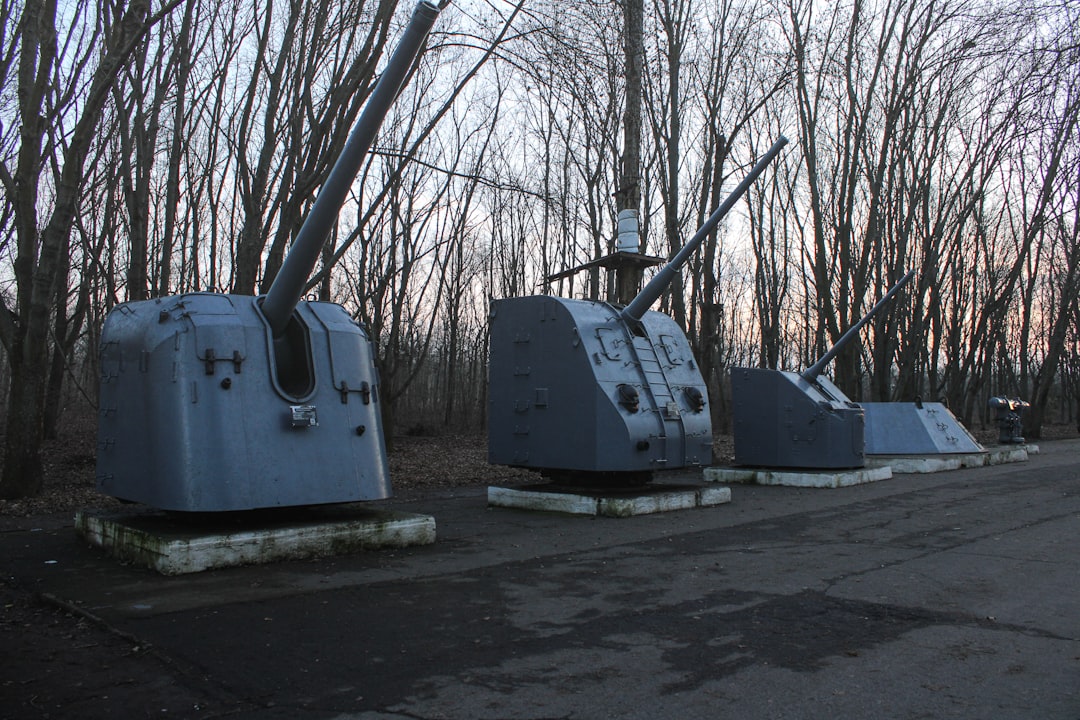
STOP: The Fake Mining Ship That Almost Started WW3
FAQs
What is the USA vs Russia underwater intelligence race?
The USA vs Russia underwater intelligence race refers to the ongoing competition between the United States and Russia to develop and deploy advanced underwater technologies for intelligence gathering, surveillance, and military advantage beneath the oceans.
Why is underwater intelligence important for the USA and Russia?
Underwater intelligence is crucial because it allows both countries to monitor submarine movements, secure their naval assets, gather strategic information, and maintain a technological edge in underwater warfare and national security.
What types of technologies are involved in the underwater intelligence race?
Technologies include advanced submarines, underwater drones (autonomous underwater vehicles), sonar systems, underwater communication networks, and sensor arrays designed to detect and track underwater activities.
How do the USA and Russia deploy their underwater intelligence assets?
Both countries deploy a combination of manned submarines, unmanned underwater vehicles, and fixed or mobile sensor networks in strategic maritime regions such as the Arctic, the North Atlantic, and near key naval bases to monitor adversary movements and gather intelligence.
What are the strategic implications of the underwater intelligence race between the USA and Russia?
The race impacts global naval power balance, influences deterrence strategies, and raises concerns about underwater security and potential conflicts. It also drives technological innovation and shapes international maritime policies and treaties.