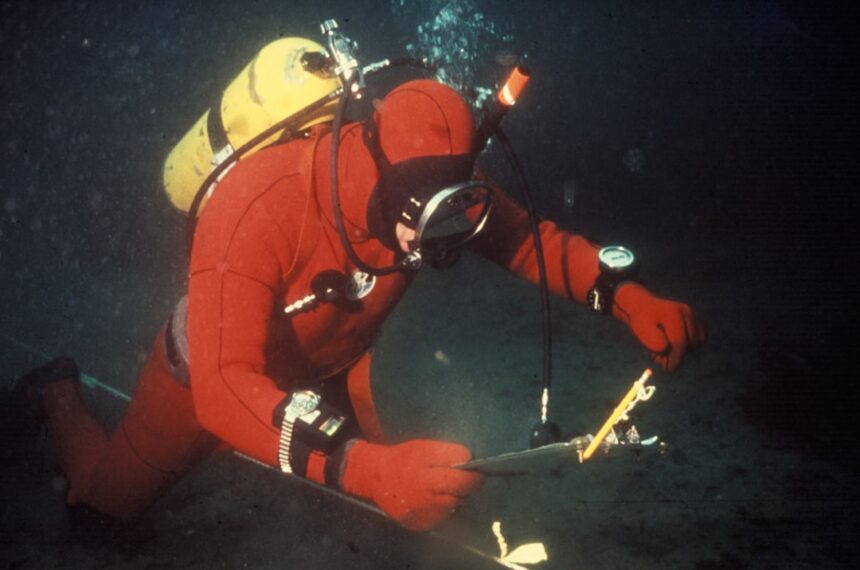
The ocean, a vast and largely unexplored frontier, holds secrets that stretch back to the dawn of time. Beneath its undulating surface lies a world of mystery, a realm that has captivated humanity for centuries. But beyond the allure of its natural wonders, the deep sea has also become a silent battleground, a theater for operations that unfold in the crushing darkness, far from the prying eyes of the public. This is the realm of underwater espionage, a shadowed discipline where the stakes are as high as the pressure at the ocean’s floor.
The strategic importance of the underwater domain cannot be overstated. Oceans cover over 70% of the Earth’s surface, providing vital avenues for global trade, energy resources, and military projection. Consequently, controlling or at least understanding activities within this submerged world is a paramount concern for nations worldwide. The very nature of the underwater environment lends itself to clandestine operations. Sound travels efficiently through water, creating acoustic envelopes that can both conceal and betray. Light diminishes rapidly, plunging the depths into perpetual twilight or absolute darkness, rendering conventional surveillance methods obsolete.
The Foundation of Covert Naval Operations
For centuries, naval power has been intrinsically linked to a nation’s geopolitical standing. The ability to project force, secure sea lanes, and gather intelligence from the maritime domain has been a cornerstone of statecraft. In the modern era, this projection extends far beyond surface vessels. Submarines, the ultimate stealth platforms, have redefined naval warfare and intelligence gathering. Their ability to operate undetected beneath the waves makes them ideal for a multitude of covert tasks.
Navigating the Acoustic Landscape
The ocean is a remarkably noisy place, and understanding this cacophony is crucial for effective underwater espionage. Every ship, every submarine, every marine mammal emits sound. These acoustic signatures are unique identifiers, akin to fingerprints, allowing trained personnel to differentiate between various contacts. Espionage in this environment is an intricate dance of listening and avoiding detection, a constant battle to discern signal from noise.
The Vulnerability of Submarine Cables
As the arteries of the digital world, submarine communication cables carry a colossal amount of global data traffic – financial transactions, diplomatic communications, and private conversations. Their strategic vulnerability is immense. A carefully orchestrated sabotage or tapping operation at a critical juncture could have devastating economic and political consequences for a targeted nation. The silent, unseen hand that can sever or eavesdrop on these lifelines possesses a potent weapon.
Deep sea diving espionage has become an intriguing topic in recent years, particularly as nations seek to protect their underwater assets and gather intelligence on rival capabilities. A related article that delves into the intricacies of underwater surveillance and the tactics employed by various countries can be found at In The War Room. This piece explores the technological advancements in underwater drones and the strategic implications of deep-sea operations in modern warfare.
Submarine Technology: The Vanguard of Secrecy
Submarines, in their myriad forms, are the workhorses of underwater espionage. They are not merely vessels for personnel; they are sophisticated intelligence-gathering platforms, bristling with sensors and communication equipment designed to operate in an environment where detection is a constant threat. The evolution of submarine technology has been a relentless arms race, each advancement aimed at increasing stealth, endurance, and operational capability.
Stealth Design and Acoustic Signature Reduction
The most critical aspect of submarine design for espionage is stealth. Early submarines relied on dark paint and silent running. Modern submarines employ a wide array of technologies to minimize their acoustic signature. This includes anechoic tiles that absorb sonar pulses, advanced propeller designs that reduce cavitation (the formation of bubbles that generate noise), and innovative hull designs that minimize sonar reflection. The goal is to make the submarine as invisible to sonar as a ghost to the naked eye.
Advanced Sonar Systems: Listening to the Deep
Sonar (Sound Navigation and Ranging) is the primary tool for “seeing” underwater. Espionage submarines are equipped with highly sophisticated sonar systems, both passive and active. Passive sonar listens for sounds emitted by other vessels, equipment, or even marine life. Active sonar, on the other hand, emits sound pulses and analyzes the echoes that return. This allows submarines to map the ocean floor, detect submerged obstacles, and track potential targets, all while maintaining a low profile.
Unmanned Underwater Vehicles (UUVs): The Silent Sentinels
The introduction of Unmanned Underwater Vehicles (UUVs) has revolutionized underwater intelligence gathering. These autonomous or remotely operated vehicles can undertake missions too dangerous or difficult for manned submarines. UUVs can be deployed to conduct reconnaissance, lay surveillance equipment, or even perform complex sabotage operations without risking human lives. They are the robotic scouts of the deep, venturing into the unknown where humans cannot easily go.
Communication in the Abyss: A Perilous Endeavor
Communicating from beneath the waves is a significant technical challenge. Radio waves, which are the backbone of surface communication, are rapidly absorbed by water. This necessitates specialized methods. Extremely low-frequency (ELF) radio waves can penetrate water to a limited extent, but they require enormous antennas and are typically used for communicating with submerged submarines rather than for data transmission. More advanced methods involve acoustic modems for short-range communication and the periodic surfacing or use of specialized buoys for longer-range transmissions, each carrying inherent risks of detection.
Human Intelligence in the Briny Deep
While technology plays an indispensable role, the human element remains crucial in underwater espionage. Specialized divers, often drawn from elite military units, are the operatives who undertake the most delicate and dangerous missions. Their training is rigorous, pushing the boundaries of human endurance and skill.
Special Operations Divers: Masters of the Underwater Environment
Special Operations Divers (SODs), often referred to as Combat Divers or SEALs in some countries, are the spearhead of human-led underwater intelligence and covert operations. They undergo extensive training in scuba diving, rebreather technology, underwater navigation, demolitions, and close-quarters combat. Their missions can range from reconnaissance of enemy ports and shorelines to the emplacement of sensitive listening devices or the sabotage of underwater infrastructure.
The Psychological and Physiological Toll
Operating in the underwater environment places immense stress on the human body and mind. The crushing pressure, the limited visibility, the reliance on artificial breathing apparatus, and the constant threat of detection take a significant toll. Divers must be psychologically resilient, capable of making split-second decisions under extreme duress, and possessing an unwavering focus on their mission objectives. The constant battle against claustrophobia and the physiological effects of prolonged submersion requires a unique breed of warrior.
Sabotage and Infiltration: The Art of Undermining
For trained operatives, the underwater realm offers unique opportunities for sabotage and infiltration. Targets can include enemy submarine bases, underwater pipelines, or cable landing sites. The precision required is immense. A misplaced explosive, an ill-timed acoustic ping, or a detected entry can compromise an entire operation and expose the operatives. The goal is to strike unseen, leaving minimal trace, like a ripple disappearing on the surface.
Intelligence Gathering Through Direct Observation
Beyond technological means, human divers can gather invaluable intelligence through direct observation. This can involve visually inspecting underwater installations, documenting the presence of enemy submersibles, or assessing the condition of underwater structures. Their ability to interpret the subtle cues of the underwater environment can provide insights that even the most advanced sensors might miss.
Espionage Targets: What Lies Beneath
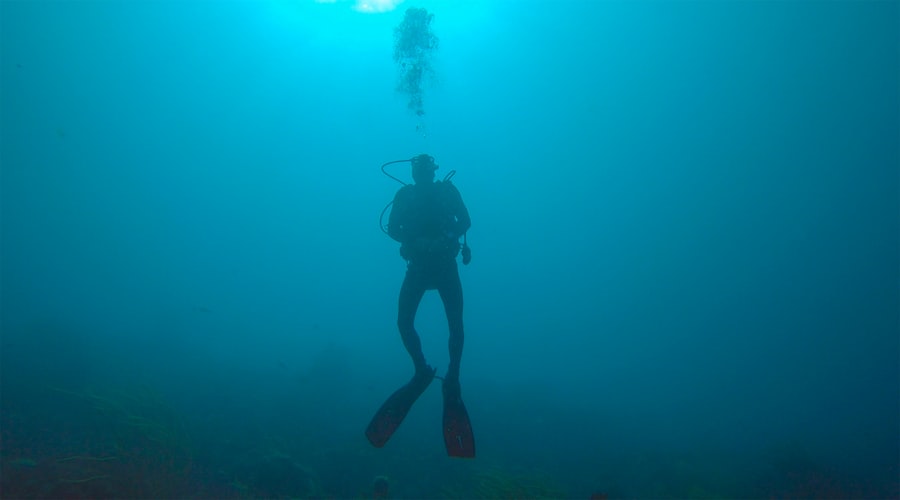
The underwater world is not just a conduit for operations; it contains critical strategic assets and vulnerabilities that are prime targets for espionage. Nations seek to understand the capabilities and intentions of rivals by probing these undersea assets.
Enemy Submarine Bases and Infrastructure
The location, layout, and operational tempo of enemy submarine bases are of paramount intelligence interest. Understanding where submarines are housed, how they are deployed, and what defensive measures are in place can provide a significant strategic advantage. This includes mapping internal layouts, identifying security patrols, and assessing loading and maintenance schedules.
Undersea Cables and Communication Hubs
As mentioned previously, submarine cables are a critical nexus of modern communication. Their tapping or disruption could cripple a nation’s information flow. Intelligence agencies invest heavily in understanding the routes of these cables, their vulnerabilities, and the technological means to access them without detection by the operating companies or other national powers. The silence of the deep can mask the most profound eavesdropping.
Natural Resources and Offshore Installations
The growing exploitation of undersea resources, such as oil and gas fields, and the increasing proliferation of offshore wind farms and other installations, present new frontiers for espionage. Nations may seek to monitor the activities of rival energy companies, gather intelligence on resource extraction capabilities, or even contemplate sabotage of critical energy infrastructure. The vastness of these offshore sites offers both concealment and opportunity.
Maritime Boundary Monitoring and Sovereignty Claims
In contested maritime areas, underwater espionage plays a crucial role in monitoring activities and asserting territorial claims. This can involve tracking the movements of foreign vessels operating within disputed waters, documenting the establishment of unauthorized underwater structures, or gathering evidence to support legal claims over seabed resources. The ocean floor can become the silent arbiter of territorial disputes.
Deep sea diving espionage has become an intriguing topic in recent years, especially with the increasing importance of underwater operations in military and intelligence activities. A related article explores the historical context and modern implications of such covert missions, shedding light on the techniques and technologies employed by operatives. For those interested in delving deeper into this fascinating subject, you can read more about it in this insightful piece here.
The Future of Underwater Espionage
| Metric | Value | Unit | Description |
|---|---|---|---|
| Maximum Operational Depth | 300 | meters | Maximum depth at which espionage divers can operate effectively |
| Average Dive Duration | 90 | minutes | Typical length of a deep sea espionage dive mission |
| Communication Range | 500 | meters | Effective underwater communication distance using specialized equipment |
| Stealth Equipment Noise Level | 30 | decibels | Noise generated by stealth diving gear to avoid detection |
| Number of Espionage Missions Annually | 15 | missions | Estimated number of deep sea espionage operations conducted per year |
| Typical Team Size | 3 | persons | Number of divers involved in a standard espionage mission |
| Equipment Weight | 25 | kilograms | Weight of diving and espionage gear carried by each diver |
The technological arms race in the underwater domain is far from over. Emerging technologies promise to further blur the lines between the known and the unknown, offering new capabilities for both those who wish to observe and those who wish to remain hidden.
AI and Machine Learning in Acoustic Analysis
Artificial intelligence and machine learning are poised to revolutionize how underwater acoustics are analyzed. These algorithms can sift through vast datasets of sonar information with unprecedented speed and accuracy, identifying subtle patterns and anomalies that might elude human analysts. This promises to enhance the ability to detect stealthy submarines and to distinguish between friendly and hostile acoustic signatures.
Swarm Robotics and Autonomous Operations
The concept of swarm robotics, where multiple autonomous vehicles coordinate their actions, is likely to find significant application in underwater espionage. Swarms of UUVs could be deployed to conduct large-scale surveillance, map vast areas of the seabed, or even overwhelm defensive systems through coordinated action. Their distributed nature makes them difficult to counter effectively.
Advanced Material Science and Camouflage
Continued advancements in material science will likely lead to new generations of stealth coatings and exotic materials that further reduce the acoustic and visual signature of underwater vehicles. Nanotechnology may offer novel ways to camouflage vessels or even alter their acoustic properties in real-time, making them even more elusive.
The Growing Importance of Citizen Science and Open-Source Intelligence
While not directly espionage in the traditional sense, the rise of citizen science initiatives and the increasing availability of open-source intelligence related to maritime activities also contribute to the broader picture. Publicly available satellite imagery, oceanographic data, and even reports from recreational divers can, when aggregated and analyzed, provide clues to clandestine activities. The ocean’s secrets are becoming increasingly interconnected with the digital realm.
The pursuit of knowledge and advantage in the underwater realm is a relentless endeavor. From the silent, unseen ballet of submarines to the human courage of divers navigating crushing pressures, underwater espionage is a testament to humanity’s enduring quest to understand and control its environment, even its most alien and formidable depths. The secrets of the deep continue to be unearthed, not through triumphant discovery, but through the quiet, deliberate work of those who operate where light does not reach.
FAQs
What is deep sea diving espionage?
Deep sea diving espionage refers to covert operations conducted underwater, often involving the use of specialized diving equipment to gather intelligence, conduct surveillance, or perform sabotage on underwater installations or vessels.
What equipment is commonly used in deep sea diving espionage?
Specialized equipment includes rebreathers to avoid bubbles, underwater communication devices, stealth diving suits, underwater propulsion vehicles, and advanced sonar or imaging technology to navigate and gather information discreetly.
Which organizations typically conduct deep sea diving espionage?
Military and intelligence agencies, such as naval special forces and intelligence services, are the primary entities involved in deep sea diving espionage, using it for strategic reconnaissance, sabotage, or securing underwater assets.
What are the risks associated with deep sea diving espionage?
Risks include physical dangers like decompression sickness, drowning, equipment failure, and detection by adversaries, which can lead to capture or diplomatic incidents.
How has technology impacted deep sea diving espionage?
Advancements in underwater robotics, stealth technology, communication systems, and diving gear have significantly enhanced the capabilities, safety, and effectiveness of deep sea espionage operations.