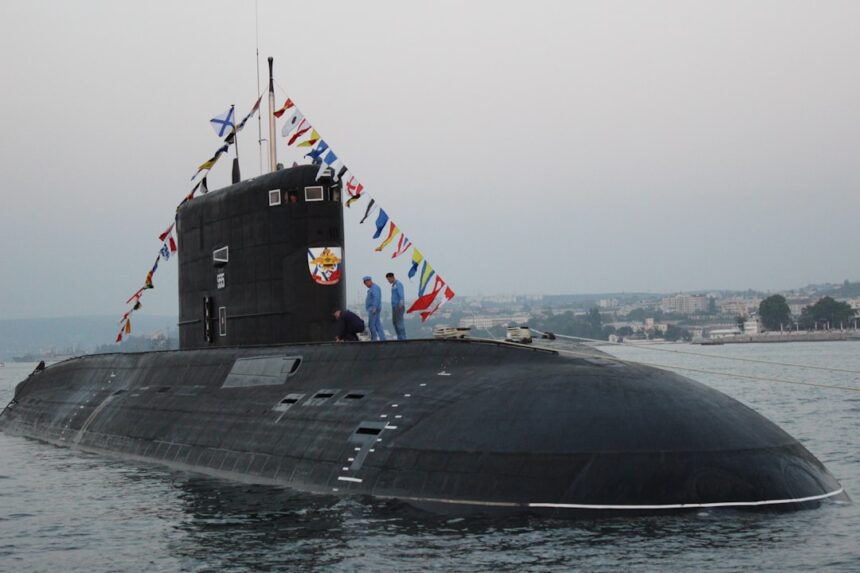
The Cold War was a silent, invisible battle waged beneath the waves, a realm where shadows danced and secrets festered. Submarines, once clumsy behemoths of early naval warfare, transformed into sophisticated instruments of espionage, becoming the eyes and ears of nations locked in a decades-long ideological struggle. These underwater leviathans, crewed by steely-nerved individuals, embarked on missions of unparalleled risk and importance, their every move a potential catalyst for global conflict.
The early days of the Cold War saw a rapid escalation in naval technology, with submarines emerging as a key strategic asset. Their ability to operate undetected made them ideal for gathering intelligence on enemy fleets, coastal defenses, and even for planting listening devices.
Early Submarine Designs and Capabilities
Following World War II, both the United States and the Soviet Union invested heavily in their submarine forces. The emergence of nuclear propulsion, in particular, revolutionized submarine warfare. No longer tethered to the surface for air, these vessels could remain submerged for extended periods, their operational reach and stealth capabilities dramatically enhanced. This technological leap opened up new avenues for intelligence gathering, allowing submarines to patrol vast stretches of ocean for weeks, even months, on end.
The Strategic Imperative of Underwater Intelligence
Understanding the capabilities and movements of the opposing superpower’s navy was paramount. Intelligence about submarine deployments, missile development, and naval exercises directly informed strategic planning and defensive measures. A single captured document or overheard communication could alter the delicate balance of power. Submarines offered a unique vantage point, a ghost in the machine, capable of observing without being readily observed.
During the Cold War, submarine spy operations played a crucial role in gathering intelligence and monitoring enemy activities beneath the waves. These covert missions often involved advanced technology and intricate strategies, as submarines became the silent sentinels of the ocean. For a deeper dive into the intricacies of these operations, you can explore the article on Cold War submarine espionage at In the War Room. This resource provides valuable insights into the tactics and technologies that defined underwater warfare during this tense period in history.
Missions of the Silent Service
The missions undertaken by Cold War submarines were diverse and often fraught with danger. From sophisticated electronic eavesdropping to covert seabed operations, these vessels were the silent sentinels of national security.
Electronic Intelligence (ELINT) and Signals Intelligence (SIGINT)
Submarines were equipped with advanced acoustic and electronic sensors designed to intercept a wide array of signals. This included radar emissions, radio communications, and even the sonar pings of other vessels. Specialized crews, known as “spook submarines,” were tasked with meticulously analyzing this intercepted data, often deciphering encrypted messages or identifying the operational patterns of enemy forces. Imagine a submarine as a colossal ear pressed against the ocean floor, straining to hear the faintest whisper of intent from across the chasm of international tension.
Acoustic Intelligence (ACOUSTINT) and Sonar Prowess
Acoustic intelligence was the cornerstone of submarine operations. By listening to the unique sound signatures of different naval vessels, experienced sonar operators could identify enemy submarines, surface ships, and even aircraft from miles away. This passive listening capability was crucial for avoiding detection while simultaneously gathering intelligence on the composition and disposition of enemy fleets. The ocean, teeming with sound, became a canvas upon which these acoustic detectives painted a picture of the adversary’s underwater world.
Covert Operations and Seabed Exploitation
Beyond electronic eavesdropping, some submarines were tasked with even more audacious missions. This included covertly deploying or recovering special forces personnel, planting or retrieving intelligence-gathering devices on the seabed, and even conducting reconnaissance of critical undersea infrastructure, such as communication cables. These operations required an extraordinary level of precision and secrecy, often pushing the boundaries of what was thought possible.
The Cat and Mouse Game Beneath the Waves
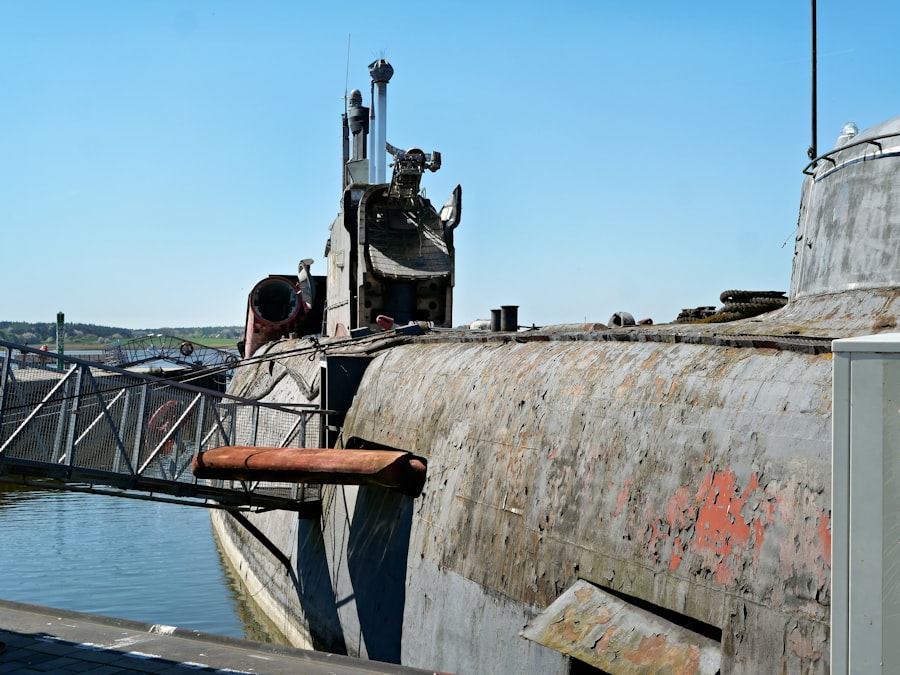
The constant struggle for dominance in the underwater domain led to a perpetual game of cat and mouse between the superpowers’ submarine fleets. This often involved tense encounters and near misses, where the slightest miscalculation could have catastrophic consequences.
Submarine Chases and Evasion Tactics
The pursuit of a submerged submarine was an arduous and often nerve-wracking affair. Naval forces would deploy anti-submarine warfare (ASW) assets, including other submarines, aircraft, and surface ships, in a coordinated effort to locate and track the elusive target. Submarine commanders, in turn, employed an array of sophisticated evasion tactics, utilizing oceanographic features, deploying decoys, and employing silent running techniques to shake their pursuers. The dark depths became a labyrinth, where each vessel navigated a perilous maze, seeking to both find and elude.
The Risk of Escalation and Accidental Conflict
The proximity of opposing submarines in contested waters carried an inherent risk of accidental escalation. A perceived threat, a misidentified target, or a mechanical malfunction could quickly spiral into a dangerous confrontation. This constant tension underscored the precarious nature of the Cold War and the profound responsibility carried by those who operated at the sharp end of this silent war.
The Importance of Communication and De-escalation
In such high-stakes environments, clear communication and strict adherence to operational protocols were paramount. Commanders on both sides were under immense pressure to maintain control and avoid actions that could be misconstrued as aggressive. The potential for a localized incident to ignite a global conflagration was a constant specter.
Notable Cold War Submarine Espionage Operations
While many operations remain classified, some have come to light, offering glimpses into the daring nature of these underwater missions. These incidents highlight the ingenuity and courage of the individuals involved.
Operation Ivy Bells: Tapping Soviet Undersea Cables
Perhaps one of the most audacious and successful espionage operations of the Cold War was Operation Ivy Bells. In the 1970s, US submarines, in collaboration with clandestine intelligence agencies, managed to install listening devices onto Soviet undersea communication cables in the Sea of Okhotsk. This allowed the US to intercept vast amounts of Soviet military communications, providing invaluable intelligence about their strategic intentions and capabilities. Imagine a surgeon, with scalpel-like precision, reaching into the very veins of the enemy’s communications network.
The Technical Challenges of Cable Tapping
The execution of Operation Ivy Bells was fraught with immense technical and operational difficulties. Working at extreme depths, in potentially hostile waters, with limited visibility and under constant threat of detection, the divers and submarine crews involved displayed an extraordinary level of skill and bravery. The installation of specialized taps required intricate maneuvering and delicate placement, a testament to human ingenuity against formidable odds.
The Intelligence Yield and its Impact
The intelligence gathered from Operation Ivy Bells was, by all accounts, of immense value. It provided a direct window into Soviet military planning and strategy, allowing the US to anticipate their moves and refine their own defensive posture. The operation demonstrated the potential for sophisticated technical intelligence gathering to yield unparalleled insights.
The USS Halibut and its Reconnaissance Missions
The USS Halibut, a converted submarine, played a crucial role in various reconnaissance missions. It was equipped with advanced photographic and sonar systems, and famously participated in the attempted recovery of a downed Soviet aircraft. The Halibut became a symbol of the cutting edge of submarine espionage, a technological marvel adapted for the silent war.
Photographic Reconnaissance and Target Identification
The Halibut’s capabilities extended to detailed photographic reconnaissance of Soviet naval bases and missile sites. These high-resolution images provided critical information for intelligence analysts, allowing for accurate assessment of enemy capabilities and vulnerabilities.
The Gloomy Success of the USS Scorpion Recovery Attempt
While not entirely successful in its ultimate goal, the mission to recover the USS Scorpion, a US submarine that sank under mysterious circumstances, showcased the ambitious nature of naval reconnaissance and salvage operations undertaken by submarines. The efforts, though tragic, highlighted the lengths to which nations would go to understand and potentially exploit their adversaries’ technological advancements and misfortunes.
During the Cold War, submarine spy operations played a crucial role in intelligence gathering and military strategy, often involving covert missions that went unnoticed by the public. These underwater vessels were equipped with advanced technology that allowed them to monitor enemy activities and gather vital information. For a deeper understanding of these clandestine operations, you can explore an insightful article that delves into the intricacies of Cold War espionage at this link. The article highlights the significance of submarines in the geopolitical landscape of the time, revealing how they shaped the course of history.
The Legacy of the Underwater Spies
| Operation Name | Year | Country | Submarine Class | Objective | Outcome |
|---|---|---|---|---|---|
| Operation Ivy Bells | 1970s | USA | USS Halibut (SSN-587) | Tap Soviet undersea communication cables | Successful; gathered critical intelligence for years |
| Project Azorian | 1974 | USA | Glomar Explorer (cover ship) | Recover sunken Soviet submarine K-129 | Partial success; recovered part of the sub |
| Operation Sand Dollar | 1960s | USA | USS Parche (SSN-683) | Gather intelligence on Soviet naval activities | Successful; multiple covert missions |
| Operation Dolphin | 1960s | USSR | Project 613 Whiskey-class | Surveillance of US naval bases and submarines | Limited success; several subs lost |
| Operation K-3 | 1980s | USSR | Project 671 Shchuka-class | Shadowing US ballistic missile submarines | Mixed results; increased tensions |
The era of Cold War submarine espionage left an indelible mark on naval history and intelligence gathering. The strategies, technologies, and sacrifices made by these submarine crews continue to inform modern naval operations.
Technological Advancements and Modern Submarine Warfare
The innovations driven by the demands of Cold War submarine espionage, from advanced sonar and acoustic analysis to stealth technologies and underwater communication systems, laid the groundwork for today’s sophisticated submarine fleets. The principles of silent running and sophisticated electronic warfare remain central to modern submarine operations.
The Human Element: Courage and Sacrifice
Behind the technology and strategy were the individuals who served. Submarine crews endured prolonged periods of isolation, intense pressure, and the constant threat of danger. Their courage, discipline, and unwavering commitment to duty were the true engine of Cold War underwater espionage. These were individuals who willingly embraced the profound darkness of the deep, carrying the weight of global security on their shoulders, often unseen and unheralded.
The Enduring Relevance of Underwater Intelligence
In an increasingly complex geopolitical landscape, the need for effective underwater intelligence remains as critical as ever. The lessons learned from the Cold War’s silent war beneath the waves continue to guide intelligence agencies and naval forces in their ongoing efforts to understand and navigate the turbulent waters of international security. The ocean, a vast and enigmatic frontier, continues to be a crucial theater of operations, where the silent whispers of submarines can still shape the destiny of nations.
FAQs
What were Cold War submarine spy operations?
Cold War submarine spy operations involved the use of submarines by both the United States and the Soviet Union to gather intelligence, conduct surveillance, and monitor each other’s naval activities beneath the ocean surface during the Cold War era.
Why were submarines used for spying during the Cold War?
Submarines were used because of their stealth capabilities, allowing them to operate undetected in enemy waters. This made them ideal for covert intelligence gathering, tracking enemy vessels, tapping underwater communication cables, and deploying surveillance equipment.
What types of missions did Cold War spy submarines undertake?
Missions included tracking enemy submarines and ships, tapping undersea communication cables, deploying listening devices on the ocean floor, conducting reconnaissance, and sometimes retrieving sensitive materials or technology from the seabed.
Which countries were primarily involved in submarine spy operations during the Cold War?
The primary countries involved were the United States and the Soviet Union, though other NATO and Warsaw Pact countries also engaged in various underwater intelligence activities.
What were some notable incidents involving Cold War submarine spy operations?
Notable incidents include the capture of the Soviet submarine K-129 by the U.S. in Project Azorian, the detection and tracking of Soviet ballistic missile submarines by U.S. subs, and various underwater cable tapping operations such as Operation Ivy Bells.