The Prussian General Staff, a formidable institution forged in the crucible of war and reform, stands as a towering achievement in military history. Its influence extends far beyond the battlefields of the 19th century, shaping strategic thinking and organizational principles that resonate to this day. Understanding this complex entity requires delving into its origins, its meticulous methods, its unique culture, and its enduring legacy.
The roots of the Prussian General Staff can be traced back to the ad-hoc arrangements of the Napoleonic Wars. Faced with the strategic brilliance of Napoleon, Prussia, a nation humbled and humiliated, recognized the critical need for a more professional and centralized approach to military planning and execution.
The Legacy of Scharnhorst and Gneisenau
The defeat at Jena-Auerstedt in 1806 served as a brutal awakening for Prussia. The subsequent reforms, spearheaded by figures like Gerhard von Scharnhorst and August Neithardt von Gneisenau, laid the foundational stones for what would become the General Staff.
The Need for Professionalization
Prior to the Napoleonic Wars, the Prussian army, like many European armies of the era, relied on aristocratic officers whose experience was often more social than strategic. The shock of defeat highlighted the urgent necessity of professionalizing military leadership. Scharnhorst, in particular, championed meritocracy and rigorous training, advocating for an officer corps that understood strategy, logistics, and tactics beyond mere battlefield command.
The Birth of the “Great General Staff”
While not formally constituted as the “Great General Staff” until later, the ideas and practices that defined it began to coalesce during this period. Scharnhorst’s vision involved a permanent body of highly skilled officers dedicated to the study of war, the development of military theory, and the formulation of operational plans. This was a radical departure from the previous model, where planning was often piecemeal and dependent on the personal genius of individual commanders. Gneisenau, a brilliant tactician and strategist in his own right, worked closely with Scharnhorst, translating abstract principles into actionable plans and instilling a spirit of innovation and resilience within the officer corps.
The Consolidation under Moltke the Elder
The true maturation of the Prussian General Staff occurred under the leadership of Helmuth von Moltke the Elder, whose tenure as Chief of the General Staff from 1857 to 1888 is considered its golden age. Moltke inherited the groundwork laid by his predecessors and meticulously refined the institution into the powerful engine of war it became.
The “War Ministry” vs. the “General Staff”
Moltke’s influence extended to clarifying the distinct roles and responsibilities within the Prussian military apparatus. He ensured that the General Staff functioned as an independent planning and advisory body, free from the direct administrative burdens of the War Ministry. This separation of powers was crucial, allowing the General Staff to focus solely on strategic and operational matters without being bogged down by day-to-day management.
The “Inner” and “Outer” General Staff
The Prussian General Staff was structured into various levels. The “Inner” General Staff, comprising the most senior and experienced officers, was responsible for the highest-level strategic planning and advising the King. The “Outer” General Staff, often referred to as the Kriegs-Akademie (War Academy), was the training ground and personnel pool for the General Staff, responsible for educating future generations of strategists.
The Prussian General Staff has long been recognized for its innovative military strategies and organizational structure, which have influenced modern military thought. For a deeper understanding of its historical significance and operational effectiveness, you can explore a related article that delves into the evolution of military command and control systems. This insightful piece can be found at In the War Room, where it discusses the lasting impact of the Prussian General Staff on contemporary military practices.
The “Art of War” Embodied: Methods and Principles
The Prussian General Staff was not merely an organizational structure; it was a living embodiment of a distinct “art of war.” Its methods were characterized by rigorous analysis, meticulous planning, and a profound understanding of the factors that dictated success on the battlefield.
The Primacy of Planning and Preparation
Central to the General Staff’s success was its unwavering commitment to comprehensive and detailed planning. This was not just about outlining troop movements; it encompassed a holistic approach to warfare.
Scientific Approach to War
Moltke famously described war as a “mathematical problem,” emphasizing the need for objective analysis and rational decision-making. The General Staff employed statistical data, geographical surveys, and historical precedents to inform their strategic assessments. This scientific approach aimed to reduce the inherent uncertainties of war through diligent preparation.
The Importance of the “Aufmarsch” (Deployment)
The initial deployment of forces, the “Aufmarsch,” was considered a critical phase. The General Staff meticulously planned the movement of troops and supplies to achieve optimal strategic positioning before hostilities even began. This allowed Prussia to seize the initiative and dictate the tempo of operations.
The Art of Maneuver
Beyond static defense or frontal assaults, the Prussian General Staff excelled in the art of maneuver warfare. They understood how to outflank enemy positions, encircle their forces, and disrupt their supply lines through coordinated movements.
Decentralization and Initiative: The “Auftragstaktik”
While meticulous planning was paramount, the Prussian General Staff also recognized the limitations of overly rigid command structures. This led to the development of “Auftragstaktik,” or mission-type tactics, a revolutionary concept that empowered subordinate commanders.
Trusting Subordinate Commanders
Under Auftragstaktik, commanders were given a clear mission objective and the authority to achieve it using their own judgment and initiative. The General Staff provided the overall strategic framework and the desired outcome, but the specific means and methods were left to the discretion of those on the ground.
Fostering Adaptability and Responsiveness
This decentralized approach fostered adaptability and responsiveness on the battlefield. In the fog of war, where communication could be unreliable and circumstances could change rapidly, subordinate commanders could react to evolving situations without waiting for explicit orders. This proved invaluable in overcoming unexpected challenges and exploiting fleeting opportunities.
The Role of the Kriegs-Akademie (War Academy)
The Prussian Kriegs-Akademie was more than just a military school; it was the intellectual heart of the General Staff. It served as the primary institution for identifying, training, and developing the officers who would staff this elite organization.
Rigorous Curriculum
The curriculum was demanding, covering a wide range of subjects including military history, strategy, tactics, logistics, fortifications, and international law. Students were expected to engage in critical thinking, problem-solving, and in-depth analysis of past campaigns.
Cultivating a Distinct Mindset
The Kriegs-Akademie played a crucial role in cultivating a distinct mindset among its graduates. It fostered a spirit of intellectual rigor, a dedication to duty, and a profound understanding of the complexities of warfare. Graduates of the Academy were not just trained officers; they were strategists and thinkers.
The Culture of the General Staff: Discipline, Secrecy, and Collective Genius

The Prussian General Staff was characterized by a unique culture that blended severe discipline with a deep sense of collegiality and a commitment to collective excellence.
The Iron Discipline and Duty
Discipline was an ingrained aspect of life within the Prussian military, and the General Staff was no exception. Officers were expected to adhere to strict codes of conduct, punctuality, and unwavering loyalty to the state.
Absolute Obedience
The concept of “absolute obedience” was central, but it was not blind obedience. It was obedience to a clearly articulated mission and strategic intent, understood and internalized by the officer corps.
The “Führerprinzip” (Leadership Principle)
While the General Staff emphasized collective decision-making, it also recognized the importance of decisive leadership. The “Führerprinzip” ensured that ultimate responsibility and authority rested with designated leaders, who were expected to make difficult choices with conviction.
Secrecy and Information Control
The General Staff operated with a significant degree of secrecy, particularly concerning strategic plans. This was crucial for maintaining operational surprise and preventing adversaries from gaining critical intelligence.
The “Kriegs-geheimnis” (War Secret)
Sensitive operational plans and strategic assessments were guarded closely. The concept of “Kriegs-geheimnis” underscored the importance of preventing leaks and maintaining a strategic advantage.
Controlled Dissemination of Information
While operational secrecy was paramount, internal information flow was meticulously managed to ensure that all relevant staff officers had the necessary knowledge to perform their duties effectively.
The Spirit of Collegiality and Collective Genius
Despite the emphasis on hierarchy and discipline, a strong spirit of collegiality permeated the General Staff. Officers worked collaboratively, sharing ideas and challenging each other’s thinking in a constructive manner.
The “Staff Spirit”
This “staff spirit” fostered a sense of shared purpose and mutual reliance. Officers recognized that their individual contributions were part of a larger, collective effort to achieve strategic objectives.
The Intellectual Crucible
The General Staff offices were intellectual crucibles where ideas were debated, refined, and forged into actionable plans. This collaborative environment allowed for the synthesis of diverse perspectives and the generation of innovative solutions.
The Impact of the Prussian General Staff on Military History
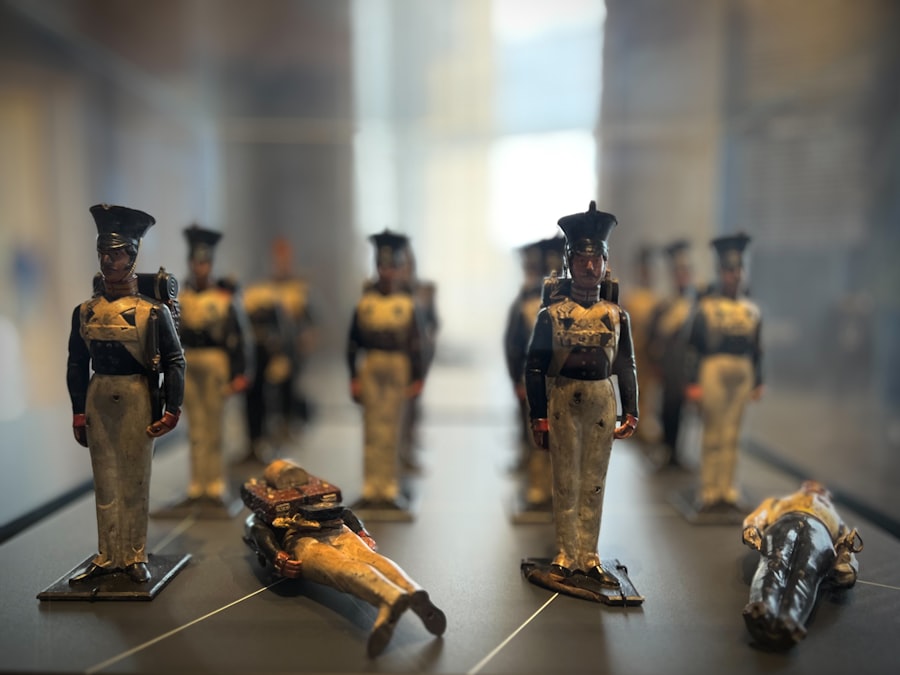
The successes of Prussia, particularly in the wars of unification in the 1860s and 1870s, catapulted the Prussian General Staff onto the global stage. Its organizational structure, planning methods, and operational doctrines became models for armies around the world.
The Franco-Prussian War (1870-1871)
The decisive Prussian victory in the Franco-Prussian War is often cited as the ultimate testament to the effectiveness of the Prussian General Staff. Their meticulous planning, superior logistics, and masterful use of maneuver warfare overwhelmed the French army.
Superior Mobilization and Deployment
The German mobilization and deployment were remarkably swift and efficient, allowing them to achieve strategic superiority from the outset.
Decisive Battles and Encirclements
The General Staff’s ability to plan and execute complex maneuvers led to a series of decisive battles, such as Sedan, where French forces were encircled and captured.
The Global Influence of the Prussian Model
Following their success, military powers worldwide sent observers and students to study the Prussian General Staff. Its organizational principles and operational doctrines were adapted and integrated into the military systems of numerous nations.
American Military Reforms
The United States, in particular, underwent significant military reforms in the late 19th and early 20th centuries, drawing heavily on the Prussian model. The establishment of the Army War College and the focus on staff training were direct influences.
The Development of Other General Staffs
Countries like Russia, Austria-Hungary, and Japan all developed their own General Staffs, largely modeled after the Prussian example, aiming to replicate its strategic and operational prowess.
The Prussian General Staff has long been recognized for its innovative approach to military organization and strategy, which has influenced many modern armies around the world. For a deeper understanding of its historical significance and operational methods, you might find the article on military strategy particularly insightful. This piece delves into the evolution of military thought and highlights key figures who shaped the Prussian model. To explore this further, you can read the full article here.
Legacy and Enduring Relevance
| Metrics | Data |
|---|---|
| Formation | 1814 |
| Role | Military planning and intelligence |
| Key Figures | Carl von Clausewitz, Helmuth von Moltke the Elder |
| Legacy | Influenced modern military staff systems |
The Prussian General Staff, as an institution, eventually dissolved with the end of the German Empire. However, its legacy continues to shape military thought and practice. The core principles it championed remain relevant in the complex and ever-evolving landscape of modern warfare.
The Importance of Professionalism and Education
The emphasis on professionalism, rigorous education, and continuous learning within military leadership remains a cornerstone of effective defense. The Prussian model underscored the fact that military success is not solely dependent on bravery, but on intellect, planning, and preparation.
The Balance Between Centralized Guidance and Decentralized Execution
The concept of “Auftragstaktik,” though evolved, continues to be a vital element in modern military doctrine. Finding the right balance between clear strategic direction from the top and the empowerment of subordinates to act with initiative on the ground is a perpetual challenge and a key to success.
The Enduring Need for Strategic Foresight
In an era of rapid technological change and complex geopolitical dynamics, the ability to anticipate threats, plan for contingencies, and develop long-term strategic visions is more critical than ever. The Prussian General Staff’s dedication to strategic foresight serves as a timeless reminder of this necessity.
The Prussian General Staff, therefore, is not merely a historical artifact. It is a living testament to the power of organized intellect, meticulous planning, and a culture of excellence. Its understanding offers invaluable insights for anyone seeking to grasp the enduring principles of effective military leadership and strategy.

The Military Machine That Didn’t Need a Napoleon
FAQs
What is the Prussian General Staff?
The Prussian General Staff was a military institution in Prussia, and later in Germany, that was responsible for strategic planning, intelligence gathering, and operational coordination of the Prussian and later German armed forces.
When was the Prussian General Staff established?
The Prussian General Staff was established in 1808 by the military reformer Gerhard von Scharnhorst, and it played a crucial role in the success of the Prussian military during the Napoleonic Wars.
What were the key functions of the Prussian General Staff?
The Prussian General Staff was responsible for developing military strategy, conducting intelligence operations, planning military campaigns, and coordinating the movements of Prussian and later German forces in battle.
How did the Prussian General Staff influence military tactics and strategy?
The Prussian General Staff was known for its emphasis on thorough planning, rapid decision-making, and the use of combined arms tactics, which greatly influenced military thinking and strategy in the 19th and early 20th centuries.
What was the legacy of the Prussian General Staff?
The Prussian General Staff’s methods and organizational structure had a lasting impact on military institutions around the world, and its influence can be seen in the development of modern military staffs and general staff systems.