The Battle of the Bulge, known officially by the German military as the Ardennes Offensive, stands as one of the most brutal and pivotal confrontations of World War II. Launched on December 16, 1944, this audacious German counteroffensive aimed to split the Allied forces, recapture the port of Antwerp, and ultimately force the Western Allies to negotiate a separate peace. What ensued was a desperate slugfest in the frozen, snow-laden Ardennes forest, a desperate gamble by Hitler that shocked the Allied command and redefined the final months of the war in Europe. Understanding this immensely complex and costly battle requires delving into its origins, the unfolding of the offensive, the critical Allied response, the brutal realities of the fighting, and its profound consequences.
The Battle of the Bulge, a significant turning point in World War II, is thoroughly examined in a related article that provides in-depth insights into the strategies and outcomes of this pivotal conflict. For those interested in exploring the details of this historic battle, you can read more in the article available at In the War Room. This resource offers a comprehensive analysis of the events that unfolded during the winter of 1944-1945, highlighting the challenges faced by Allied forces and the impact of the battle on the overall war effort.
The Seeds of Desperation: German Strategic Thinking
By late 1944, the Axis powers were reeling on multiple fronts. The D-Day landings had secured a Western front, Soviet forces were relentlessly pushing from the East, and bombing campaigns were devastating German industry. Hitler, increasingly isolated and clinging to an idealized vision of German military prowess, saw a desperate need for a decisive victory to alter the war’s trajectory. The Western Front, with its relatively less experienced American troops in certain sectors and the perceived logistical strain on the Allied armies, presented itself as a potential avenue for such a gamble.
A Last Ditch Effort
The strategic thinking behind the Ardennes Offensive was rooted in a profound underestimation of Allied resilience and capabilities. German strategists, particularly Hitler himself, believed that a swift, overwhelming armored thrust through the thinly held Ardennes sector could shatter the Allied lines. The objective was not to conquer territory but to sow chaos and fear, to break the coalition by creating a deep salient that would threaten Allied supply lines and force a political crisis. This plan was predicated on several key assumptions that would ultimately prove fatal.
Misjudging Allied Resolve
A fundamental flaw in the German plan was the belief that Allied soldiers, particularly American troops, would fold under pressure. Decades of Allied propaganda and the harsh realities of war had forged a hardened resolve in the ranks. The Germans underestimated the tenacity and fighting spirit of the Allied soldiers, who, despite being caught off guard, would fight fiercely for every inch of ground.
The Illusion of Surprise
While the Allies were indeed surprised by the timing and scale of the offensive, the element of surprise was not as complete as the Germans had hoped. Intelligence reports had indicated increased German troop and vehicle movements in the Ardennes, though these warnings were not fully appreciated or acted upon due to a combination of complacency, a focus on other fronts, and a degree of intelligence failure. Furthermore, the sheer size of the German build-up was difficult to conceal entirely.
Reliance on Speed and Momentum
The German plan was heavily reliant on achieving rapid breakthroughs and maintaining momentum. This required overwhelming armored force and a swift advance to reach the Meuse River and then Antwerp. The challenging terrain of the Ardennes, coupled with the harsh winter conditions, would severely impede this crucial element of speed, allowing the Allies time to react and reinforce.
Operation “Watch on the Rhine”: The Offensive Unfolds

Under the operational name “Watch on the Rhine,” the Ardennes Offensive was meticulously planned in secrecy. The German Army Group B, commanded by Generalfeldmarschall Walter Model, and Army Group A, under Generaloberst Josef “Sepp” Dietrich, were tasked with executing the assault. The initial stages of the attack achieved a significant level of tactical surprise and inflicted heavy casualties, creating the infamous “bulge” in the Allied lines that gave the battle its popular name.
The Initial Assault
On the morning of December 16, 1944, under the cover of a heavily overcast sky that grounded Allied air power, German panzers and infantry surged across the front. The attack targeted a weakly defended sector of the front manned primarily by inexperienced American troops. The Ardennes, a mountainous and forested region, was considered a less likely avenue for a major offensive, leading to a lower concentration of Allied forces. This allowed the German assault to gain initial traction, overwhelming scattered American units and pushing deep into Allied territory.
Exploiting Weak Defenses
The German forces concentrated their armored might on a narrow front, aiming to punch through the Allied lines and create a rapid breakthrough. The initial American defenses, stretched thin and lacking adequate reserves, were quickly overwhelmed. Many units fought bravely but were encircled or forced to retreat in disarray as the German panzers advanced.
The Element of Shock
The psychological impact of the offensive cannot be overstated. The sudden and aggressive nature of the German attack, combined with the sheer scale of the offensive, caught Allied commanders completely by surprise. Reports of retreating American units and advances by German armor led to widespread confusion and alarm within the Allied command structure.
The Race to the Meuse and Beyond
The primary objective of the German offensive was to reach the Meuse River, cross it, and then drive towards the vital port of Antwerp. Capturing Antwerp would sever Allied supply lines to Europe and force Great Britain and the United States to consider a negotiated peace. The early hours of the offensive saw German spearheads making rapid progress, with some units reaching the Meuse on December 20. However, the advance soon faltered due to a combination of stiffening Allied resistance, logistical challenges, and terrain.
The Meuse Line Holds
While some German units successfully reached the Meuse, the Allied defensive lines along the river, bolstered by hastily dispatched reinforcements and determined fighting by isolated units, managed to hold. The crossing points were fiercely contested, and the Germans were unable to establish a broad bridgehead. This delay proved critical, allowing for further Allied mobilization.
Logistical Nightmares
The German plan relied on speed and the capture of Allied fuel and supplies. However, the rapid advance outpaced their logistical capabilities. Fuel shortages began to plague the German armored divisions, severely limiting their operational range. Furthermore, the harsh winter conditions and the destruction of bridges and roads by retreating Allied forces hampered their ability to resupply.
The Allied Response: From Shock to Solidarity

The initial shock of the Ardennes Offensive quickly gave way to a determined and coordinated Allied response. Supreme Allied Commander General Dwight D. Eisenhower immediately recognized the gravity of the situation and initiated a series of crucial decisions that would ultimately turn the tide of the battle. The rapid redeployment of forces, the resolute defense of key positions, and the eventual return of air superiority would prove decisive.
Rallied and Redeployed
Eisenhower, renowned for his calm leadership under pressure, took decisive action. He ordered General Patton’s Third Army, which had been operating in the Saar region to the south, to reorient and drive north to relieve the besieged American forces at Bastogne. Simultaneously, other Allied units were rushed to the front to plug the gaps and contain the German advance.
Patton’s Pivot
General George S. Patton Jr.’s Third Army played a pivotal role in the Allied counterattack. Patton, known for his aggressive tactics and inspiring leadership, famously declared that his army would “drive a fist right through the German salient.” His forces, covering astonishing distances in just a few days, reached Bastogne and began to chip away at the German penetration, a feat of logistical and operational brilliance.
Holding the Defensive Perimeter
Throughout the battle, numerous isolated Allied units, often outnumbered and outgunned, fought tenaciously to hold defensive positions. Towns like Bastogne, La Roche-en-Ardenne, and St. Vith became symbols of determined resistance, tying down significant German forces and preventing them from achieving their objectives.
The Return of Air Power
A critical factor in the Allied victory was the eventual return of Allied air superiority. Initially, the thick cloud cover grounded Allied aircraft, allowing the German offensive to proceed largely unmolested. However, as the weather improved, Allied bombers and fighter-bombers played a crucial role in disrupting German supply lines, attacking armored formations, and providing vital close air support to ground troops. The sight of Allied aircraft dominating the skies significantly boosted Allied morale and demoralized the German soldiers.
Close Air Support
Once the skies cleared, Allied aircraft became a devastating weapon against the German forces. They targeted German armor, artillery positions, and troop concentrations, inflicting heavy casualties and significantly impeding the German advance. The ability of Allied aircraft to strike deep behind enemy lines proved invaluable in blunting the offensive.
Interdiction of Supply Lines
The constant harassment of German supply lines by Allied air power further exacerbated their logistical problems. Fuel convoys, ammunition trains, and troop movements were relentlessly attacked, starving the German spearheads of the resources they desperately needed.
The Battle of the Bulge was a significant turning point in World War II, showcasing the resilience of Allied forces against a surprise German offensive. For those interested in a deeper understanding of this pivotal moment in history, you can explore a related article that delves into the strategies and outcomes of the battle. This comprehensive piece provides valuable insights into the military tactics employed and the experiences of soldiers on the front lines. To read more about this fascinating topic, visit this article.
The Crucible of Combat: Life and Death in the Ardennes
| Aspect | Details |
|---|---|
| Start Date | December 16, 1944 |
| End Date | January 25, 1945 |
| Location | Ardennes region of Wallonia in Belgium, Luxembourg, and Germany |
| Belligerents | Allied forces (United States, United Kingdom, Canada, Belgium, France, and Luxembourg) vs. German forces |
| Casualties | Approximately 89,000–100,000 casualties on the Allied side and 67,200–100,000 casualties on the German side |
| Outcome | Allied victory, but with significant casualties and impact on both sides |
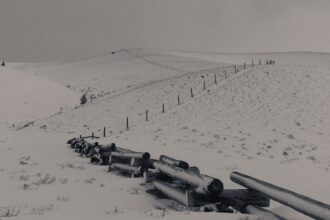
The Battle of the Bulge was fought in brutal winter conditions, with temperatures plummeting well below freezing and heavy snowfall creating a treacherous landscape. The fighting was characterized by intense close-quarters combat, desperate firefights in snow-covered villages, and the chilling reality of war in an unforgiving environment. Both sides suffered heavy casualties, and the human cost of the battle was immense.
The Bitter Cold and Harsh Terrain
The Ardennes forest, with its narrow roads, dense woodlands, and steep inclines, presented significant challenges for mechanized warfare. The constant threat of snowstorms, icy roads, and extreme cold made movement difficult and exacerbated the already stretched logistical chains of both armies. Soldiers on both sides endured immense physical hardship, struggling with frostbite, hypothermia, and the general misery of fighting in such conditions.
Desperate Measures for Survival
Soldiers resorted to desperate measures to stay warm and survive the brutal conditions. Huddling together for body heat, digging snow caves for shelter, and rationing meager supplies became commonplace. The psychological toll of fighting in such an environment, coupled with the constant threat of death, was profound.
The Landscape of War
The picturesque Ardennes landscape was quickly transformed into a brutal tableau of war. Shell-pocked fields, shattered forests, and destroyed villages bore testament to the ferocity of the fighting. The snow, often stained with blood, served as a grim reminder of the human cost of the conflict.
The Cost of Fierce Fighting
The Battle of the Bulge was one of the bloodiest battles for the United States in World War II. American forces bore the brunt of the initial assault and paid a heavy price in lives lost, wounded, and captured. The German forces also suffered significant casualties, depleting their remaining reserves of experienced troops and equipment.
American Resilience and Sacrifice
Despite being caught off guard, American soldiers displayed remarkable courage and resilience. The tenacity of units like the 101st Airborne Division at Bastogne, under siege and famously responding “Nuts!” to a German surrender demand, became legendary. Their stand symbolized the unwavering spirit of American resistance.
German Losses and Strategic Hamstringing
The Ardennes Offensive proved to be a pyrrhic victory for Germany. While they inflicted significant casualties and caused considerable disruption, the German Army ultimately exhausted its final offensive reserves. The heavy losses in men and materiel could not be replaced, significantly weakening their ability to defend against the advancing Allied forces on both the Western and Eastern fronts.
The Aftermath and Legacy: A Turning Point in the War
The Battle of the Bulge, though a temporary setback for the Allies, ultimately proved to be a decisive strategic defeat for Nazi Germany. The offensive failed to achieve its objectives, bled Germany of its last offensive reserves, and ultimately accelerated the Allied victory in Europe. Its legacy is one of immense sacrifice, remarkable resilience, and a crucial turning point in the final throes of World War II.
The Final German Offensive
The Ardennes Offensive represented Hitler’s last major gamble to alter the strategic balance of the war. Its failure marked the effective end of Germany’s capacity to launch large-scale offensive operations on the Western Front. The depletion of experienced troops and vital equipment meant that Germany would increasingly be forced onto the defensive, struggling to stem the tide of the Allied advance.
Exhaustion of Reserves
The offensive consumed Germany’s last significant armored reserves. The panzer divisions, once the spearhead of German blitzkrieg tactics, were decimated. These losses were irreplaceable, leaving the German Wehrmacht critically weakened and unable to mount sustained resistance against the overwhelming Allied forces.
The Beginning of the End
The failure of the Ardennes Offensive signaled the beginning of the end for Nazi Germany. With their offensive capabilities shattered, the Allied forces could now press their advantage with renewed vigor. The front lines were re-established, and the relentless march towards Berlin commenced.
The Battle’s Lasting Impact
The Battle of the Bulge left an indelible mark on the course of World War II and on the collective memory of those who fought and were affected by it. It stands as a testament to the horrors of war, the importance of preparedness, and the enduring spirit of human resilience in the face of overwhelming adversity. The lessons learned from this monumental battle continue to resonate in military strategy and historical understanding.
A Symbol of Allied Resolve
The Battle of the Bulge became a powerful symbol of Allied resolve, determination, and adaptability. It demonstrated the ability of the Allied powers to not only absorb a devastating blow but also to rally, respond effectively, and ultimately achieve victory. The bravery of the soldiers who fought in the Ardennes remains a source of inspiration.
Historical Significance and Remembrance
The Battle of the Bulge is a crucial chapter in the narrative of World War II. It highlights the complex interplay of strategy, logistics, terrain, weather, and human courage. Commemorations, museums, and countless historical accounts continue to ensure that the sacrifices made and the lessons learned from this brutal winter conflict are never forgotten. The understanding of this battle is vital for comprehending the final, desperate struggle for freedom in Europe.

Why Hitler Lost Because of Fuel
FAQs
What was the Battle of the Bulge?
The Battle of the Bulge was a major German offensive campaign launched through the densely forested Ardennes region of Wallonia in Belgium, France, and Luxembourg on the Western Front during World War II. It took place from December 16, 1944, to January 25, 1945.
What were the main objectives of the Battle of the Bulge?
The main objectives of the Battle of the Bulge for the German forces were to split the Allied forces, capture the vital port of Antwerp, and ultimately force the Western Allies to negotiate a peace treaty in the Axis powers’ favor.
What were the key events and outcomes of the Battle of the Bulge?
The Battle of the Bulge began with a surprise German attack that created a “bulge” in the Allied front lines. The German forces initially made significant gains, but the Allies were able to regroup and ultimately repel the offensive. The battle resulted in heavy casualties on both sides, but the Allies emerged victorious, effectively ending any hope of a German victory on the Western Front.
What were the strategic implications of the Battle of the Bulge?
The Battle of the Bulge marked the last major German offensive campaign on the Western Front during World War II. The heavy losses suffered by the German forces depleted their remaining strength, and the battle ultimately hastened the end of the war in Europe.
How is the Battle of the Bulge remembered today?
The Battle of the Bulge is remembered as one of the largest and bloodiest battles fought by the United States during World War II. It is also seen as a pivotal moment in the war, as it demonstrated the resilience and determination of the Allied forces in the face of a surprise attack. The battle is commemorated through various memorials, museums, and annual ceremonies in the Ardennes region.